Sunday was the autumnal equinox and of course, my Instagram feed was filled with images and quotes about the meaning and beauty of fall. That prompted me to share my own photographs of what the changing season looks like here in the NEK of Vermont.
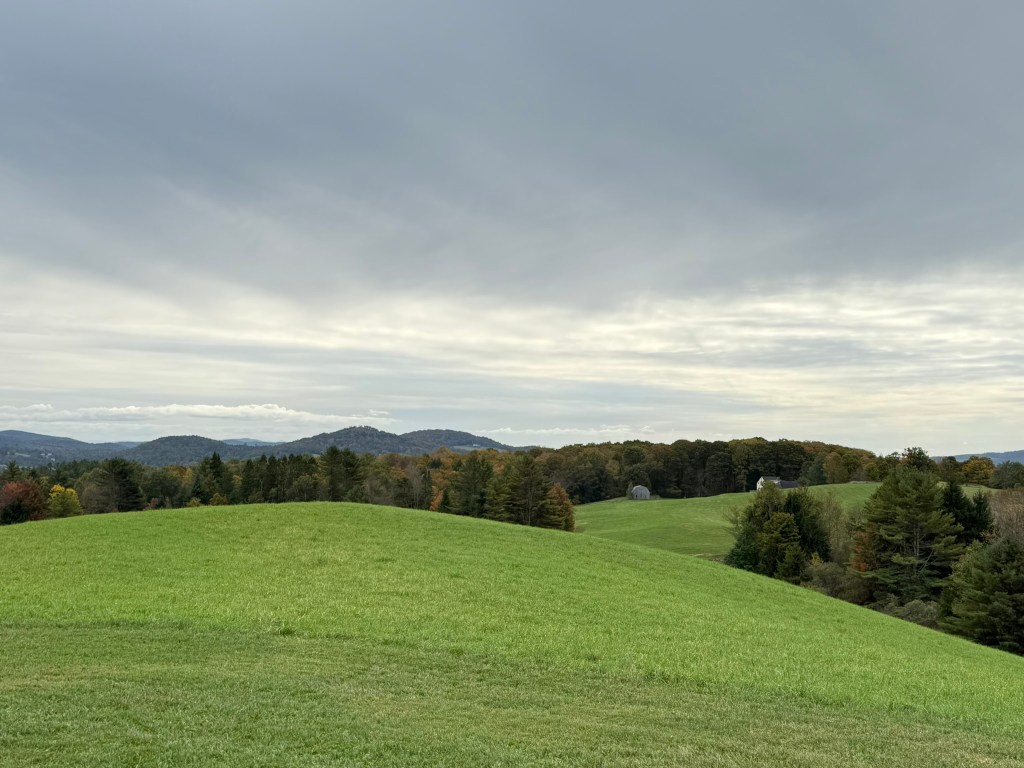
Growing up, I loved the fall season because it felt like the gateway into the best time of the year, that period filled with all my favorite holidays: Halloween (that blast of spooky-fun make-believe), Thanksgiving (the Yuletide teaser with its feast and family gatherings), and that greatest of all holidays, the toy fest that was Christmas.
Fall meant all of that was on its way.
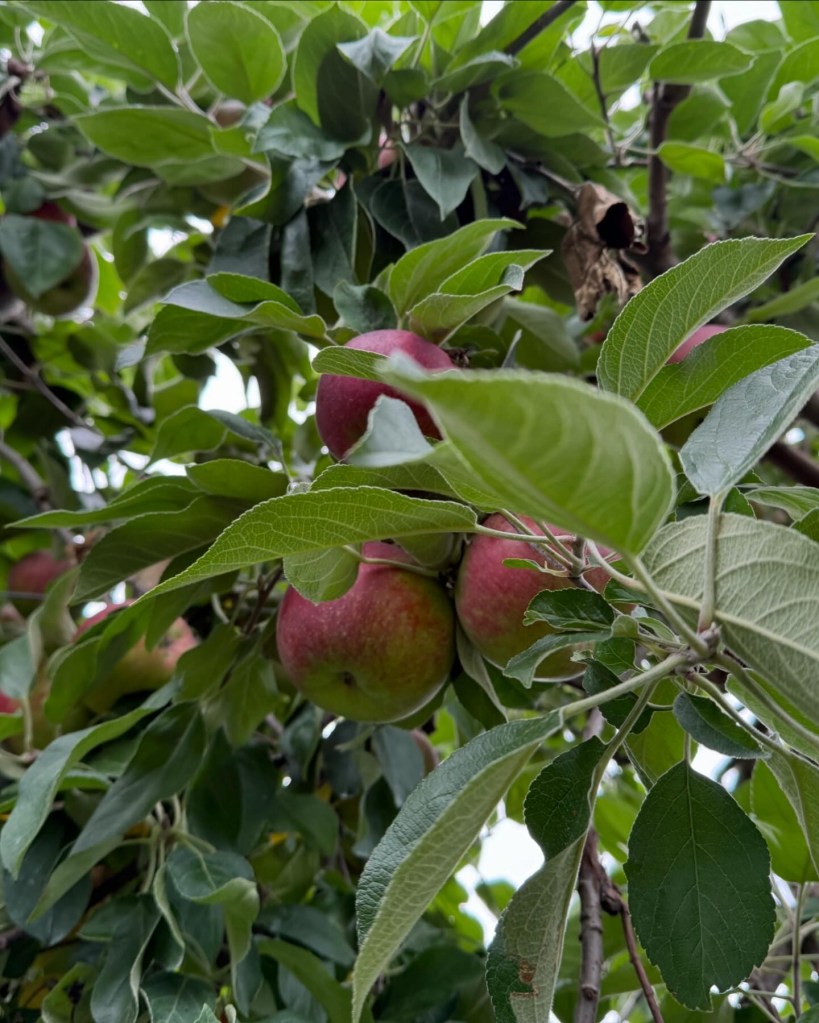
Now that I’m older, I can appreciate autumn’s symbolism. It’s the beginning of a period of rest, a time to enjoy the harvest of our labor while also considering what old things to shed and what still remains to be done– all in preparation for an eventual renewal.
Such ideas appeal to my writer’s sensibility, and this official change in season inspired me to revisit my writing goals for 2024.
I drafted six goals in January:
- Finish the zero draft of my first novel, A Home on Yarrow Hill
- Revise the horror novella I wrote last October, Saltbox (a title ruined by the release of that ridiculous movie Saltburn)
- Continue writing short stories and submit a minimum of three for publication
- Slowly develop my current Instagram account to include writing content
- Get better at making reels for IG
- Launch my author blog
With just over three months left in the year, I’m pleased with my progress. It’s really rather good.
I’ve killed #3. In fact, I’ve submitted eight (not three) short pieces altogether, with five accepted and either already published or forthcoming. Check.
#6 is done; I’m typing my latest post for it right now. Check.
#4 is underway, with more writing-related content posted more frequently in the last couple months. I’m happy to report, too, that no weird, awful backlash has occurred because of it (which I’d irrationally feared), so I’m pushing past the discomfort this initially caused. I’m proud of that.
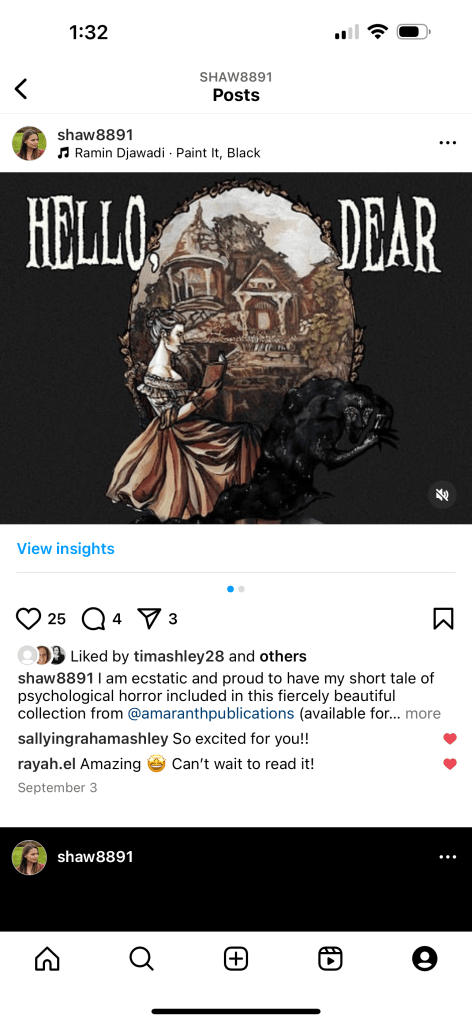
#5 I haven’t given much effort to, but that doesn’t concern me. It feels like the least important one anyway. Plus, I don’t really have anything to market via reels just yet.
That leaves #s 1 and 2. Which weren’t up there at the top for nothing. But, they’re proving the toughest.
They’re also the most important, particularly right now.

Writing the short stuff has been good for multiple reasons. It’s allowed me to improve my craft while finishing projects with relative ease. The completion is what’s so important to the learning, as Neil Gaiman says. The short pieces have also given me a few publication credits and a certain entry-level legitimacy and validation. It’s also given me invaluable experience working with, and learning from, six different editors, all while getting a look inside the professional publication process.
But if I’m honest with myself, I must recognize now that the next phase of learning needs to happen in the context of my longer work. If my ultimate goal is to one day publish a well-crafted, engaging, and hopefully well-received book, then I need to focus on the longer pieces.
In particular, I need to finish the zero draft of my novel.
Ugh.
I say that not because I don’t like it. I do. At least, I like parts of it. I still think about it on a regular basis.
Not because I haven’t made progress. I have. I’m about 100k into the draft.
Not because I want to give up. I don’t.
It’s just… hard.
I am just past the novel’s “murky middle,” I think. And I realized, long ago, that in my voraciousness I bit off way more than I, a newbie writer, can adequately chew.
My novel is a found-family work of historical romantic fiction. It features FOUR characters, with FOUR alternating points of view. One character is a Great War veteran suffering from alcoholism and PTSD. Another character is a victim of sexual assault who is trying to make a new life for herself. Another is seeking justice for her father’s murder in the context of his newly-discovered bootlegging. And another, the most principal character, is severely dyslexic and a witness to years of her dead mother’s physical abuse at the hands of her drunken father. She will be the key to everyone’s resolutions, ultimately.
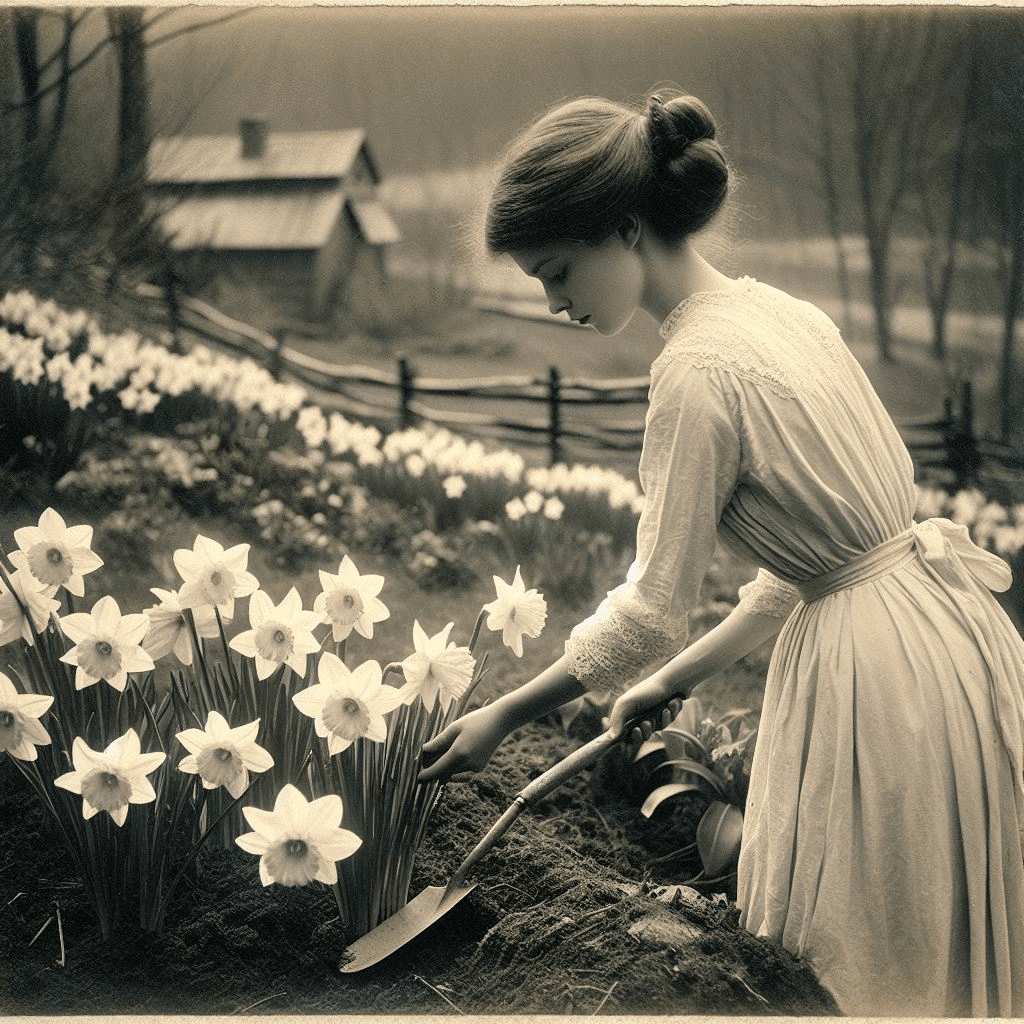
All four characters live under the same roof, helping to care for a nonspeaking, disabled relative (who we would recognize today as an autistic adult).
If it sounds like a lot, that’s because it is. If it sounds melodramatic and potentially cringy, that’s because it probably is.
Holy hell, what an ocean of narrative to wade into (and I won’t even go into all the research these topics require).
I’m in well over my head now, and the floor is thousands of feet beneath me. I am staying afloat, but barely; the effort is exhausting. And that exhaustion, plus the knowledge that the draft is so stinking awful in so many ways, has kept me from working steadily on it.
(I’ve preferred the faster, easier routes to growth and satisfaction provided by the completion of the short pieces.)
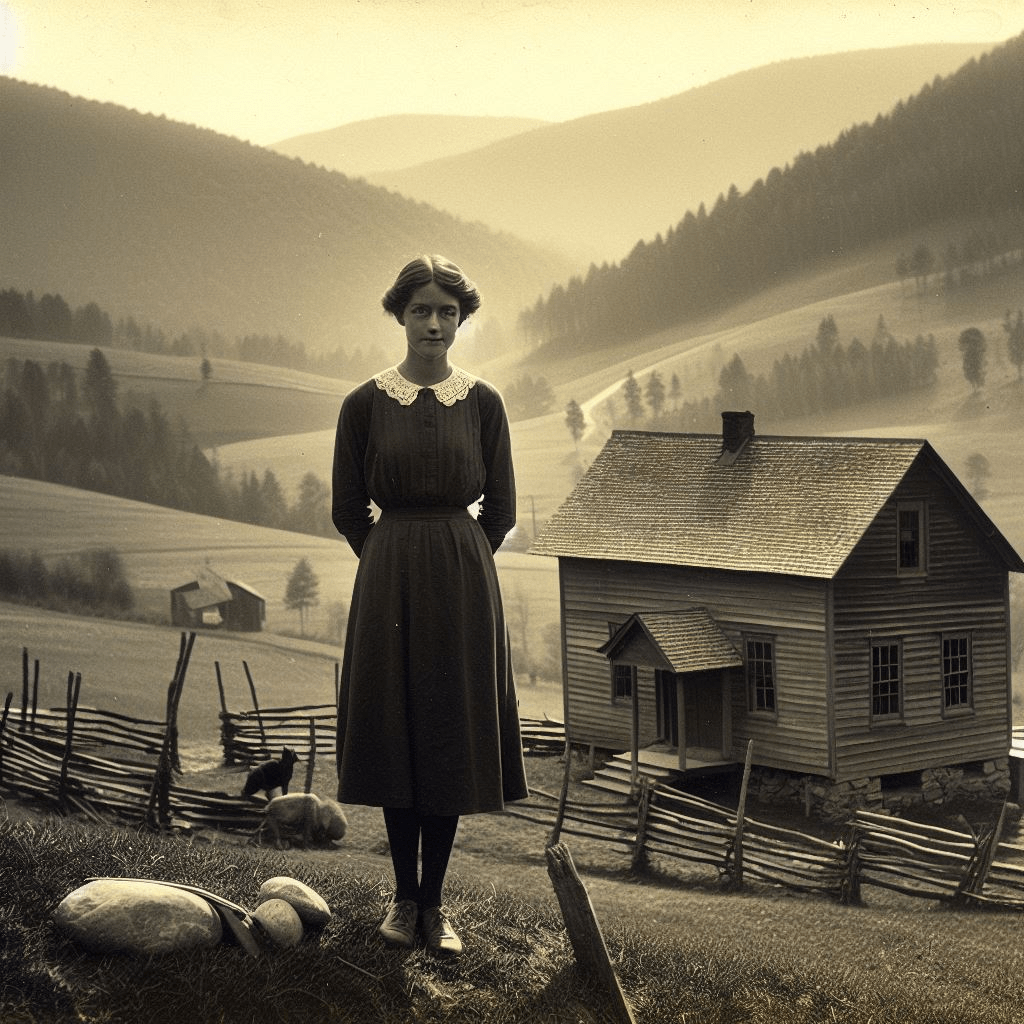
Thankfully, I can sum up the premise of my novel rather easily: Four damaged young people, living together in rural 1920s Vermont, learn to love, protect, and heal one another.

According to the experts, your ability to sum up your long work in a single sentence is a good sign.
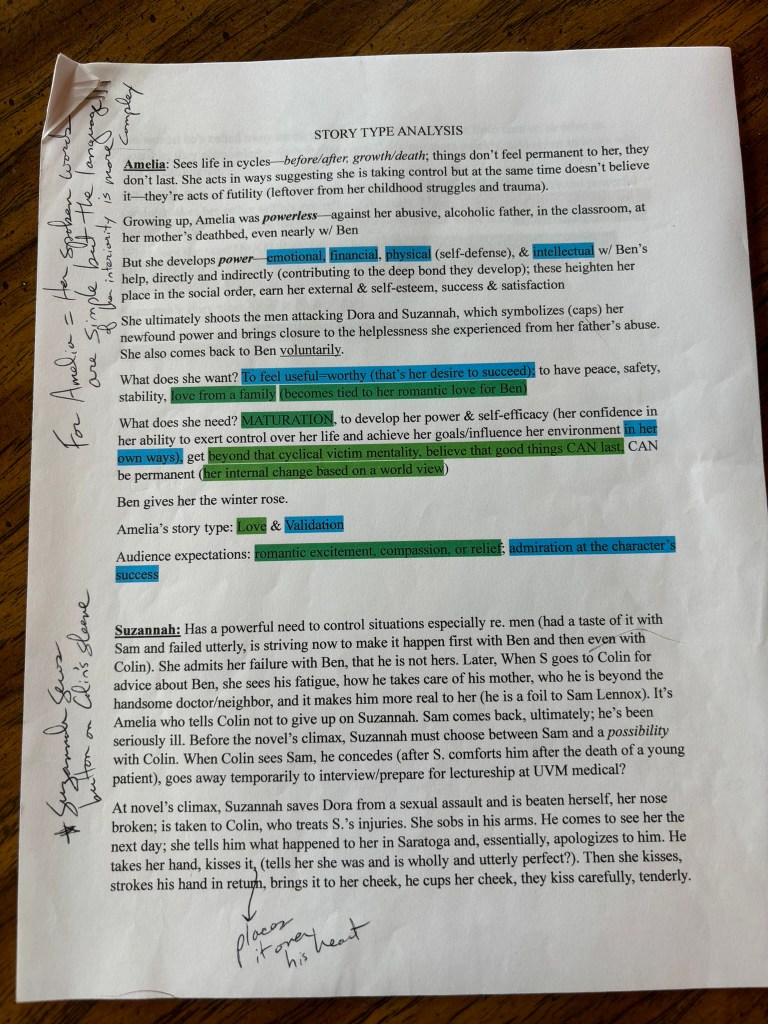
I can also describe the kind of story it is: a found family story of love, validation, and redemption. And I have character arc notes for each main character, so there is a clear, unifying thread (I’m not so hopelessly clueless that I’m utterly drowning).
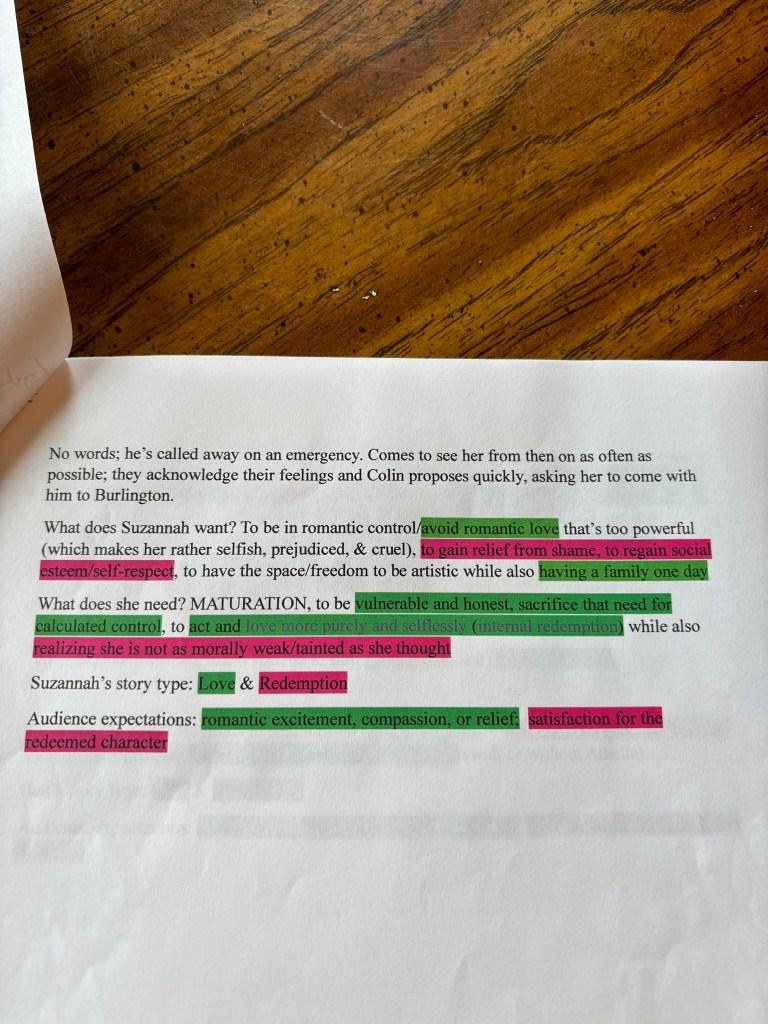
I also have a completed, albeit rough, outline, so I know what will happen and how it will end (though I’m always open to new developments).
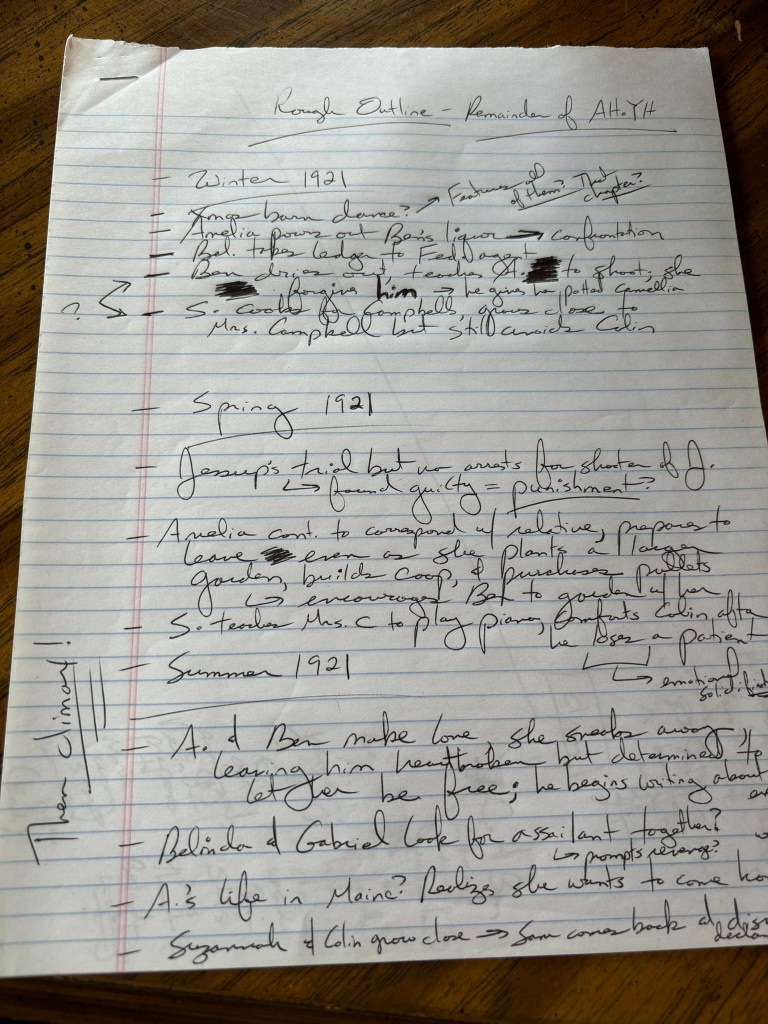
It is Just. So. Much.
Way, way more than I can do well at this point in my experience. And way, way more than is probably marketable. From what I’ve heard, multiple POVs are tough to do well and can frustrate readers. Also, publishers (and probably readers) aren’t attracted to long works by new authors. I also suspect my piece doesn’t quite tick all the boxes of my genre; I need to improve my understanding and application of the conventions of my preferred genres, based on feedback from two reliable sources who are both authors and editors.

So, I’ve been avoiding my novel.
But that’s not how I’m going to learn from it.
I feel like it’s best if I push through and finish a god-awful rough draft by the end of December. After that, I might never go back to it. But, I’ll have a much better idea of the scope for an effective novel (something much more focused and specific than what I’ve tried to do with this one). I feel like that understanding, that better orientation, will prove invaluable. That will be the payoff, the true learning. That will lead to a second, better manuscript.
When I started this novel, the longest piece I’d written was 30k (Saltbox). I just didn’t know what the scope of a true novel looked like in the planning, and I started this work for NaNoWriMo last year with the sole intention of getting to or exceeding 50k. I did that but, oh God, the end was nowhere in sight. (I think I underestimated my ability to develop a single MC’s story in 50k words, and that’s why I chose the multiple POVs, which was way too much.)
I did want to keep going, so I did.
Now, I just need to NOT give up. I want to see this behemoth through.
Wish me luck!
Do you have any advice? I’m trying to remind myself that it’s ok for this zero draft to be awful. It’s supposed to be; it’s the completion that counts, right now. In fact, as Savannah Gilbo, a popular book coach, suggests, I shouldn’t do any revising at all while trying to produce an initial draft. Pausing to revise only slows one down, and effective revision can only happen once the piece is done and the writer can see the big picture clearly.
Is there anything else I should remember that might keep me going? Don’t hesitate to let me know!
XOXO,
Jenn
 Jennifer Shaw