On Monday, Jer’s dad texted us this wonderful photo:
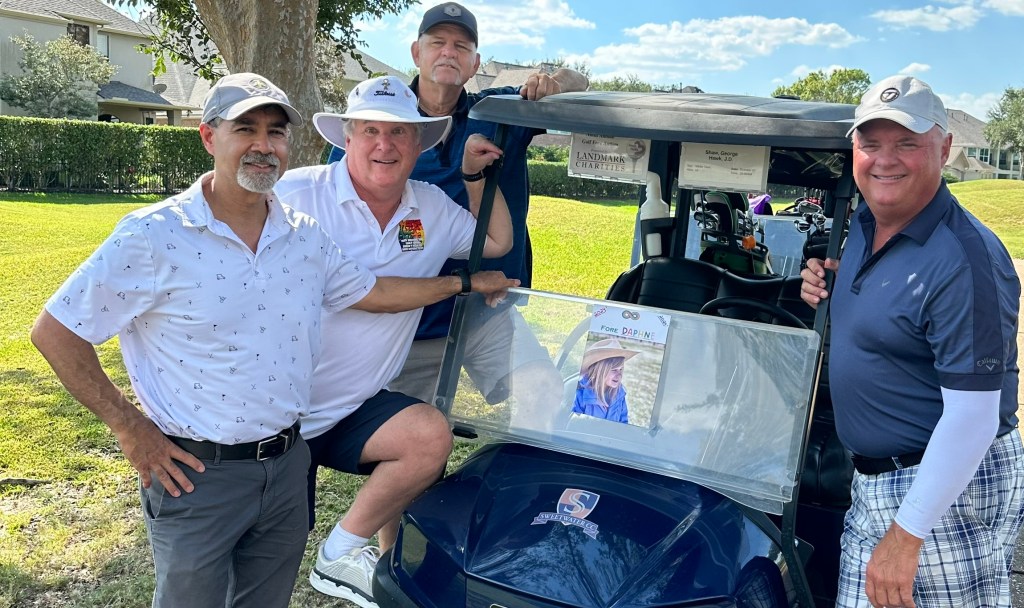
That’s George, Jer’s dad, in the middle, wearing the white polo with the multi-colored puzzle pieces and text that says, Just because you can’t speak, doesn’t mean you have nothing to say. Pictured with him are his dear friends and former partners/co-workers (from right to left): JD, Gordy, and Roy. Together, they made up one of several teams participating in the Hope for Three Annual Golf Tournament, held at Sweetwater Country Club in Sugar Land, Texas on October 7th.
And you probably recognize the little girl in the picture on their windshield–Daphne, of course. George’s team participates to help all Ft. Bend Co. kiddos with autism, but it’s sweet Miss Daph who inspires them.
George and his teammates’ participation in this major fundraiser for a nonprofit autism advocacy organization serving Fort Bend County means more to me that I can express. For five years now, George has organized and played on a team for this major event, and his efforts, as well as those of the other 240 participants this year, earned Hope for Three approximately $134K total. Most of that money, as I understand it, will go toward funding various therapies, equipment, and other support services for Fort Bend autism families.
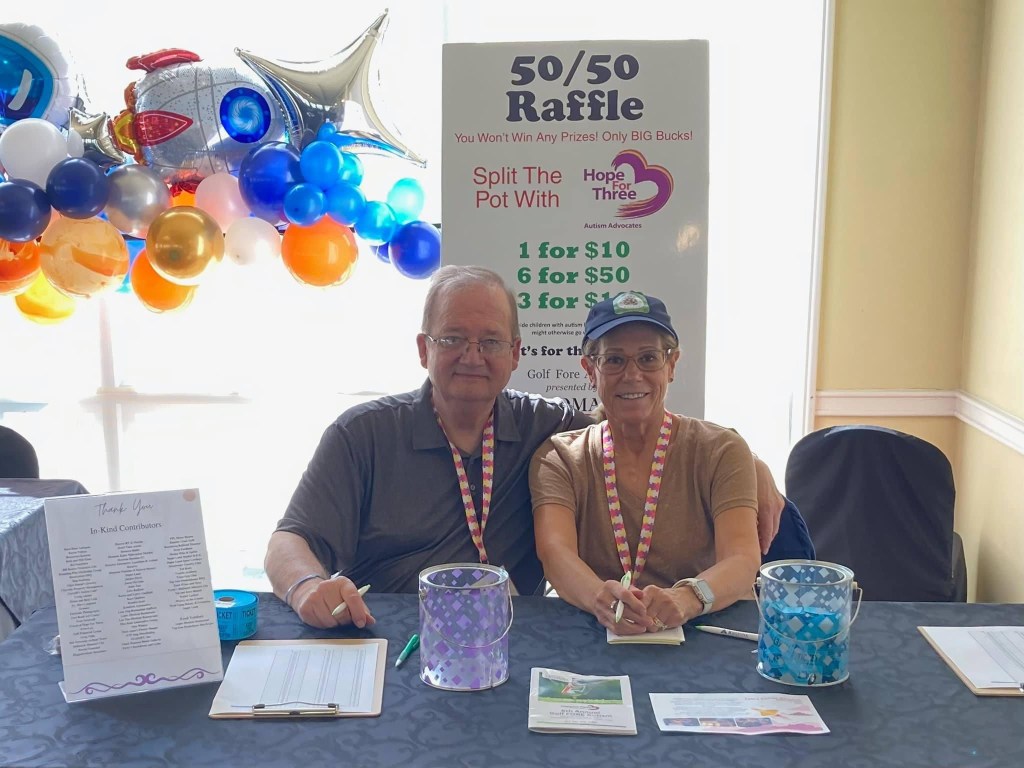
My parents, Tim and Sally, also volunteer each year in the H43 golf tournament. They sell tickets for the raffle, and this year they also set up the wine pull.
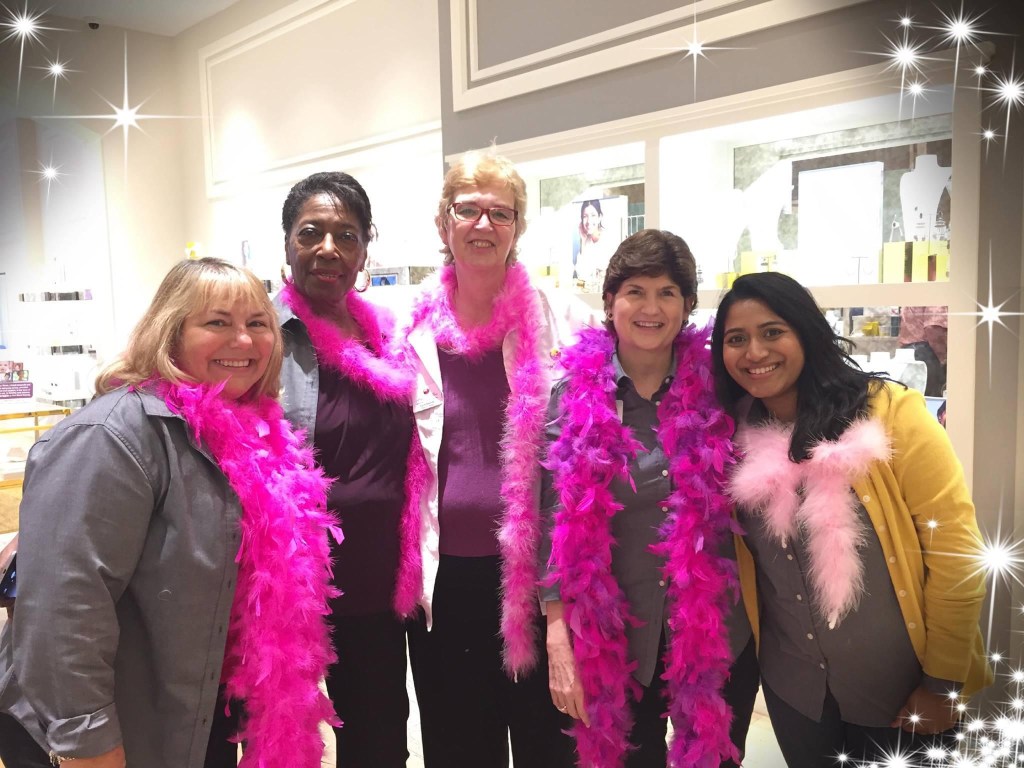
My mother-in-law, Julie, does not live in Fort Bend like our other parents do. But, when she was still in Texas, she worked for a year at Hope for Three as their Development Director, and for years, she sat on their board.
Hope For Three is an incredible organization. Jer and I know first hand how expensive it can be to get the resources your autistic child needs. ABA, speech, and occupational therapy aren’t free, nor are the devices like iPads for things like augmentative and alternative communication. Even with Medicaid, a family’s expenses can run high, and even for a family with only one child on the spectrum, let alone multiple children. So, the funding that organizations like Hope for Three provide to autism families (regardless of their incomes) is imperative, in my opinion, for those families to support their children to the fullest extent possible.
Public schools are wonderful in many ways, and they do their best, but what they can give is often just not enough.
When we still lived in Fulshear, Texas, H43 aided our family by providing grant money for Daphne’s Survival Swim lessons at Texas Swim Academy. Not only did these lessons give her a life-saving skill, they sparked in her a passion for the water.
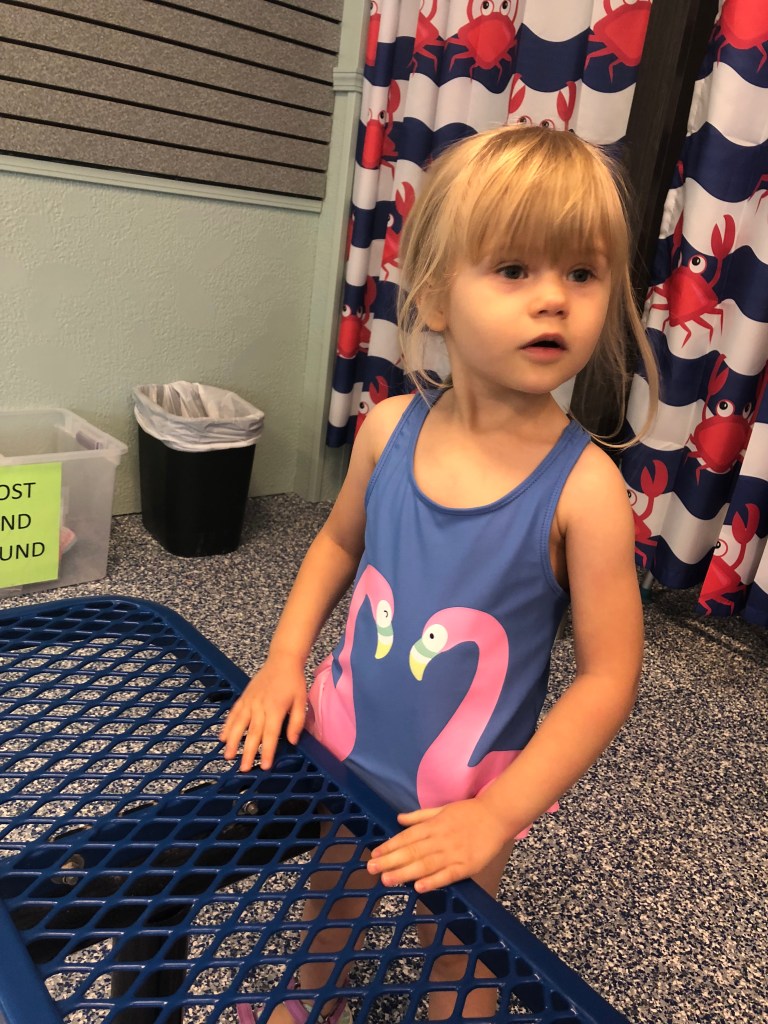
And, had we continued to live in Texas, we would have applied regularly for funding to continue Daph’s speech and occupational therapy at Growing Speech, which we had to seek privately since the public school only provided some speech services and zero OT. We would have needed H43 to fully support our daughter.
Aside from raising and distributing funds, Hope For Three does other wonderful things, too. They provide fun activities and other emotional support for the siblings of children with autism, often called glass children because they can feel overlooked and thus invisible. H43 works to make these kiddos feel seen and appreciated.
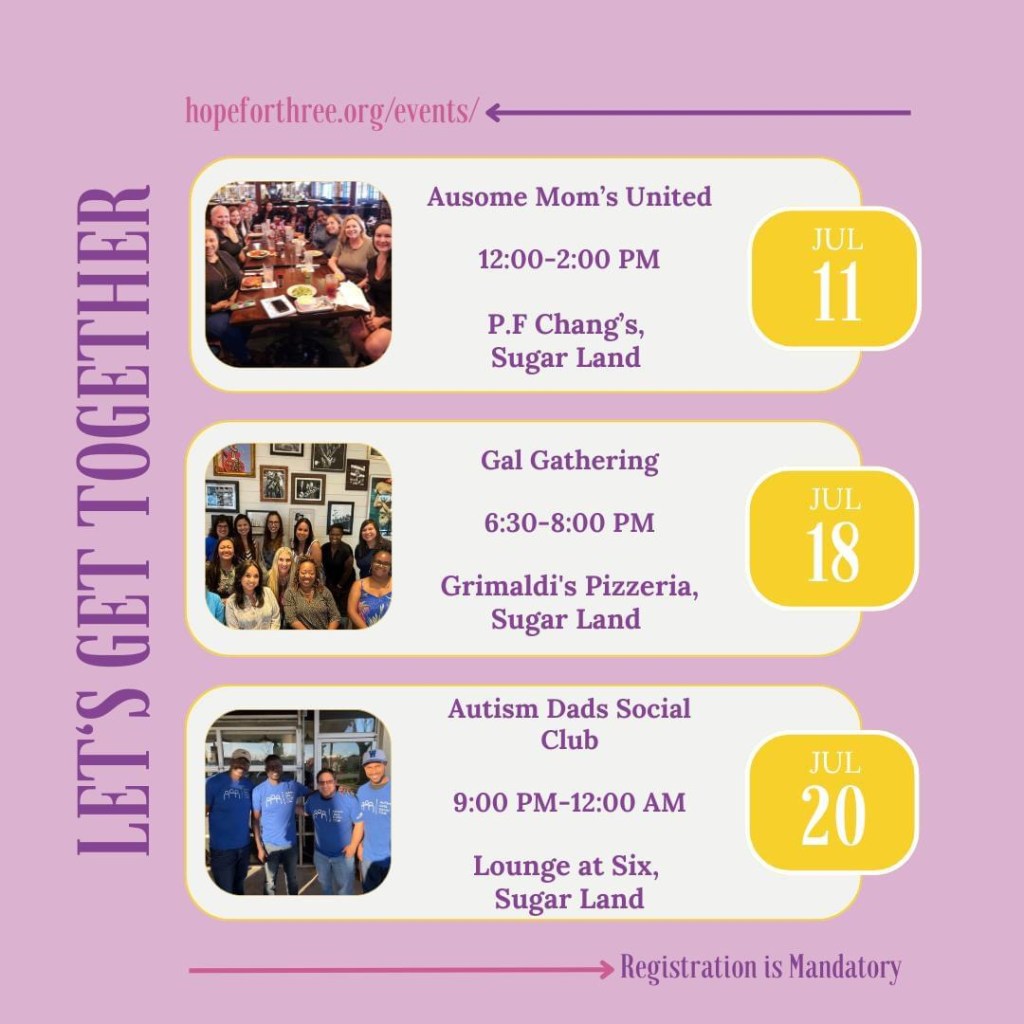
In addition, H43 organizes informal support groups for mothers, fathers, and other caregivers of ASD children, which often meet for happy hours and dinners out. The parents and caregivers are allowed to make these gatherings as serious or light-hearted as they like.
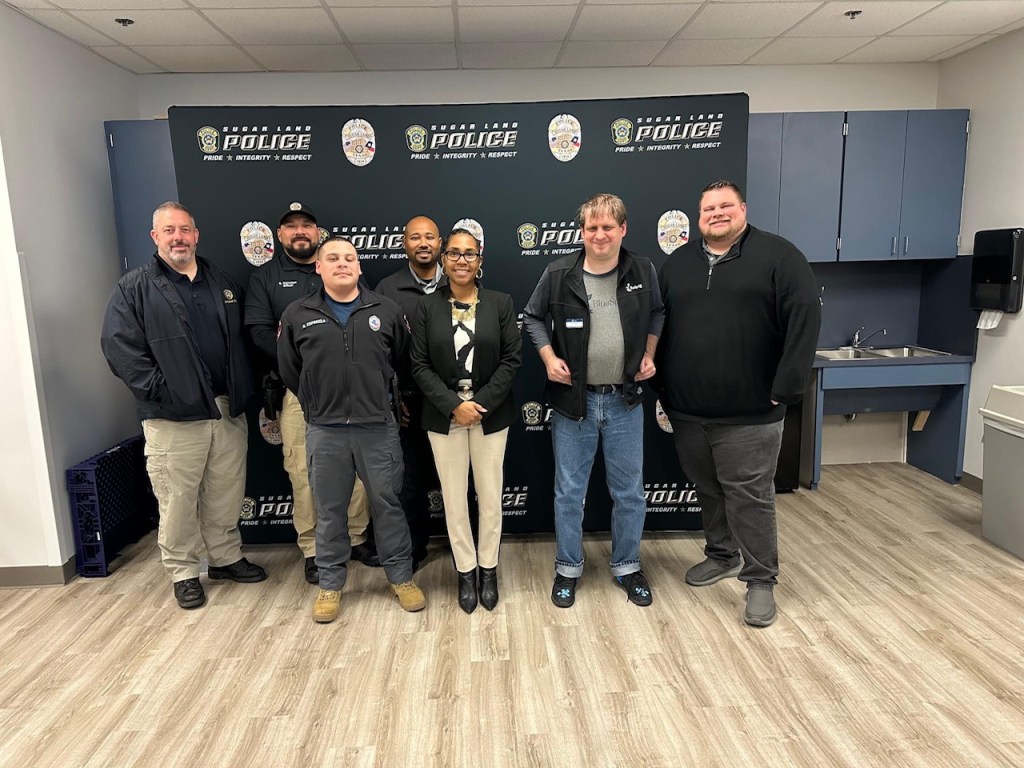
Hope for Three also trains local law enforcement on how to identify, approach, and aid an ASD person in need–so important because sometimes an ASD adult, particularly a man, might appear violent and in need of force or restraint when that is not the case.
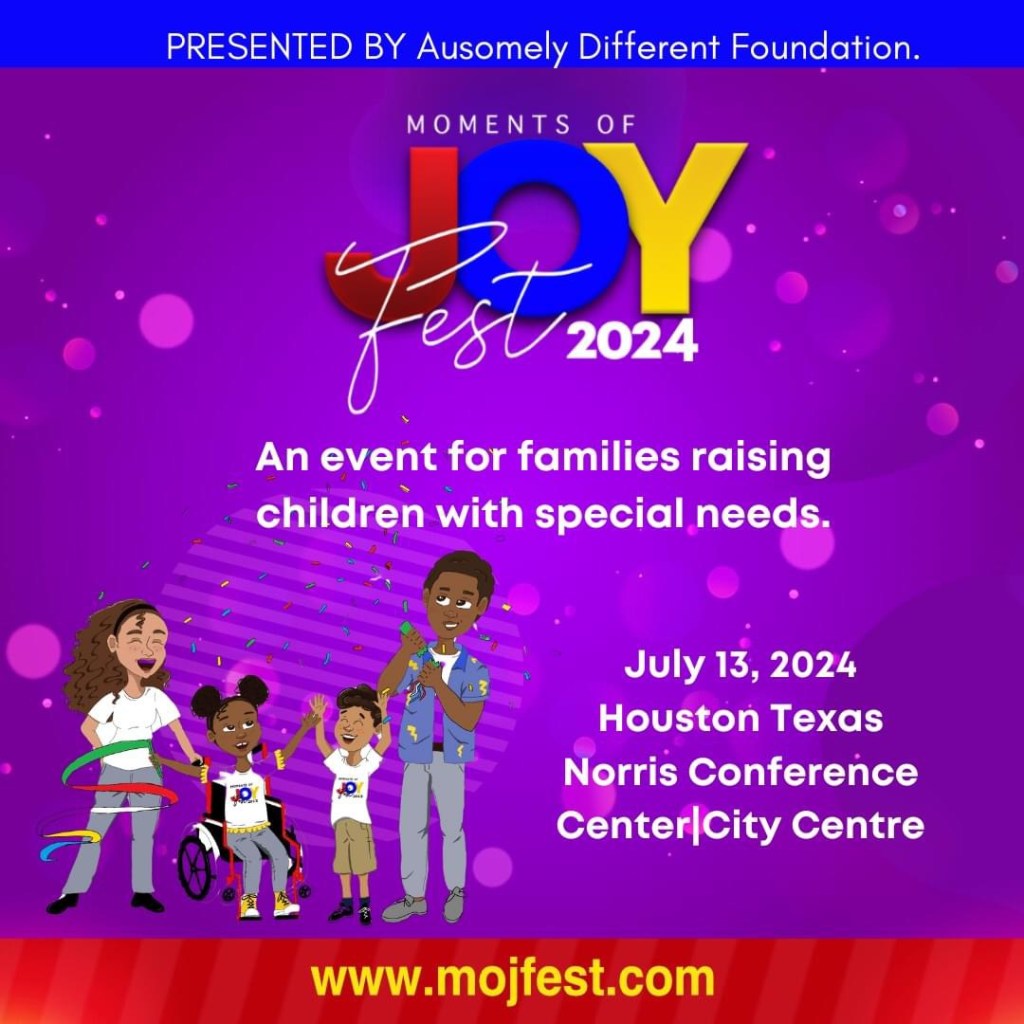
They do other amazing things, too. Too many for me to adequately describe here. I highly encourage you to check out their website for more information.
I write all of this, though, in a feeble attempt to communicate my profound gratitude and love for our parents.
I imagine it’s not easy for them to witness our life as an autistic family. I imagine they have always wished they could do more for Daphne, or wave a magic wand to ease things. But assisting Hope for Three is a powerful way they do support us, and so many others. I am so very, very grateful for their unfailing love and unabashed support through all these years.
We feel it even way up here, in the NEK of Vermont.
George, Cary, Julie, Scott, Tim, and Sally–thank you. We love you very much.
I’ve had a few reminders lately about the tenuousness of things, and they underscore how family (however one defines that term, for family isn’t always blood) and solid, loving relationships, are really the stuff of a good life. They’ve made me hold my husband and child a little tighter. They’ve helped me remain patient, too.
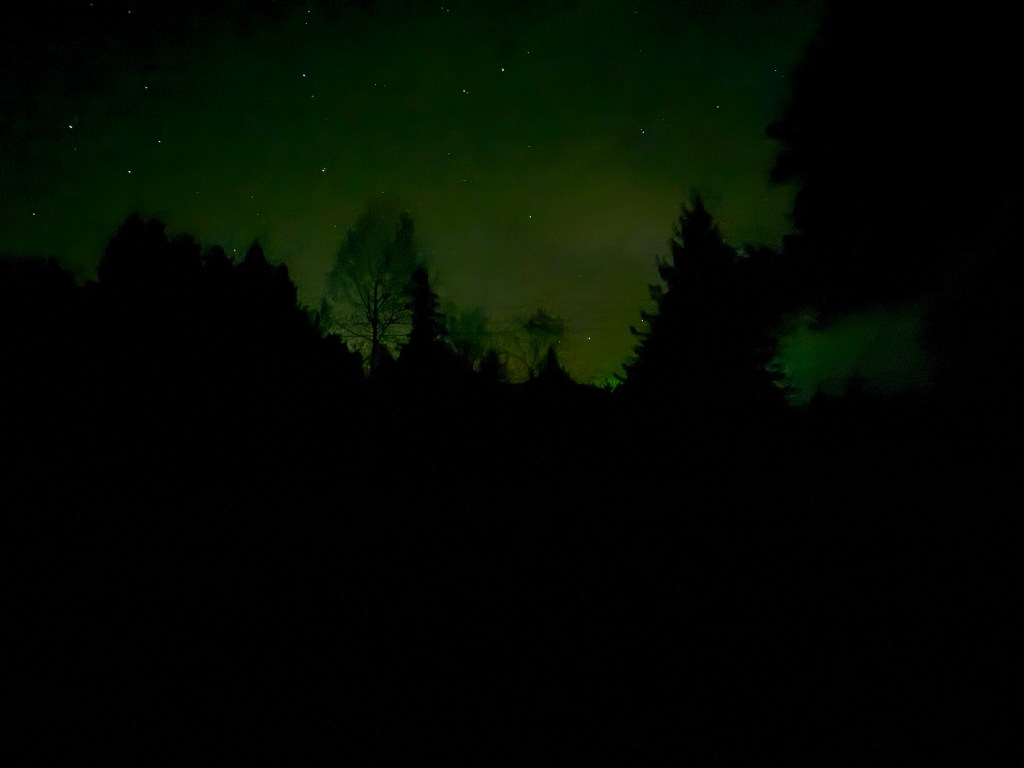
Reinforcing these reflections about the big things, we were able to see the northern lights this past week. Being the more adventurous night-owl, Jer went out late to look up over our hill at the sky. Had he been able to walk higher, or get in the car and drive a little farther up, he’d have had an even better view, but this was enough for now. It’s not a great idea to drive at night here, given how pitch-black the countryside is, and some of the roads around us are still washed out from the summer floods.
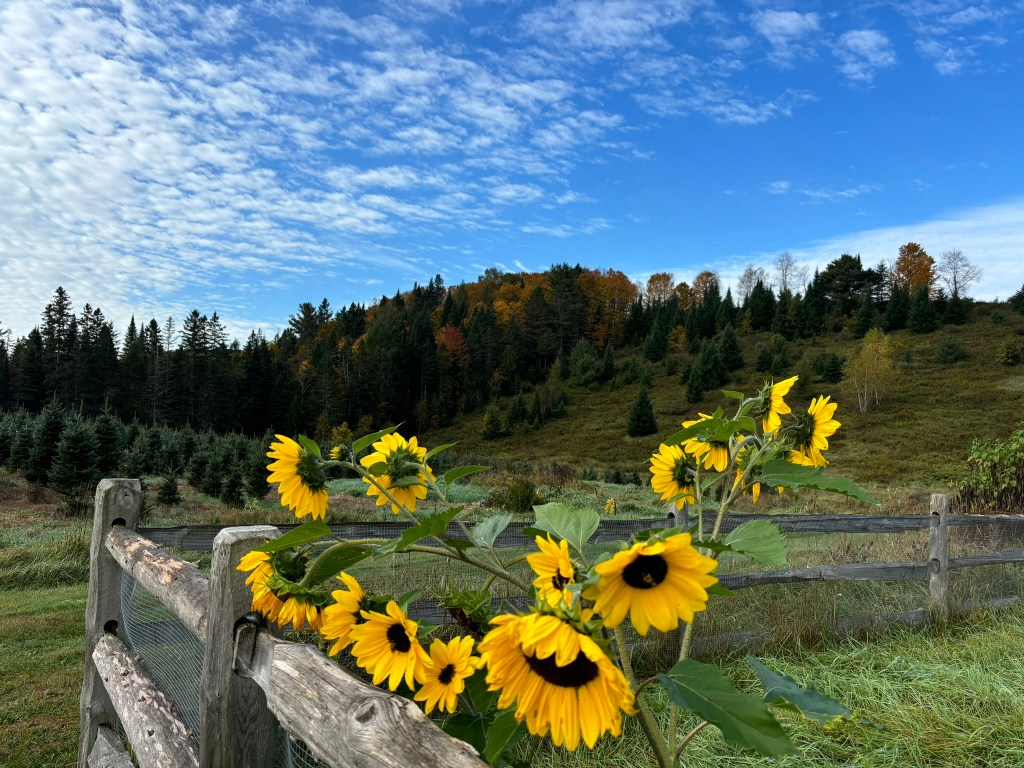
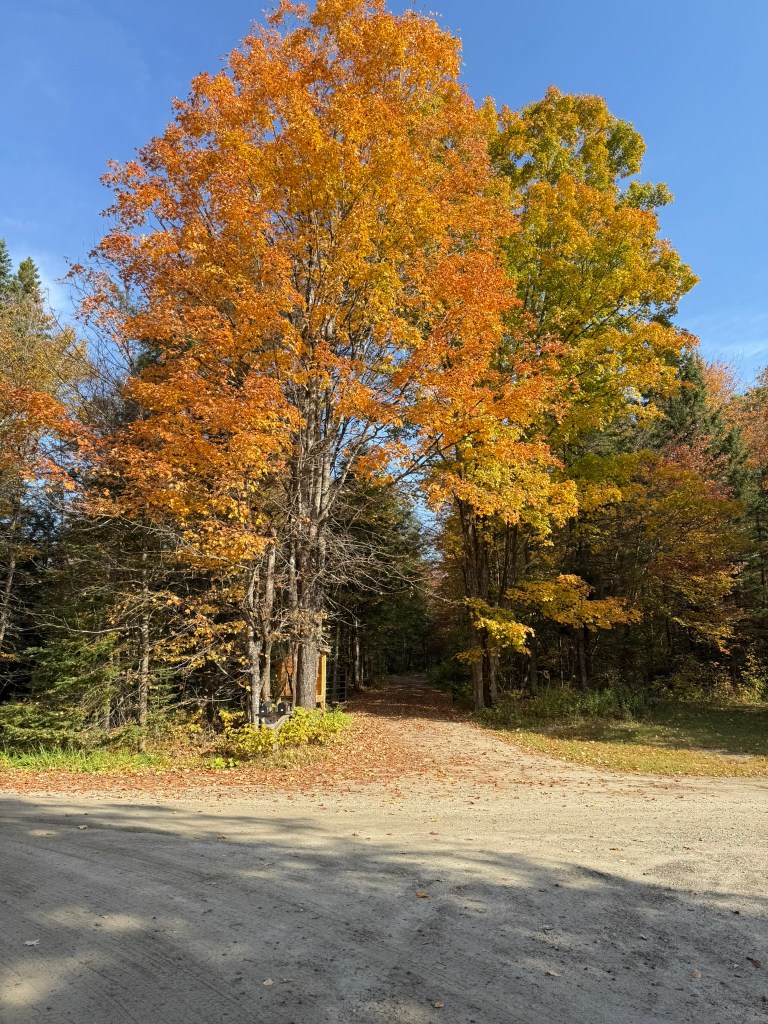
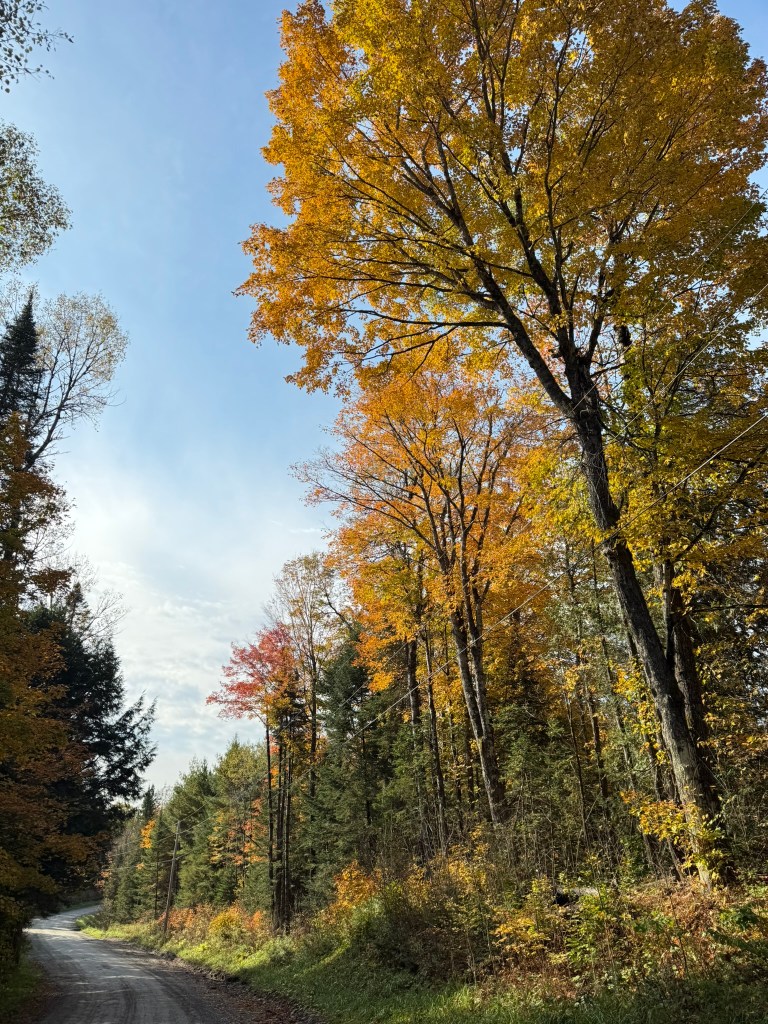
We’ve also enjoyed the peak in foliage. Again, a reminder that very little is permanent, and to appreciate all the good, beautiful things when we have them.
On a quick side note, I’ve started some research into the history of autism/developmental disorders in the United States, out of interest and a desire to write about autistic families in the past. Let me say, I am so very grateful that we live in the time we do, with the family and social support we’re now able to get. Just thirty years ago, autistic children were much more likely to be written off, seen as less than and given fewer opportunities for inclusion and way fewer support systems. Few organizations like Hope for Three existed.
Sadly, neurodiversity is a new term.
One hundred years ago, autistic people, among others, were often institutionalized, thanks to attitudes of inequality and a widespread belief in Eugenics. They and their families, especially their mothers, faced terrible stigmas. For a time mid-20th century, it was even believed a mother’s coldness and lack of affection made her child autistic. I cannot imagine how that must have felt. To already struggle and feel helpless, with zero understanding or support, and then be blamed for it, stigmatized. If mothers of autistics back then were perceived as cold and unfeeling, I image that was both a necessary stoicism on their part and a response to the coldness they received from society. A vicious cycle.
Again, I am grateful for our place in the here and now, and for a family that has only ever wanted to help, not blame.
If you’re on the eastern side of the United States, I hope you were able to see a bit of the northern lights, too. And what, right now, are you grateful for?
Talk to you next week. 🙂
XOXO,
Jenn
 Jennifer Shaw