Hi, friends. If you celebrate Easter, I hope you had a good one.
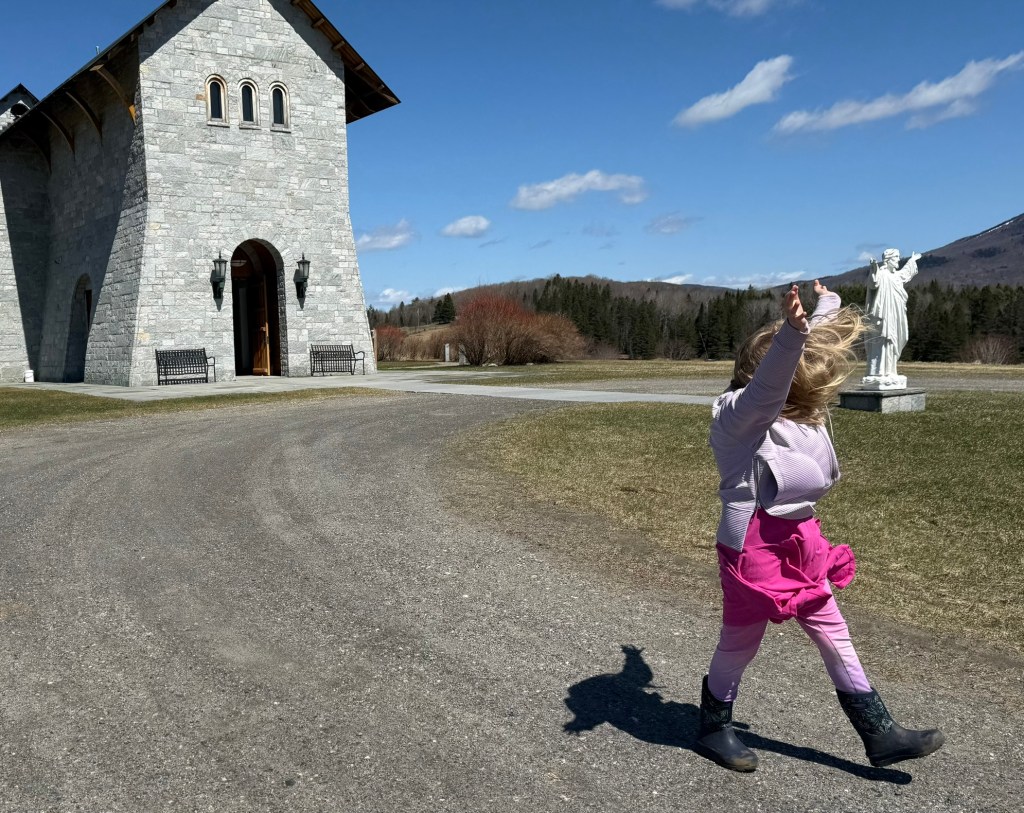
Ours was low-key but unexpectedly lovely. We had no family in town and decided not to try an actual church service on such a big day, so we got up leisurely, which was good for Jer since he’d been out late the night before at his monthly gaming group. I showered, put on some makeup–a rarity, nowadays– and donned my pearls because, why not? Then, over several cups of coffee, we enjoyed watching our autistic daughter, Daphne, play with her talking egg plushie and dragon fidget from the Easter Bunny. Around eleven, we all hopped in the car just to get out for a bit. The sky was blue, the sun was shining, and spring felt imminent–such a relief after the long winter here in northern Vermont. Being indoors all day felt like a crime.
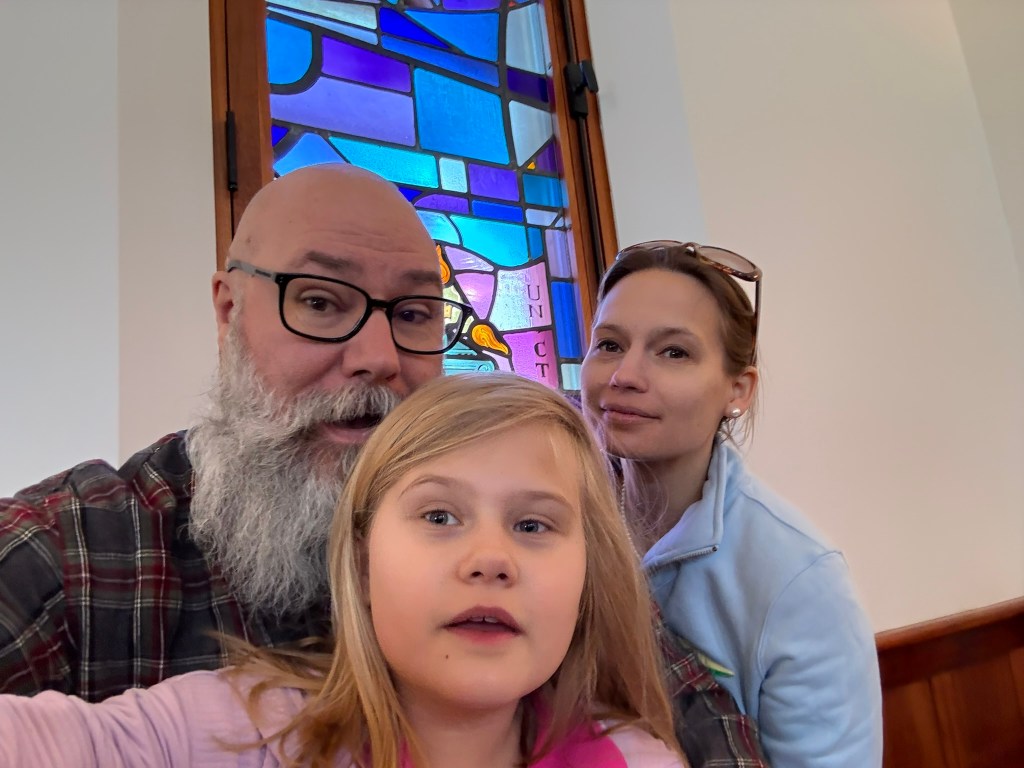
We eventually made our way up Darling Hill to a chapel that now belongs to an inn and caters mostly to weddings but also serves as a public sanctuary for anyone needing some quiet reflective time. A door was propped open with not a soul in sight, so we had the privacy to introduce Daph to the concept of church.
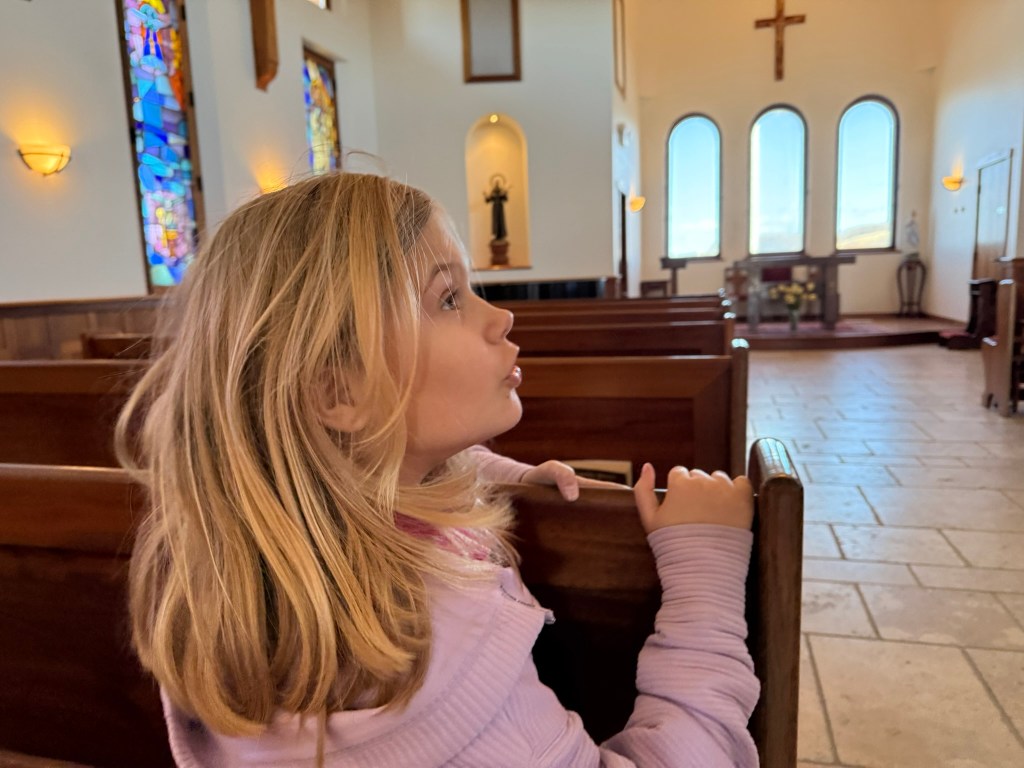
I sang one line from a favorite nursery rhyme of hers, Mulberry Bush: “This is the way we pray at church…,” and she liked that connection. I also took a few moments to gaze on the statue of the crucifixion above the altar (this being a Catholic chapel) and reflect on the immense powers of sacrifice, grace, renewal, and the meanings of true love.
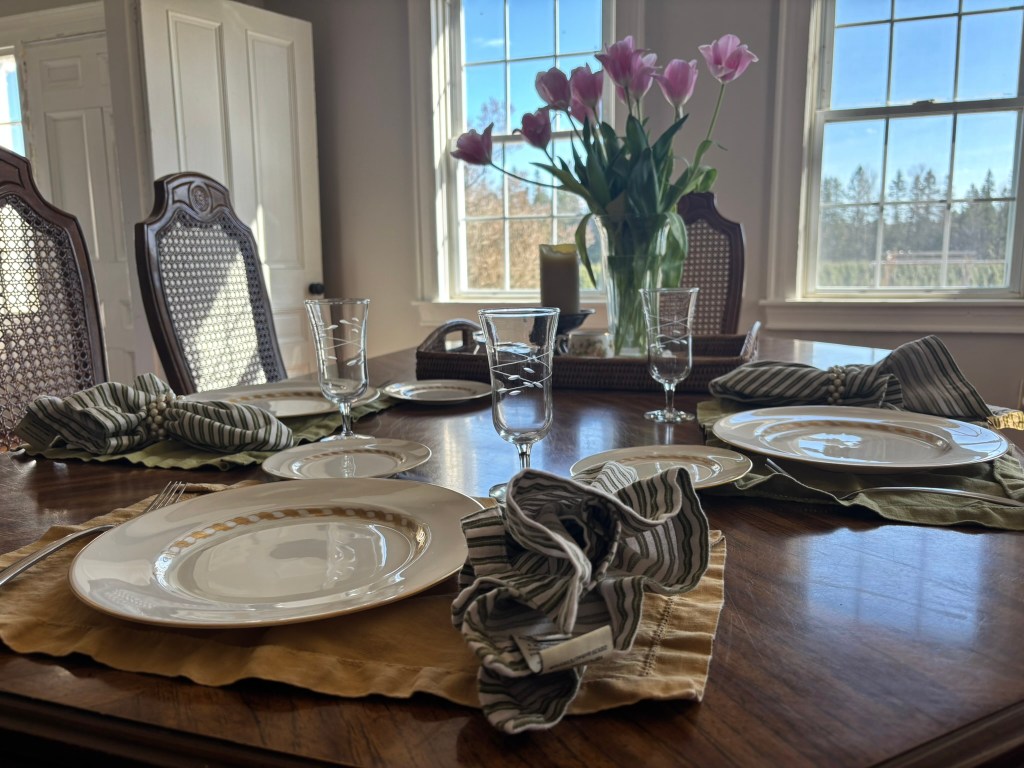
Back home, I set a semi-formal table–again, why not?–and cooked our Easter brunch. We enjoyed scrambled eggs from our own coop, plus bacon, fruit, veggies, pasta salad, cheese, and cupcakes. Then we wrapped up the day with some swinging outside and a quiet evening at home. I’d thought about motoring Daphne through an egg hunt, but she seemed happier just playing with the plastic eggs on the couch.
That’s the thing with our special needs family–we roll with what’s feeling good, particularly for Daphne. Often that means our holidays don’t look the way they usually do in other homes. Christmas Day, for example, means we open presents slowly from morning into evening with several breaks in between so Daph doesn’t get overwhelmed. Trick-or-treating on Halloween means we go to one local Trunk-or-Treat and let her get some candy for as long as she’s feeling the spirit, which is usually about 15-20 mins. Thanksgiving means she’s still only eating her familiar foods, and often with a phone or her talker playing soft music at the table. None of it is “proper” or usual, but it works for us, and my daughter enjoys her holidays as much as any child does.
I learned long ago that our lives will always look a little different, and that’s okay. It was a truth that became easy to accept because we’re all generally happy.
Joy needs no particular template.
On that note, let me wish you all a happy Autism Acceptance Month one final time.
On another related note, this week (April 20-26) is Disability Book Week. One of my current favorite authors, Mary Mecham, founded this week as a time to understand and celebrate different abilities among us using the power of story, which is brilliant given how well fiction can teach us empathy.
Among her many books, she has five published YA fairy tale retellings, all clean and sweet, that include disability representation. I’m currently loving one of them: Poisoned: Snow White’s Story.
In it, Snow White befriends seven brothers, one of whom has an intellectual disability (like Mecham’s own two daughters) and one of whom is his caretaker.
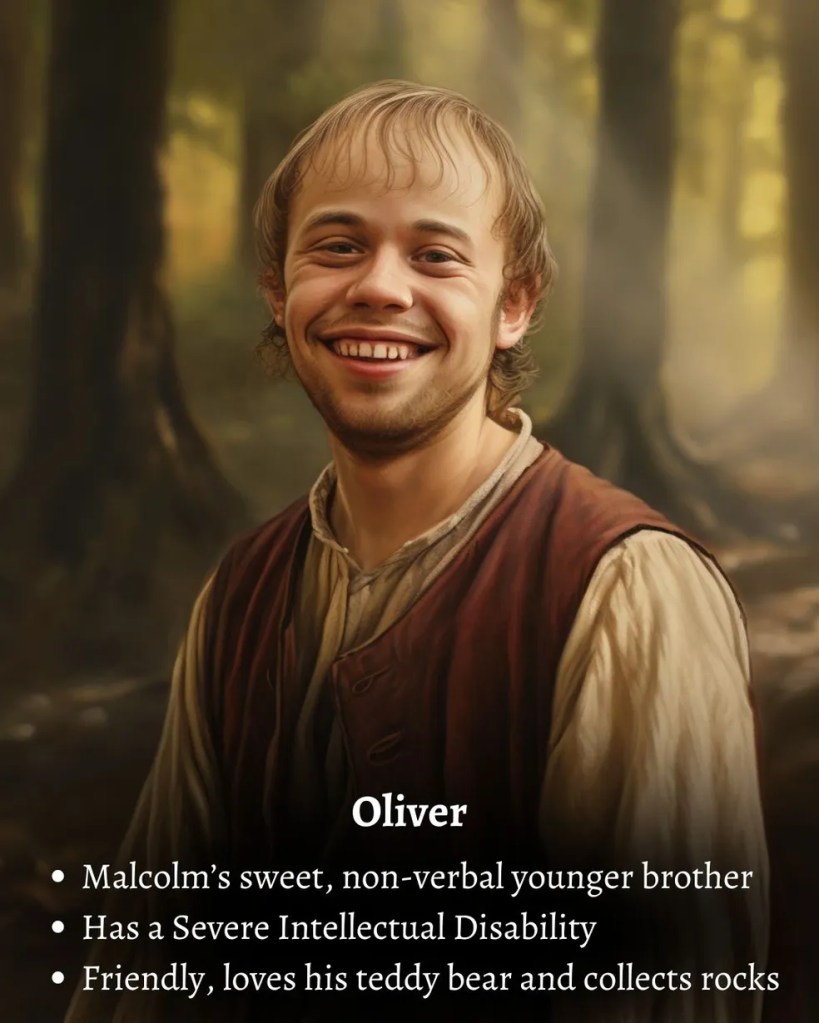
Through her interactions and relationships with Oliver and Malcolm, Snow learns how to bond with someone who is understandably a little off-putting at first but possesses a powerful ability to love and find joy in life. Oliver loves Snow for exactly who she is, and he brings her comfort as her own life turns uncertain and disorienting. Malcolm, Oliver’s devoted brother and caretaker and the novel’s surly love interest, comes to adore Snow too. I’m about 40% through, and right now the thoughtful development of their relationship is one of my favorite things about this story.

My other is how honest Mecham is about the realities of disability, including the many challenges for both the disabled person and their caretaker(s). Oliver has few friends and sometimes struggles to understand socially-acceptable behavior, but his joy and unconditional love show Snow the beauty of his humanity and life in general. Malcolm suffers from burnout and an often cynical, distrustful attitude, but his realistic characterization helps me feel seen as a family member/caretaker of a disabled person myself.
I also appreciate the novel’s point of view. Telling this story through Snow’s eyes is a fantastic way for readers to learn how to approach and befriend people who are radically different, and it does so without being preachy or judgmental or romanticizing disability in any unfair way. I so appreciate Mecham’s work given my daughter’s autism. Helping others understand and accept disabilities of all kinds is especially important right now, given the political climate.
Participating in Disability Book Week is easy–all you need to do is enjoy a book that includes disability representation in some way. Here are Mecham’s five:
Poisoned: Intellectual Disability
Becoming Hook: Limb Difference *Btw, I loved this book when I read it last year! It got me “hooked” on Mecham’s style. She writes swoon so well!
A Curse of Gold and Beauty: Rheumatoid Arthritis
Scarlett and the Dark Woods: Blindness
Hunting Sirens: Deaf rep
Thank you, Mary! 🙂
Here are some others, too:
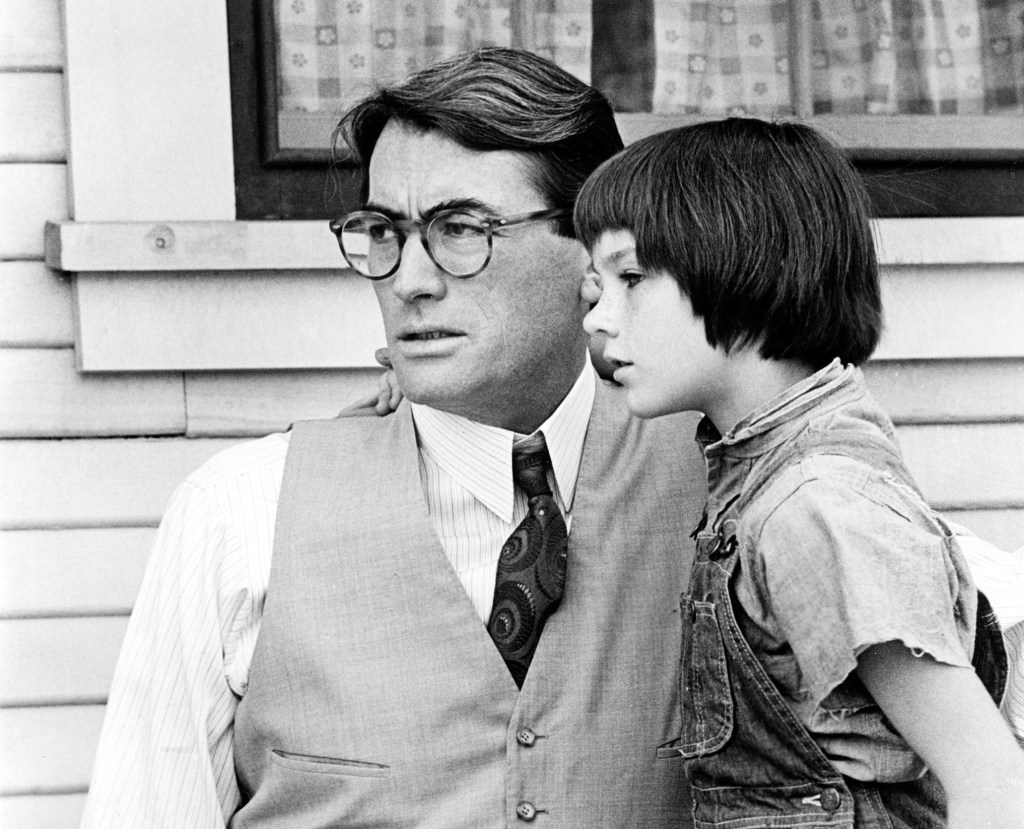
To Kill a Mockingbird by Harper Lee: An amazing classic, and I think a lot of people don’t realize the character Boo Radley likely has a disability, probably what we would now diagnose as autism. As Atticus Finch tells Scout, we don’t know what others’ lives are like until “we’ve walked a mile in someone else’s shoes.” A powerful lesson in empathy, and worth every rereading.
All the Light We Cannot See by Anthony Doerr: a powerful, poignant novel of historical fiction in which a main character, Marie-Laure, is blind and not only adapts, but thrives and later heroically survives the German occupation of her town. Her Uncle Etienne also suffers from Post-Traumatic Stress Disorder but overcomes his trauma from the first world war to act bravely and conscientiously alongside his great-niece for the local resistance movement.
The Reason I Jump by Naoki Higashida: The memoir of a nonspeaking autistic person. I found it hopeful and moving, despite the book’s controversy as a potentially unreliable source.
Here is a link to more titles that are especially great for young readers.
Enjoy!
I wish I’d been able to get this post up earlier this week, but you know how life happens.

I’ll be back next week with a brief writing update and a few more reflections on books I’ve loved.
Happy reading! Thank you for being willing to put yourself in someone else’s shoes.
XOXO,
Jenn
 Jennifer Shaw