Now that everything is blooming, I have fairies on my mind.
And I did, indeed, compose my own little fairy tale last week. I thought it would be fun to share it here, but I ended up far happier with my story than I expected, so I pivoted and now I’m doing something different with it.
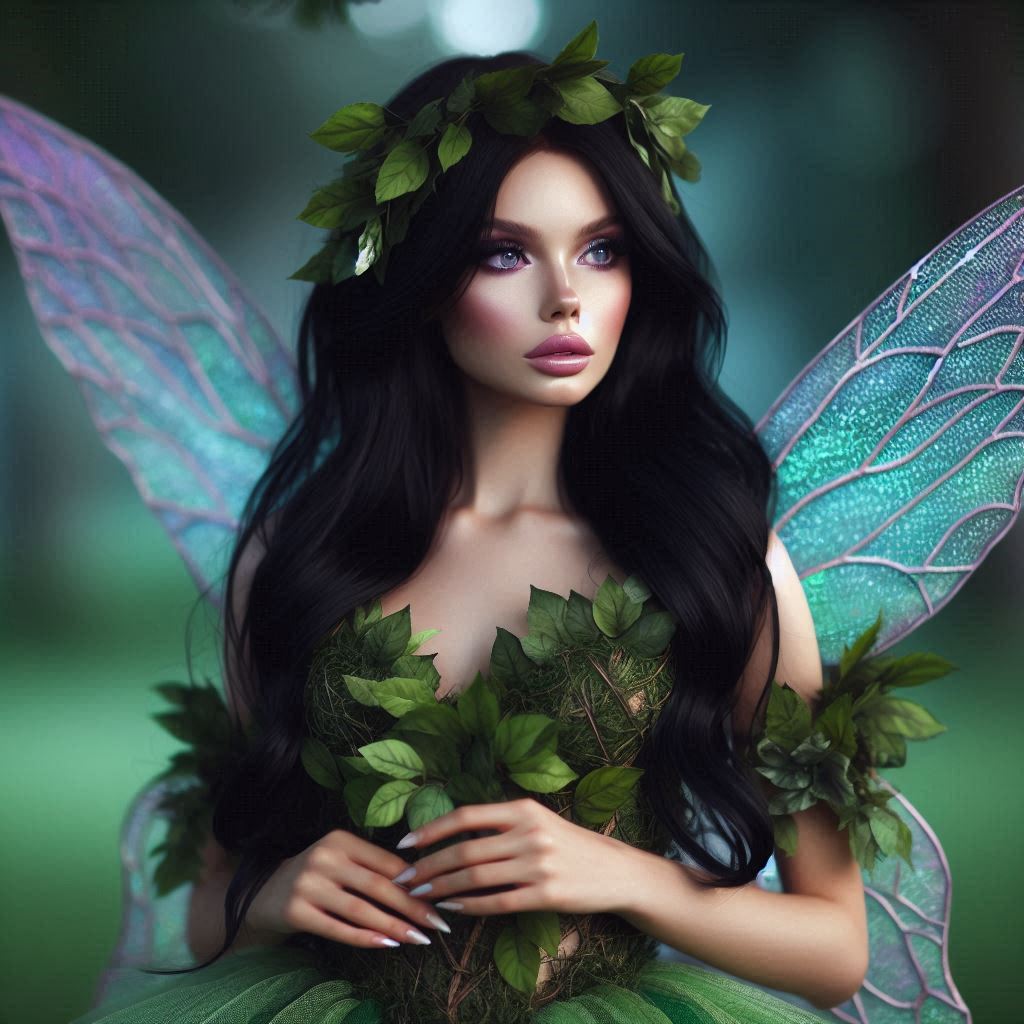
Sadly, that means I can’t post it here, at least not right now. But, if these new plans fall through, I will absolutely publish “Elspeth and the Fairy” here on WordPress as soon as possible.
What I can share is a little synopsis:
The younger daughter of a Celtic Scottish lord, Lady Elspeth has a brave and sympathetic nature. When her kingdom loses their monarch, King Ian, and the heir presumptive, Lord Alistair, falls victim to a wicked enchantment, Elspeth takes it upon herself to enter the realm of the fairies.
There, she encounters Lady Rowan, a fae guardian of early spring. Despite the antagonism between their species, Rowan agrees to help Elspeth by healing the afflicted Alistair, with whom Elspeth has fallen in love.
But, the fairy’s aid comes at a price.
What Elspeth doesn’t realize–that price might ultimately include her own virtuous soul.
Unlike my spicy monster short (which I hope to write more about soon), I produced this fairy tale quickly. I began drafting on Monday of last week and finished on Friday. On Saturday, I cut 600 words and made a few minor adjustments, with motifs and theme in mind. Then, I shared it with my go-to alpha reader, who responded enthusiastically. Finally, I made a few additional line edits, and that was it.
It’s rare for me to “finish” something so quickly. I write that in quotes because it’s not really finished, of course. Hopefully, it will go through a round of developmental edits followed by line edits. But, I was “finished” as far as producing what I could effectively by myself. The story felt structurally, thematically, and stylistically sound, so it was time to give it to the submission gods.
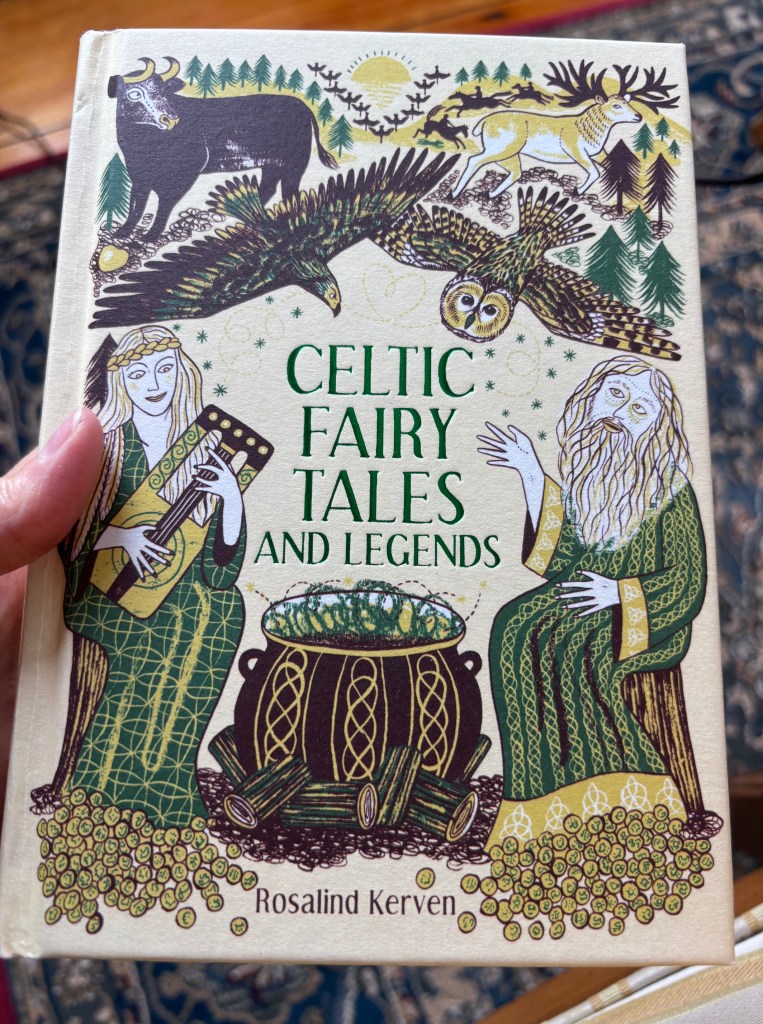
I’m attributing this speed to the fact that I’d just consumed a collection of old Celtic stories, so the genre and messages–already familiar–were fresh in my mind.
Fairy tales employ third person POV with a fair amount of psychic distance. They involve magic, of course, often wielded by witches, wizards, and fairies. Humans are the main characters. Wicked men and women are punished but, if they learn their lessons, forgiven and even rewarded too. Virtuous humans who stick to their moral guns are almost always rewarded, their sacrifices honored with the granting of their hearts’ desires. All of this provided my story’s framework.
What made writing this tale so fun was weaving together little inspirations taken from my favorite selections in Rosalind Kerven’s collection. I didn’t even realize I was doing it, but when I leafed back through those stories, I realized I’d borrowed some of my favorite features from “Kate Crackernuts” (human with a goat’s head), “The Bogle of the Murky Well” (fairy abduction), “The Black Bull of Norroway” (frightening beast that’s actually gentle), and “The Daughter of King Under-Wave” (a difficult bargain). I made them my own and synthesized them into a fresh, surprisingly cohesive story that began to write itself halfway through (always a good sign).
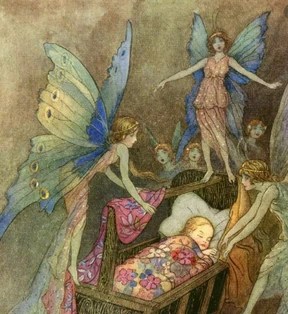
Interestingly, these inspiring old tales all come from Scotland as opposed to Ireland or Wales, which Kerven’s book also includes. In her notes for these Highland pieces, Kerven writes that Scotland’s stories often feature “strong, determined female heroes” and fairy folk with “bizarre, malicious nature[s]” (unlike the kinder fairies who show grace in the Welsh stories). In the Scottish tales especially, fairies “who abduct both adult and infant mortals are common.” This information factored into my plot and characters too, and I finally recognized all the Scottish influences. Hence, my story’s subtitle: “A new tale inspired by old Scottish stories.”
Finally, I included both Christian and pagan elements, just like the oldest stories from the British canon, such as Beowulf, often do.

In “Elspeth and the Fairy,” for example, the king is a pious man who’s left on a religious quest–a crusade, really– to bring more souls into the fold of his righteous kingdom. The pagan elements are heavier, however. Elspeth’s sister, Fiona, cries out to the goddess Morrigan at one point, and the sun god Lugh is mentioned. Of course, the fae folk–about as pagan as things come– play an integral role.
When the first draft was done, I realized I didn’t have a title for it. I considered “True Spring” or “To Disturb a Daffodil,” but neither were in the titular spirit of the old legends, which often include the protagonist’s name plus another character/element from the tale: “King Cormac and the Golden Apples,” for instance, or “The Sorceress and the Poet” or “Molly Whuppy and the Giant” or even “Sir Gawain and the Green Knight.” So, I settled on “Elspeth and the Fairy,” and that felt right.
But I think writing this story was ultimately so satisfying because, fairy tales are about how the world should be. Good conquers evil; right always wins; night always gives way to day. More specific to mine, spring (rebirth) always follows winter (death). Fairy stories are comforting and simple in that they reaffirm our traditional values and are premised on hope. Happily ever after is a requirement of the genre.
Right now, I want things to feel simple, and I want to be optimistic. I think a lot of us do.
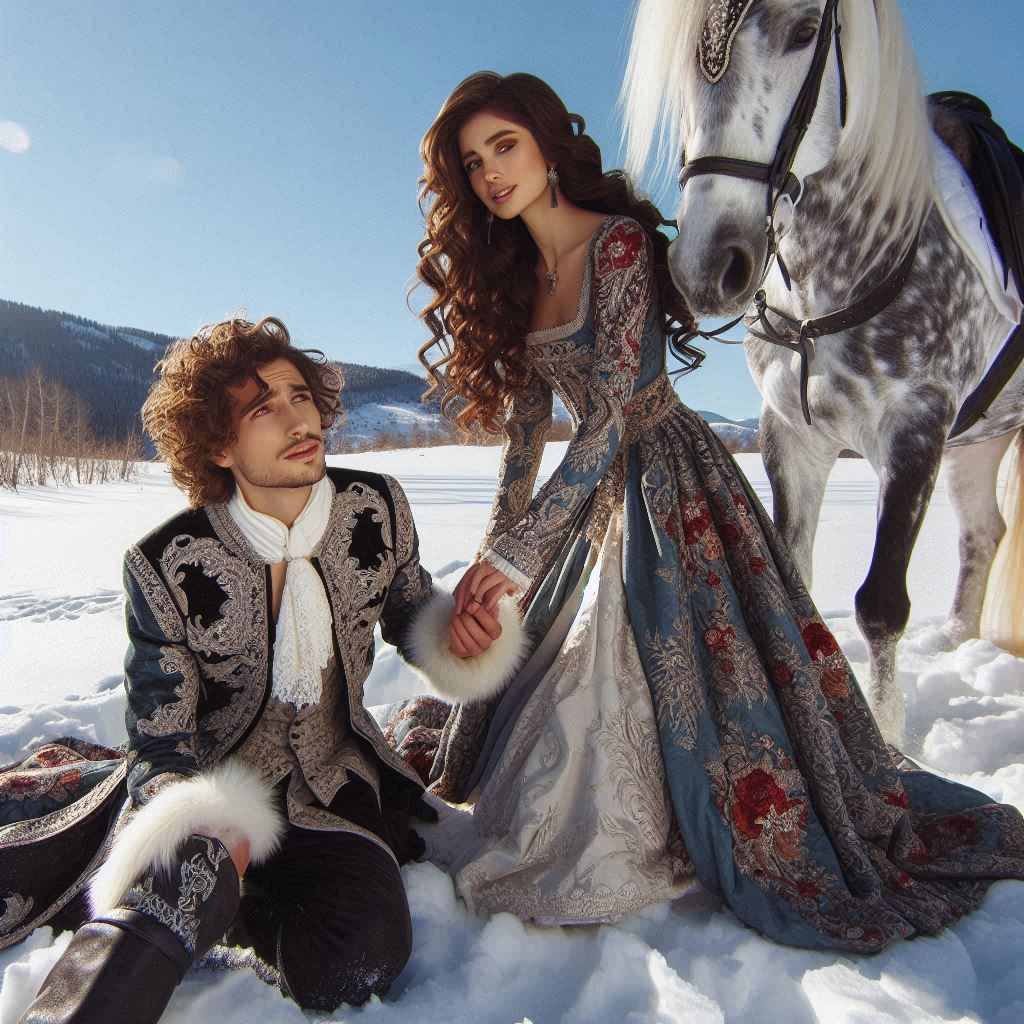
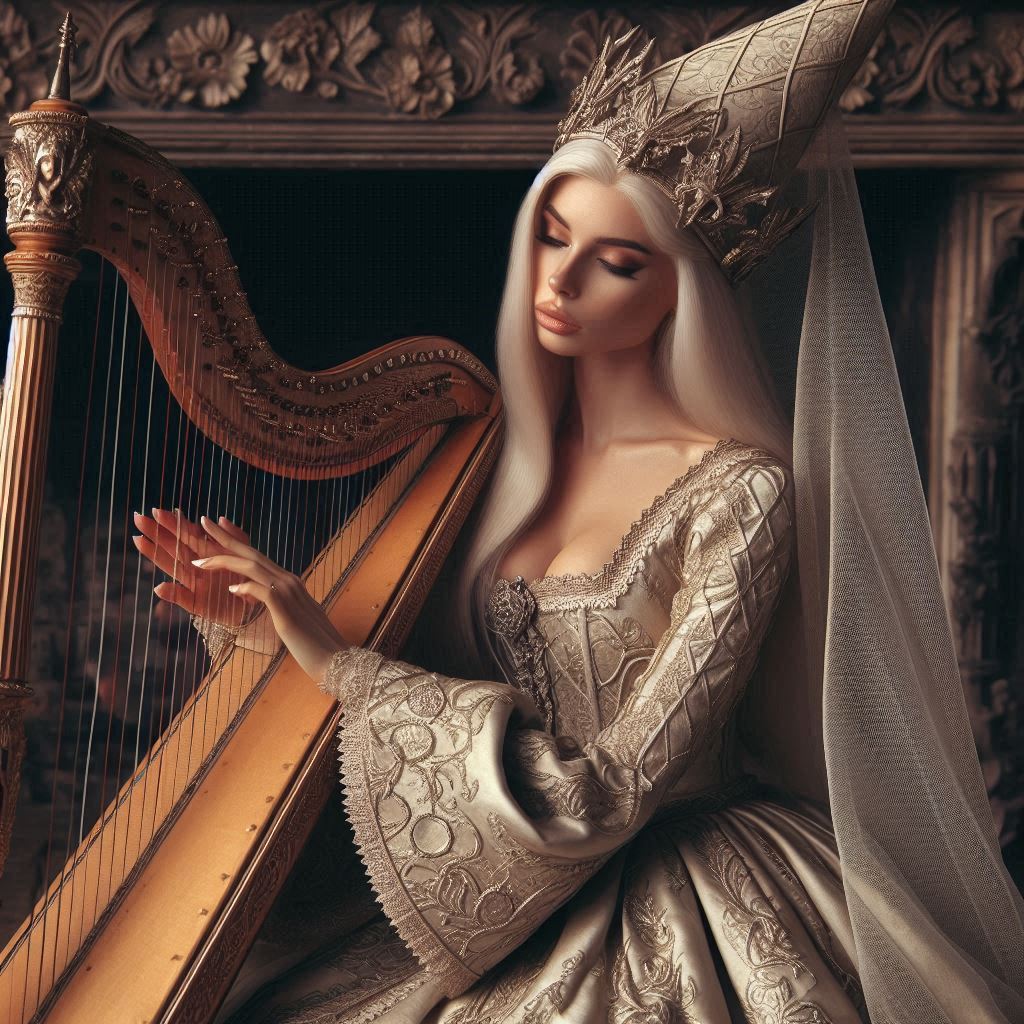
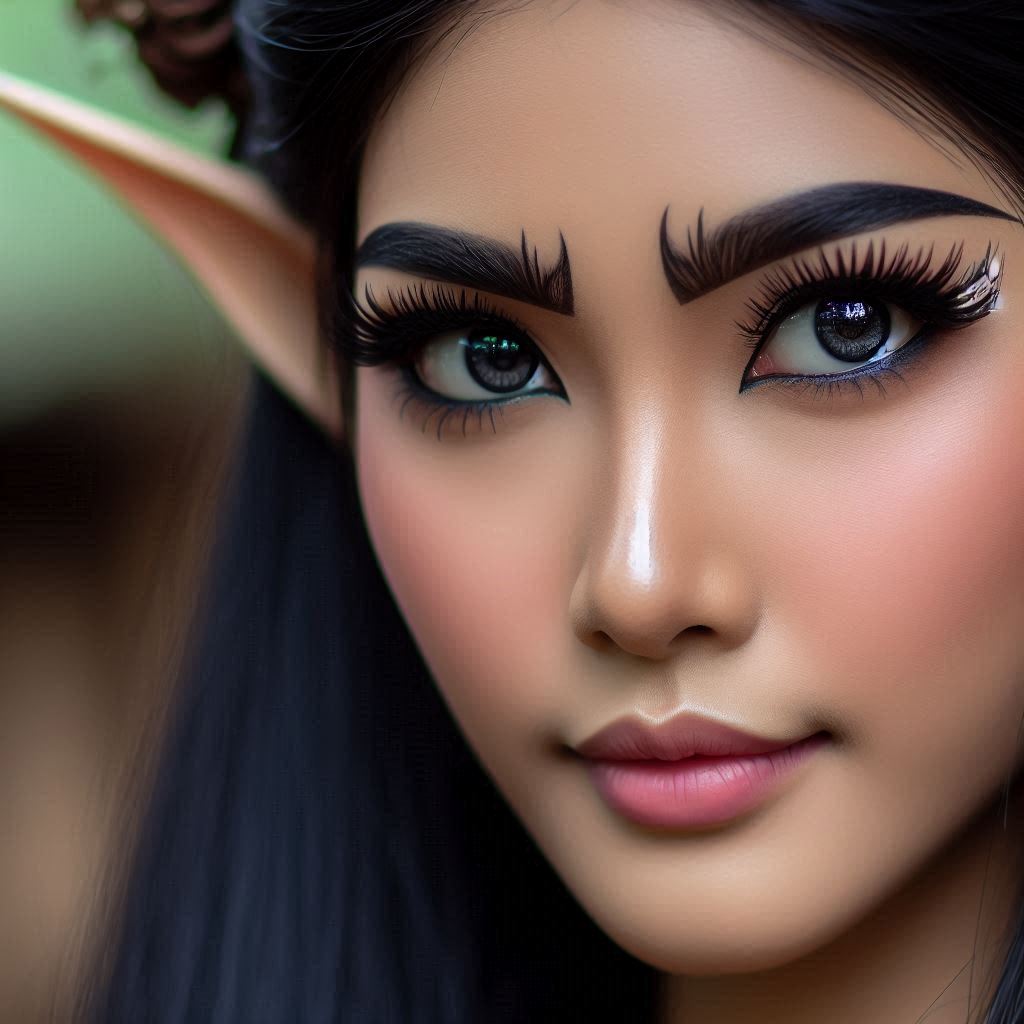
On a lighter note, while drafting, I indulged in a little fun AI imagery. Some of it was great–the best I can’t share because it would give away the story’s end. Sigh. Maybe one day.
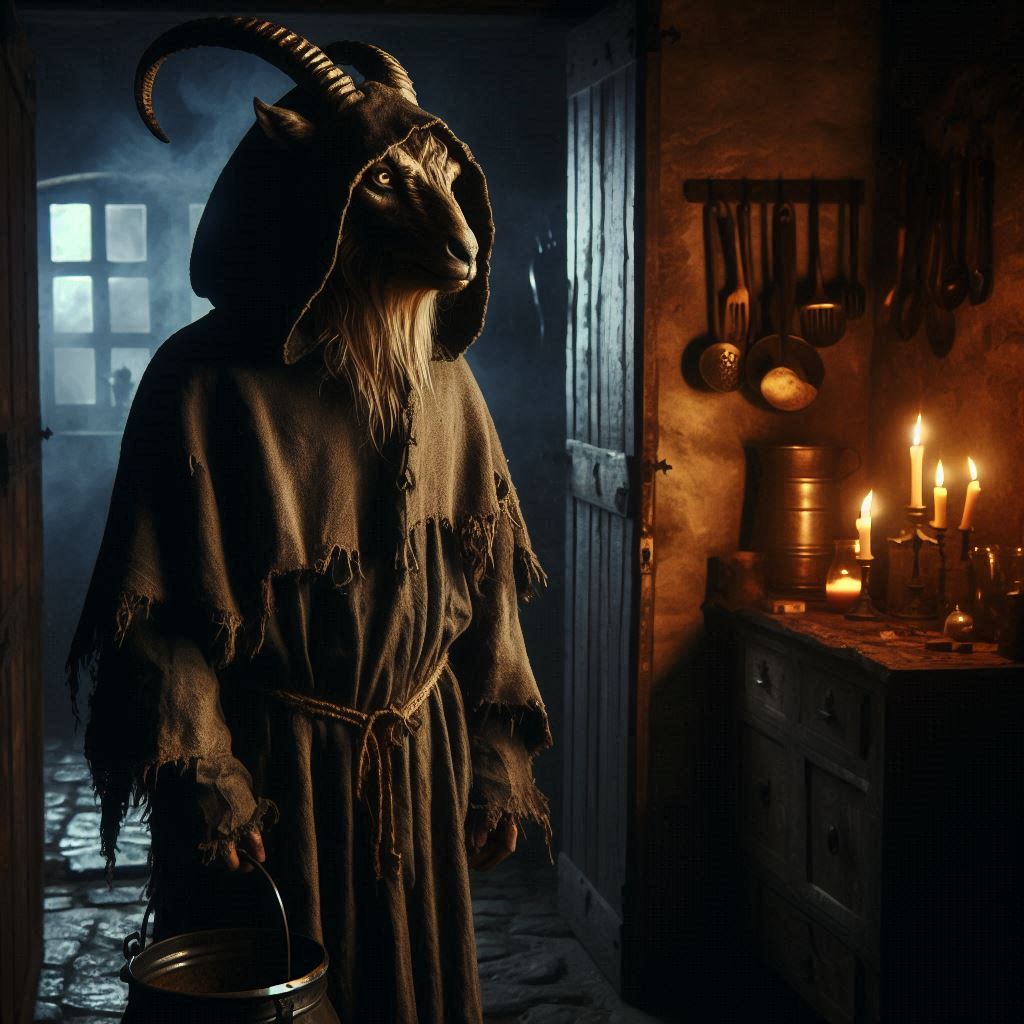
Some of it was laughably awful, though, so I’ll share those below, in the spirit of anti-AI fun.
Please keep your fingers crossed for this sweet, clean little piece. Hopefully, it will find a publication home. I should know one way or another by mid June.
Do you have a favorite fairy tale? Or, what do you enjoy most about this genre?
Thank you for reading, as always. And thank you for tolerating my treatment of this space like a public diary.
See you next week!
XOXO,
Jenn
 Jennifer Shaw