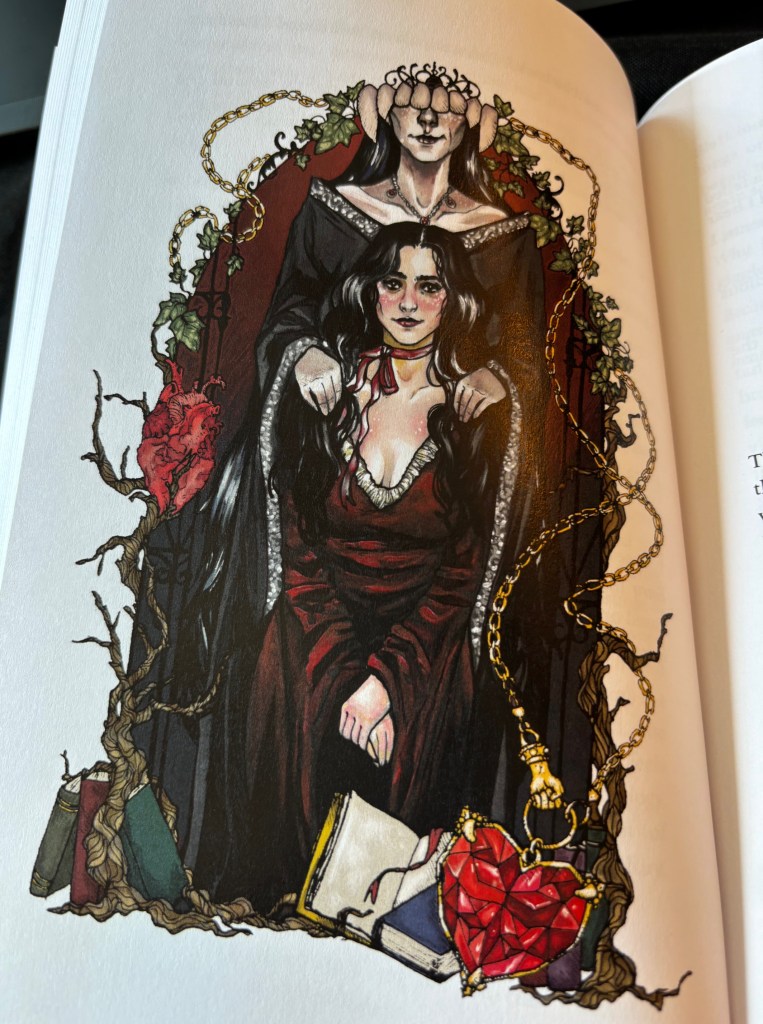
“Winter should be a period of rest,” says Aunt Louise (formerly Aunt Caille) in my latest short story, “So Many Fragile Things.”
I agree, Louise. What a coincidence.
Remember what winter break meant when we were kids, though? For me, it meant the longest holiday on the school calendar, the one involving gifts and Houston Ballet’s The Nutcracker and eating Grandma’s press cookies and seeing cousins I adored who I otherwise never saw.
In college, with nearly a month off between semesters, it meant nights out midweek drinking and socializing. We’d get hammered on dollar margaritas at Jose’s on a Monday, then dance until midnight at The Jolly Fox on a Tuesday or Wednesday before heading way the hell out to Bell’s Camp because that place was open until 2 am. The occasional drunken holiday hookup naturally ensued, of course.

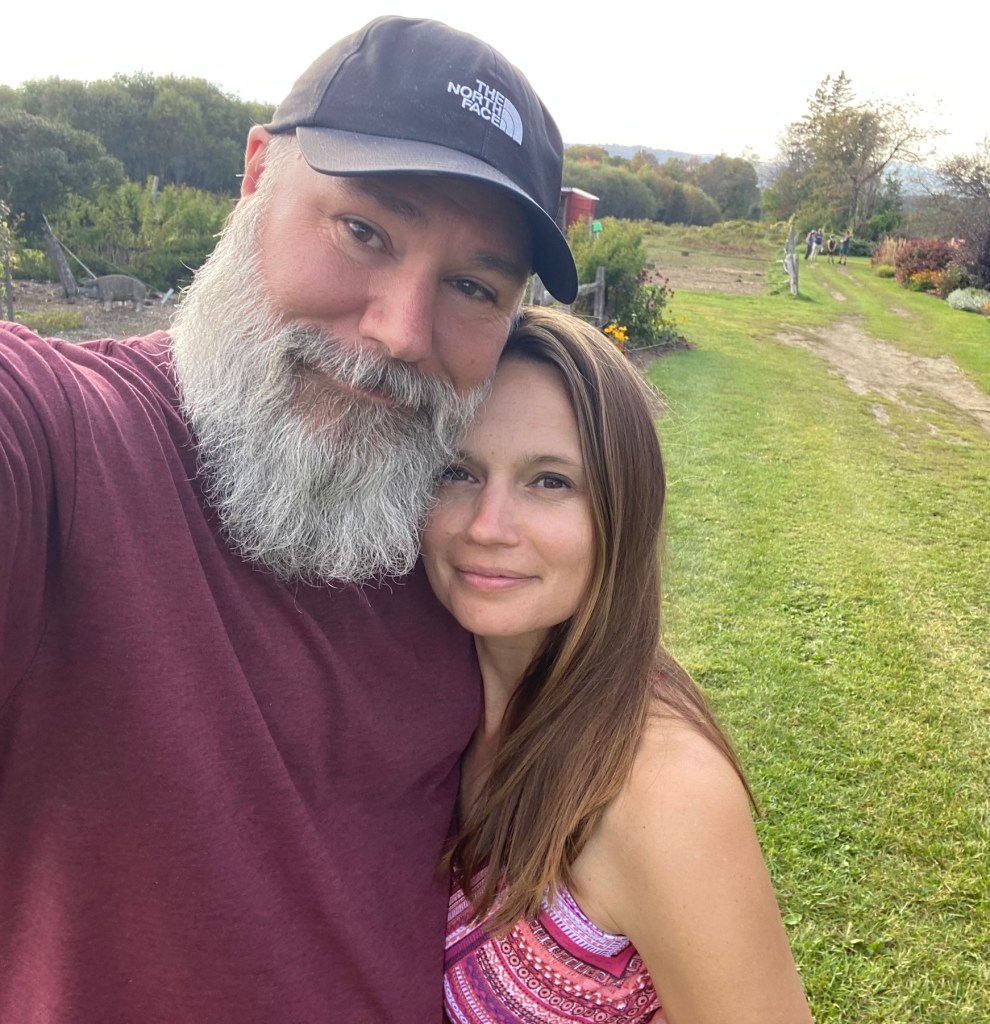
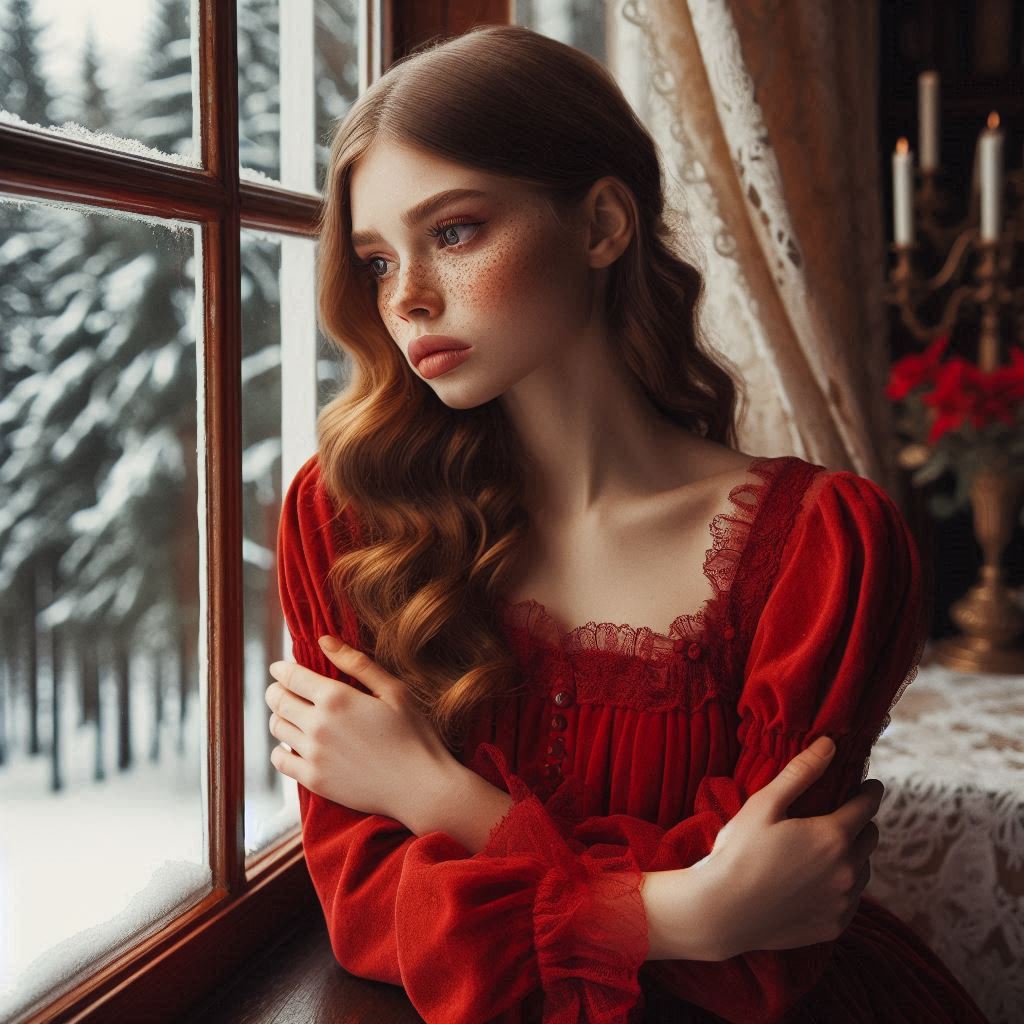
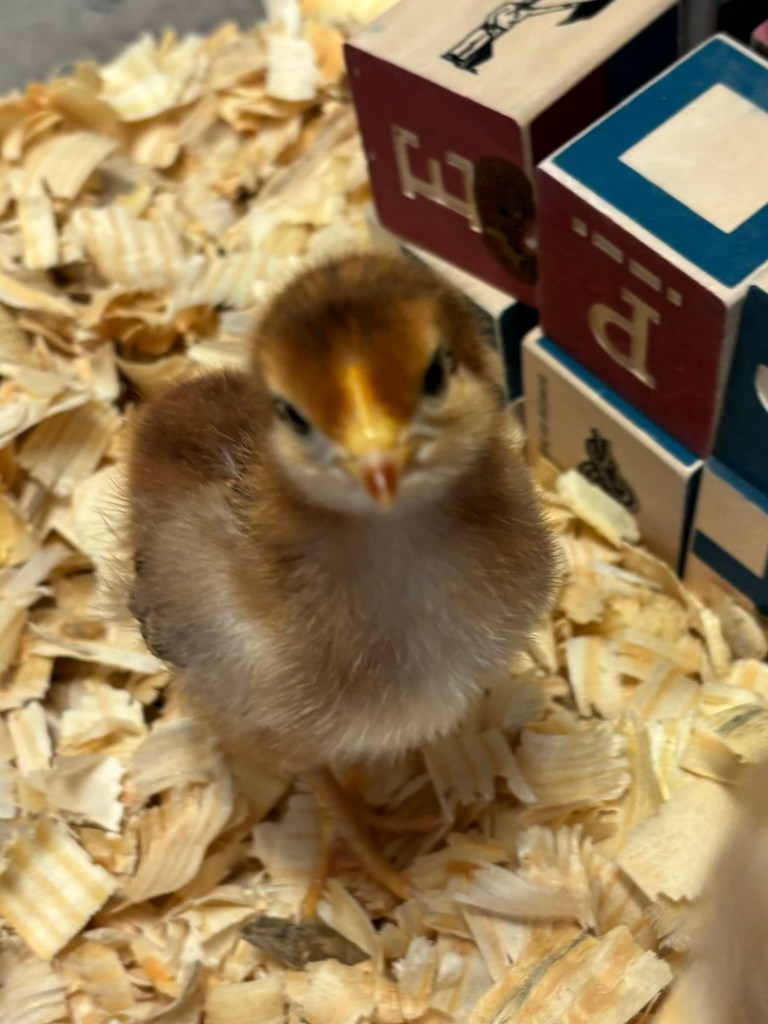
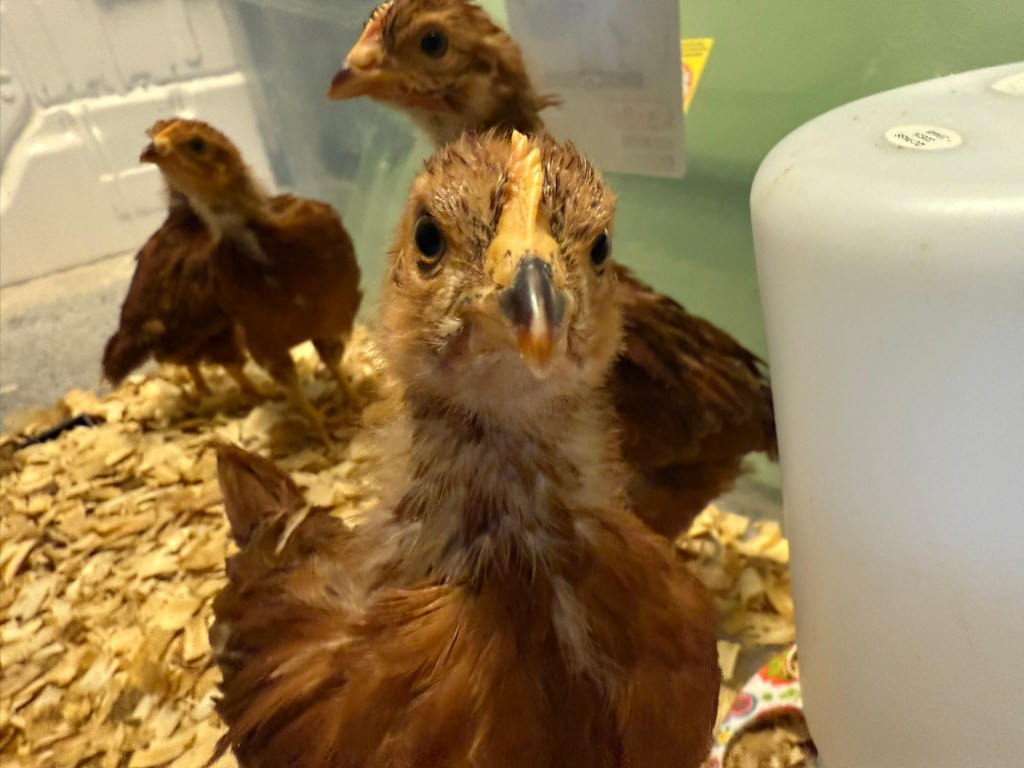
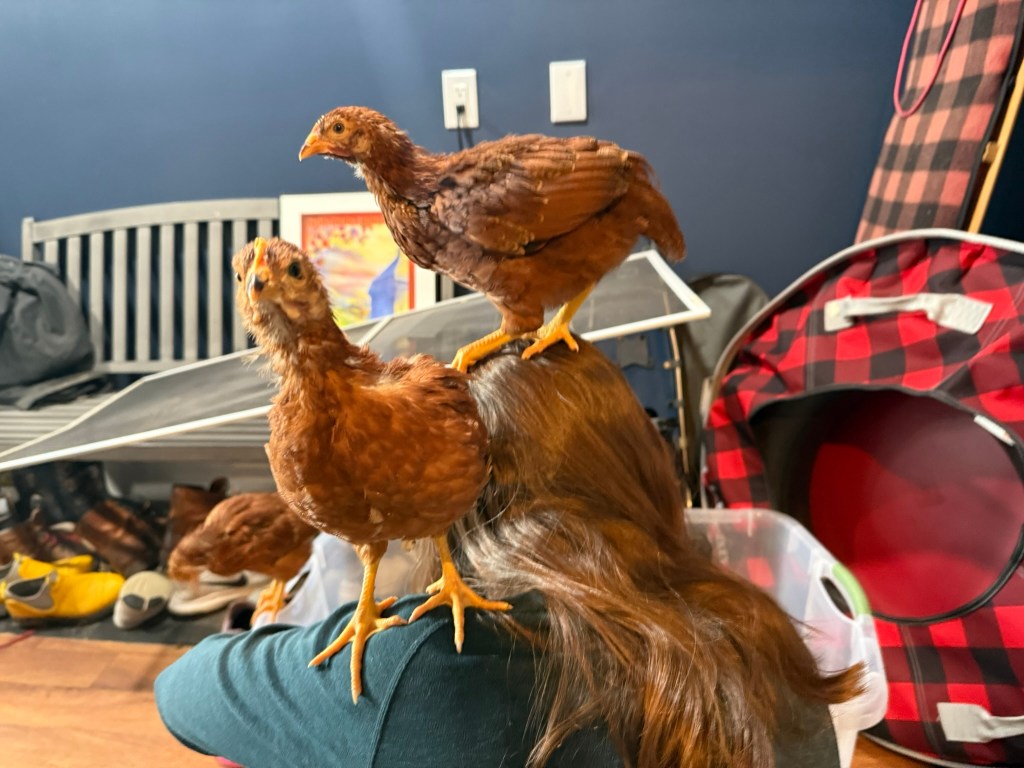
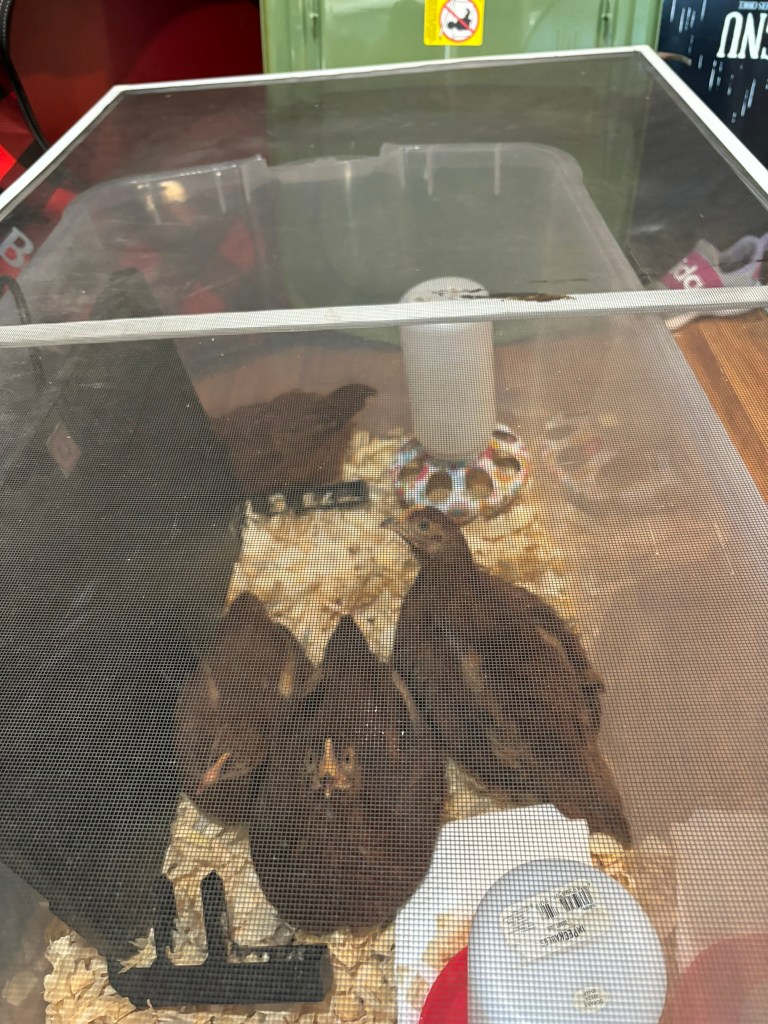
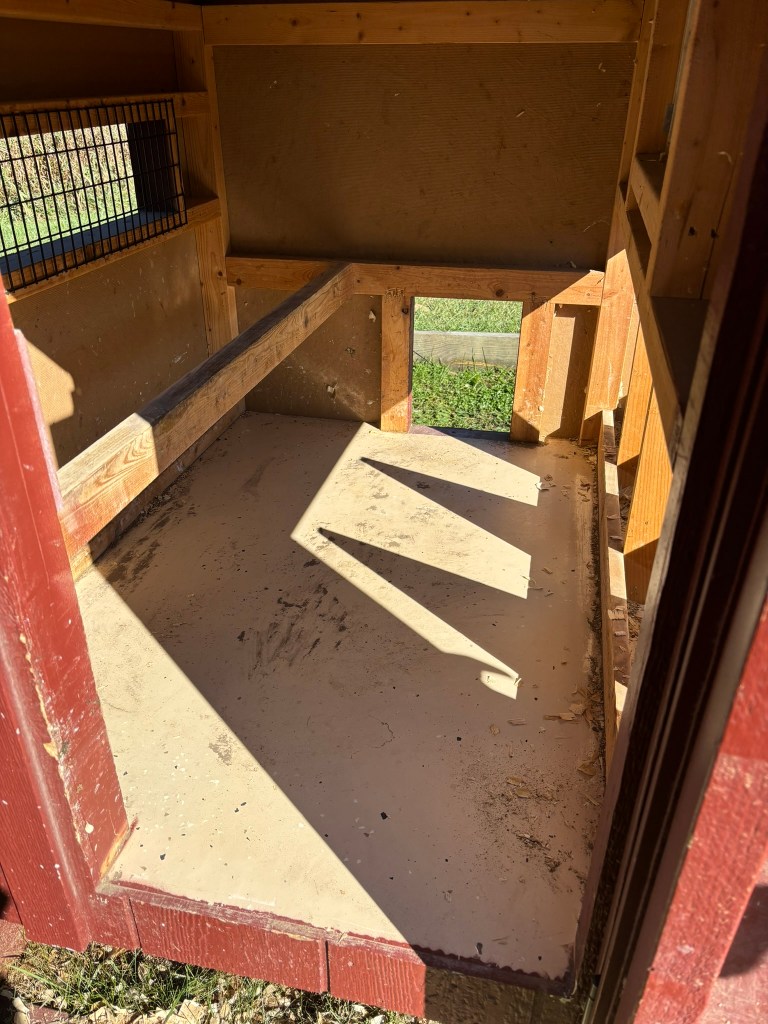
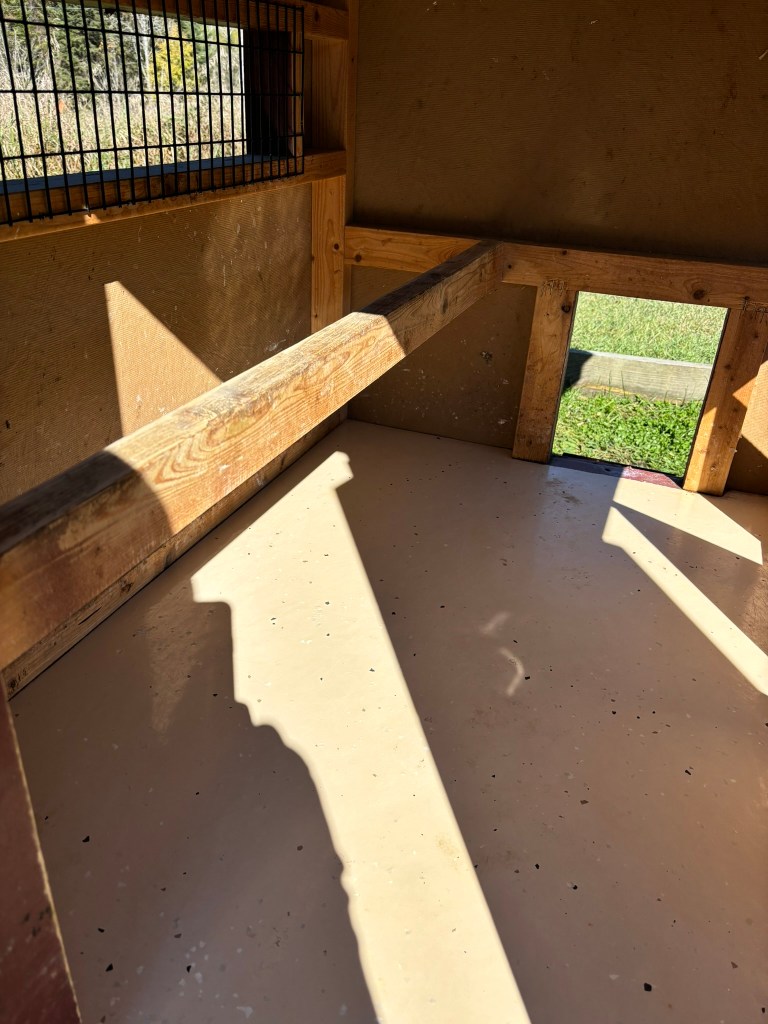
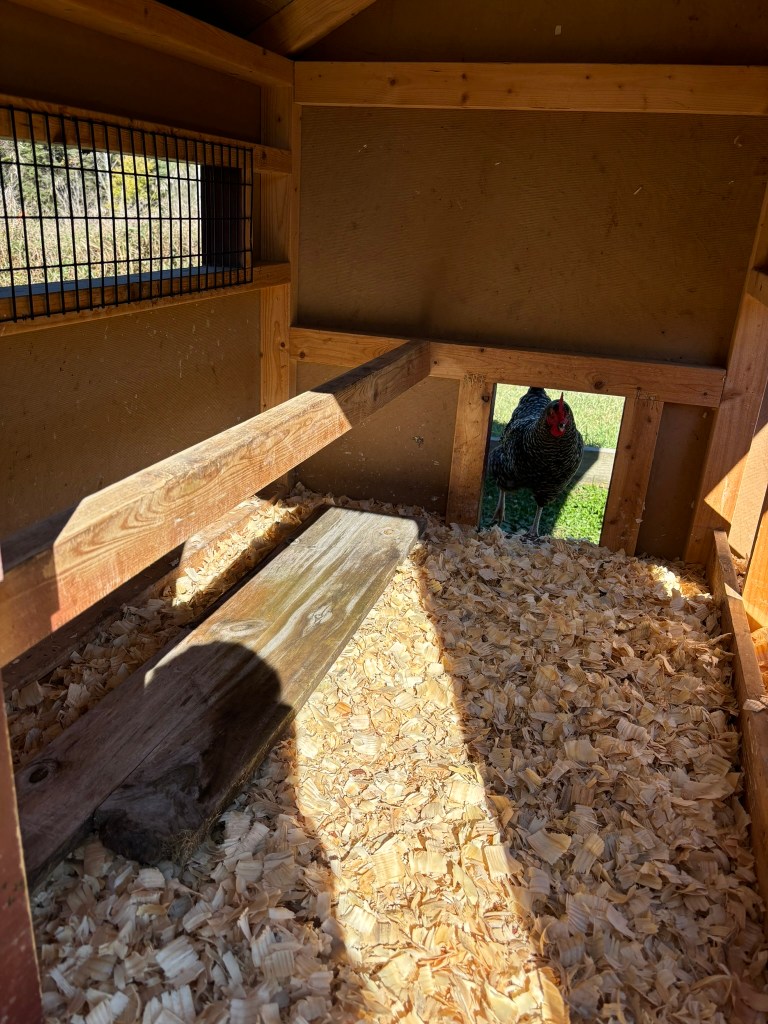
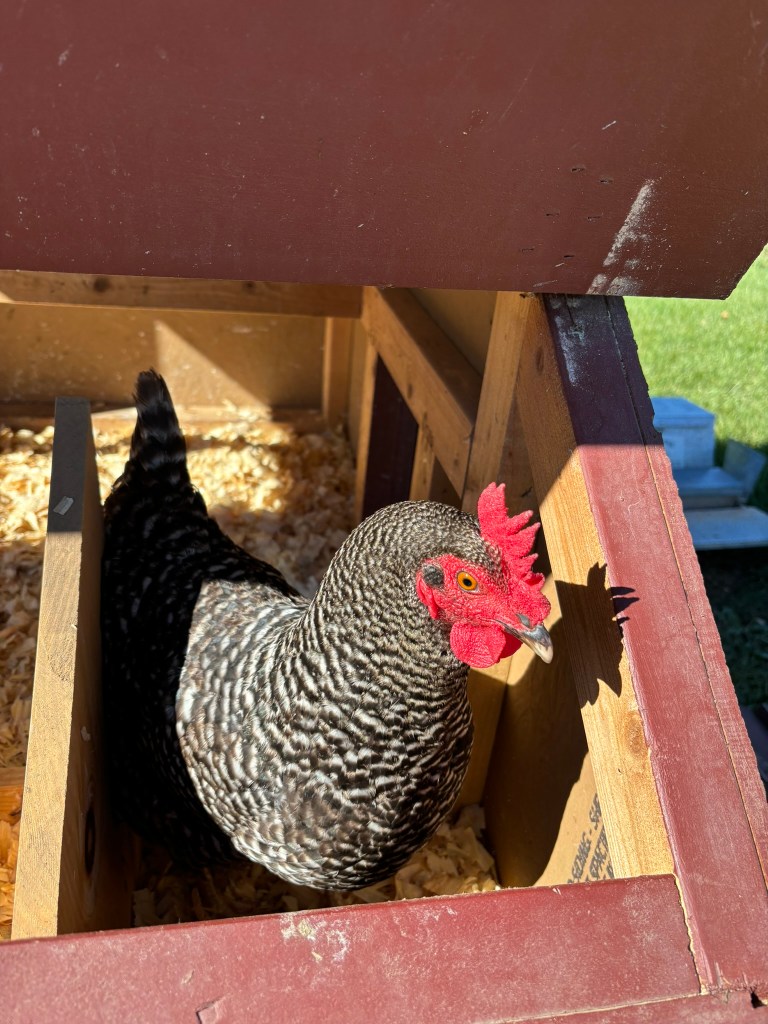
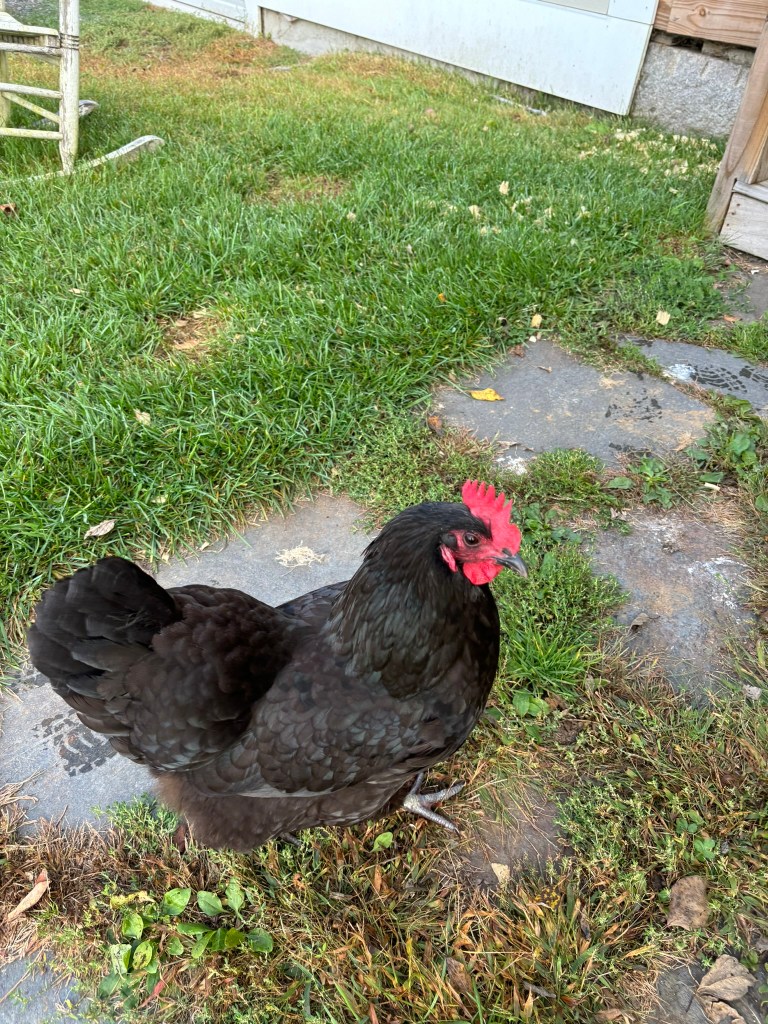
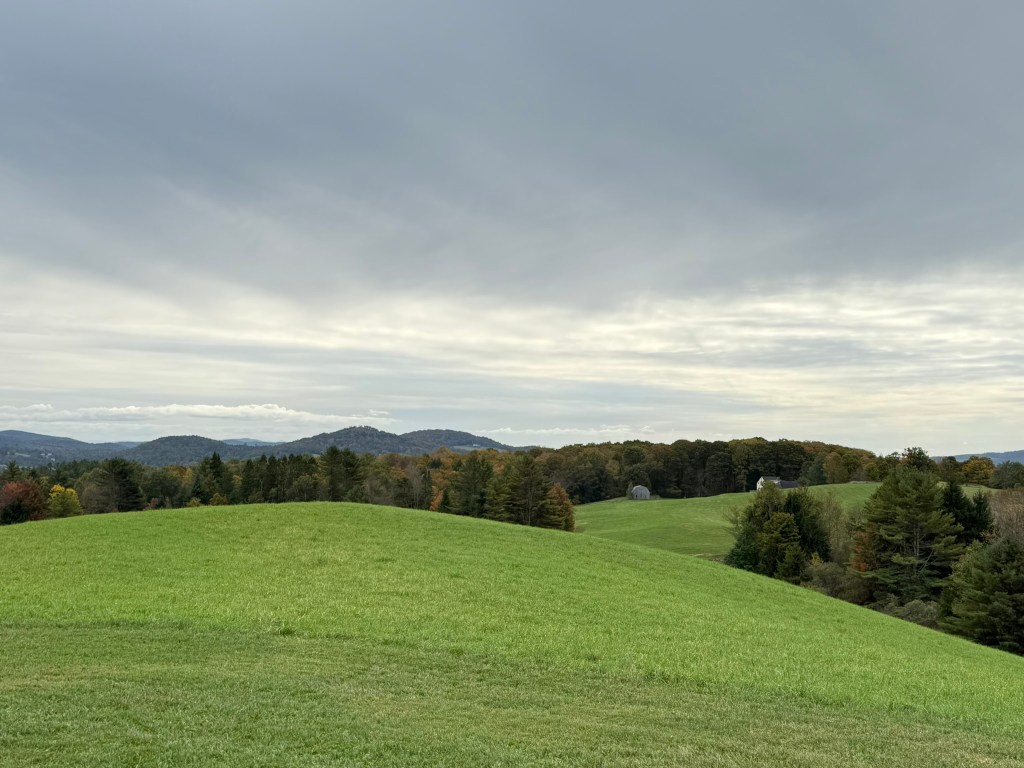
Now, as a married, middle-aged homesteader in northern Vermont, winter break literally means a rest. A respite from most outdoor work, since there’s no growing anything in the garden, no weeding, no harvesting, and no building or repairing (unless something breaks inside the house). It just means shoveling some snow and keeping our hens alive and as comfy as possible. The girls stick closer to their coop, too, so we don’t worry as much about predators. This is all especially nice for my husband, who takes care of most outdoor chores in the warmer months.
This year, however, winter break has taken on an additional meaning for me as a writer.
It’s now a signal for a creative rest.
I’m toying with the idea of taking December off entirely, writing nothing after this post is live. Even though that would mean I don’t accomplish my biggest goal for this year–finishing a novel-length manuscript–it’s something I think I’m going to give myself permission to do.
I’ve hit a wall. I feel dull, and I don’t have the desire to draft or revise every day the way I have all year. My well feels empty; I’m not itching to write much of anything.
What I do feel compelled to do is consume–read more books and watch well done shows and movies. I need to go back into “study” mode, I think, in order to level-up my skills and refresh my inspiration. My reading has lagged these twelve months, and that’s no good since reading is the primary source of instruction for us writers.
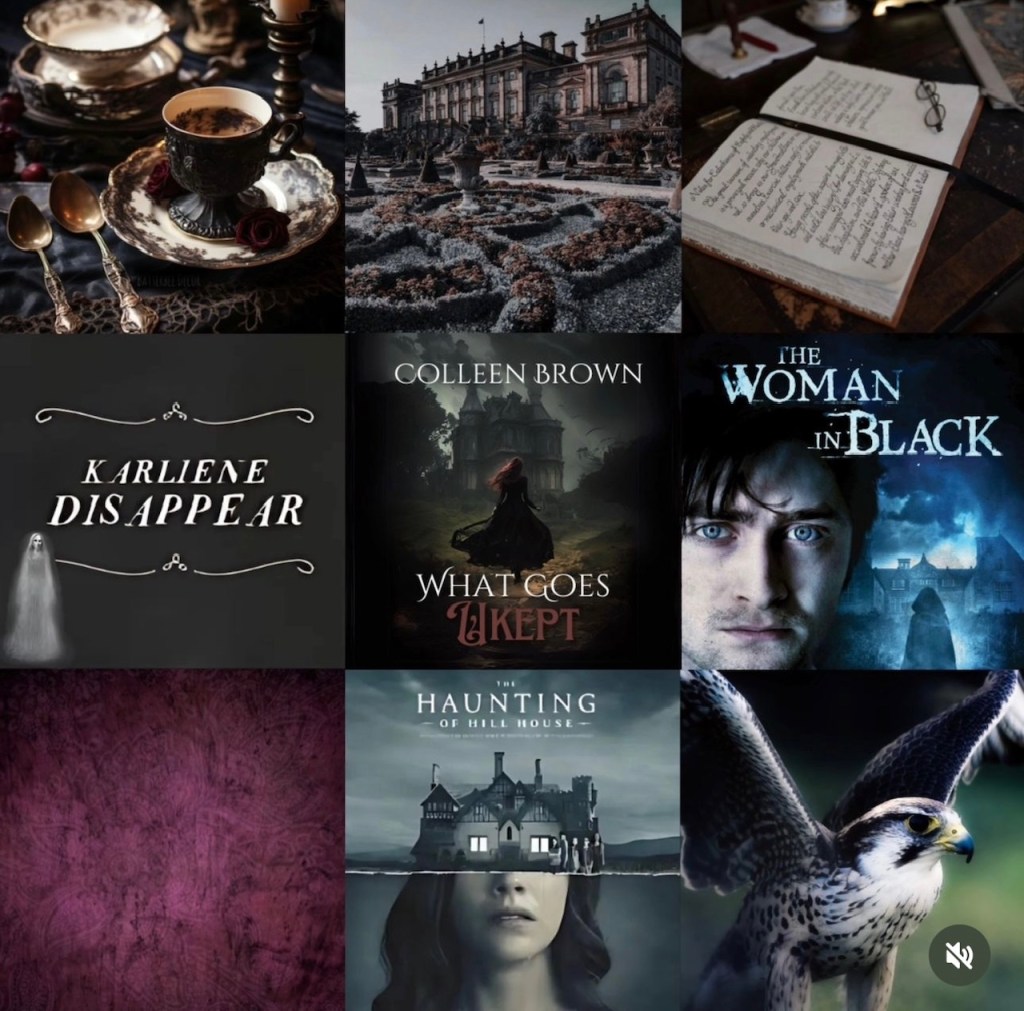
I have some great titles on my TBR, though, so this should be fantastic studying: The Last House on Needless Street by Catriona Ward, Mexican Gothic by Silvia Moreno-Garcia, Stephen: A Horror Novel by Amy Cross, Queens of Moirai by Rhiannon Hargadon, Love and the Downfall of Society by Melinda Copp, These Dark Things: 12 New Gothic Tales from Briar Press NY (who, I will admit, I hope to publish with one day), Lady Macbeth by Ava Reid, and two books to read side-by-side with my hubby: This is How You Lose the Time War by Amal El-Mohtar and Max Gladstone and The Girl Who Loved Tom Gordon by Stephen King.
If you have any other strong recs in the horror, gothic, or historical fiction genres, please let me know in the comments.

I also need time to digest the particulars of those things I’ve struggled with–scope, genre, pacing, openings, and balancing explication with implication– so I can come back sharper, more aware, and better able to address these weaknesses in my new work.
Finally, I’m suffering from what I described to my husband as a vulnerability hangover. I’ve had a handful of pieces published in pretty close succession this year. That’s new for me, and it still feels pretty raw.
There are mixed emotions that come with publication, I’m realizing, especially as a newb. A healthy and warranted pride, of course, but also a strange emptiness in the wake of the relative anticlimax. There’s an inevitable self-consciousness and insecurity that creeps in with the silence, too–those “crickets” of which there are more than you’d like. Also, an urge to compare yourself to others even though you know, logically, it’s totally unfair to everyone involved.
I imagine these are feelings most writers deal with.
They are driving my desire to cocoon myself, though. I want to pull back and just read, watch, think, and enjoy my family.
Right now, that’s what feels right, and I’m prepared to listen to my intuition. My husband is taking it easy this month, too, so we want to use the school days while Daph’s out of the house to relax and enjoy each other’s company.
I think I’ve earned it. I’ve had a good writing year.
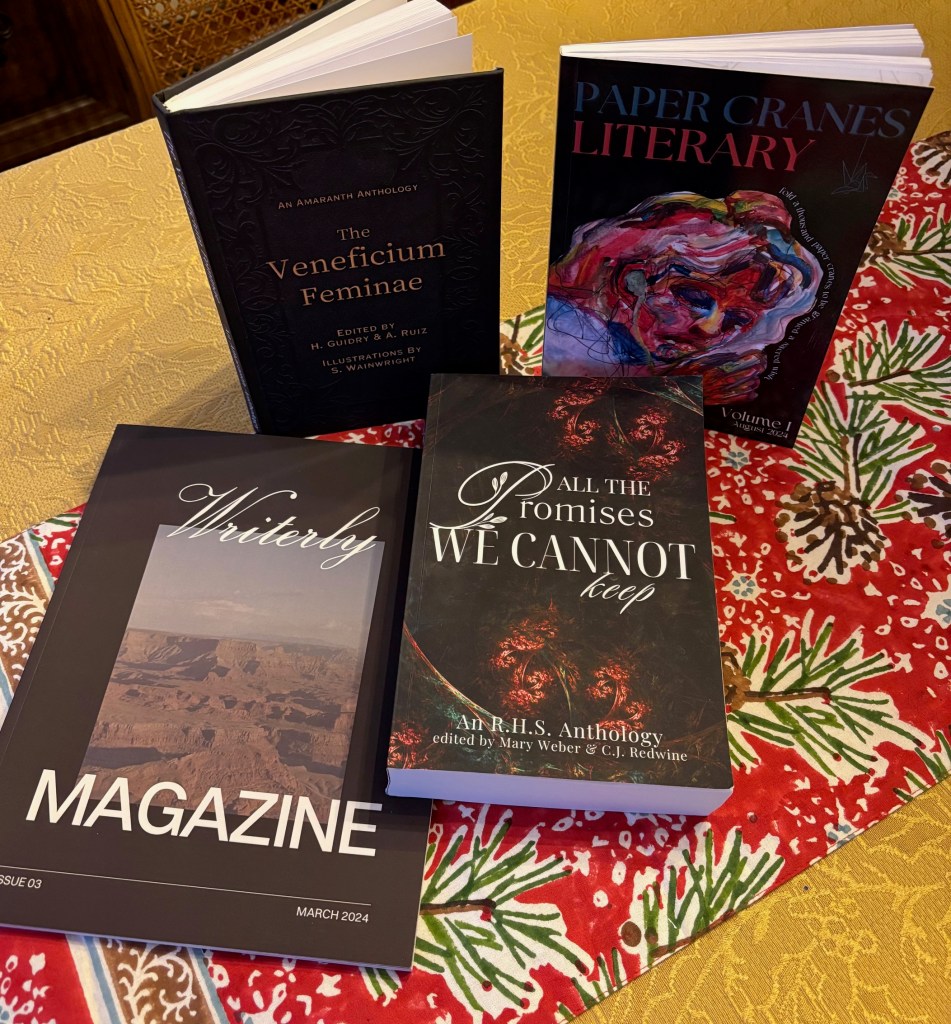
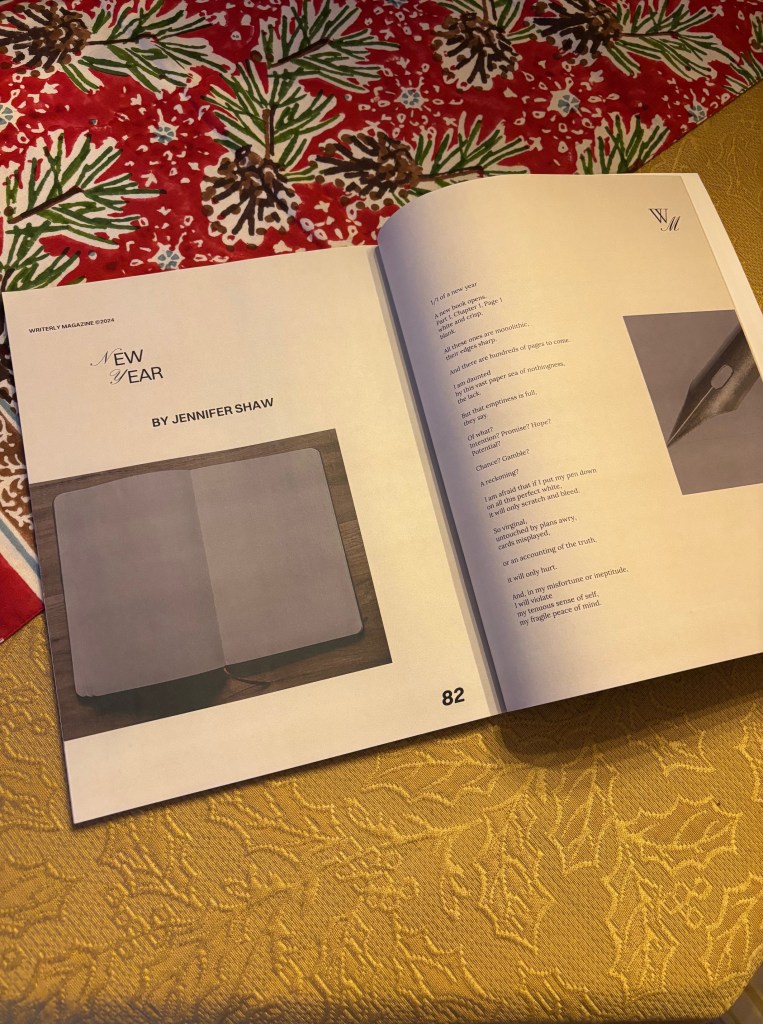
Writerly Magazine included my poem “New Year” in their March issue. I am no poet, though I dabble sometimes as a way to practice effective diction and economy. This poem, weak as it was, ended up being my attempt at conveying those fears of inadequacy/failure we all have when taking a major chance or starting something new. It felt good to articulate that anxiety–“I am daunted by this vast paper sea of nothingness, the lack.”
Daunted I was, but I did persist.
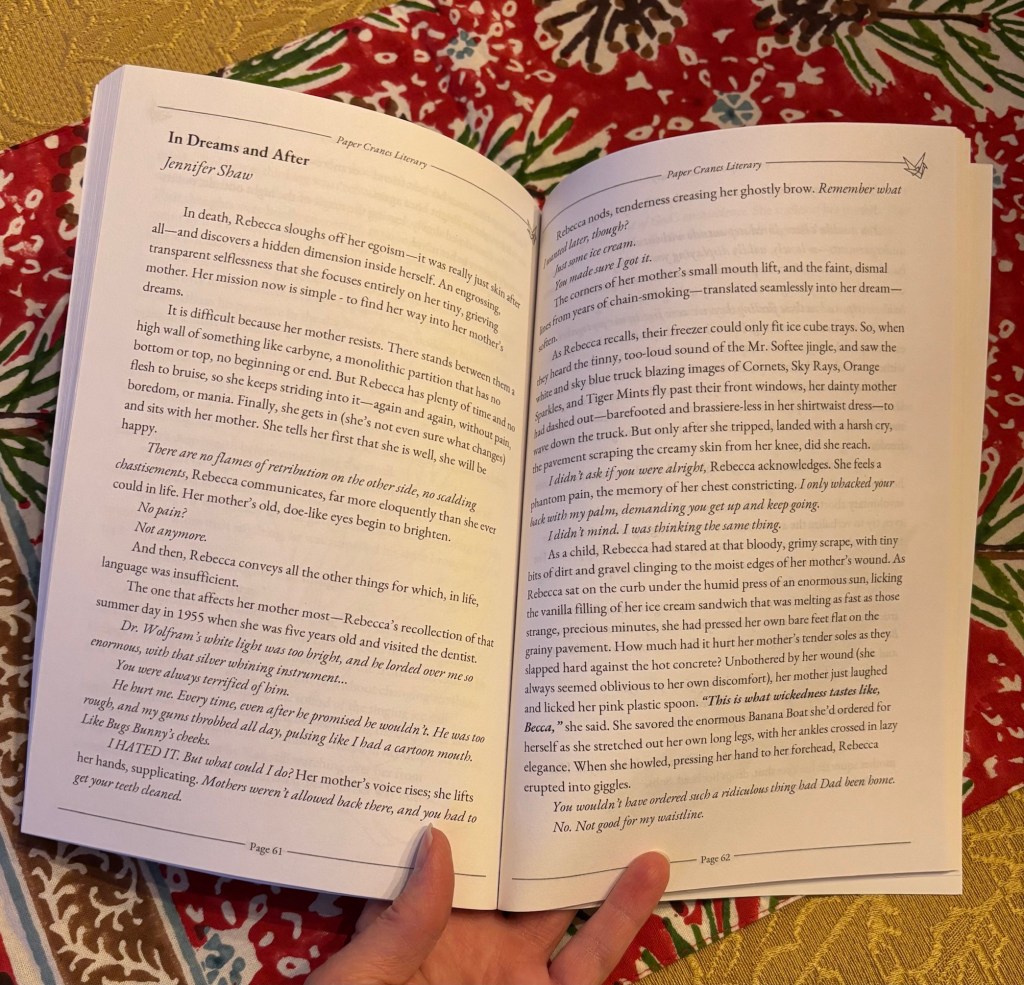
In August, Paper Cranes Literary published “In Dreams and After,” a fictionalized mother-daughter story inspired by a lovely bit of my own family’s lore. It felt good to put this beautiful, optimistic little tale into words, as it captures my hope about the nature of death.
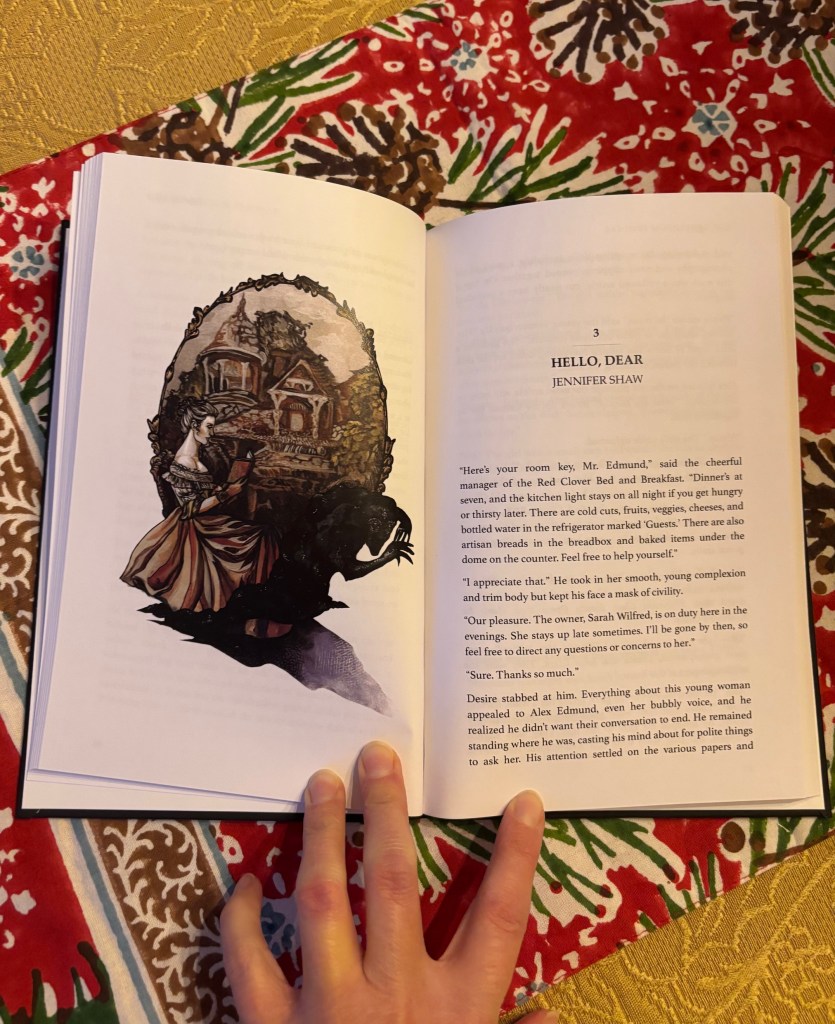
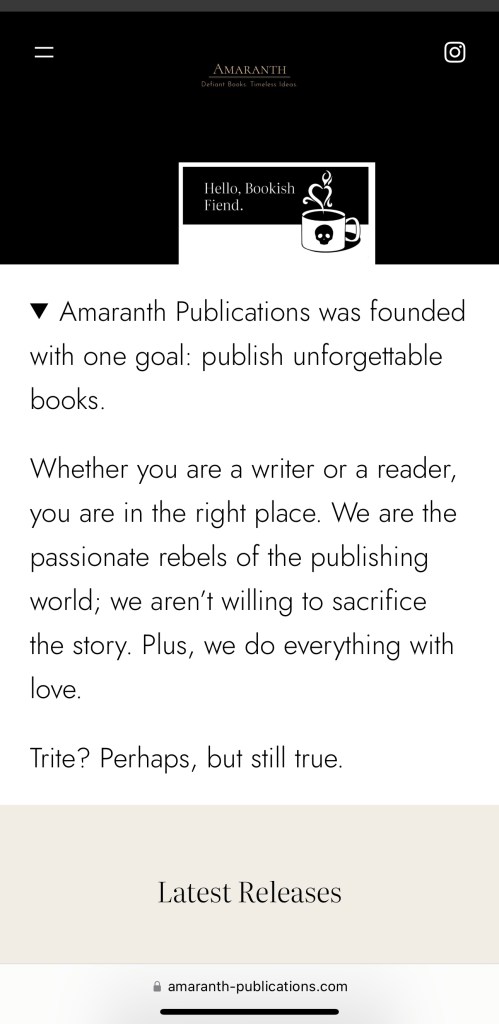
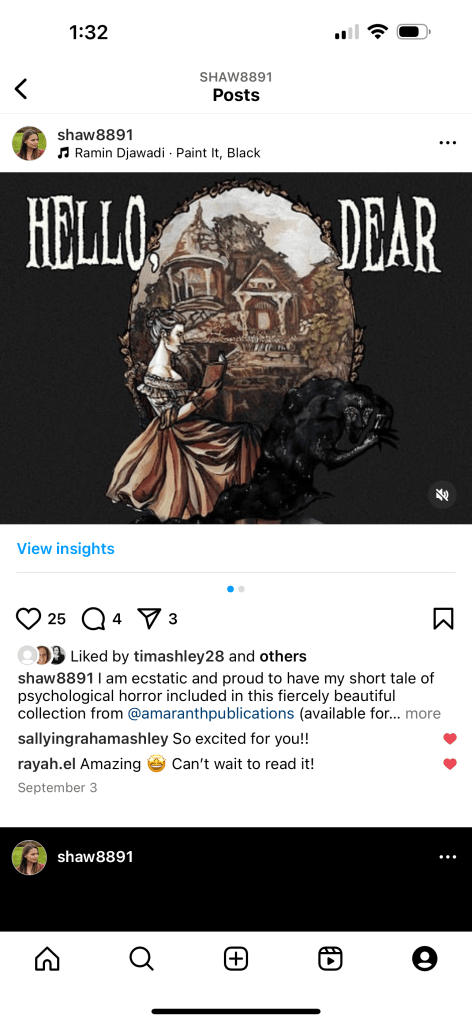
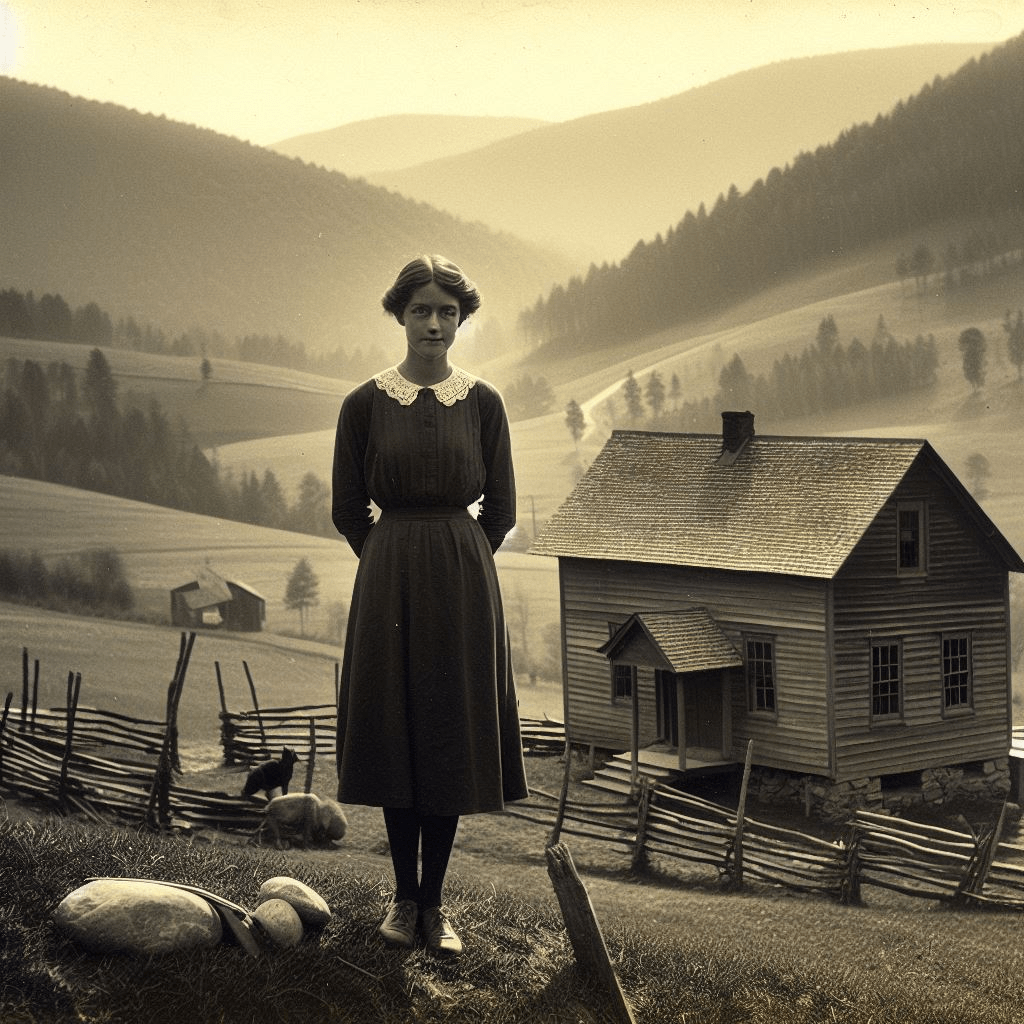
In September, Amaranth Publications included “Hello, Dear” in their fall anthology, The Veneficium Feminae. This piece is probably my best constructed story, and it captures some of the things I love most about Vermont, my new home and the tale’s implied setting–the hilltop views and atmospheric old houses.
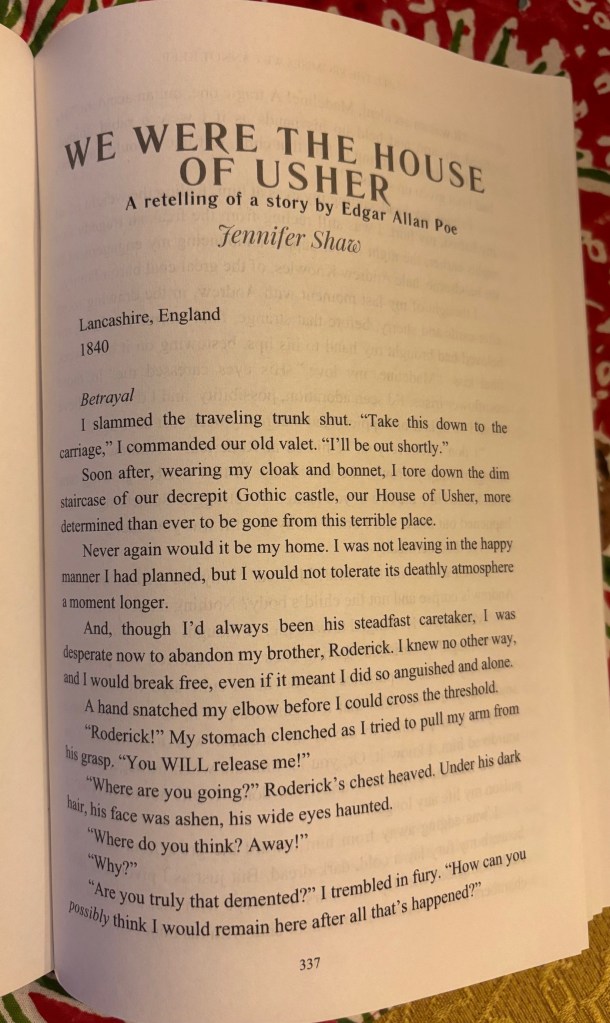
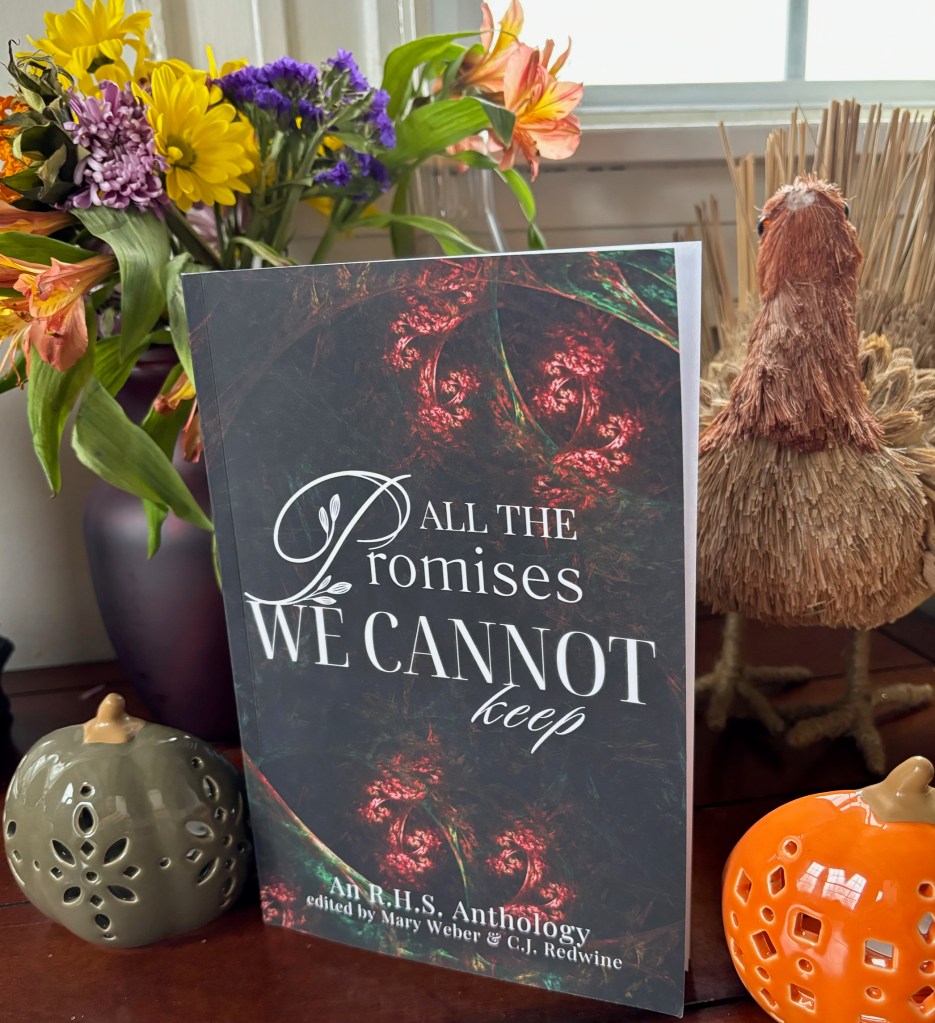
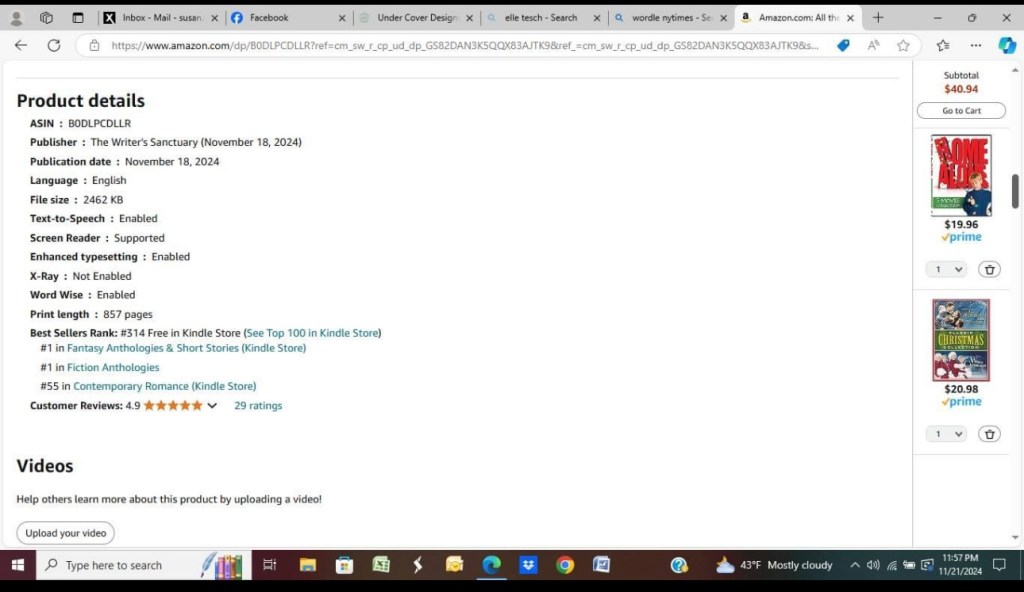
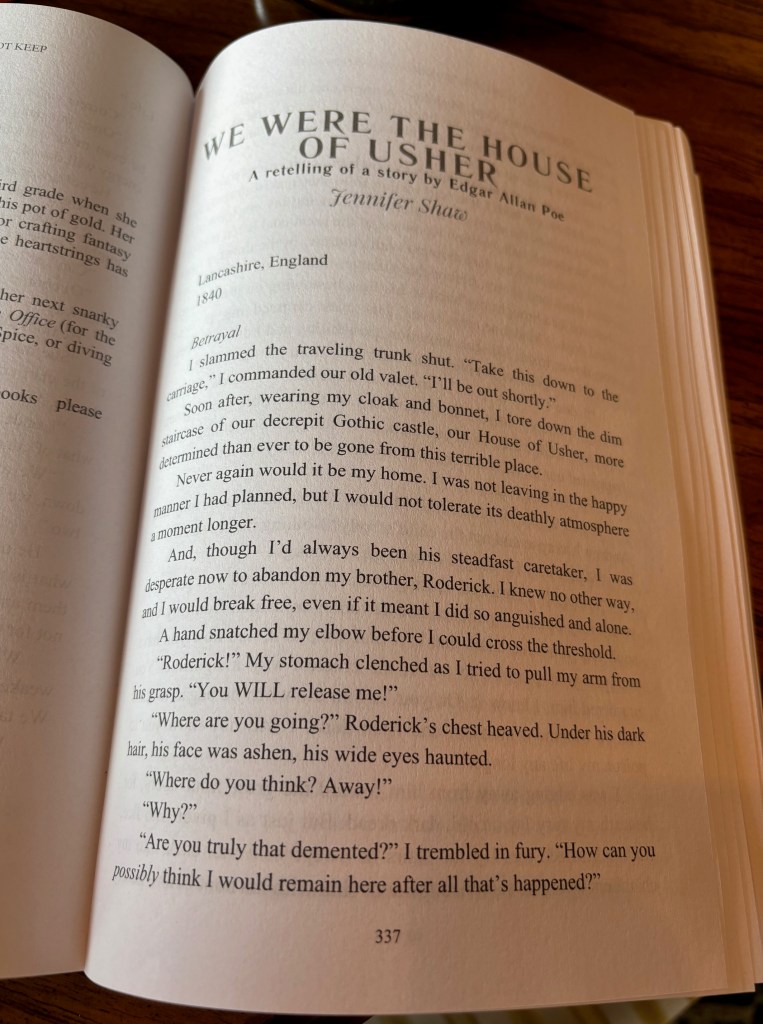
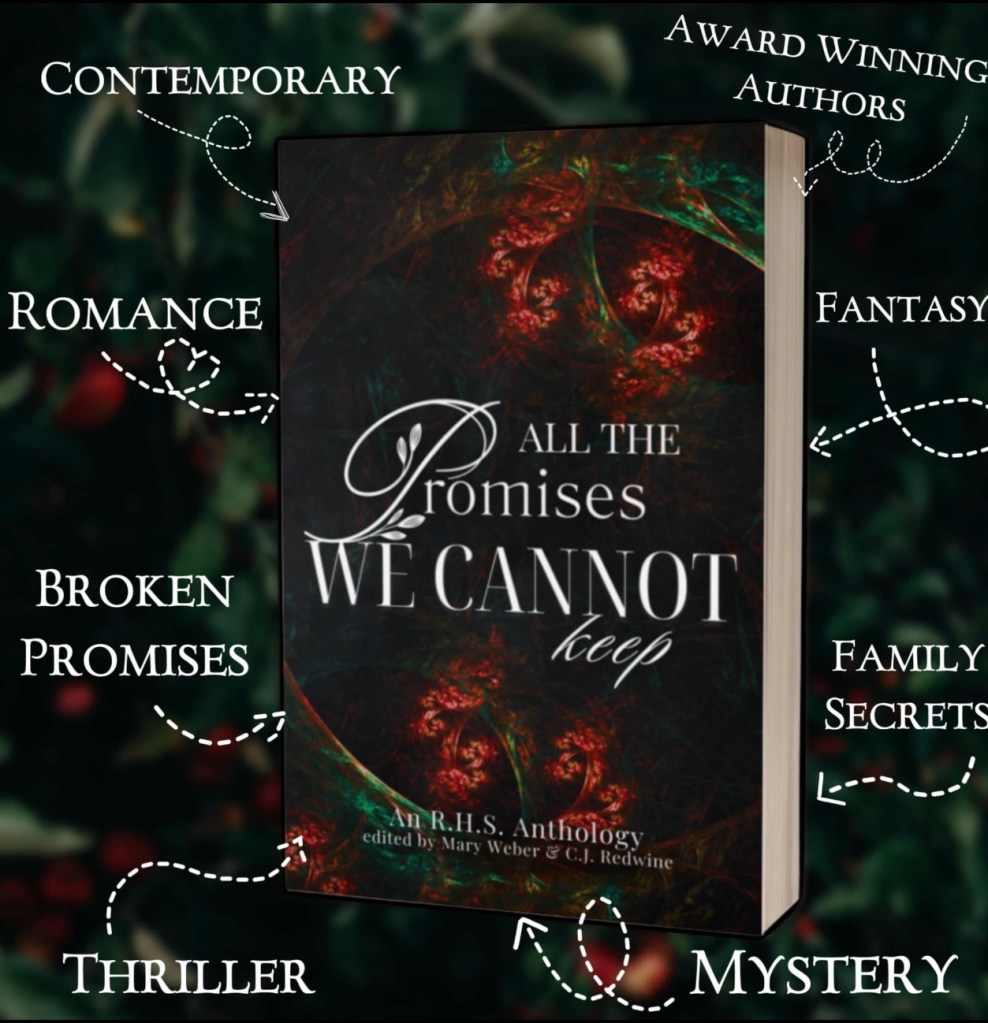
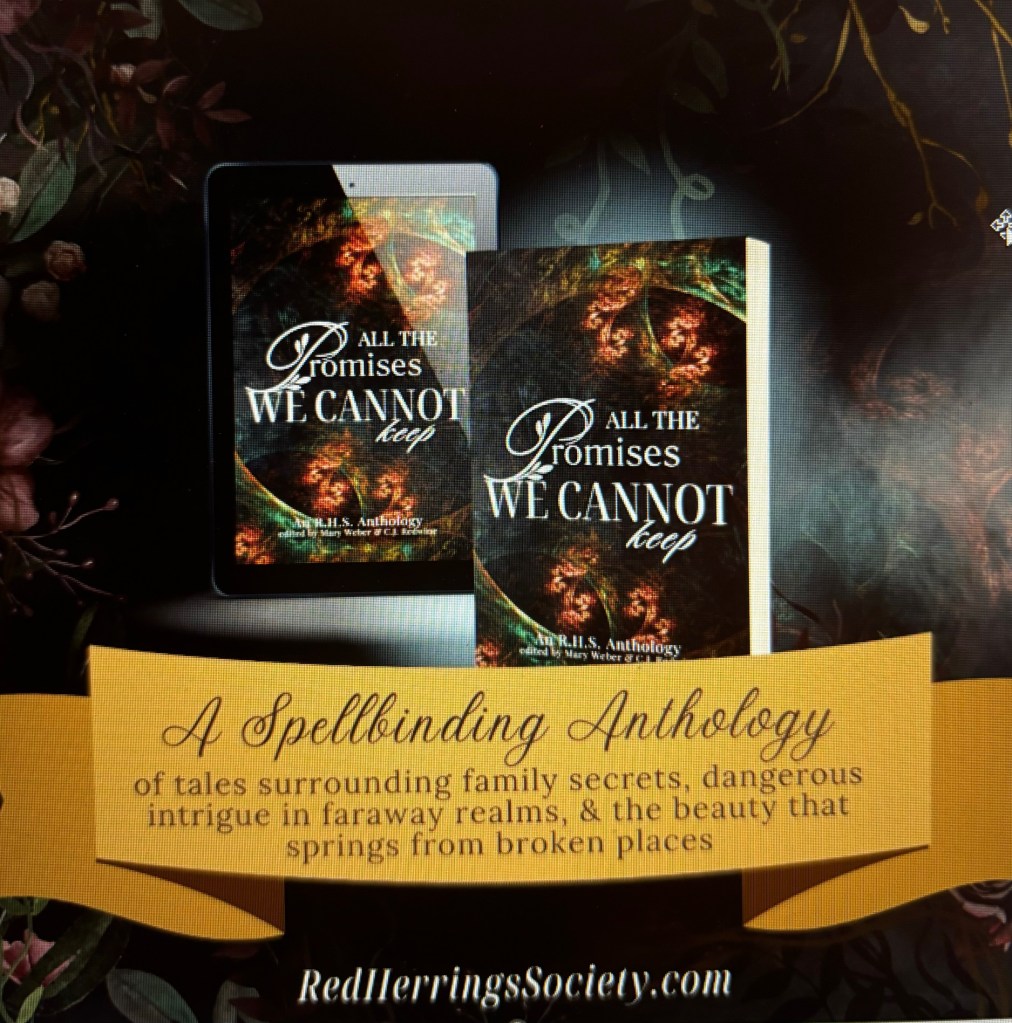
In November, The Red Herrings Society printed “We Were the House of Usher” in their 2024 anthology, All The Promises We Cannot Keep. Two readers shared with me what they liked about this piece–the use of first person POV, said someone who doesn’t typically like it, plus the way the other reader was “taken back in time with it,” which I found validating. I am proud of Madeline’s voice; I think it’s the best part of that story. I’m so pleased I got a chance at this particular retelling, too.
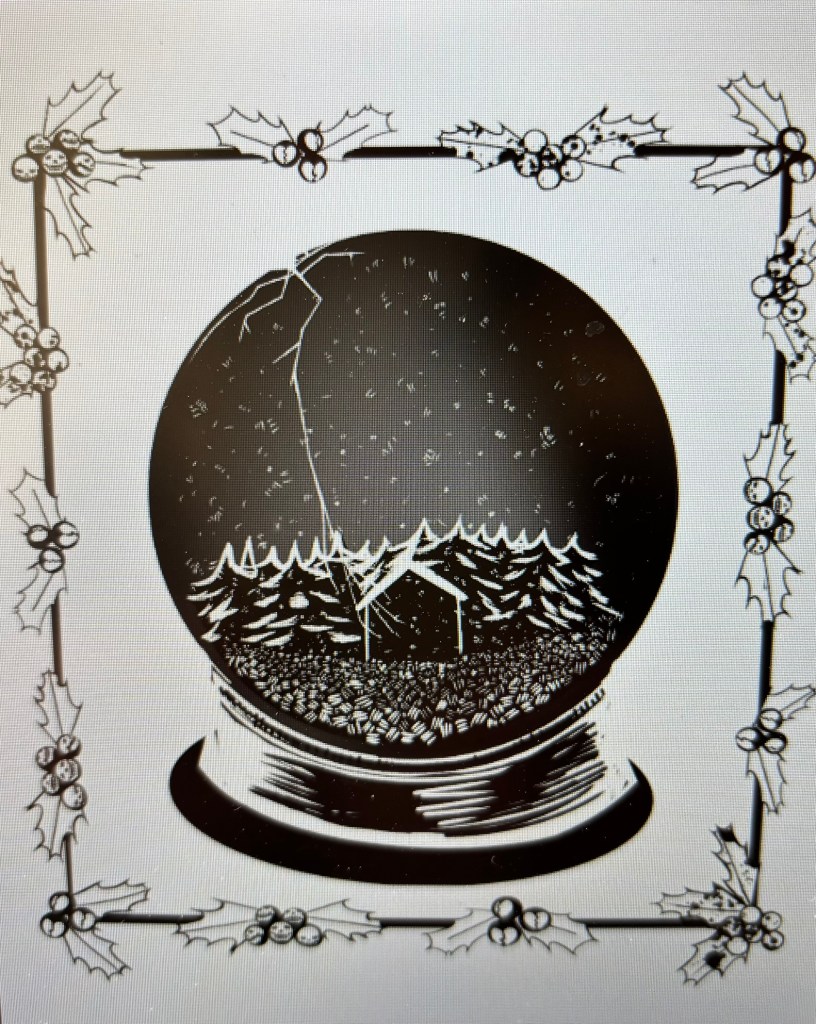
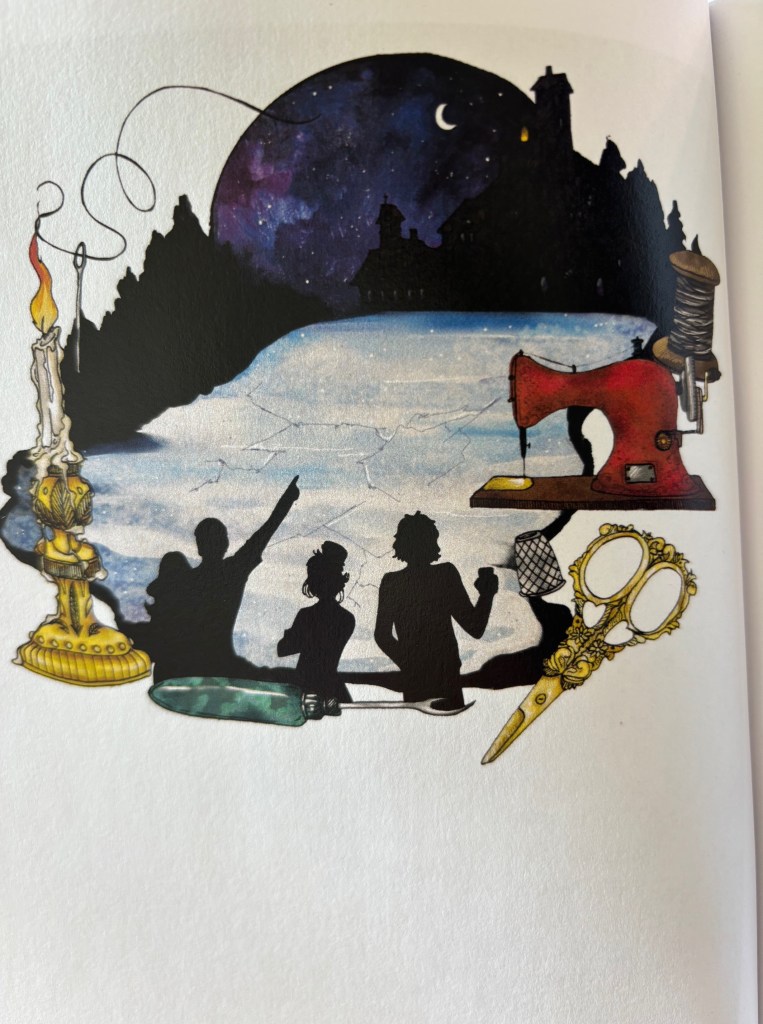
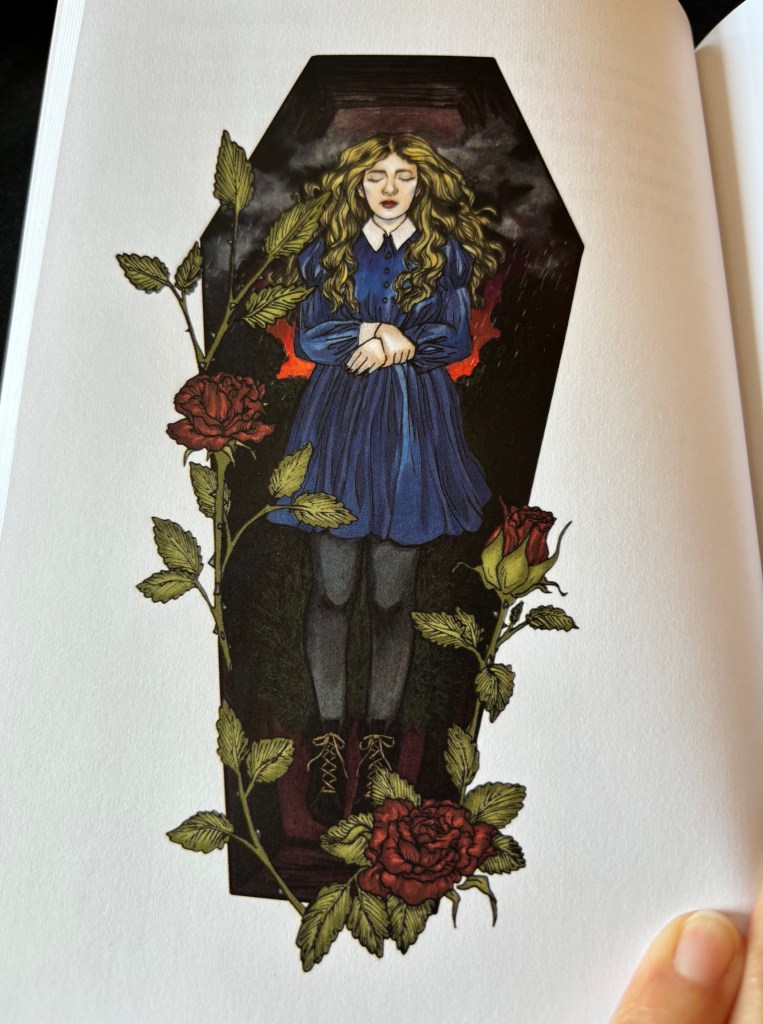
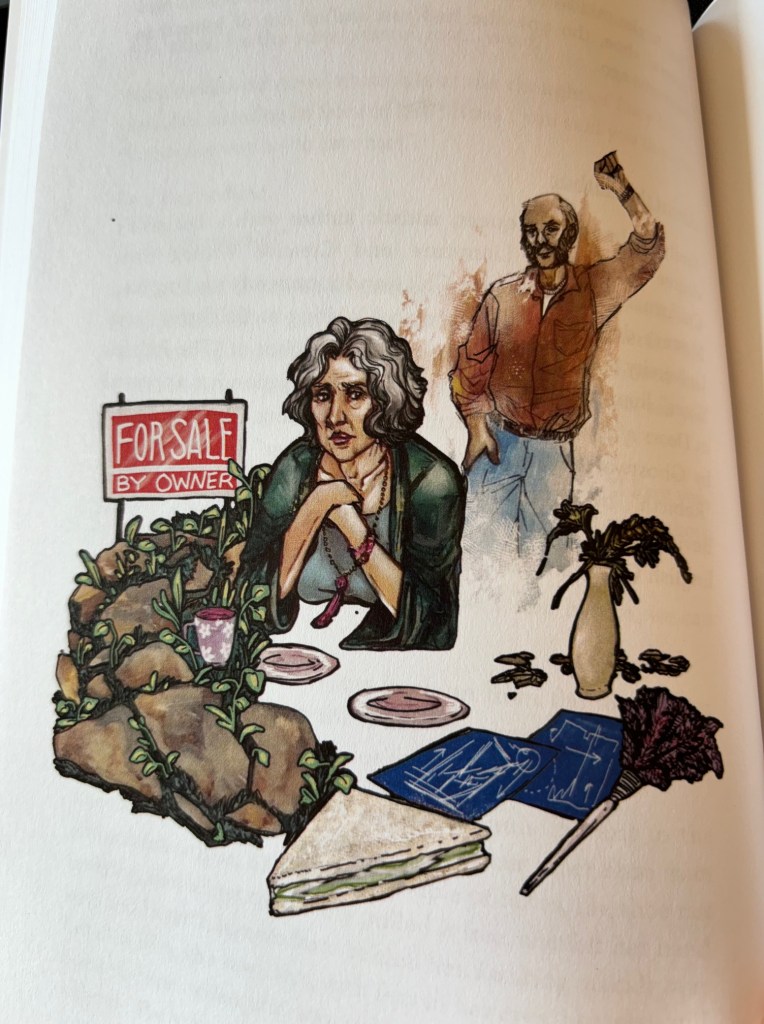
Finally, Amaranth just published “So Many Fragile Things” in their December holiday horror anthology Das Gift (yes, it was accepted! I realize I haven’t included that update here).

This piece was problematic from the start, and I’m still not sure it’s landing. But, at its heart, it’s a story about the emotional complexities of caregiving, and it’s one I found cathartic. Given all our daughter’s challenging behaviors, it was something I needed to write.
“I am afraid that if I put my pen down on all this perfect white, it will only scratch and bleed,” I admitted in my poem “New Year.” Thankfully, I haven’t been wounded; none of this has been terribly painful. It’s felt quite good, actually.
True, I didn’t place in the two contests I entered this year–Craft Literary’s Novelette competition back in March, and Writer’s Digest’s 93rd Annual Writing Competition, in which I entered “In Dreams and After” in both their literary and spirituality categories (I was an Honorable Mention in their genre category last year). And that’s ok; neither of these results surprised or crushed me.
Entering the new year, I want to work on refining my mindset, however.
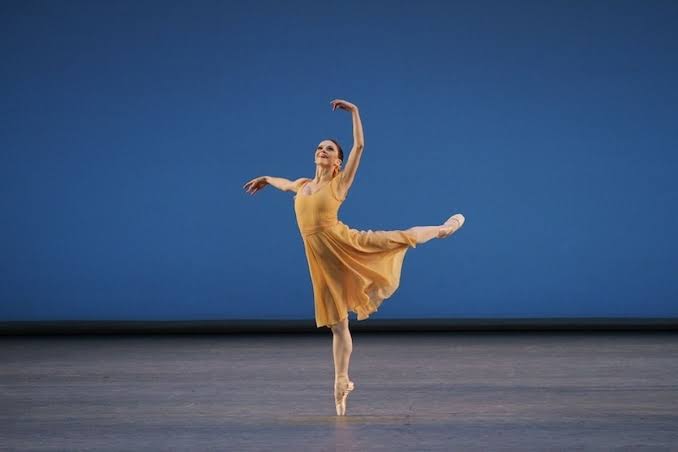
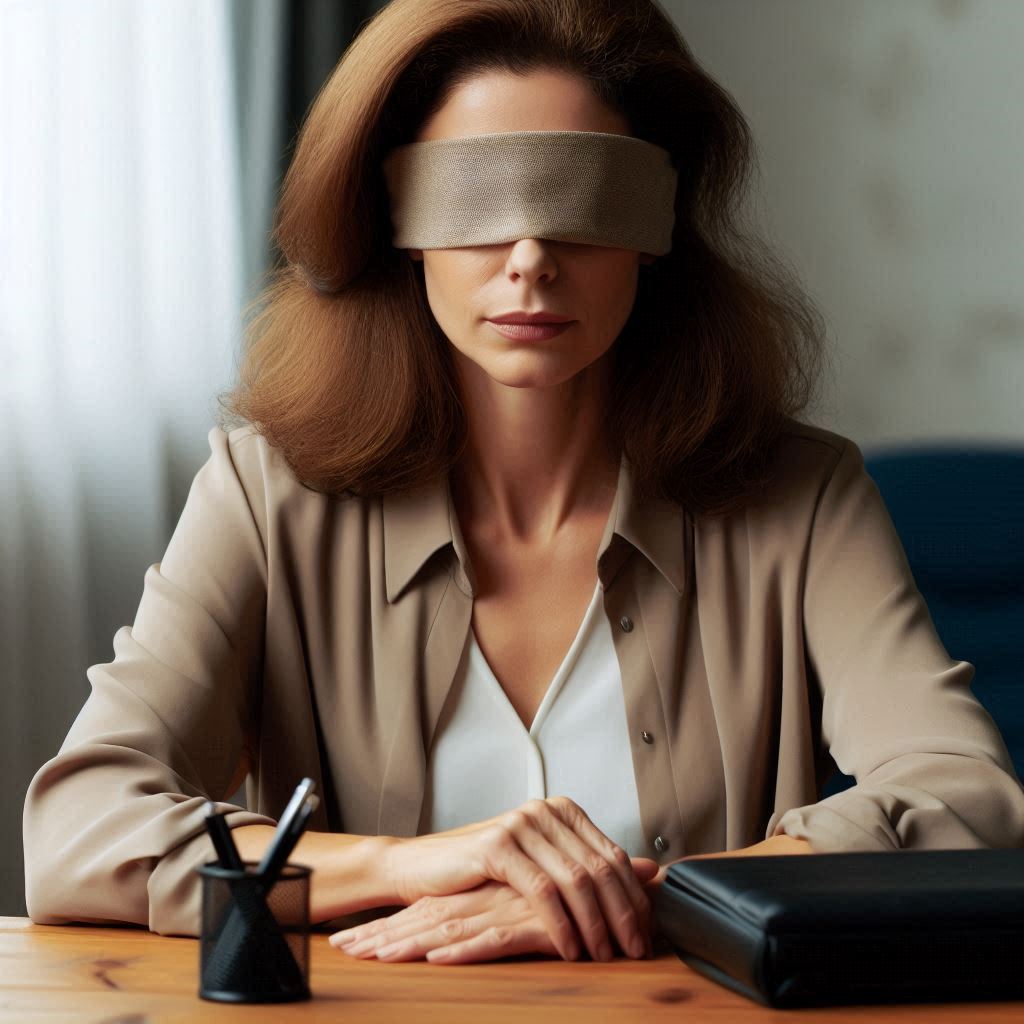
I want to “stay in my own lane,” as Megan Fairchild describes. She’s a principal dancer with the New York City Ballet who once suffered from crippling anxiety in her high-pressure, ultra-competitive field. Embracing this attitude of non-comparison (along with regular meditation) allowed her to overcome much of her inferiority complex, and now she enjoys her position in the company and is able to handle casting disappointments and the occasional less-than-stellar review. I want to work on the same thing, and I will put on metaphorical blinders if I need to (which might mean more time off social media).
I want to remember, my path is my own. Comparisons do no good. They’re often unreliable, and they’re always relative anyway. Someone will always be a better writer, and someone will always be worse. What others do/don’t do should have little bearing on my own sense of validation. Easier said than done, but it’s important to strive for this healthier attitude.
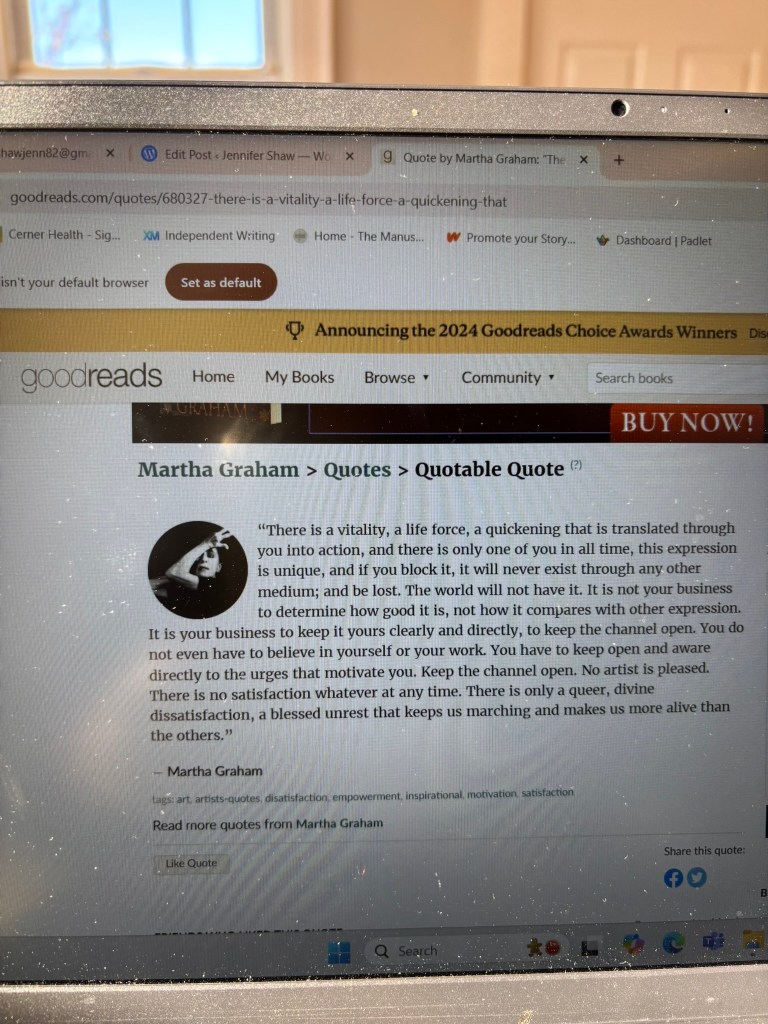
I also want to “keep the channel open,” as the legendary modern dancer and choreographer Martha Graham once described.
I want to refrain from too much self-judgement once a piece is published in the world. One can obsess over how effective or ineffective a story is, forever, and it’s a waste of energy. That shouldn’t be the end goal. The end goal is actually to move on–learn from what maybe didn’t work (or what did) but then, just keep going. Try something else, try it a different way, keep it in mind, but keep creating. Move on to the next project, then the next, and the next. That’s how, eventually, you facilitate the extraordinary.
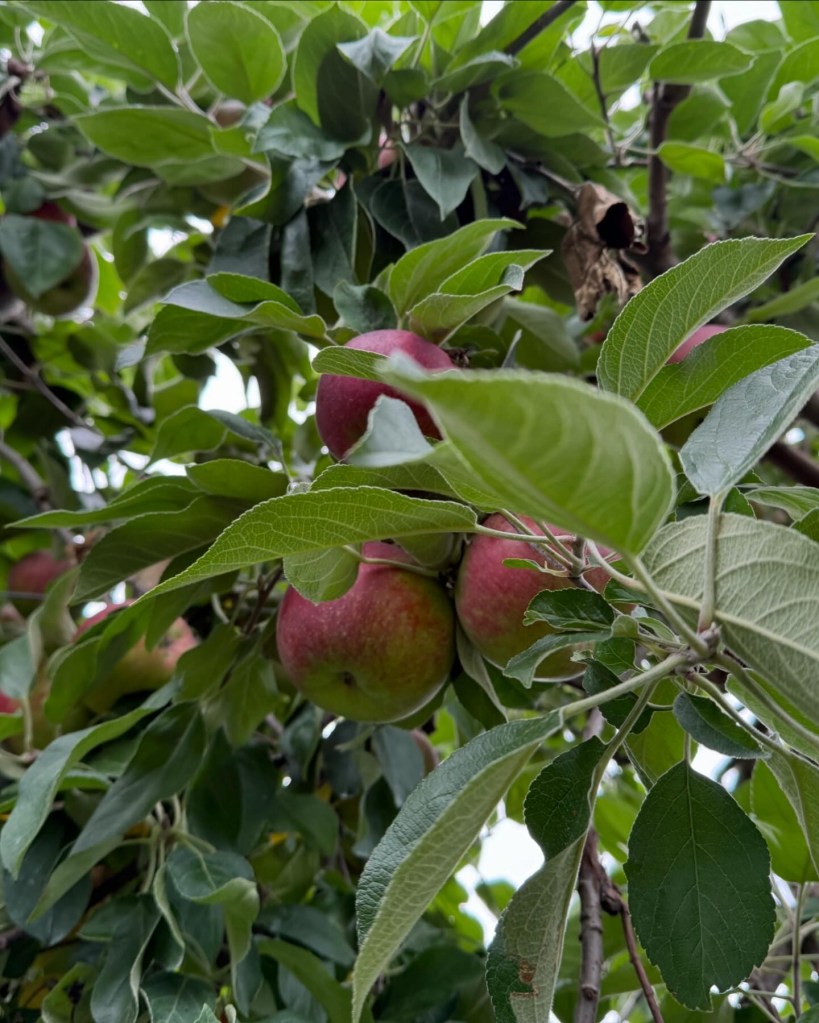
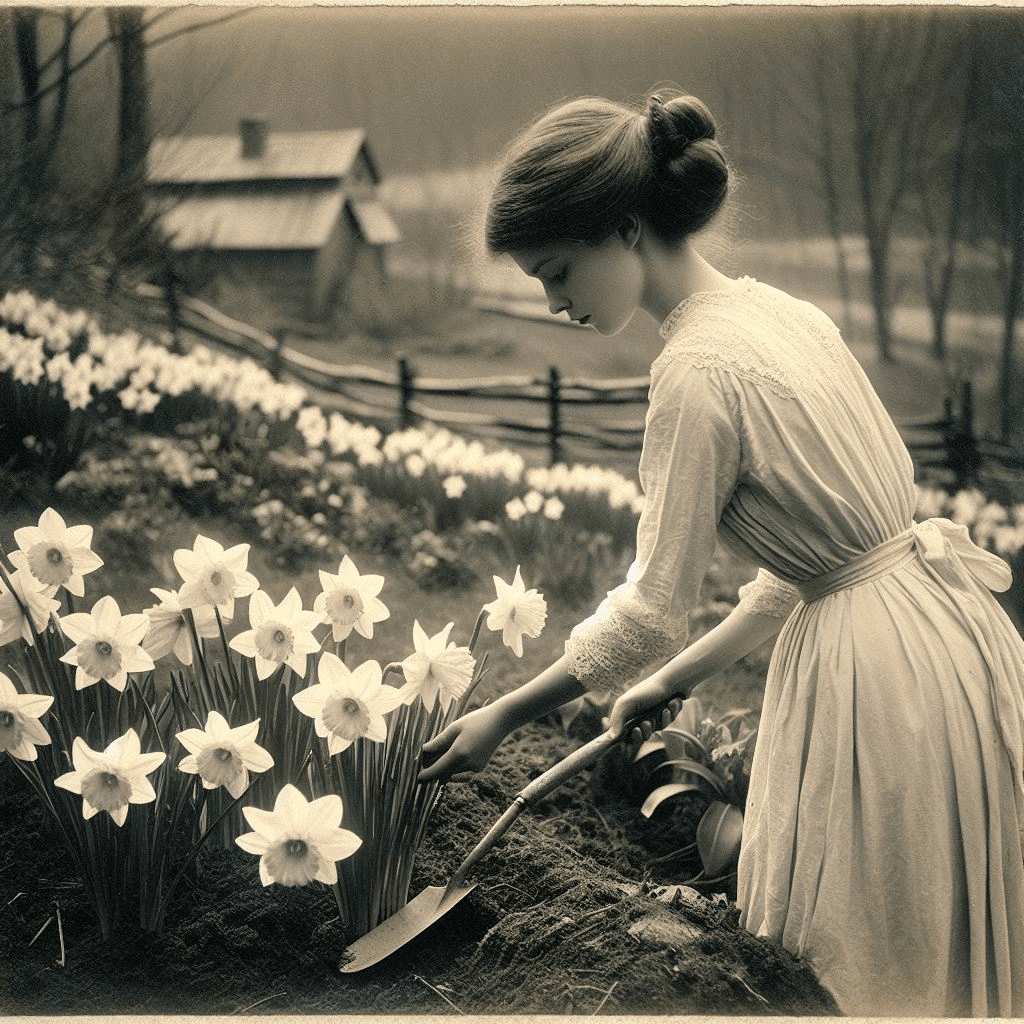
Finally, I want to embrace an analogy poet Jaclyn Desforges shared recently on her Instagram. She states that publishing is “cross-pollination,” explaining that “publishing isn’t really about acceptance/rejection or winning/losing. It’s an act of creative ecosystem-building. Every time you submit your work, you’re participating in a vast web of literary cross-pollination.” She adds, “Think of your submissions as seeds scattered with intention. Some will take root here, others there, each finding its perfect soil in its perfect season. Your only task is to tend your garden and share its abundance.”
Isn’t that brilliantly beautiful and reassuring?
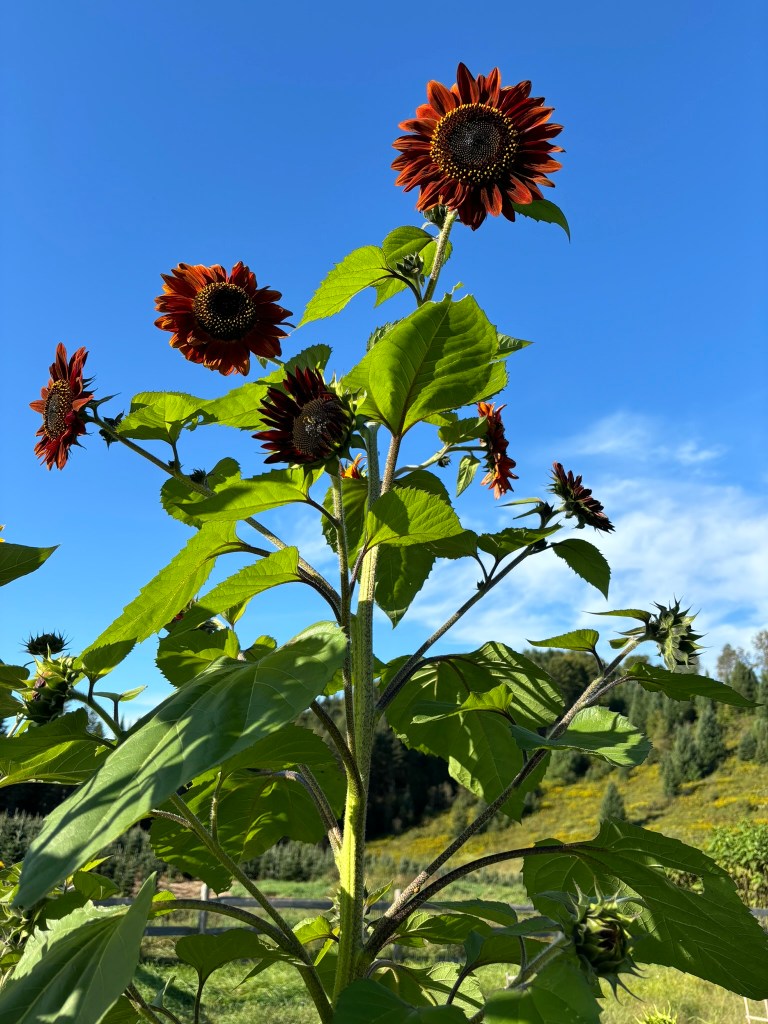
It also makes more sense the longer I think about it. I find most gardens lovely, whether they’re vast, intricate, perfectly manicured plots (no pun intended!) by professional landscapers, or they’re smaller beds with a few thriving, colorful, lovely things, even if the spacing is off or there are more weeds than there ought to be or perhaps the floral combinations don’t quite follow accepted aesthetics. They’re still lovely, and I appreciate them too.
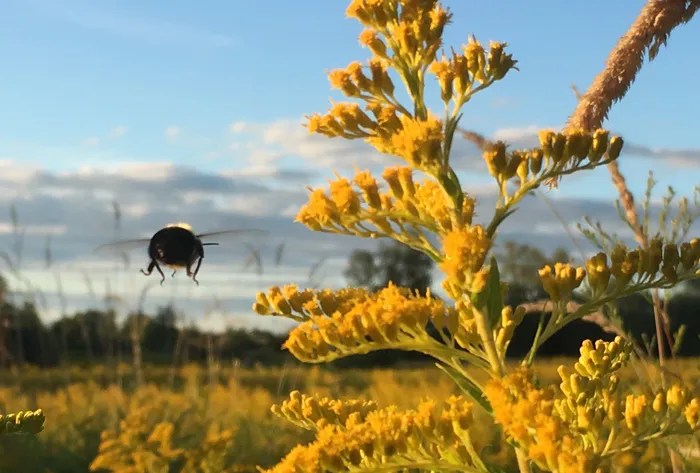
I even adore a raggedy, wild field of flowering weeds! The goldenrod, dandelion, milkweed, and white campion that pocket the early summer countryside fill me with a sense of hope and vibrancy. They’re not gardens, but they’re the result of pollination, of growth, and that is beautiful too. And sometimes, a field of goldenrod is more striking or stirring than the perfect garden that might feel inauthentic or unapproachable in its flawlessness. How dare you trod there, after all, lest you trample something?
A bit of soil is always the lovelier for growing a flower, no matter what kind it is.
That’s a rather odd reflection I know, given that we’re now settled firmly into winter.
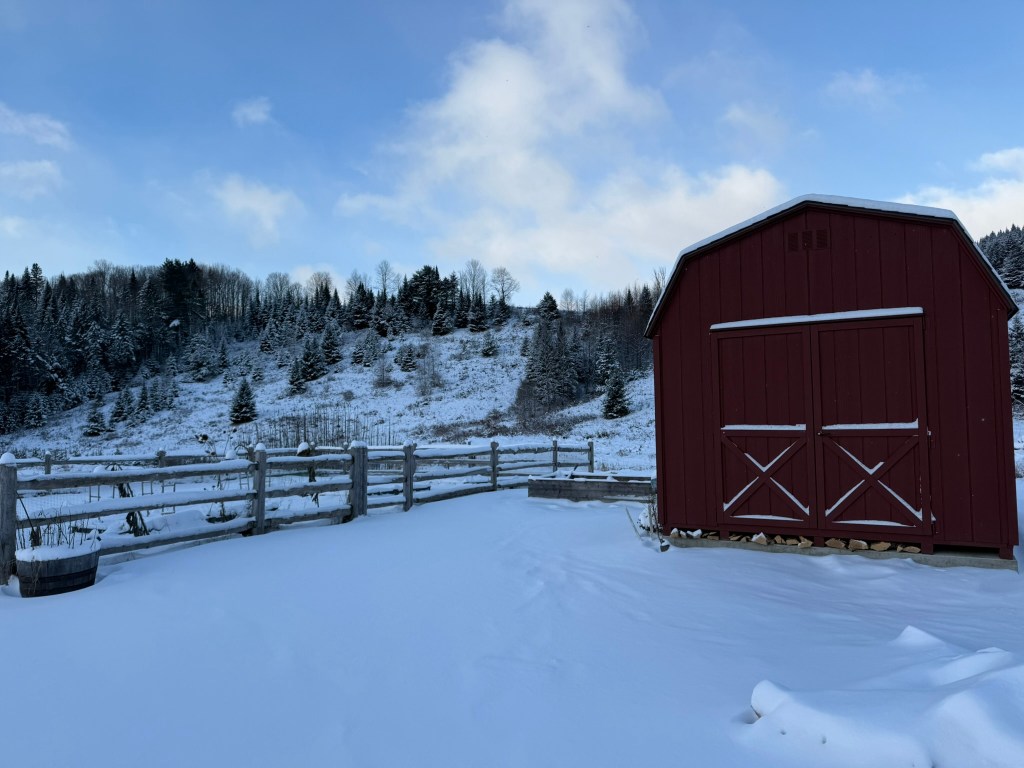
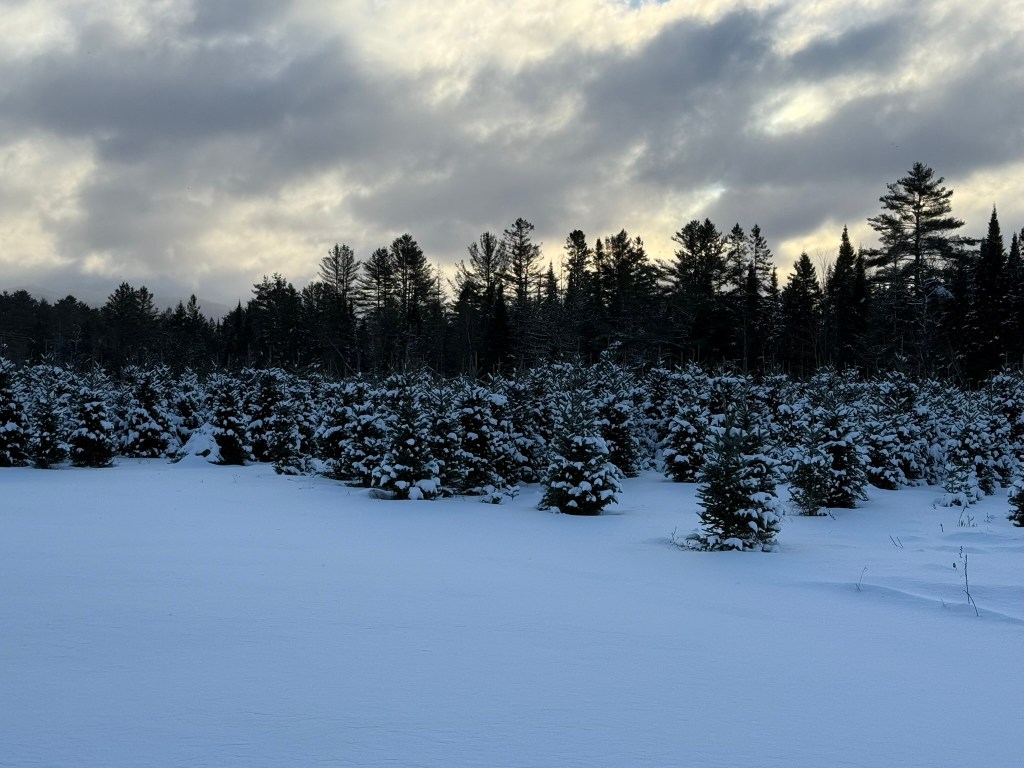
But that’s alright because “the spring will come,” as Julia (formerly Cora) says in “So Many Fragile Things.”
(My editor made me change two of the C names because the three together confused her).
Yes, it will. And in the meantime, I will enjoy the gorgeous white silence of winter.
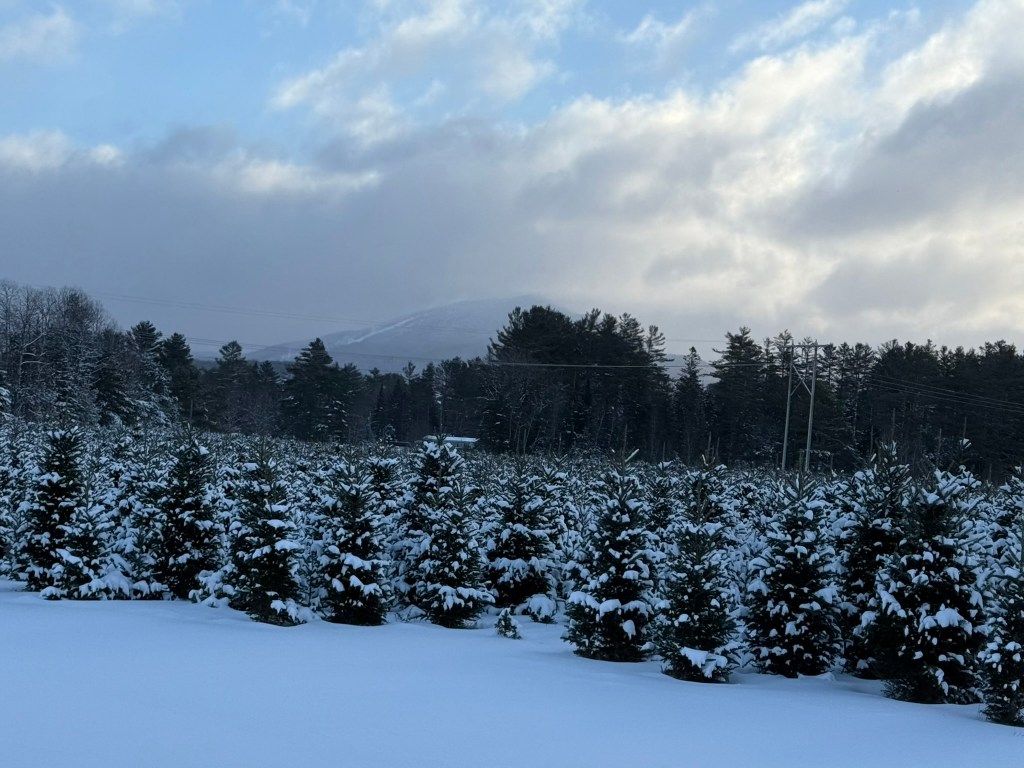
When the snow melts, I will stay in my lane–or in my plot, perhaps I should say– keeping the channel open as I tend my little literary garden and scatter the seeds it yields.
Alright, enough mixing metaphors. To sum up, I’m winding things down for a while, and it sounds so very good.
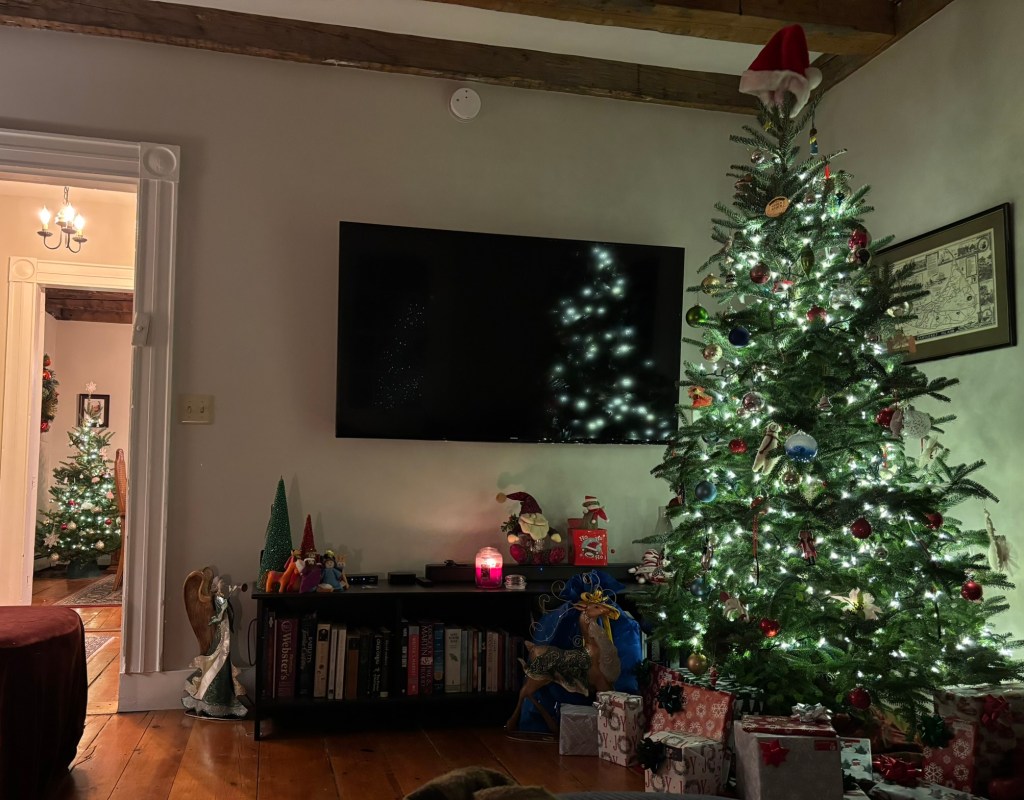
I hope you and yours have a wonderful holiday season! Merry Christmas, Happy Hanukkah, Happy Kwanzaa, Merry Winter Solstice, and Happy New Year!
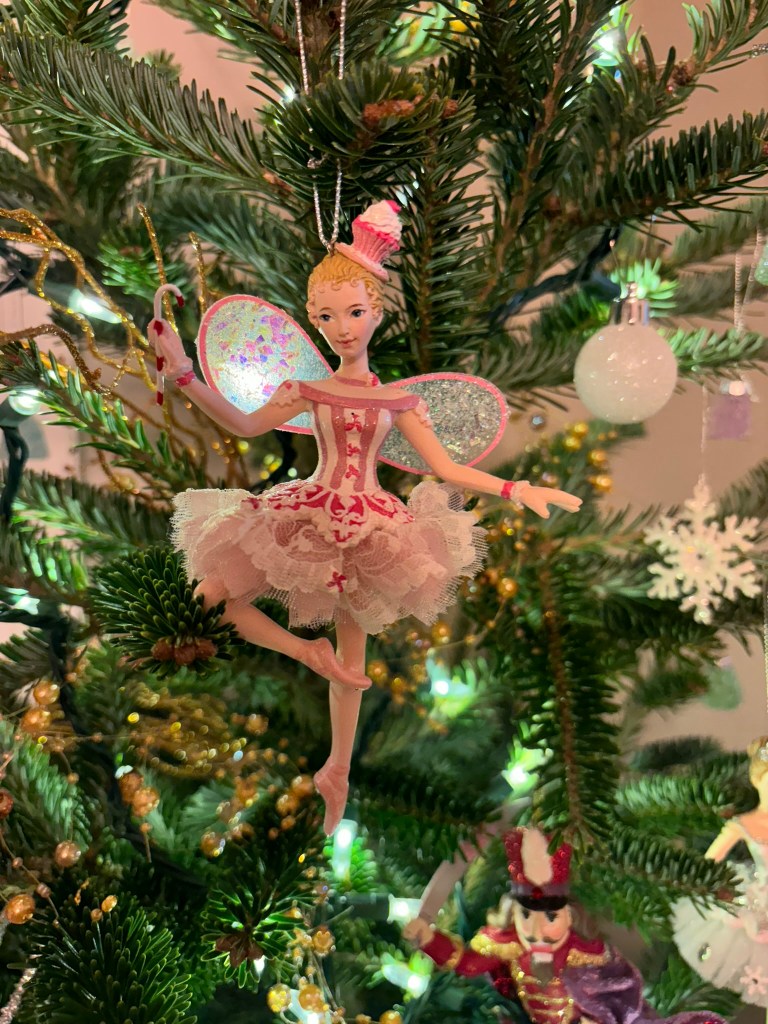
Whatever you do or don’t celebrate, I hope your year ends pleasantly and you get to enjoy any respite you might need.
I will see you back on this blog in January.
And thank you for taking the time to read even one of my posts. It means so much.
Love to you all!
XOXO,
Jenn


































 Jennifer Shaw