Jennifer Shaw

A writer's musings in the mountains

  • The Season for Time Management

    Hi! Thanks for being here. I mentioned I’d keep you updated on the use of our visual schedule with our autistic daughter, Daphne. I’m happy to report that, one week into her summer vacation, it’s helping. Showing her the expectations each day has made her more receptive to what’s coming, and as a result she hasn’t resisted too terribly when it’s been time to do activities or put away her YouTube iPad. It’s also kept us moving productively through the hours: last week we did two sets of academic/OT/speech activities per day (an AM session and a PM session), we limited our screen time, and we got out of the house every afternoon–Monday to the grocery store, Tuesday to the rail trail for a 2 mile walk, Wednesday to Crystal Lake, Thursday to the car for a joyride, and Friday to the playground AND Lake Willoughby. This might not sound like a big deal, but let me tell you, it’s good progress after all the miserable down time we suffered last summer. Daph did cry at some point each day, hard a couple times, but so far none of our days have been the all-out tantrum fests we had last summer, so I’m taking that to mean we’re off to an auspicious start. Thank you, visual schedule.
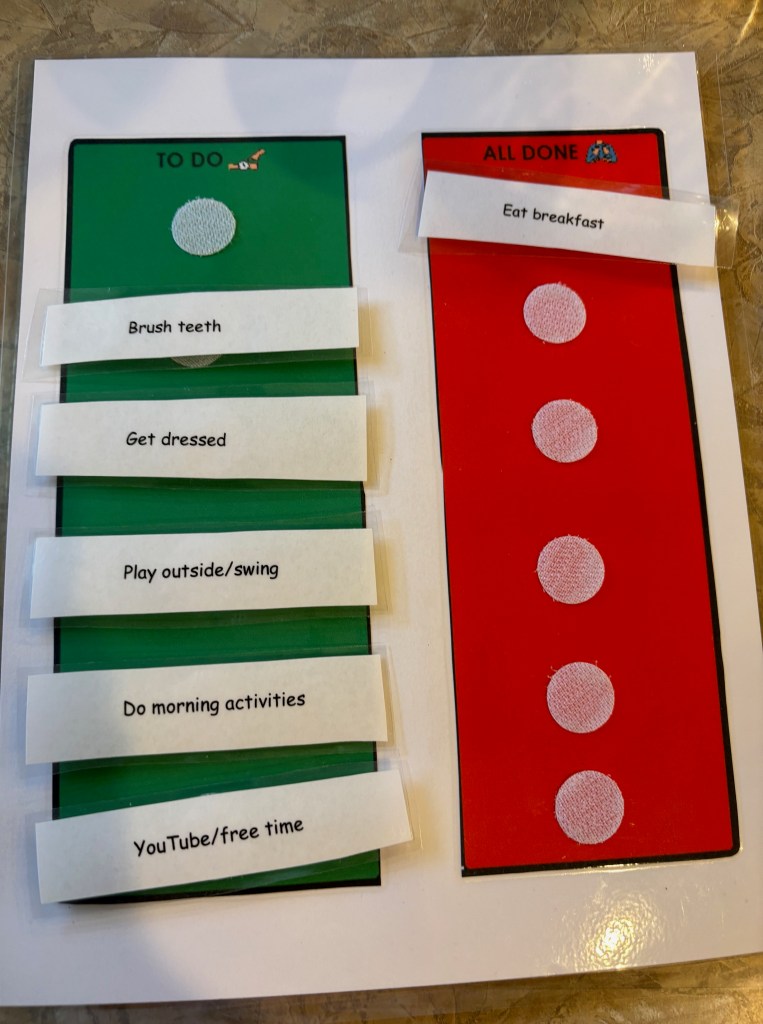
    Not a perfect schedule; it should include pictures. But I’m 99% sure Daphne knows these words. We model them on her talker (which has great visuals) all the time.

    Her dad and I were even good about keeping her active on Saturday. We drove to Williston and took her to Get Air!, a trampoline park. She enjoyed it as always, though on this trip she seemed more sensitive than usual to the cacophony of dance music/kids’ screams. After two hours jumping, we drove a little farther into the city proper (the only place that possibly qualifies as such here in Vermont), where Jer ordered beach fries for a famished Daph at Burlington Bay Market on Lake Champlain.

    Yummy

    While they were snacking, I shopped for dresses next door at April Cornell.
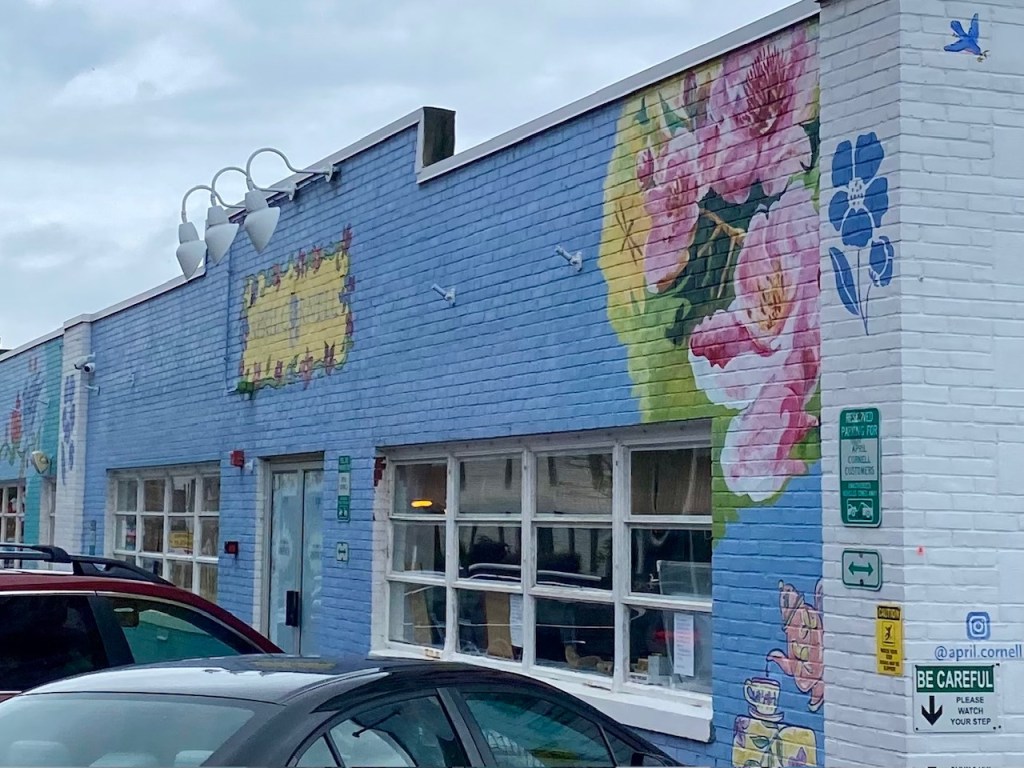
    Who doesn’t love a pretty boutique?

    I typically go for the simpler, sportier type of dress like the ones I adore from Prana (with their amazing built-in bras), but given that the long, flowy, flowery pioneer styles are fashionable right now, I figured I’d try to look somewhat trendy for the symphony and ballet performances coming up, so I was eager to check out the billowy, floral garments at this flagship boutique. I found two lovely discounted dresses in their basement section, one a sleeveless shift and the other a three quarter-sleeved short dress, and only paid $70 total–a brilliant win since I didn’t have to feel guilty about buying myself new clothes.
    Even the bag is pretty

    This past week was good for another reason, too. I figured out how to carve out some quality time for writing.

    I was concerned about this. I’d been on a roll for the entirety of Daph’s school year. While she was gone each weekday, I’d write for an hour or longer, and most days I’d work myself into an awesome flow state, which allowed me to produce a fair amount of work in those nine months. During that time, I wrote a 30,000 word novella, two poems, a short essay, and twenty short stories, which sounds like a ton but most of those short pieces were flash fiction drafts about 1,500 words or fewer, all composed during a February flash fiction challenge. I also wrote 50,000 words of a novel during National Novel Writing Month (NaNoWriMo) in November.

    The best part of all that was the daily writing habit I developed. It’s now so ingrained that it feels wrong if I go longer than two days without writing something, and I feared I’d lose this habit, this need to write, over the course of the eight week summer. It’s tough to work when Daphne’s home, after all. She needs me for all kinds of things, from help with meals to dressing and hygiene. Plus, she loves her mom, and I love her. Our quality time together is lovely, and she can get her feelings hurt or do something unsafe if she thinks I’m ignoring her for too long. My husband has to work; he can’t watch her for me as well (though he jumps in to help when he can).

    You might think, ok, write when she’s asleep. But she’s been waking up early, sometimes at 5 am, so getting up to write before her hasn’t felt like a great option. I’ve written a little at night after she’s gone to bed, but I’m not a night owl, and both times I nodded off over my laptop.

    Ugh… just can’t do it.

    On Wednesday, however, it occurred to me–duh!–that I could employ the daily time blocked out for YouTube on Daph’s visual schedule as writing time for me. If I’ve effectively limited her YouTube, then it absorbs all her attention when she does get it, and I realized I could use that 30-60 minutes as a writing sprint and know she was safe and sufficiently entertained.

    A writing sprint is just like it sounds: you set a timer for a short period, anywhere from fifteen minutes to an hour, and then you write nonstop until your timer goes off. At that point, you can give yourself permission to be done.

    This way, at least I could get a little more added to my novel, even if I didn’t have the luxury of slipping into flow and banging out several thousand words, which is how I prefer to write. I considered, too, that even if I produced nothing but garbage in that short time, I could always edit it later. Some is better than none, after all.

    It worked.
    It was hard at first because once my timer went off, I just wanted to keep going–I was about to hit flow and wanted to continue the scene, or I desperately wanted to revise what I’d just typed. But, I didn’t. I saved my draft, closed the laptop, and got back to my child, just in time to prevent tears as the dopamine waned (sadly, it entertains her for shorter periods these days). By Friday, once I’d sprinted three days in a row, it was easier to let the work go and just move on. I had the satisfaction, too, of knowing I’d written something and that it was staying active in my head, allowing me to think up new developments which I typed hastily into the Notes app on my phone. I also felt good knowing I was still giving my daughter the care and attention she needed without bothering my poor husband too much.

    Work-life balance. It’s definitely a thing.

    I used to think the term “work-life balance” was such a cliche, but it’s true. It’s a real thing, and it can be tough.

    The numerical result? Last week, I wrote a total of 2,726 words, a vast majority composed during these sprints! I can tell you this number because I’m tracking my progress via daily word counts on a Google sheet, which I started when I began my novel for NaNoWriMo and, finding it to be such a great accountability tool, I continued using it long after NaNoWriMo ended. My zero draft now sits at 97,292 words (which is ridiculous because I’m not even close to the end. The draft is a hot mess, but that’s another story for a later post), and I’m thrilled to know I can keep chipping away at it over the course of these hot, school-less months without losing sleep, my poor mind, or the feeling that I’m a decent mother.

    To wrap this all up, If you Google benefits of writing sprints, here’s the first answer you get. Sprinting “pushes you to write more words fast, by forcing you to start writing and ignore your inner editor” (from “Writing Sprints: A Simple Exercise That Benefits Every Writer” by Joe Bunting at thewritepractice.com). It also helps you gain regular practice while combatting procrastination and perfectionism. The result? Progress.

    And while you’re progressing, you’re finishing projects and likely getting better. After all, as Neil Gaiman says, you’ll learn more by finishing a failure than you ever will by finishing a success… and you’ll definitely learn more by finishing a failure than you ever will by starting something brilliant that you never complete. These seem like wise words, and I’m trying to write by them.

    The master knows

    But what they mean is, you HAVE to write. Which often means you HAVE to make the time to do so over the course of a busy day in a full life. And writing should support life, not the other way around (another Stephen King paraphrase).

    For me, these sprints plus the visual schedule are proving to be great time management and accountability tools. If you are a special needs parent or caregiver and you’re struggling to carve out time to work on something for yourself, I recommend both if you haven’t tried them. The visual schedule also benefits your child, of course, and the sprint can become a quick burst of energy for anything— studying, reading, crafting, building a business, etc. Again, some is better than none.

    I really think they’re going to be a game-changer for us this summer.

    As always, let me know your thoughts, and thanks for taking the time to read this.

    Happy working!

    XOXO,
    Jenn

  • Author-Character-Reader

    Let me start by saying, I hope you had a nice Father’s Day. If you’re a guy and have your own child(ren) or precious pets, I hope someone made you feel loved and appreciated. Even better, I hope you were able to celebrate your own dad/father figure too. Dads are important. I dislike how even now in popular culture they get stereotyped as bumbling, immature fools or as cruel, controlling patriarchs. Most dads are better than that, especially nowadays, and we need to continue recognizing and encouraging their contributions and participation in all aspects of their children’s lives.

    Crystal Lake on 6/15

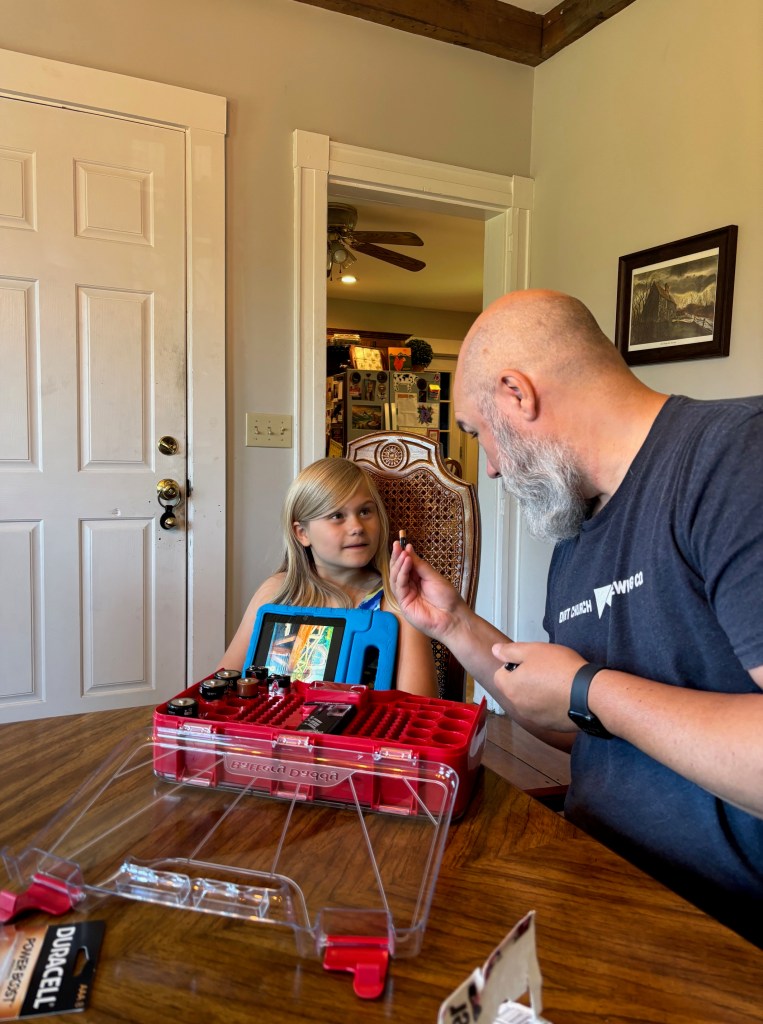
    On Saturday, Daphne and I enjoyed four hours in the cool weather on Crystal Lake with our favorite guy, and on Sunday morning we gave him his Father’s Day gift–a Battery Daddy– and triple chocolate cupcakes before heading out on a casual jaunt to our favorite suburb, Lebanon, NH (great place to visit but, being a suburb, we wouldn’t want to live there).

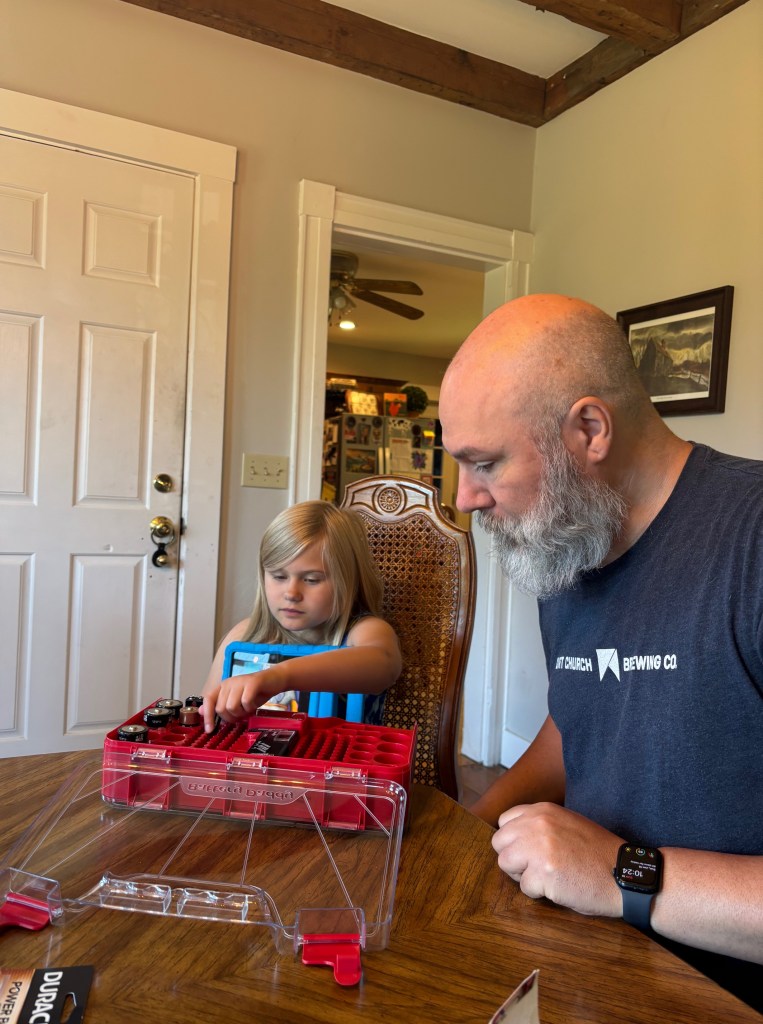
    Jer asking Daph if she wants to help him load his gift
    She was happy to and did a great job!

    In Lebanon, we bought $50 of random stuff at Target, walked through JoAnn’s Fabrics looking for potpourri, and had lunch at Wendy’s because Daph had been telling us on her AAC device (her “talker”) that she wanted French fries and chicken nuggets. Then we headed home to give our own dads a call. Later, Jer admitted he didn’t feel like firing up the grill as we’d planned, and I gladly told him no, relax instead. All in all, not the most exciting or novel Father’s Day weekend, but it was cheerful time spent together, and I think Jer just enjoyed being with his girls.

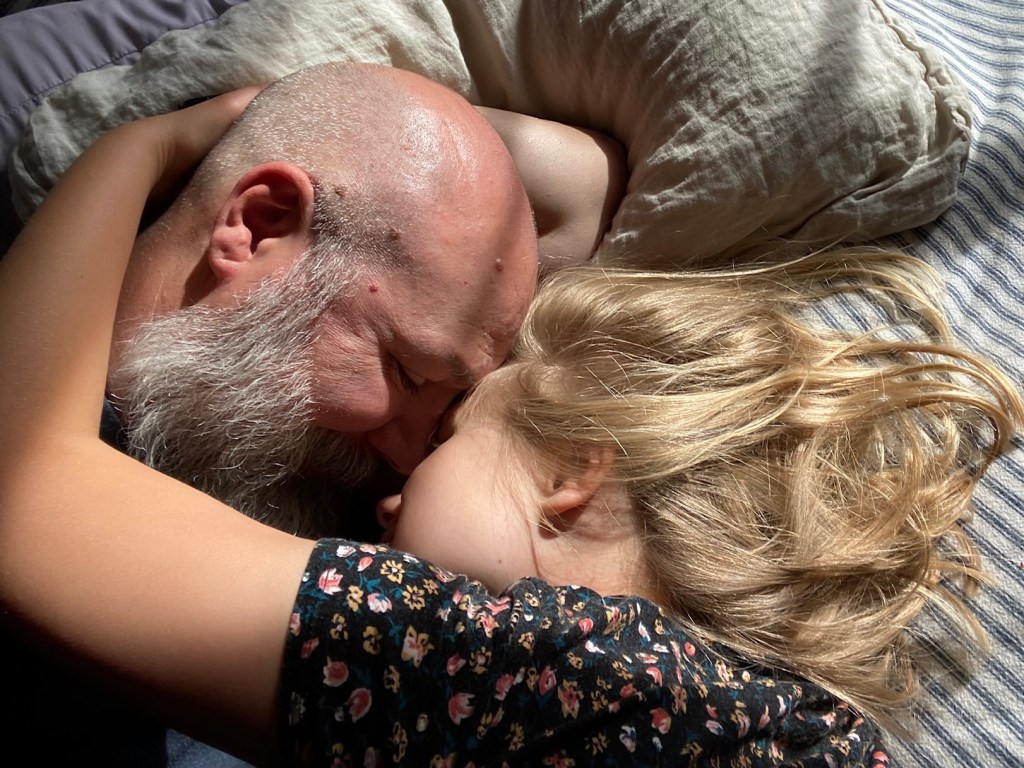
    This melts my heart

    I will say it again–I am so lucky. He is an amazing daddy. He’s always been a true partner in every aspect of parenting, right down to the physical care of our child. When we’re struggling through a rough patch of behavior or need to advocate for something in our daughter’s education, he’s there beside me to listen, provide respite and advice, and help me carry the emotional and decision-making loads for things like trips to the ER and sensitive school meetings.

    Thank you, babe. We love and adore you.

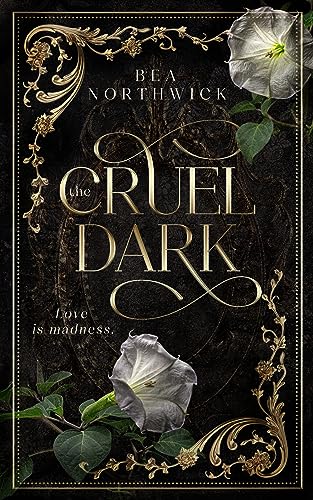
    On a writerly note, I also finished reading The Cruel Dark by Bea Northwick on Saturday morning. It was a great book, and Northwick is my new author hero. After years in the query trenches trying to publish traditionally, she finally chose to self-publish this novel, her debut, and it deservedly won this year’s Writer’s Digest Best Self-Published E-Book award. It is a horror love story with gorgeous Gothic elements, lovely language, a satisfying ending, and some great spice (“spicy Bronte” it’s been called, though it reminds me more of Rebecca with some old-school VC Andrews vibes). Though titillating, the sex scenes do not come at the expense of the story. Not at all. Yes, they are developed and vivid, but they’re also tasteful and function not just as a source of reader excitement but also as a way for the main character, Millie Foxboro, to physically ground herself as she battles what feels like increasing mental illness. Thus, the descriptions felt relevant, not gratuitous at all.

    Version 1.0.0

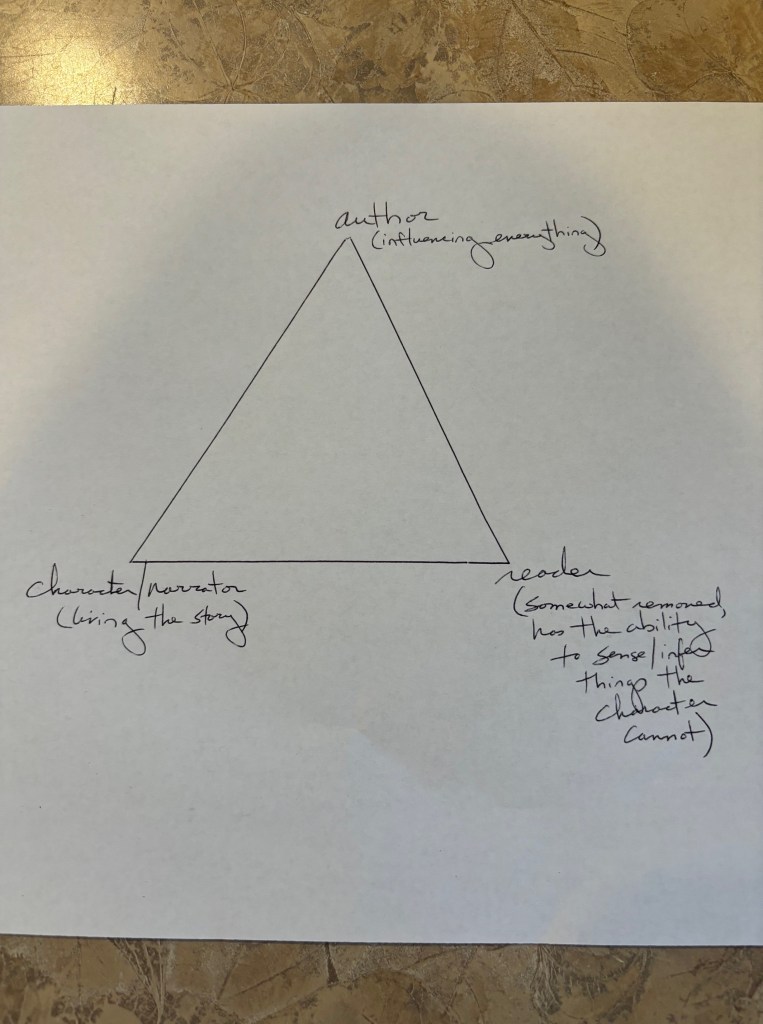
    Another reason I love this book is because it’s a successful example of a challenge I’ve become familiar with as a writer myself: that challenge, when composing a story, of keeping straight the character’s narration, the reader’s experience, and your own authorial intentions. This is a little abstract, so bear with me. Author-character-reader is the idea that there are three separate lines, or levels of consciousness, at work during the development of a story, and ultimately they connect to form the shape of a triangle (if you want to visualize it that way), with the author at the top followed by the narrator/main character on the bottom left and the reader on the bottom right (or so I see it).

    I sketched this last night while making dinner

    It is very easy, when you’re drafting, to confuse these lines, to tangle them or allow them to connect incorrectly, misshaping the story and confusing the reader in the process. Let me try to explain.

    The author begins with characters and struggles, which develop into a plot framed by settings. Ultimately topics and theme(s) emerge. All of this swirls in the author’s mind–there’s a plan, an intent with a message.

    Now, the author conveys the story via the main character, describing and narrating events and emotions as this character experiences them, and the reader’s experience is vicarious through the character’s eyes, especially if it’s a first person point of view. As this character becomes aware of certain facts at certain points in the plot, truth dawns on him/her and the story concludes. Perhaps before that, however, the author wants to foreshadow something, or maybe the author purposefully makes the narrator unreliable and wants the reader to sense there are other realities at work, which can heighten the mood, create interest or suspense, and add depth to the story. If this is the case, the author has to include (or perhaps omit) certain details and choose certain words to make a thoughtful reader pay attention, and when the character him/herself finally makes the discovery or realizes the truth, the reader experiences an exciting moment of satisfaction–the I Knew IT! moment. This takes skillful, conscious maneuvering on the part of the author, an ability to compose and revise effectively at those three different levels–the character’s, the reader’s, and finally, above it all, the author’s–without leaving something out or including something too early. No easy feat, especially in the hot mess of the early drafts when the elements are still rough and all kind of knotted up in the author’s imagination. Teasing it out effectively is more complex than a nonwriter might think. When it’s done well (after a lot of feedback and revision usually), it’s seamless and satisfying.

    This is another way in which Northwick succeeds with The Cruel Dark.

    WARNING: SPOILER AHEAD! STOP READING NOW IF YOU THINK YOU WANT TO READ THIS BOOK.

    In Northwick’s novel the main character, Millie, takes a new job as an assistant to a reclusive professor working from his creepy, abandoned mansion in the New England countryside. Millie has a difficult past–her mother was abusive, her father neglectful, and she woke up two years ago in a psychiatric ward, unable to remember anything in recent memory. Now, her special knowledge of Celtic mythology, plus the lure of an exorbitant paycheck, has her taking this position despite her trepidations. She learns right away that the professor’s wife went mad and committed suicide by throwing herself from a cliff. Hearing this, Millie thinks about her own former nickname, “Mad Millie,” and once she gets to the mansion, a maid screams when she sees her face, the housekeeper is ill at ease, and her new boss (tall, handsome man, of course, slightly dangerous) keeps his back to her, unwilling to look her in the eye upon introduction. When Millie and Callum, the professor, do come face to face in a dark corridor at night (as Millie follows strange sounds and visions), the professor suggests he finds her irresistible and that she ought not to tempt him toward lewd desires. All dark and romantic, yes, but not random. Not necessarily there for the sake of just genre and sex appeal. What all of that suggested to me, the reader, was that the main character, Millie, was in fact the professor’s wife (not actually dead), and that this situation was all somehow a way for him to get her back, though of course she herself, the narrator, has ZERO suspicions of such a thing. I also suspected, despite all the suggestions that Callum was malicious (from other characters, the dead wife’s diaries, and the MC herself), that he was in fact a good man in love with Millie and desperate to have her, his beloved wife, back.

    And, bingo.

    When I finished the book on Saturday morning, I learned I was right.

    I do believe Northwick wanted readers to make my same prediction. Therefore, she had to carefully craft details that could look logical one way to Millie the narrator but make perfect, ironic sense another way once they were reconsidered at the story’s end, all without Millie inadvertently thinking or saying anything she shouldn’t yet know. Again, no easy feat, and as a reader it worked for me. I was driven to solve the mystery of the details and confirm whether I’d been right, and I found it highly satisfying to see my prediction validated. I also loved the ironic characterization of the professor. It made for a tender, surprising love story, and one of redemption for Millie, who by the story’s end is a stronger person.

    In contrast, maybe an author doesn’t want to do that. Maybe s/he wants the reader to be surprised or to realize something new right along with the main character, so s/he has to be careful not to reveal too much too early in a particular word choice or detail. This can be tricky when one is getting everything out in an early draft, during that time when something (big picture in mind) can accidentally slip in–when the narrator accidentally describes something from the author’s level (momentarily becoming the author) and not as the character him/herself. It’s an error, a confusing mistake.

    It’s one I nearly made in an early draft of my own short story “We Were the House of Usher,” a retelling of Poe’s famous tale “The Fall of the House of Usher” from the doomed character Madeline’s perspective.

    The decrepit House of Usher

    I won’t reveal too much, but I realized in an early passage that I described Madeline wanting to escape the “deathly influence” of the Ushers’ castle. “Influence” was the problem here; I realized I was perhaps suggesting too much too early. I wanted, instead, for readers to realize the nature of the story’s magic alongside Madeline herself, which must come later in the tale. I wanted that part to be something of a surprise, so I didn’t want to give close readers anything, in that respect, to go on. I also realized it would be illogical for Madeline to think that way so early about her house–she would have no reason at that point to suspect it was having any kind of direct effect on events. Consequently, I changed the phrase to “deathly atmosphere,” a word much likelier to come to Madeline’s mind at the story’s beginning. I’m now eagerly awaiting more suggestions from a developmental editor; I’m sure she’ll have other corrections like this one, for there are certainly multiple lines of consciousness at work in my piece, and I’m sure I’ve confused them in other places too.

    I did, however, intend to suggest something early in my story about my Roderick Usher (much like Northwick does about Millie’s situation early in her book). I wanted to suggest an ambiguity in Roderick’s character, that perhaps he’s not exactly as his sister perceives him. Therefore, in the early dialogue, I intentionally have him respond to her angry fit in particular ways. I wanted to suggest that Madeline perhaps jumps to emotional conclusions about her “awful” brother. In so doing, I’m aiming to stir readers’ curiosity about what exactly happened the night of Madeline’s engagement supper, which, in turn, should make them want to keep reading. Hopefully, I succeeded.

    Ah, these two. My Roderick and Madeline

    We’ll see what my editor says.

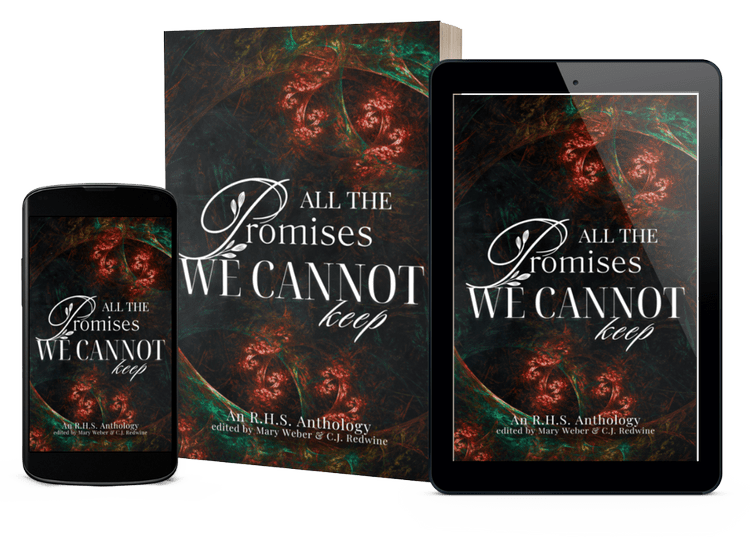
    I love this cover art!

    If you’re interested, my story “We Were the House of Usher” will be out in the Red Herrings Society’s anthology All the Promises We Cannot Keep on November 18th of this year.

    Whew. This felt like a long one. Thanks for bearing with me; I hope it all makes sense. Again, I’d love to hear your thoughts on this author-character-reader concept, as a writer or a close reader yourself. What do you think? Any interesting endeavors or experiences you’d like to share? Any failures and takeaways from that?

    Until next time, enjoy your friends and family, and happy reading! I hope it’s thrilling.

    XOXO,

    Jenn

  • Radical Revisions

    Hello again! I hope your summer’s starting well. This is my nine-year-old’s last week of school, and I’m a little apprehensive. Her support needs are high, and last summer was miserable for everyone in our household as she battled boredom and hormone-induced irritability (physically, she’s an early bloomer). Because her ability to communicate is limited, Daphne’s feelings manifested as daily tears at best and tantrums at worst, and most days felt like a marathon of bewildered and frustrated caretaking that nearly wrecked her dad and me. It was the beginning of a shift in our daughter’s personality–she’s grown moodier, less content this year–and the resentment I felt at this sudden change was tough. For a while there last summer, with nearly all my free time gone, I was on the brink of burnout.

    We have a plan to make this summer better, however. We’re implementing a visual schedule Monday through Friday that will identify Daphne’s daily activities using simple pictures and phrases. Eat breakfast, brush teeth, get dressed, play outside, choose activity, enjoy iPad, etc. Once the activity is done, Daphne will move that activity (printed on a laminated square of paper attached to Velcro) from the left-side TO DO column into the right-side DONE. That way, she can see the progress in her day and have a clearer idea of what will happen next. It will help us visualize our expectations of her, basically. Our daughter has Level II Autism Spectrum Disorder, and though she’s always been relatively flexible, as she’s gotten older and more aware of the world, she’s grown to need a clearer sense of what will happen and what she’ll need to do. Her team at school uses a visual schedule, and they’ve emphasized how well she responds to visual cues of all kinds. So, as much as I dislike the idea of regulating our home life in this seemingly strict way, I’m ready to try it, for myself as much as for her. I’m hoping the schedule will prevent me from letting too much time go by, which I think was the root of our problems last summer. We’d get up too slowly, lounge too long, she’d have too much YouTube Kids too early in the day, she’d satiate on that, she’d get frustrated, she’d fight me when we did do something academic or skill-based, and everyone was wretched…

    I will keep you updated on how that goes.

    Examples of visual schedules. They take many forms.

    It’s funny to acknowledge that summer is now the time of year I most dread. For many years, it was the late winter/new year that felt toughest. But I was an educator, a classroom teacher for fifteen years and then a curriculum specialist for nearly two, and January through March was always the bleakest, most stressful and exhausting period what with state exams, senior graduation projects, no holidays in sight, the honeymoon period with the students long over… Summer, of course, was always the sweet respite from all that difficulty, the period of true rest. Now, my life is very different.

    And that is for the best. Hands-down, absolutely. Over the last four years, our little family has made several radical revisions to our lives, and they’re among the best decisions I’ve ever made.

    Let me back up a bit. I am a native Houstonian, and until spring 2021, I was also very much a suburbanite. I grew up in a little West Houston suburb, came back after college to live in the nicer suburb of Sugar Land, Texas, where my parents moved us when I was ten. I taught high school English of all levels in a public school district nearby, and after my husband and I got married, we built a large tract home in a shiny new master-planned community in the rapidly developing suburb of Fulshear, not far from where we grew up. It was all very nice and orderly and conventional. My life was on the path I’d envisioned, we were close to our parents (which was fantastic since they took turns caring for our infant daughter after I went back to work), and our house was new and pretty. We had our baby and two dogs and plenty of neighbors around our age. I colored my hair, worked out regularly, got mani/pedis when I could. We went to the mall on weekends, out to dinner when possible, had family and friends over…

    The American Dream, right?

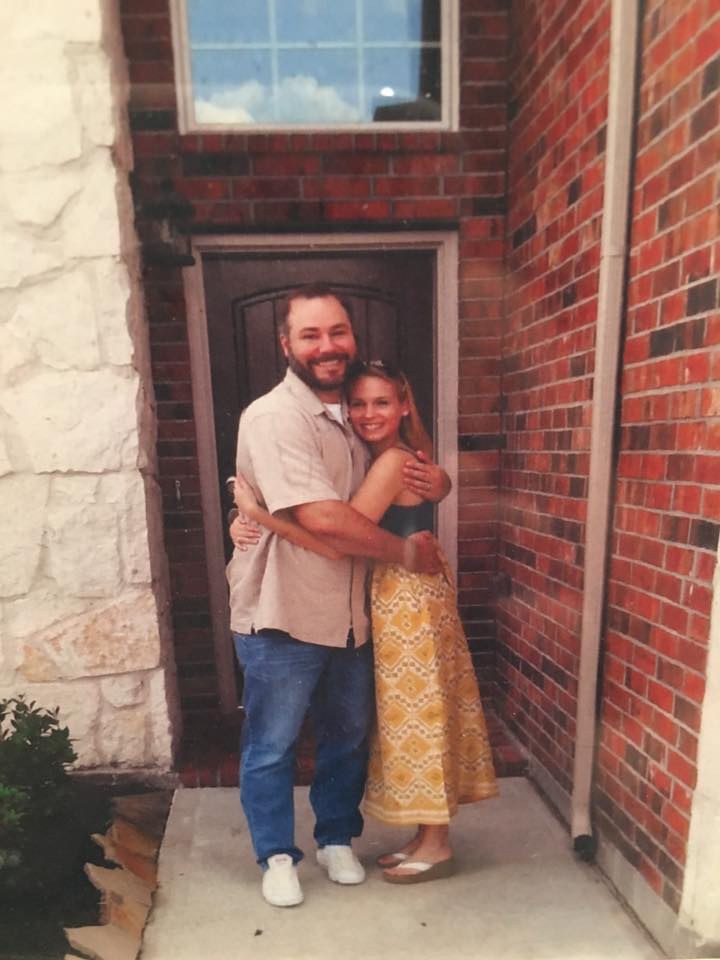
    Picture of a picture taken the day we closed on the Fulshear house, 2011. We were so naive.

    Except it wasn’t. And that became more and more evident as the years stacked up. As we failed to make any true friends among our more-conservative neighbors, many of whom acted like overgrown sorority or fraternity kids. As our daughter got older, and we faced that grave diagnosis that would make our parenting experience so different and isolating. As our friends and family made changes themselves–got married, moved away, had less time for get-togethers. As things in my work life inevitably changed–the colleagues with whom I’d been close in those early years moving campuses or districts or taking entirely new jobs elsewhere, or as my own professional decisions, to go from one campus to another or one position to another, took me away from inspiring, supportive coworkers. As my New England-born husband, never a suburbanite or a Texan at heart, grew more and more miserable. By the time Daphne was five, he was working remotely, which was great because he could take her to school once she started her autism preschool, but then it meant he was stuck at home all day, most days, in a house we realized we did not love, in a neighborhood he had grown to despise (what with houses that all looked alike and a difficult HOA on top of rude or dismissive neighbors) and everything getting more expensive thanks to insane hikes in our property, city, school, and MUD taxes.

    And I’ll be honest about my teaching career–I was never entirely comfortable in it. Never entirely happy. I’d wanted to teach because I was fortunate to have so many gifted instructors myself, particularly one AP English teacher who taught me the techniques of close reading and analytical writing, which opened so many doors of understanding and inspiration. I wanted to do the same thing for other young people, but when I student taught, it was like I’d dropped into a freezing sea expecting to dog paddle at least, but the shock of the reality was so powerful it paralyzed me and I found myself sinking, then drowning. What?! I thought in my panic. I read the manual; I’m supposed to know how to do this, how to swim. By that time, though, it was too late. I was graduating. I needed to support myself. I had to get a job, and the district in which I’d done my field work was quick to hire me, despite my struggles. What followed was a two-year crucible of nothing but utter survival. I continued to wonder, aren’t I supposed to understand this? Why is this so difficult? But I realized, though I’d learned the philosophies and abstract methods of teaching well (I scored high on all my certification exams), the reality of it all, of putting these theories into daily practice with real teenagers, without the benefit of much real-world experience, was something else completely. It was going to require an entirely new skillset I would have to develop on the job, and fast. And all my mistakes, all my blunders, all my failures would be on display everyday for my poor students. It was all one long, extended exercise in vulnerability, humility, and resiliency, and I remember having the epiphany that adulthood was nothing more than grappling with a series of unexpected problems in an indifferent world, which was SO much tougher than sitting in lectures, taking notes, writing papers, and studying for exams. Being a student was extraordinarily easy. Fun. Being a grownup and a teacher was f*****g hard.

    But I am a resilient person, and I believe in a growth mindset, so I stuck with it. I got better. Over the years, I learned to love sharing literature with my kids, and I learned to love and appreciate them not as tabula rasas but as vibrant young personalities with quirks and talents all their own. I was given team leadership positions, nominated multiple times for campus Teacher of the Year (finally winning in 2019, my last semester in the classroom), and was ultimately invited into a curriculum specialist position. I did gain control, and I learned to do certain things well. I never felt, though, that I was entirely suited to the work. Looking back, I recognize that I was always too rigid, too controlling. I was never a great facilitator, and in many ways I was also too critical of my students. If I had it to do over again, I’d do many things differently. If I ever find myself in a classroom once more, I think I will be a fundamentally different instructor– more patient, more facilitative. Less fearful.

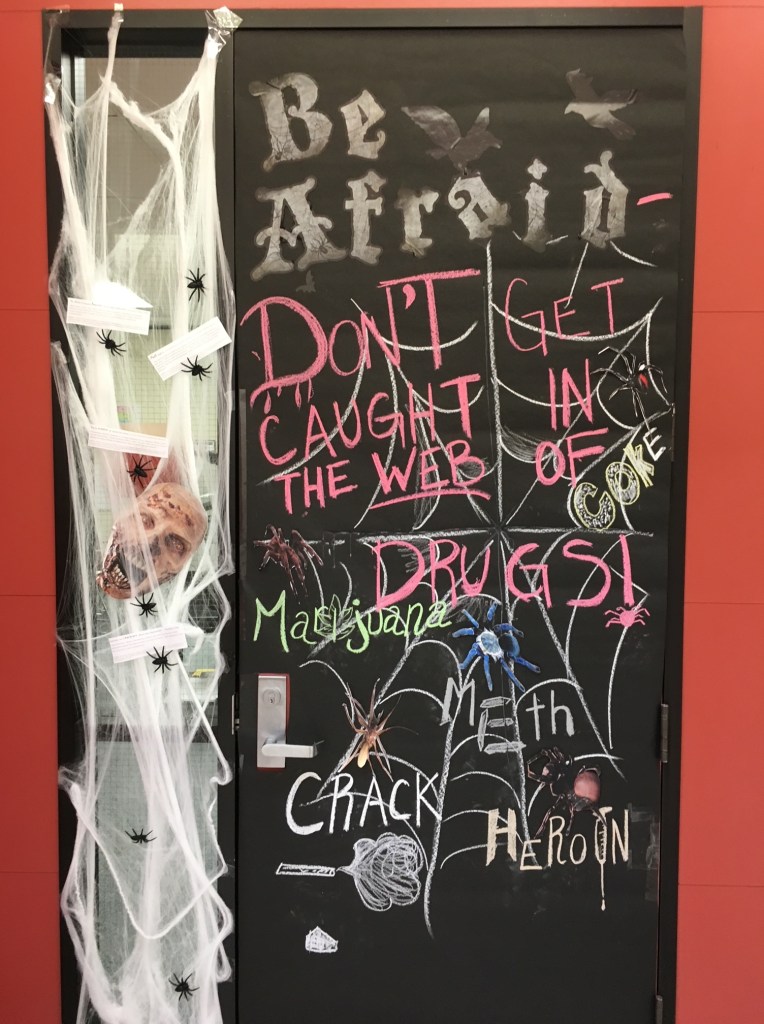
    There were many great moments teaching. Here’s a fun memory–door decorating contest for Red Ribbon Week. My students won 2nd place.

    Having said all that, I never stopped wanting to do something else, despite my professional successes. I never stopped suspecting that teaching wasn’t for me. But I didn’t know what else to do. I’d also grown complacent, so the idea of taking a professional risk by starting something entirely new, and struggling yet again on a steep learning curve, overwhelmed me, and I resisted the urge.

    Then came the spring of 2020 and the COVID-19 pandemic.

    I won’t rehash that because we all know what it was like. We were all there. I will say, though, that after pivoting so sharply, and coming through all the anxiety and discomfort, my husband and I found ourselves facing a reckoning. Things can change, and fast. Nothing, NOTHING is guaranteed. And I had hit a low point with my work; it had become clear that the people running our program and even our district only cared about numbers, even during a pandemic. Even when the world might be ending, they only cared about passing rates, graduation rates, attendance rates, the bottom line. Looking good. Even though we had students and staff grappling with challenges like supporting their families or taking care of their health. On top of all that, I’d become a punching bag for those below and above me because, in that incredibly stressful situation, I was an easy target. I had some authority as the go-between for teachers and admin, but I was no one’s actual supervisor, and I had no real ability to hold anyone accountable. All the while, I was supposed to give my boss sage advice in an unprecedented situation when I was still very new to my role. A position for which, to be clear, I never received any actual training.

    I was done.

    We were done.

    Let’s pack up and go to Vermont, my husband suggested. Let’s get away from the cement and packed-in houses, the pollution of the land and politics. Let’s get some acreage, some space to breathe. Let’s get chickens, learn to grow our own food. Let’s become a little more self-sufficient. Stay home with Daphne so you can support her in the same amazing ways you have while we’ve been in quarantine (it was during that house-bound period that we finally potty trained her). That way, my husband said, she can continue the marvelous progress she’s made here at home in these months.

    Let’s slow down.

    And I was ready.

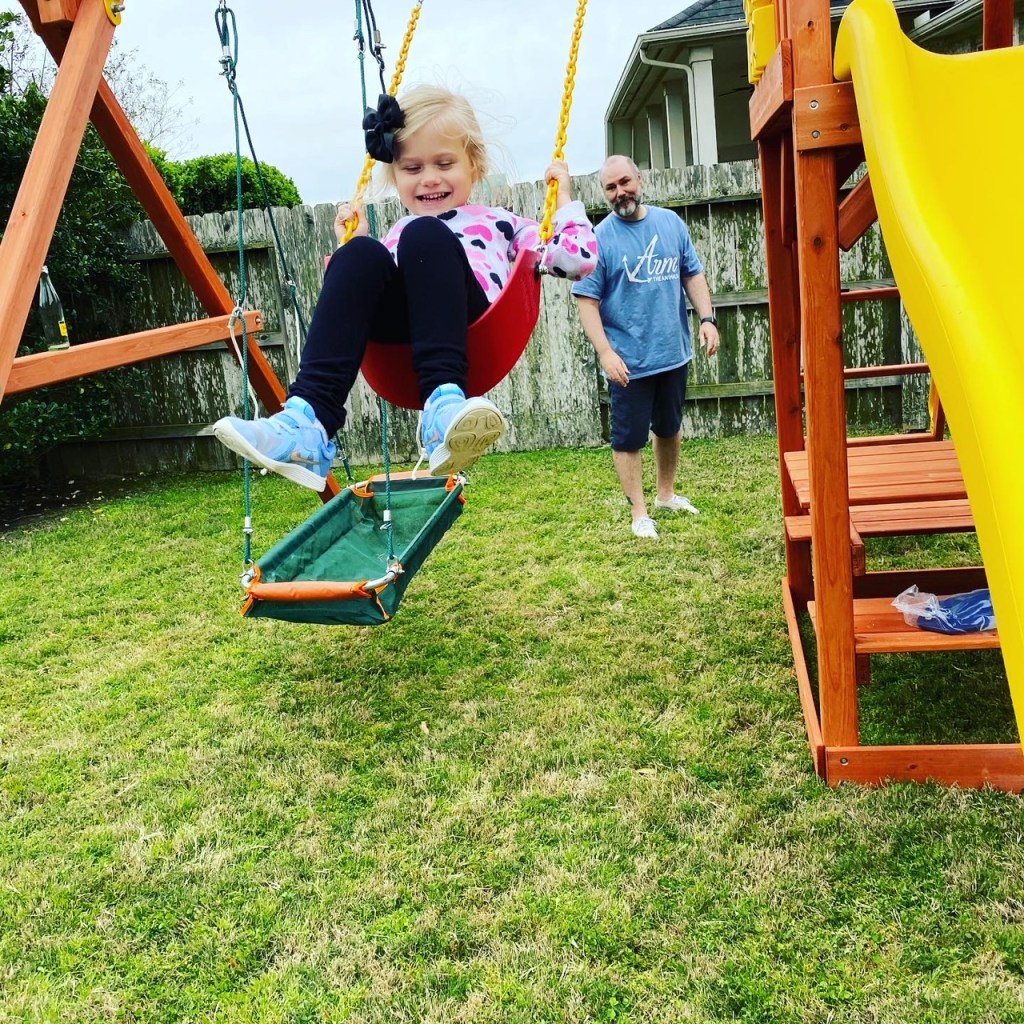
    Our kiddo was super happy home in quarantine with us. God bless this swing set–it kept her entertained.

    I think, because the world stopped for a little while and we could breathe, take a little rest and truly reflect on where we were, what we wanted from our limited time alive, I was finally receptive to change. And not just a little change–a sweeping, epic change that began with tearing up our Houston roots.

    Yank up all those roots, we did. It was brutal in certain ways, possibly even cruel, but it felt great.

    1/02/2021

    We put our house on the market in January 2021. It sold in less than two weeks, and we packed up most of our worldly things in a giant moving van and sent them on their way to storage in Brattleboro, Vermont. I gave my boss a month’s notice, and then I resigned from my job. I had zero qualms about it. Still in Texas, we alternated between living with my parents and my husband’s mother and stepfather while winter ended in northern New England. Then, on Easter Sunday, we said goodbye to our family (that was tough, no lie), piled into our new Subaru, every last inch of which was packed with the stuff we’d kept, and pointed the car north. After six days on the road, we moved into our temporary lodging, an Air B&B in an old Victorian house in Canaan, Vermont, which is literally in the most northeastern corner of the state–we were two minutes from a bridge over the Connecticut River into New Hampshire, and about ten minutes from the Canadian border.

    The population of Canaan, VT, in 2021? Roughly 800, probably a little less. The population of Fulshear, TX? Roughly 25,000.

    It was the beginning of a new era. Now, three years later, we are living happily on eleven acres of a Christmas tree farm in Lyndonville, in a two-hundred-year-old farmhouse with four chickens and a large garden in a lovely, rural area. Our daughter is doing well in the local school, whose approach to special education is premised on mainstreaming–including all students in general education classrooms as much as possible. My values have changed, and I am a happier, more genuine person.

    New home, 7/05/2021

    I’m also writing, something I returned to during the pandemic when I suddenly had more time and a great need to escape. (I’d dabbled in creative writing when I was younger, at the encouragement of teachers and professors, but I did not yet have the desire or discipline to pursue it seriously). During those months in quarantine, I wrote a Christmas novella, a love story set over the course of four days in Newport, Rhode Island in 1900. It is historically inaccurate and awkwardly written, I’m sure. Probably full of cringe. That doesn’t matter. It was the first step, and it felt glorious.

    So there you are. An overview of the radical revisions I’ve made to my adult life.

    My favorite spot in VT–AM Foster Covered Bridge in Cabot

    As with stories, our lives always have promise, the potential to be fulfilling, extraordinary even, but the executions might be flawed. So, we might have to scrap what we have and start over. Maybe the edits are easy; maybe they’re gut-wrenching. Either way, we recognize they’re necessary, and we move forward the best we can.

    I’d love to hear about your life edits. What have you reconsidered? What new things have you tried? What have you kept, and what have you discarded? How is your story better? What, ultimately, have you learned, about the world and yourself?

    Thanks so much for sticking with this, and I hope to hear from you!

    Until next time, go forth into this beautiful summer, and enjoy.

    XOXO,

    Jenn

  • A Newbie Author’s Intro

    Hi! Thanks for taking the time to read this. I appreciate it more than I can say.

    I’m Jen, and right now, among other things, I’m a writer. A hobbyist for sure, but I’ve been writing fiction consistently now for two years, and if all continues as it’s supposed to, by the end of this year I will have three publications–two in literary magazines and one in an anthology (maybe a couple more, fingers crossed). Minor publications to be sure, but pubs nonetheless. Yay! That will make me, technically, an AUTHOR–a label I’m not entirely comfortable with. And an author, apparently (if she ever wants anyone to buy her hypothetical books), is supposed to have a website, newsletter, author-socials, aesthetic, etc. She’s supposed to start building a brand and an audience of target readers ASAP, or so say the marketing experts.

    All of that feels a tad premature. (I’d like to think this feeling is rooted in humility, but maybe it’s just insecurity. *Sigh* Who knows?)

    I’m okay, though, with starting this blog. If anything, it’s just another reason to write, and that always feels good. I don’t intend for it to be entirely writing-focused because there’s definitely more to me than that, and I don’t yet have any books to sell. Plus, my experience is limited and I’m no master when it comes to the art and craft, so I don’t have enough insight to post regularly about techniques, tips, advice, etc. When I do write about writing, then, I plan to convey my knowledge and skill as it’s unfolding, as a newbie making plenty of mistakes. If you’re also a writer, new or otherwise, I’d love to hear from you! Let’s compare impressions, ideas, feelings, epiphanies, coping strategies, favorite adult beverages (I love a good craft beer, which is inconvenient given that I’m trying to reduce my gluten intake)… Always feel free to comment and share any wisdom or opinions–I’d love to hear them! Learning from other writers of all levels is one of my favorite things about this endeavor.

    But writing aside, I wear plenty of other hats. I’m also a wife, mom (and a special needs momma at that), a lite homesteader, and a former educator and dancer/fitness instructor. All of these roles, present and past, invite experiences and ideas I’m looking forward to sharing, and I hope to hear about your experiences with any of them, too.

    Me and hubby
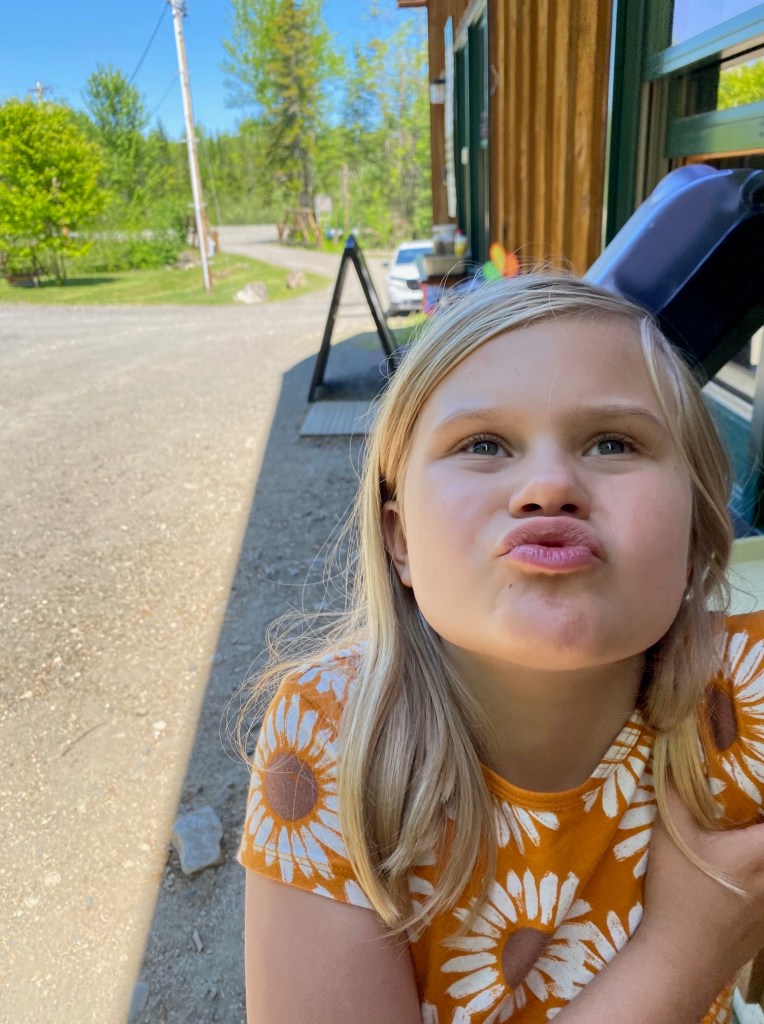
    My daughter being silly while waiting for her maple creemee

    It’s odd to sit here and draft this. The blogger in our family is my amazing husband, Jeremiah, who’s blogged on-and-off since 2002. He has such a witty, clever, ironic voice, and his posts are always super entertaining. He’s blogged about pop culture, fashion, marriage, and parenting, among other subjects. I can feel myself trying to imitate his style even as I type this; his blog is the one I’m most familiar with. Hopefully, though, my own posts will get easier and I will find my own blogger’s voice, which will be different from the voices of my narrators and characters since in my stories I, writer Jen, hover high above everything else, my conscious self nearly invisible. This blog, however, is nothing but myself, and I’m feeling rather too self-conscious.

    But since I brought up my hubby, I just want to brag about him for a minute. He is one of the kindest, smartest, and funniest men I’ve ever known. I give myself mad kudos for recognizing what an amazing and interesting person he was when I met him–way back in the summer of 2008 at his 33rd birthday party, where he had kegs of good beer, a ball pit, and nearly 50 guests wandering in and out all night, most of whom clearly adored him in one way or another.

    The afternoon of hubby’s birthday party. He was already not sober.

    I feel so fortunate, too, that he found me attractive and pursued me, and that, sixteen years later, he still adores me. He is my greatest supporter. When we uprooted our suburban lives in Houston, Texas in early 2021 and relocated to northern Vermont where I could finally be a stay-at-home mom, he’s the one who said, take this time to do exactly what you want, Jen. I was overwhelmed with gratitude, and I have endeavored to do exactly that, without squandering this precious gift on things like too much Instagram or Netflix.

    Hence, the writing.

    So, there you go. I am a hobbyist writer-now-becoming-an-author who gravitates toward historical, horror, and contemporary/literary fiction, all with strong elements of love or romance. I myself *adore* a powerful love story, whether it’s romantic, familial, platonic, or something else, and I can’t help but include at least a love story subplot in everything I produce. I look forward to sharing a few pieces on this blog, including my novelette, “Flight,” which I believe is the most emotionally satisfying piece of fiction I’ve ever written (though it is not one of this year’s published pieces. Go figure).

    I’d love to hear about you, too! Feel free to comment or introduce yourself right back, below or in the comments section of my Instagram. Let’s have some interesting convos about life, love, writing, and anything else you find chat-worthy.

    And again, thank you for being here with me as I start this blog journey. Writing can be a lonely pastime (I think Stephen King said that?), but you’re already making it better.

    I hope to hear from you!

    XOXO,

    Jenn