Jennifer Shaw

A writer's musings in the mountains

  • Happy Fall, Y’all

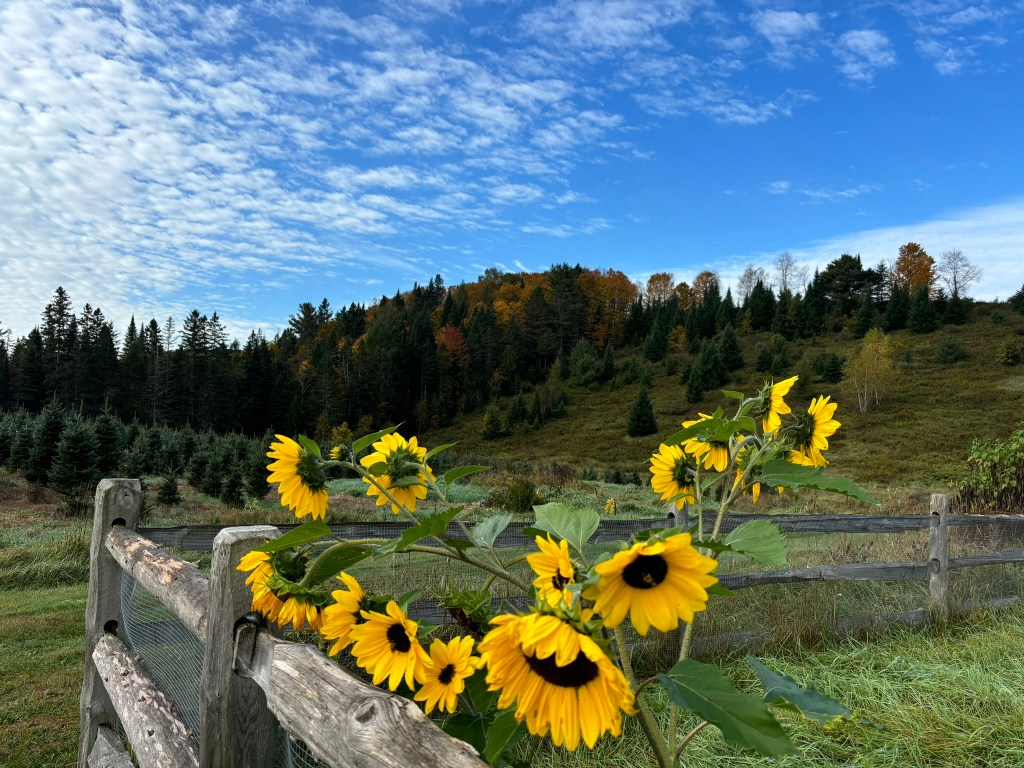
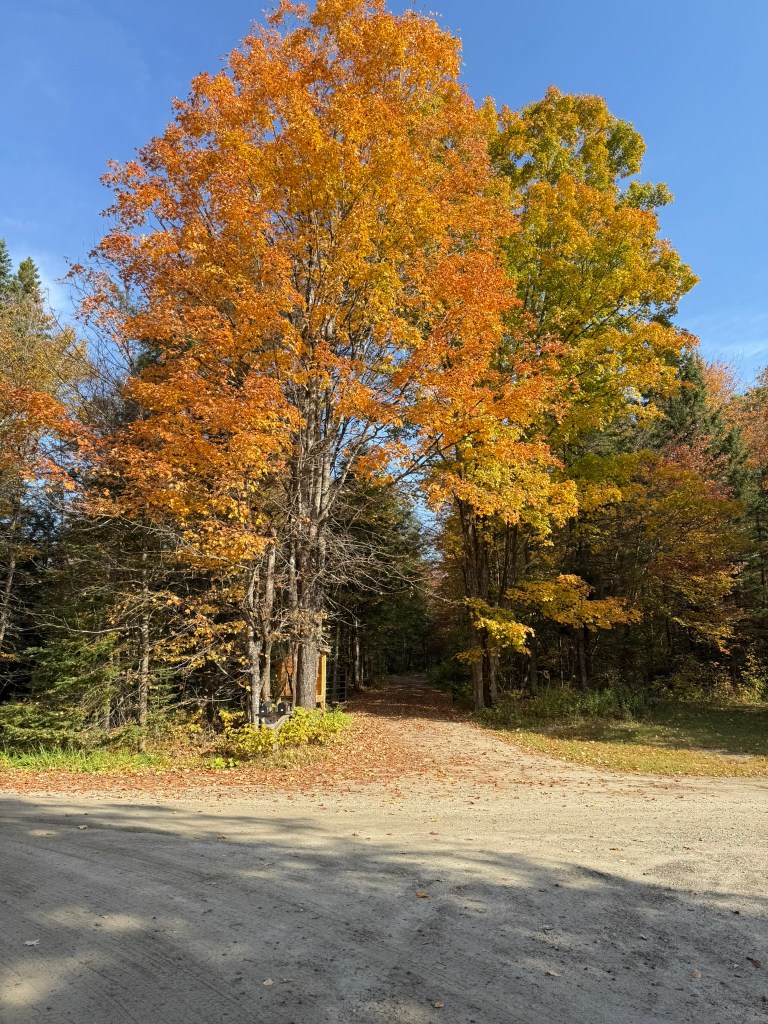
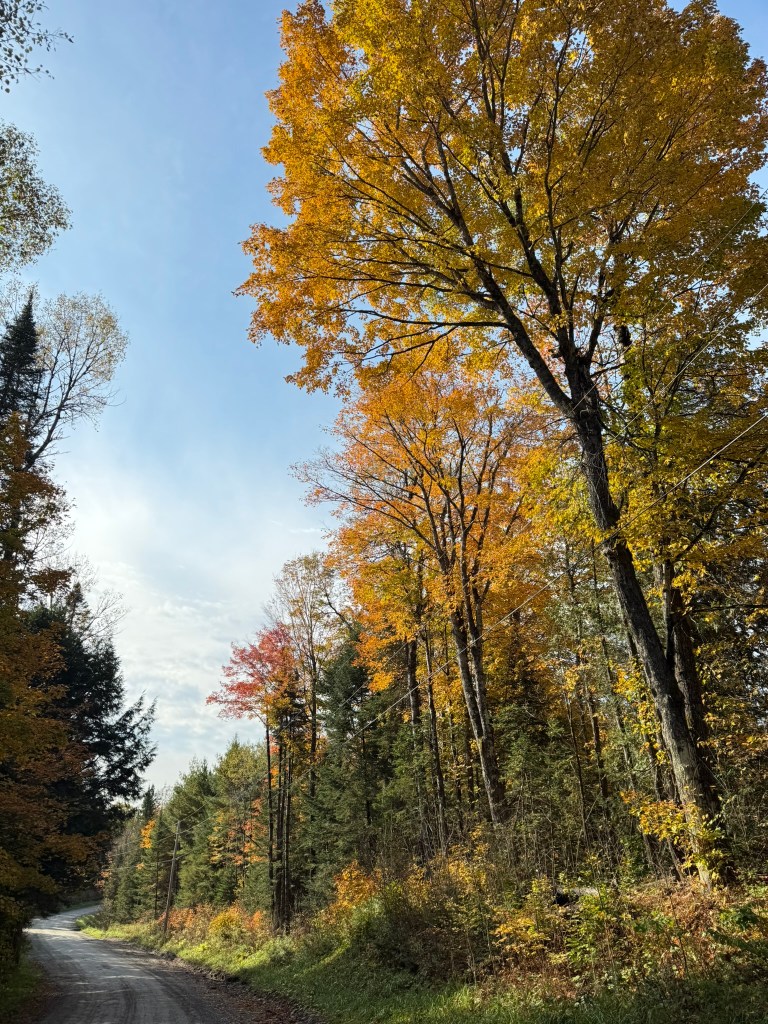
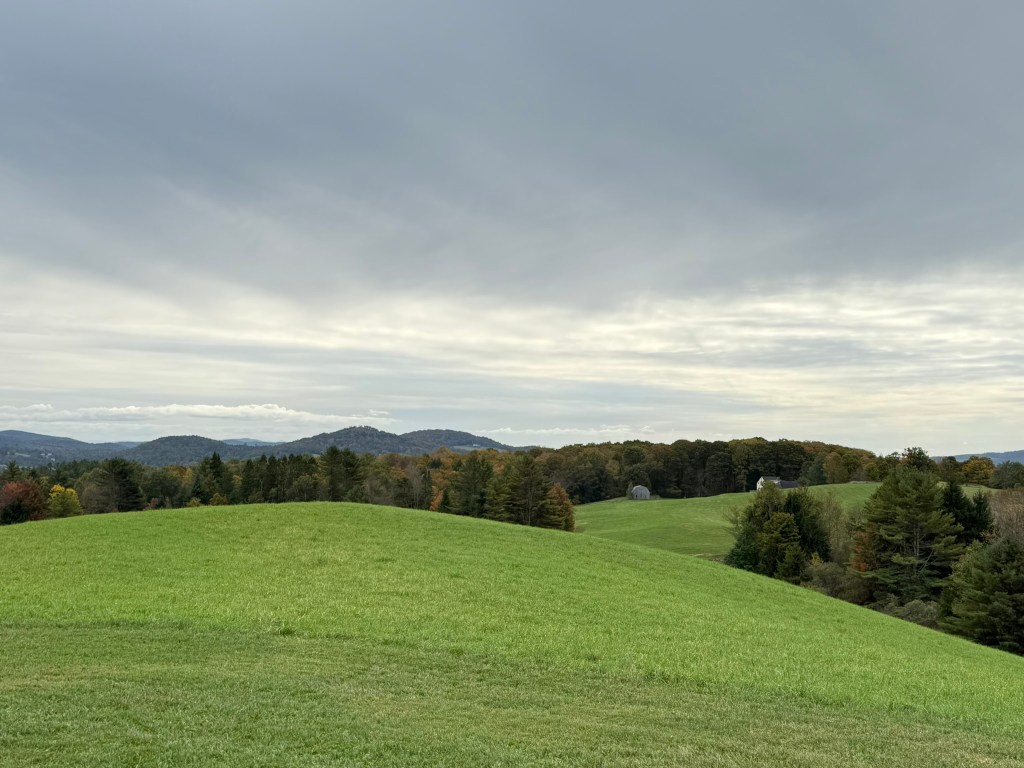
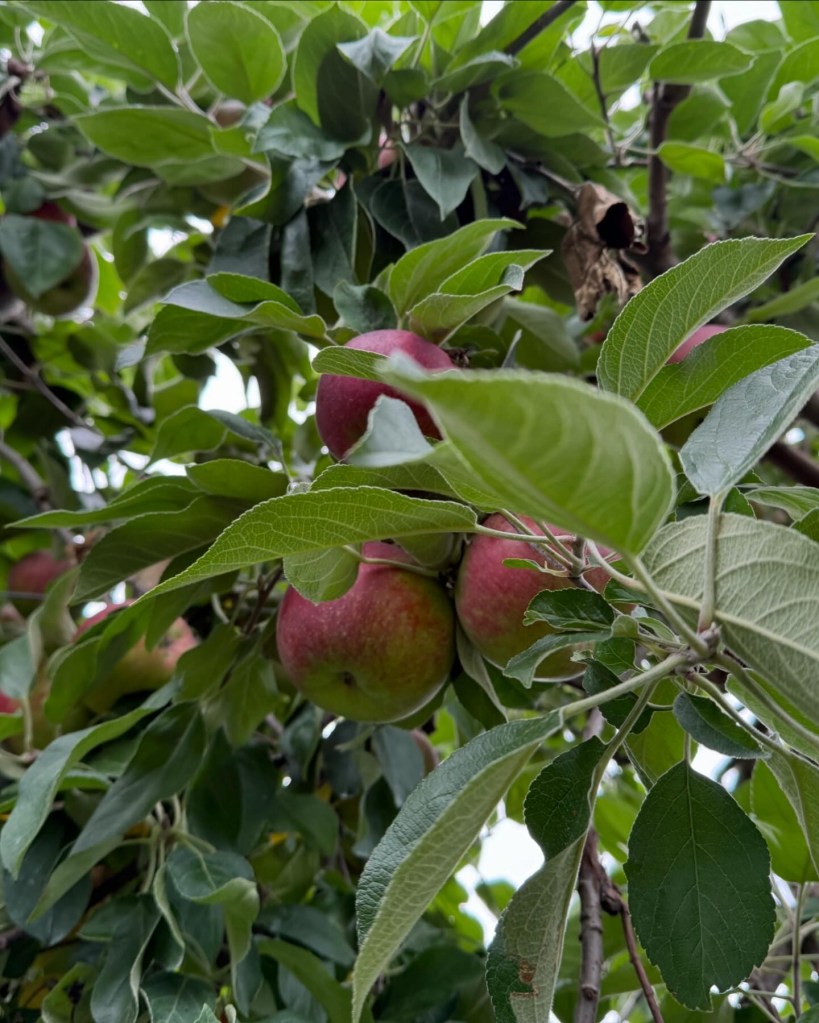
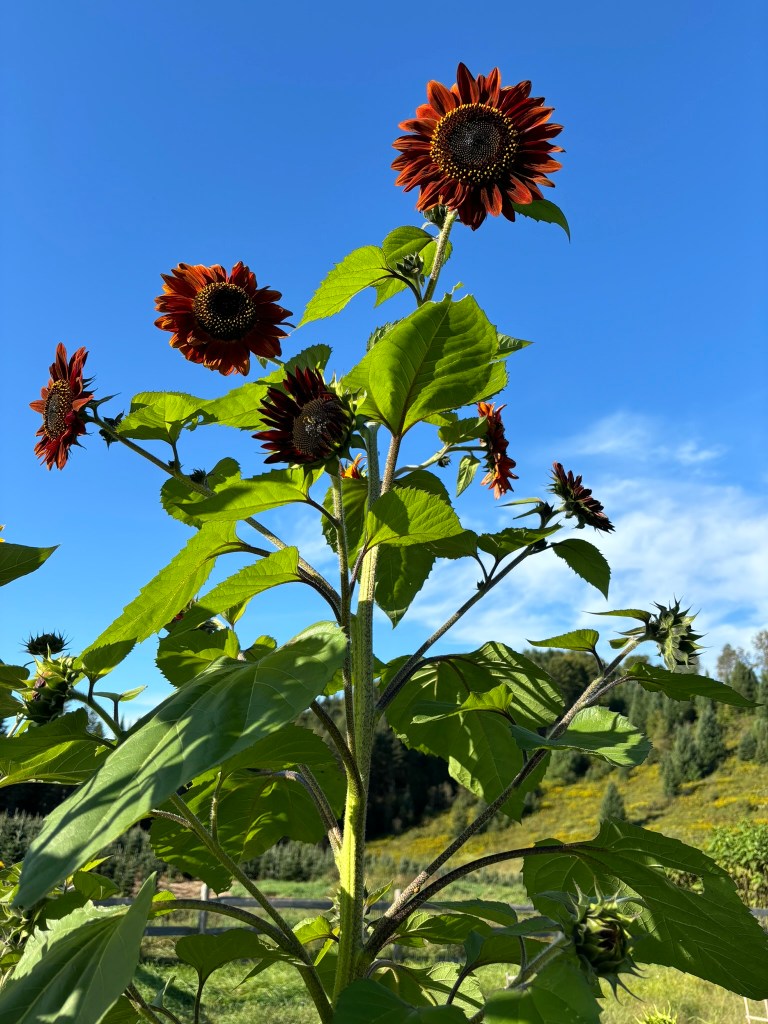
    Sunday was the autumnal equinox and of course, my Instagram feed was filled with images and quotes about the meaning and beauty of fall. That prompted me to share my own photographs of what the changing season looks like here in the NEK of Vermont.

    The leaves are just beginning to turn

    Growing up, I loved the fall season because it felt like the gateway into the best time of the year, that period filled with all my favorite holidays: Halloween (that blast of spooky-fun make-believe), Thanksgiving (the Yuletide teaser with its feast and family gatherings), and that greatest of all holidays, the toy fest that was Christmas.

    Fall meant all of that was on its way.

    The apples are ripe for the picking

    Now that I’m older, I can appreciate autumn’s symbolism. It’s the beginning of a period of rest, a time to enjoy the harvest of our labor while also considering what old things to shed and what still remains to be done– all in preparation for an eventual renewal.

    The sunflowers are thriving
    Some of the trees are even beginning to shed their leaves

    Such ideas appeal to my writer’s sensibility, and this official change in season inspired me to revisit my writing goals for 2024.

    I drafted six goals in January:

    1. Finish the zero draft of my first novel, A Home on Yarrow Hill
    2. Revise the horror novella I wrote last October, Saltbox (a title ruined by the release of that ridiculous movie Saltburn)
    3. Continue writing short stories and submit a minimum of three for publication
    4. Slowly develop my current Instagram account to include writing content
    5. Get better at making reels for IG
    6. Launch my author blog

    With just over three months left in the year, I’m pleased with my progress. It’s really rather good.

    I’ve killed #3. In fact, I’ve submitted eight (not three) short pieces altogether, with five accepted and either already published or forthcoming. Check.

    #6 is done; I’m typing my latest post for it right now. Check.

    #4 is underway, with more writing-related content posted more frequently in the last couple months. I’m happy to report, too, that no weird, awful backlash has occurred because of it (which I’d irrationally feared), so I’m pushing past the discomfort this initially caused. I’m proud of that.

    Taking baby steps on social media to promote my work

    #5 I haven’t given much effort to, but that doesn’t concern me. It feels like the least important one anyway. Plus, I don’t really have anything to market via reels just yet.

    That leaves #s 1 and 2. Which weren’t up there at the top for nothing. But, they’re proving the toughest.

    They’re also the most important, particularly right now.

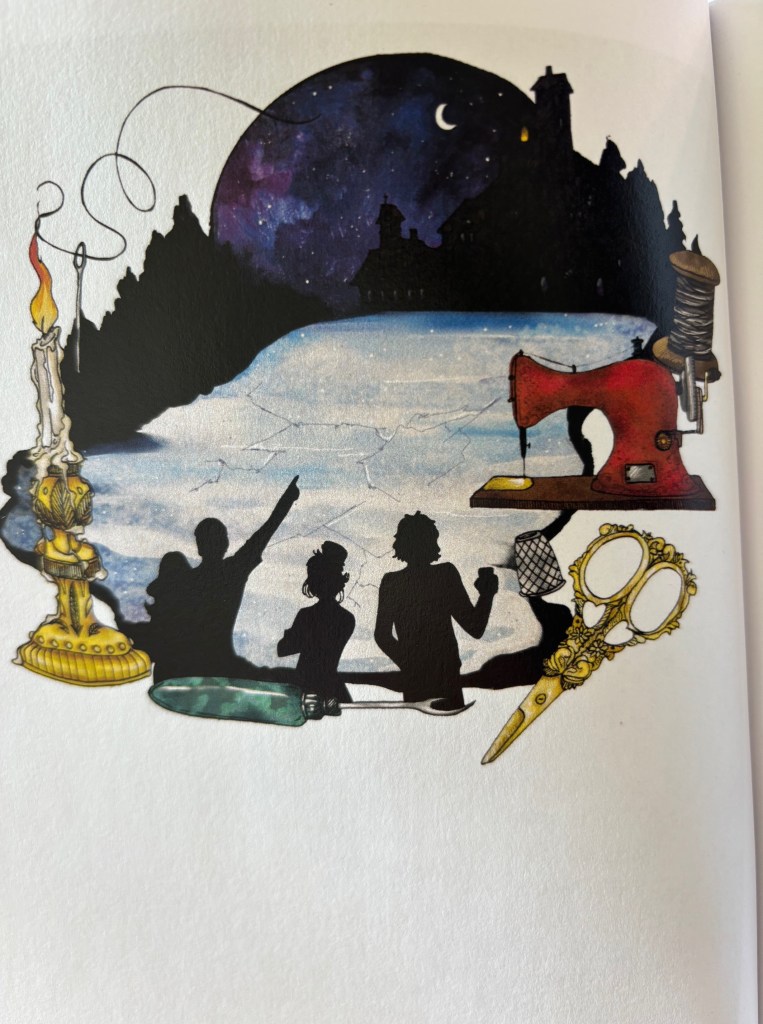
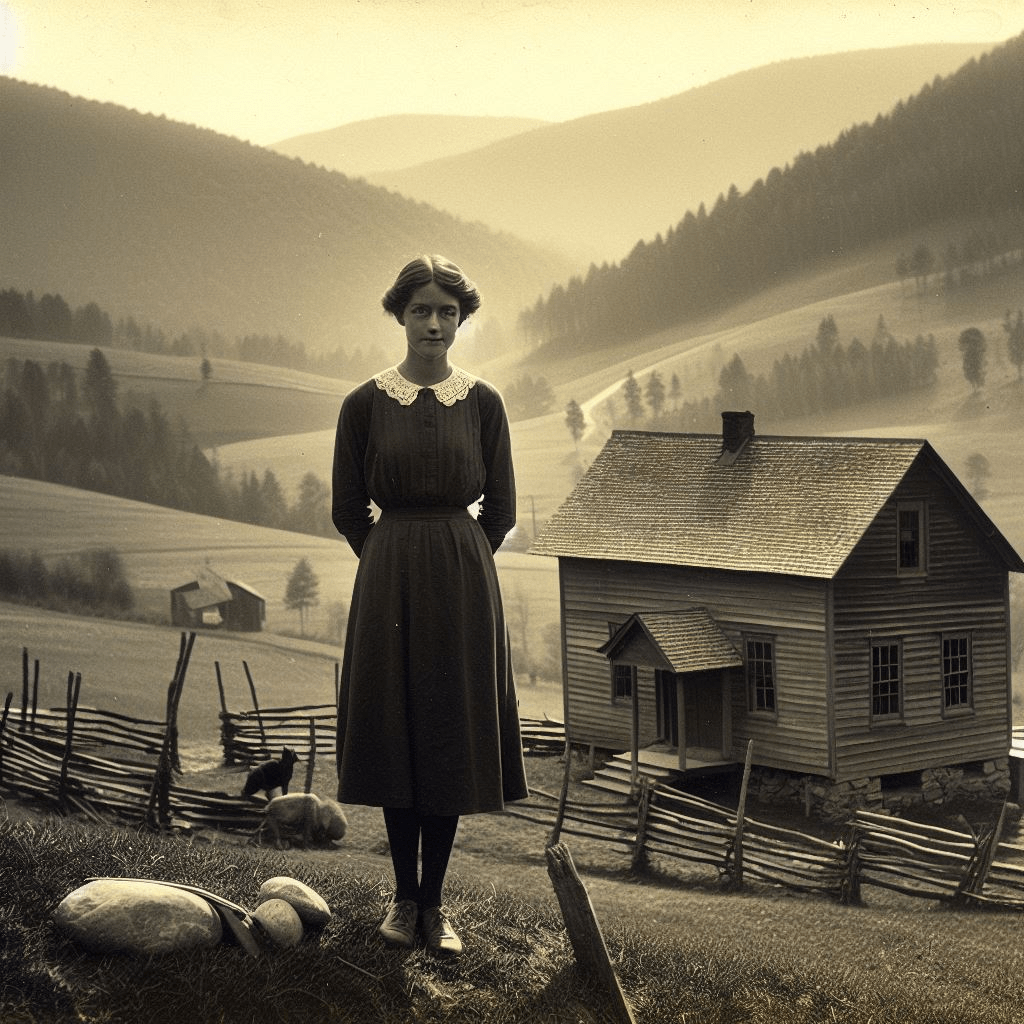
    Setting for my novel, A HOME ON YARROW HILL

    Writing the short stuff has been good for multiple reasons. It’s allowed me to improve my craft while finishing projects with relative ease. The completion is what’s so important to the learning, as Neil Gaiman says. The short pieces have also given me a few publication credits and a certain entry-level legitimacy and validation. It’s also given me invaluable experience working with, and learning from, six different editors, all while getting a look inside the professional publication process.

    An acceptance email. I’m lucky to have found publishers willing to take revisions

    But if I’m honest with myself, I must recognize now that the next phase of learning needs to happen in the context of my longer work. If my ultimate goal is to one day publish a well-crafted, engaging, and hopefully well-received book, then I need to focus on the longer pieces.

    In particular, I need to finish the zero draft of my novel.

    Ugh.

    I say that not because I don’t like it. I do. At least, I like parts of it. I still think about it on a regular basis.

    Not because I haven’t made progress. I have. I’m about 100k into the draft.

    Not because I want to give up. I don’t.

    It’s just… hard.

    I am just past the novel’s “murky middle,” I think. And I realized, long ago, that in my voraciousness I bit off way more than I, a newbie writer, can adequately chew.

    My novel is a found-family work of historical romantic fiction. It features FOUR characters, with FOUR alternating points of view. One character is a Great War veteran suffering from alcoholism and PTSD. Another character is a victim of sexual assault who is trying to make a new life for herself. Another is seeking justice for her father’s murder in the context of his newly-discovered bootlegging. And another, the most principal character, is severely dyslexic and a witness to years of her dead mother’s physical abuse at the hands of her drunken father. She will be the key to everyone’s resolutions, ultimately.

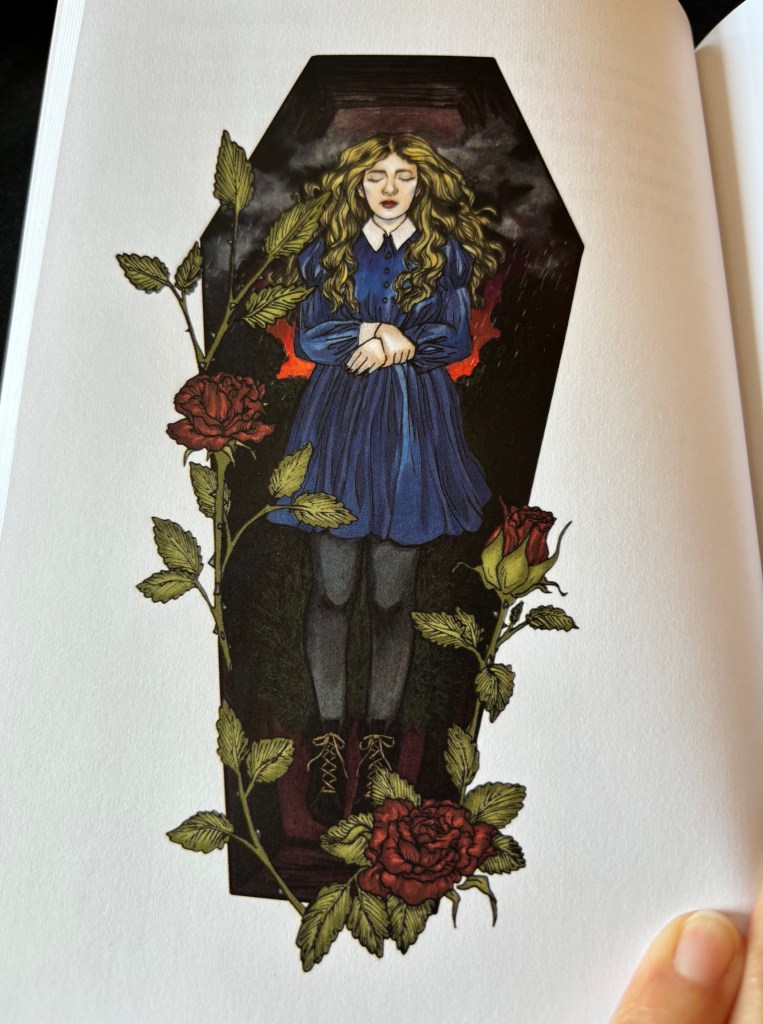
    Principal character, Amelia

    All four characters live under the same roof, helping to care for a nonspeaking, disabled relative (who we would recognize today as an autistic adult).

    If it sounds like a lot, that’s because it is. If it sounds melodramatic and potentially cringy, that’s because it probably is.

    Holy hell, what an ocean of narrative to wade into (and I won’t even go into all the research these topics require).

    I’m in well over my head now, and the floor is thousands of feet beneath me. I am staying afloat, but barely; the effort is exhausting. And that exhaustion, plus the knowledge that the draft is so stinking awful in so many ways, has kept me from working steadily on it.

    (I’ve preferred the faster, easier routes to growth and satisfaction provided by the completion of the short pieces.)

    Thankfully, I can sum up the premise of my novel rather easily: Four damaged young people, living together in rural 1920s Vermont, learn to love, protect, and heal one another.

    Ben, home from the Great War, helping Amelia improve her reading

    According to the experts, your ability to sum up your long work in a single sentence is a good sign.

    Ben’s sister Belinda, who teaches in the hilltop schoolhouse

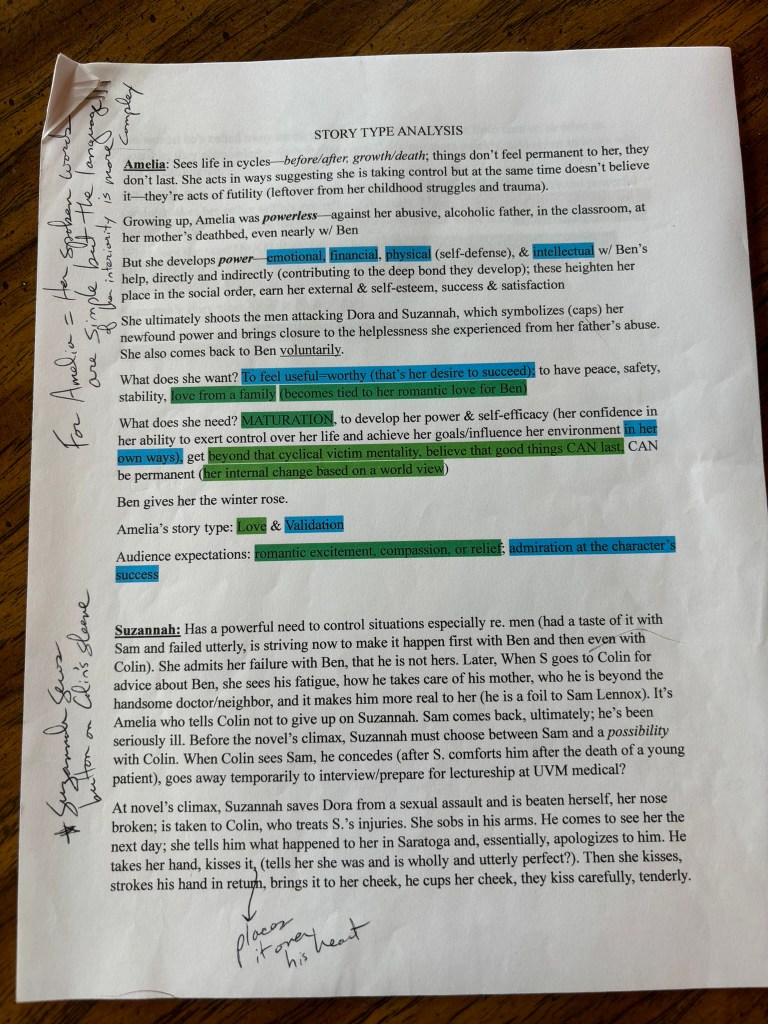
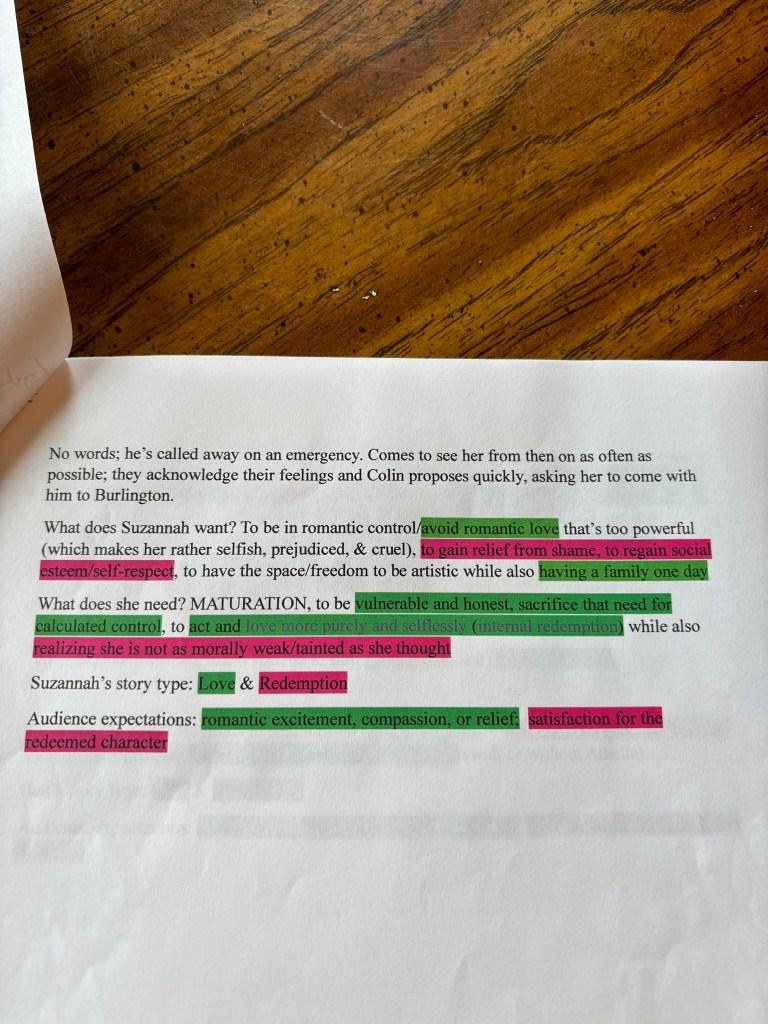
    I can also describe the kind of story it is: a found family story of love, validation, and redemption. And I have character arc notes for each main character, so there is a clear, unifying thread (I’m not so hopelessly clueless that I’m utterly drowning).

    Character and story type notes. There are two additional pages

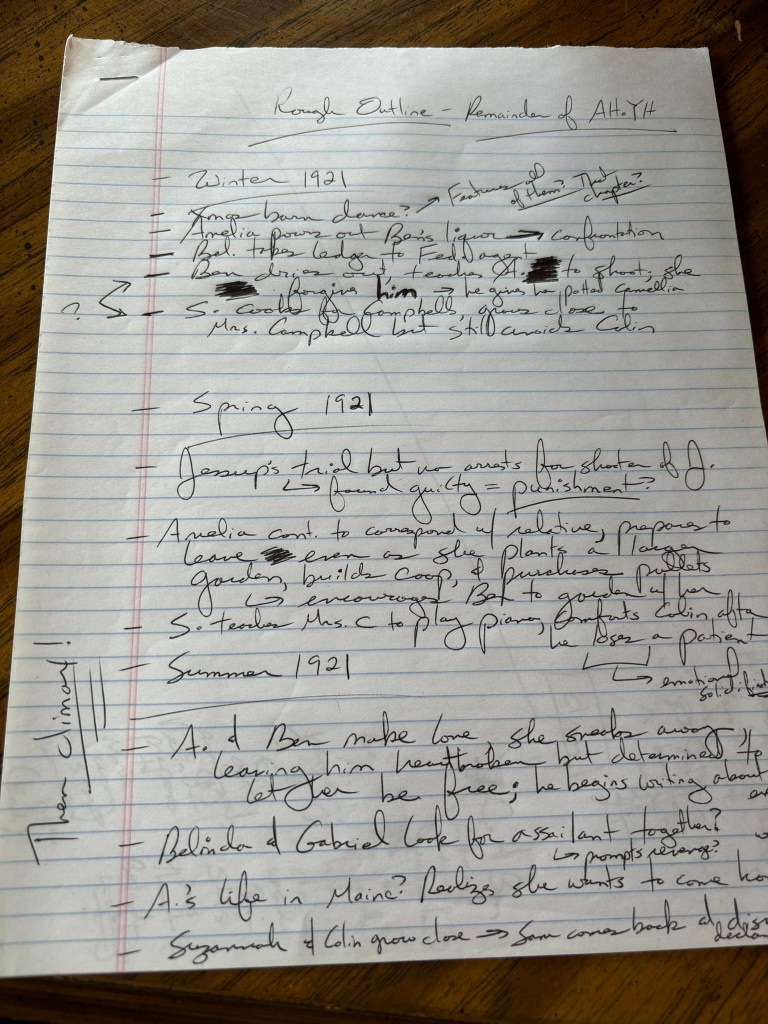
    I also have a completed, albeit rough, outline, so I know what will happen and how it will end (though I’m always open to new developments).

    Outline for remainder of draft, sloppy in multiple ways

    It is Just. So. Much.

    Way, way more than I can do well at this point in my experience. And way, way more than is probably marketable. From what I’ve heard, multiple POVs are tough to do well and can frustrate readers. Also, publishers (and probably readers) aren’t attracted to long works by new authors. I also suspect my piece doesn’t quite tick all the boxes of my genre; I need to improve my understanding and application of the conventions of my preferred genres, based on feedback from two reliable sources who are both authors and editors.

    Suzannah (Ben and Belinda’s cousin) with Dr. Campbell. Here is the romance subplot at work: that cycle of attraction and resistance

    So, I’ve been avoiding my novel.

    But that’s not how I’m going to learn from it.

    I feel like it’s best if I push through and finish a god-awful rough draft by the end of December. After that, I might never go back to it. But, I’ll have a much better idea of the scope for an effective novel (something much more focused and specific than what I’ve tried to do with this one). I feel like that understanding, that better orientation, will prove invaluable. That will be the payoff, the true learning. That will lead to a second, better manuscript.

    Author Jodi Meadows (from her own IG, @unicornwarlord), who has been vocal in talks and on social media about the value of practice. Her first published novel was her 17th manuscript! She encourages new writers to learn rather than rush to publication.

    When I started this novel, the longest piece I’d written was 30k (Saltbox). I just didn’t know what the scope of a true novel looked like in the planning, and I started this work for NaNoWriMo last year with the sole intention of getting to or exceeding 50k. I did that but, oh God, the end was nowhere in sight. (I think I underestimated my ability to develop a single MC’s story in 50k words, and that’s why I chose the multiple POVs, which was way too much.)

    I did want to keep going, so I did.

    Now, I just need to NOT give up. I want to see this behemoth through.

    Wish me luck!

    Do you have any advice? I’m trying to remind myself that it’s ok for this zero draft to be awful. It’s supposed to be; it’s the completion that counts, right now. In fact, as Savannah Gilbo, a popular book coach, suggests, I shouldn’t do any revising at all while trying to produce an initial draft. Pausing to revise only slows one down, and effective revision can only happen once the piece is done and the writer can see the big picture clearly.

    Is there anything else I should remember that might keep me going? Don’t hesitate to let me know!

    XOXO,

    Jenn

  • Managing Those Big Emotions

    Hi. Let me start by assuring all friends and family, we’re fine. Our situation is not dire, and our family unit remains strong.

    However, in the spirit of honesty and transparency, I do want to share a little more about our recent struggles with our autistic daughter’s behavior. I believe such honesty is important because it sheds light on what some of us are challenged with, and that increases autism understanding and acceptance. It might also help another family feel less alone, or it might be an opportunity for a reader on their own autism journey to share some wisdom with me. I always welcome that.

    Miss Daphne

    So, here we go. Again, I don’t mean to alarm anyone. I just want to be truthful and authentic.

    When Daphne was little, she was compliant and almost always happy and sweet. She was rarely disobedient and never aggressive. We didn’t really have to discipline her. If she did something she shouldn’t, we simply redirected her and she obeyed. That was it. I got used to that and was grateful for it. It felt like a small piece of luck, or perhaps a small favor, on an otherwise unforeseen and sometimes-frightening journey into the world of disability.

    I remember thinking, we can work on everything else–the delays, the challenges, the fight for services if it comes to that– and it will all work out in its time. If it doesn’t, we can adapt. As long as Daphne’s happy, that’s all I care about.

    Happy kiddo circa 2018

    It made the shock of her diagnosis bearable, and we had eight years of relative peace.

    It wasn’t until the summer of 2023 that she got moodier. She was grouchier and cried a lot more often, sometimes without any apparent reason. Her dad and I struggled initially with a lot of impatience and aggravation until I talked to her pediatrician. As it turned out, Daphne was on the cusp of puberty, and her poor little body was flooded with hormones. Thus, the mood swings. It made sense, and I accepted our daughter’s more-erratic emotions as our new normal. At least she didn’t self-harm or hurt anyone else, I told myself. I worked on being more patient with her and giving her more structure as needed.

    A little moodier

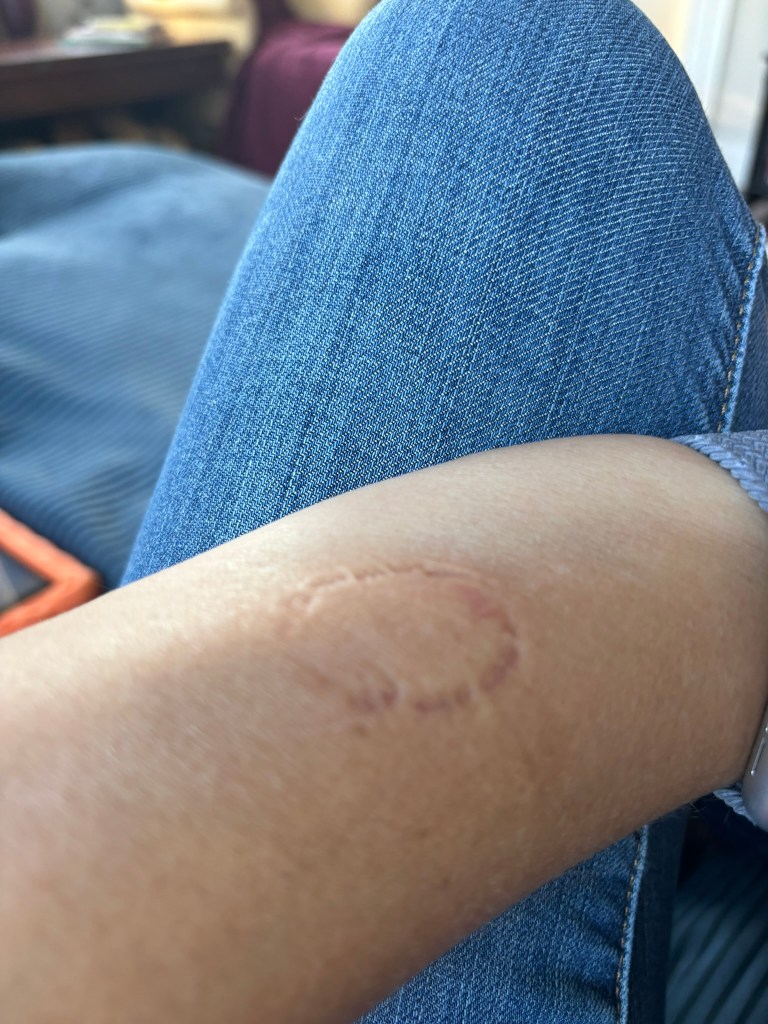
    Over the past few months, though, she’s become aggressive. She’s bitten and thrown both her AAC and play iPads, destroying three of them (she is now allowed only an AAC iPad). She’s begun to slap her own head occasionally, too. And, she’s begun to lash out at her caregivers, particularly me and her one-to-one aid at school (I’ll call her Miss G, for the sake of her privacy).

    This is the hardest part of Daphne’s change in temperament. Her pinching, kicking, scratching, and occasional biting not only cause me anxiety and physical discomfort, they’re emotionally painful. She tends to get hostile when I’m helping her with her personal hygiene, like brushing her teeth or hair or helping her shower. Sometimes it happens when I’m helping her get dressed. It’s made me start to dread these parts of our day.

    Bite she gave me yesterday

    Worse, I suffer massive guilt when she scratches, hits, or bites her aid. Miss G is a paraprofessional, so she’s paid utter peanuts for work that is physically and emotionally taxing. She does NOT deserve such treatment, no matter what my daughter’s challenges are. Thankfully, that hasn’t really happened yet this new school year–Daph’s had a good start this fall, thankfully–but I’m sure we’ll have incidents.

    Daphne gets rough with Miss G when she doesn’t get her way immediately or when she doesn’t understand something. For example, there was an incident last year when the students had to go back inside from recess because the ground was too icy. Daphne didn’t understand why they had turned around and gone right back in. Out of frustration, she bit Miss G as her aid was guiding her back through the doorway. Miss G showed me the mark when I picked Daphne up from school.

    My worst fear is that Daphne will hit or bite another child. A classmate, or someone outside with her at recess. Even though an adult is always beside her, her mood can change fast, and she can turn on you with little warning, which also makes all of this so troubling. It’s sometimes hard to anticipate when she will get rough.

    If she hurts another student, I don’t think we’ll be able to keep her on her general ed campus. We’ll have to consider alternative schools.

    I believe this aggression is a result of a combo of things: the hormones of puberty, a greater understanding of her differences, the development of her own will and desire for autonomy, and her limited communication. I don’t believe there is any medical issue behind this, though of course I don’t know that for sure. I try to keep my eyes open for any physical/health-related concerns. We see none, however, and her doctor verified that her physical growth this year has been “excellent.”

    So, if it’s just growing up that’s causing this, then that’s good news. I want my daughter to have a will of her own. I want her to desire autonomy and independence. All of those things are healthy and give me hope. I want her to be her own independent, capable person.

    If she could, I think she would tell me, “Back off, Mom!”

    I’m trying to encourage that, too. I’ve begun to ask her if it’s ok for me to brush her hair, or help her wipe, etc. She seems to like that, and if she signs “Yes,” I’m less wary of touching her. I’ve also been encouraging her to wash herself more in the shower. I’ve told her, once she can get herself clean, she won’t have to tolerate me crowding her. She has signed “Yes” to that, so I think she understands it.

    Yes, Mom. I don’t want you all up in my business.

    We just need to help her learn how to manage her anger. And we, her parents, need a clearer idea of how best to discipline her.

    These are my challenges right now. All people feel anger and frustration; they’re natural human emotions. And all kids (and some adults) need to learn how to regulate these big feelings.

    It’s a lot

    With Daph, though, it can be hard to tell what’s wrong and to gauge just how much she understands, given that she can’t tell us precisely how she’s feeling or what exactly made her angry. She does sometimes say “Frustrated” on her talker, which is great. We’ve worked hard to model these emotion words so she can identify and communicate them when she’s feeling a certain way. And that’s a good step, but it still doesn’t give her a specific, safe way to redirect all that frustrated energy. This is what we’re specifically lacking right now. We need the right anger management strategy.

    Last year, her OT suggested she use a squeeze ball when mad. Jer order a few this summer, but when they came we realized they were the kind filled with a jelly substance, and Daph’s jaws are so strong, she bit right through a couple of them, coating herself with the substance and even ingesting some of it. That was a failure, obviously, and then we went through that two week period of incontinence, so in the midst of all that, I didn’t replace those balls with anything better. I’m still open to using this coping strategy, but we need to find the right ball. A super-strong, most-durable-on-earth kind… not sure if any of those even exist.

    Yep, this one. We need this one

    My first monthly meeting with her school team is this Wednesday, so that is a question I will ask them. Can they recommend a specific, hands-on anger management tool or technique? And, how do we best discipline her, so we’re not inadvertently punishing her for something she can’t help, like a lack of understanding or an inability to specifically express herself?

    Our current discipline method is giving her a time-out. If she gets so angry that she’s stomping, kicking, scratching, pinching, or biting, her dad sends her upstairs to her room, and we temporarily take away her iPad if she has bitten or thrown it.

    That way, her consequence is removal: of the thing she threw or the person she hurt (me), plus alone time, which she doesn’t like. It also gives Jer and me the opportunity to cool down so we’re not tempted to scream at her or spank her.

    I am a vessel of infinite peace and love

    It’s tough for me to remain calm when she tantrums; it still amps me way up (though I’m working hard to self-regulate) and then I want to respond with harshness too, which is terrible modeling. Plus, I feel like reciprocal aggression erodes our healthy bond as a family, and that is the last thing I want to do. We need to remain tight and trusting of one another in order to navigate all the rough patches in our lives.

    I will update you on her team’s advice.

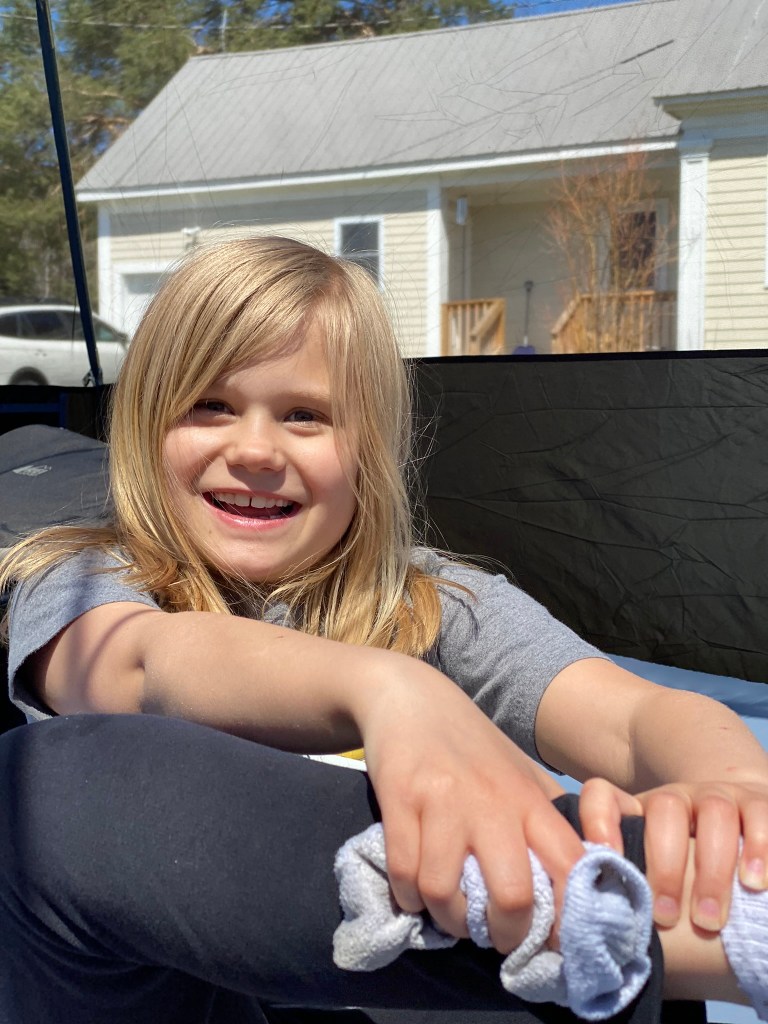
    It is hard to believe she can be so unhappy when she smiles like this

    We had a nice day this past Sunday, but it was also a day typical of our lives now.

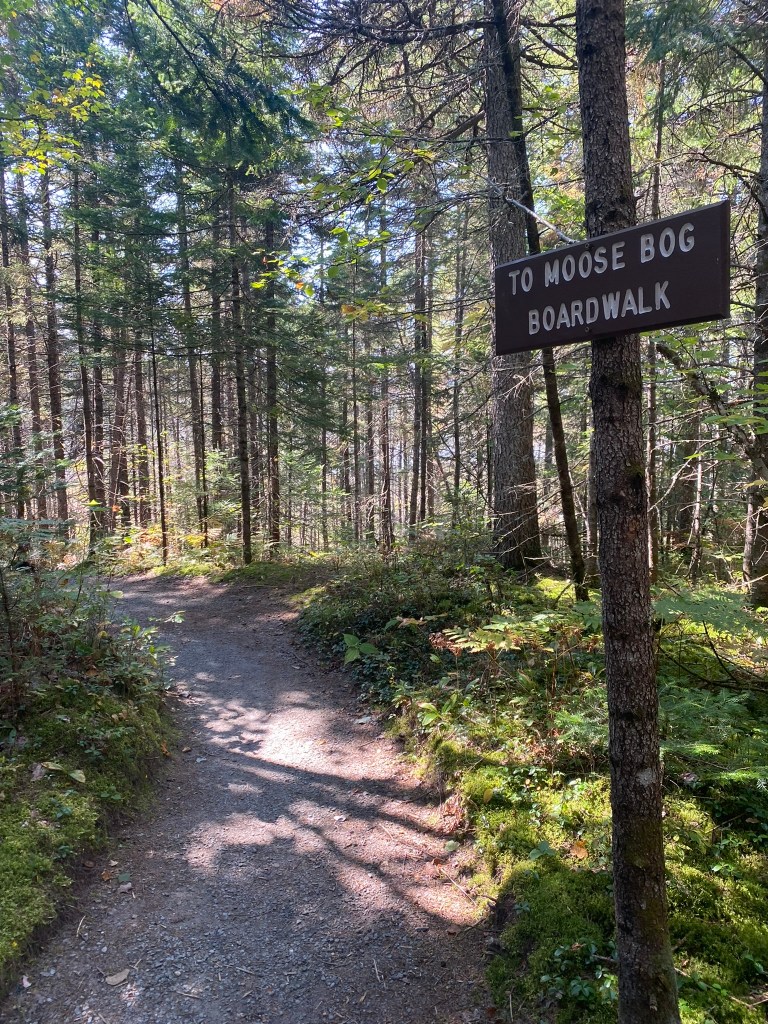
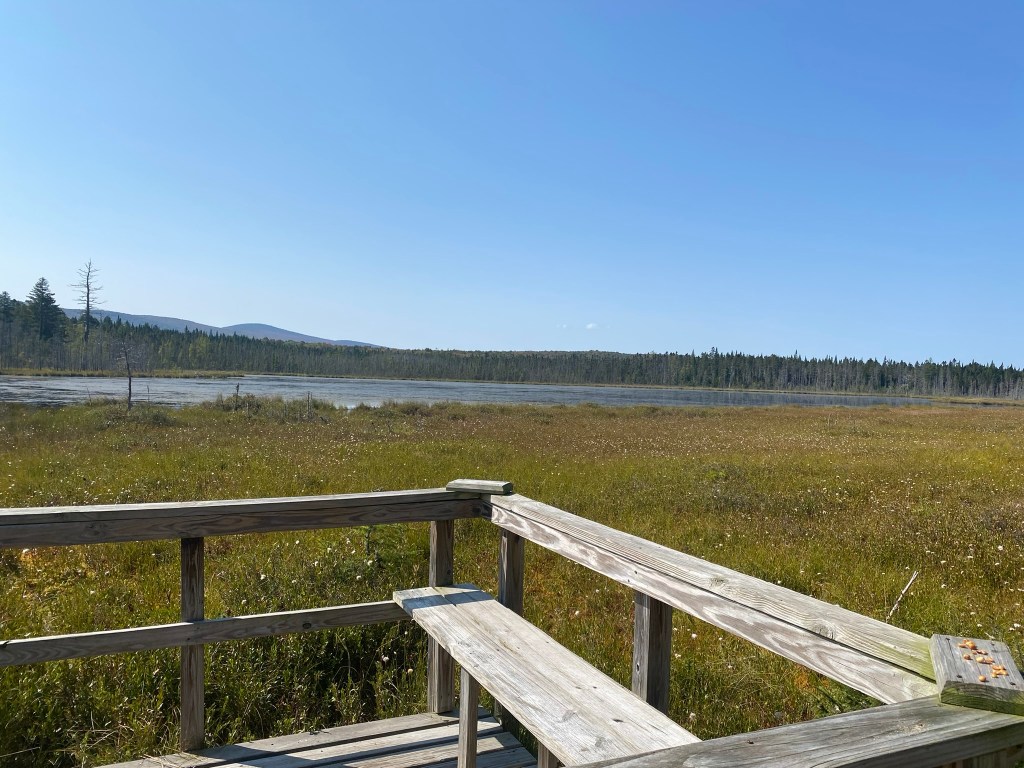
    We went for an easy hike out in the forest around Island Pond, down to the Moose Bog Boardwalk.

    Nice, easy trail. That’s about all I can handle

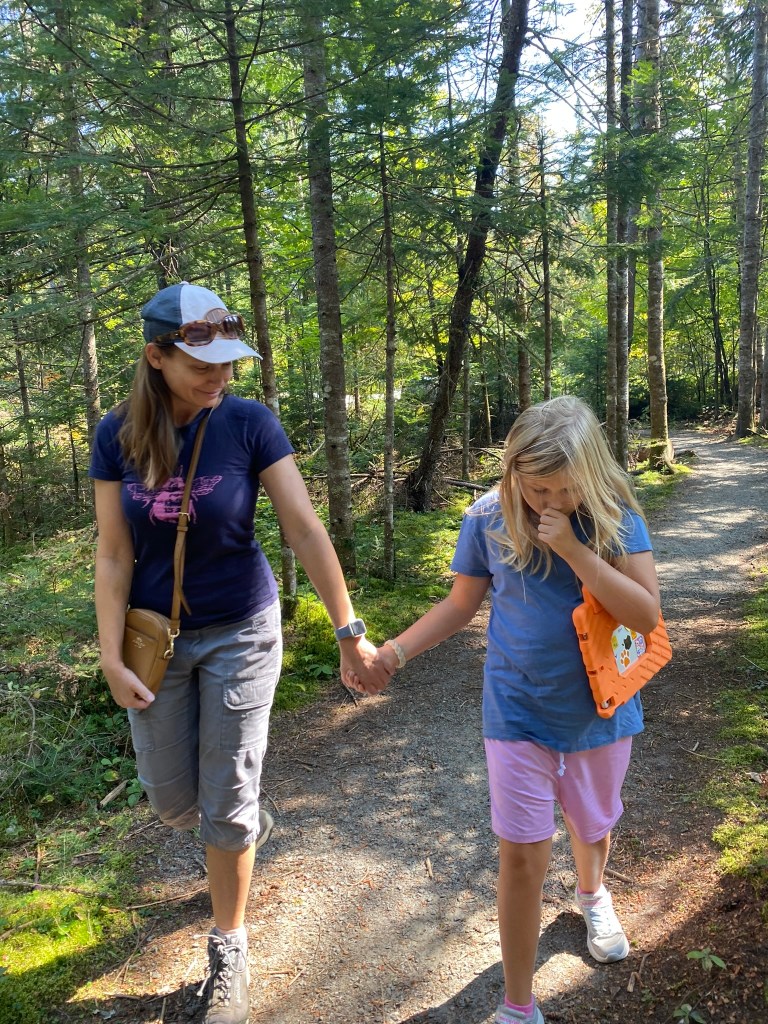
    Daph seemed fine during the first half.

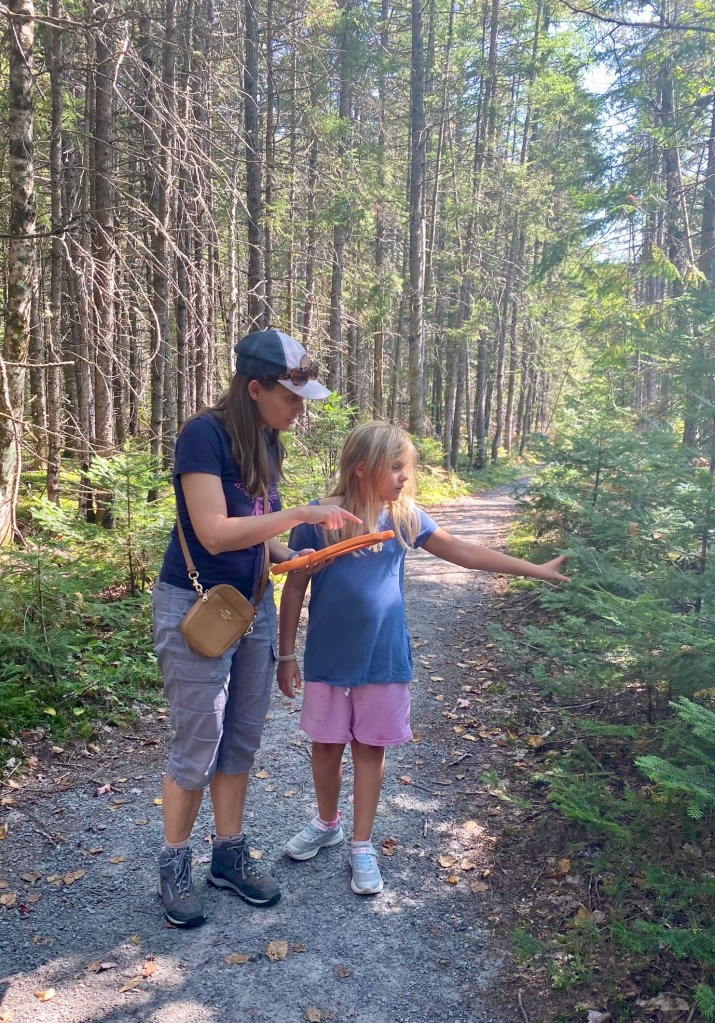
    Naming things on her talker

    But as we approached the swamp, she got agitated.

    This is starting to suck, Mom.

    I think she was expecting a lake she could swim in. She halted, wouldn’t go any farther, and started to stomp and whine.

    Pretty but not a swim spot

    Another family was already there, sitting quietly waiting for the birds to land on the dock and eat the peanuts they’d put out for them. Realizing we were intruding on their nature watch, we immediately turned around, ushering an increasingly-angry Daphne away. I felt guilty for the intrusion and disappointed we couldn’t stay for a longer look. We had to coax Daph back along the trail, and my stomach clenched with fear that she would start to scream and bite. She complied, ultimately, but it put a damper on things. I felt that live wire of guilt and anxiety running all the way through my body.

    That’s basically our new normal.

    Just a nice picture

    Like I said, we’re ok. We’re just in a rougher phase, but we’ll get through it. It will take a little more consideration and work than her dad and I have ever had to do, but our daughter’s welfare is our first priority. I just have to tell myself that it’s ultimately not my fault. That I’m not a rotten parent and I can figure out how to help her. My inferiority complex wants to rear its ugly head in this context, too.

    One day at a time.

    I hope all is well with you. Again, feel free to share anything you’d like.

    See you next week.

    XOXO,

    Jenn

  • Published, and Published Again! Eeek!

    Hello! I’ve got a post full of updates for you.

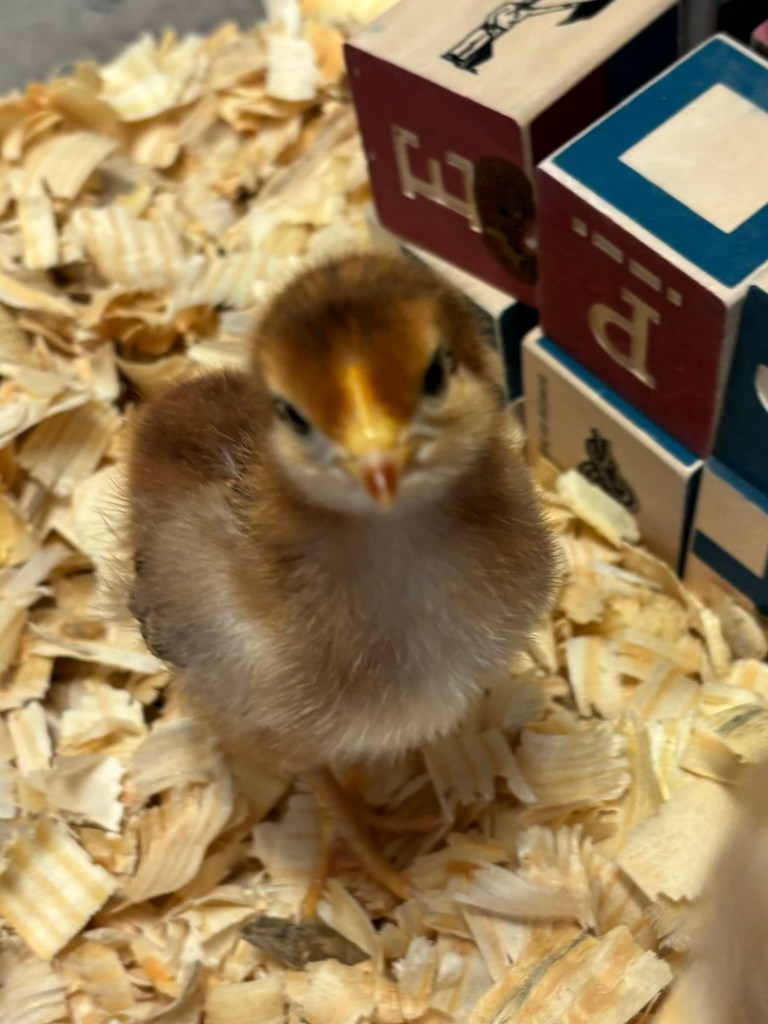
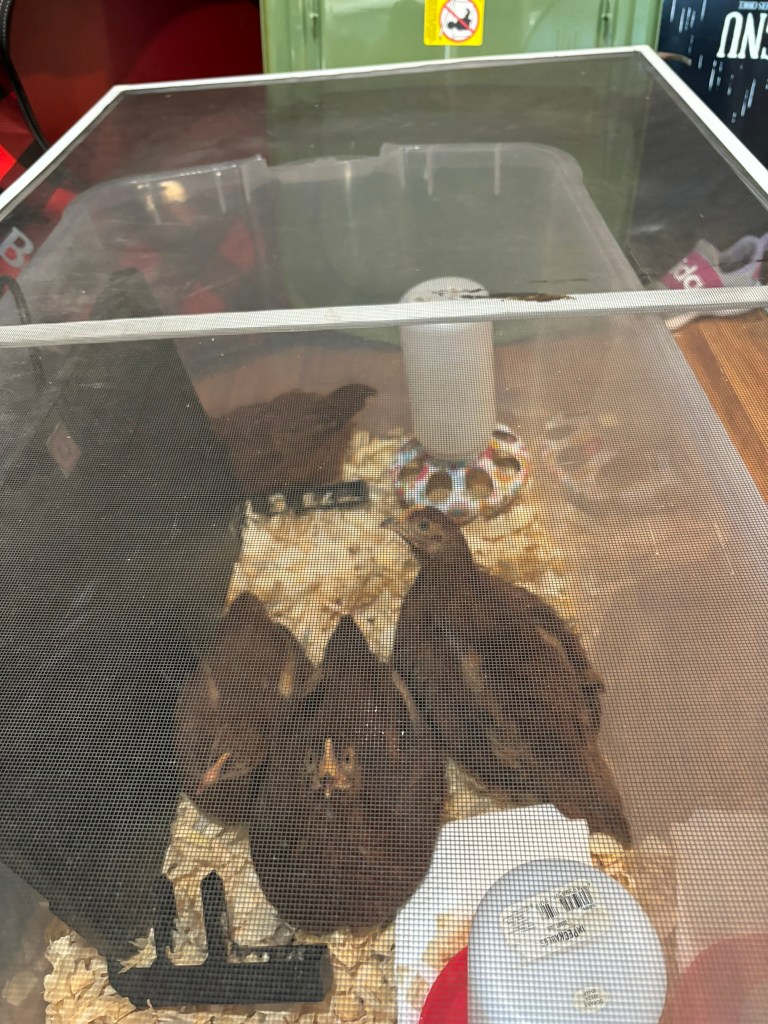
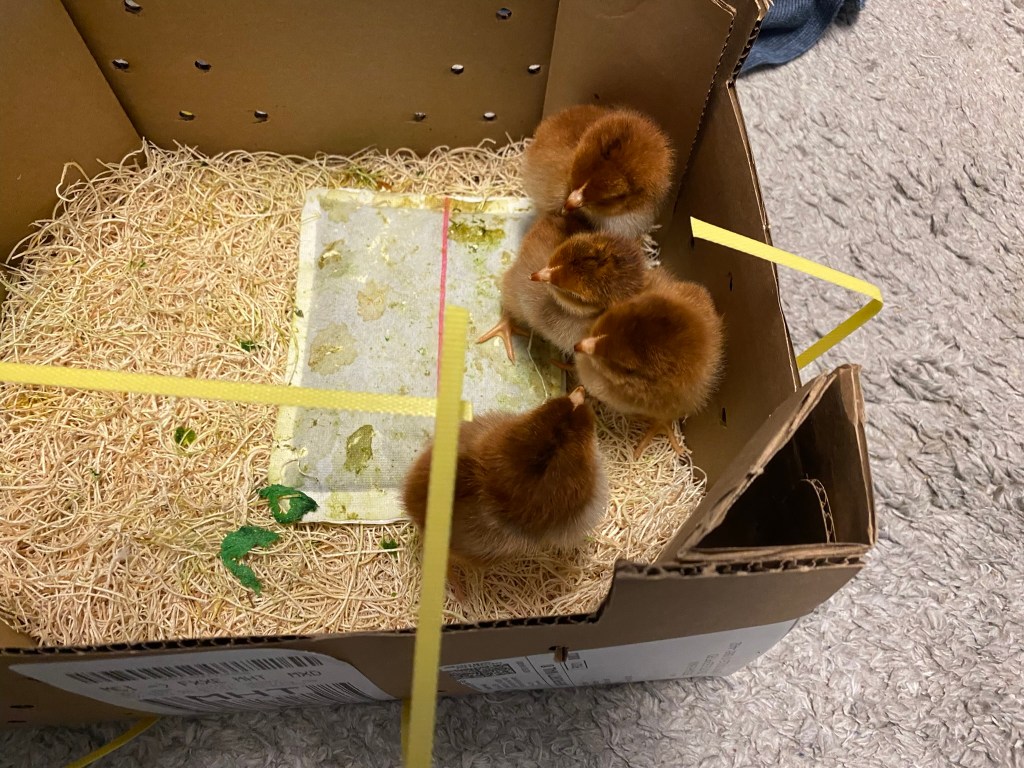
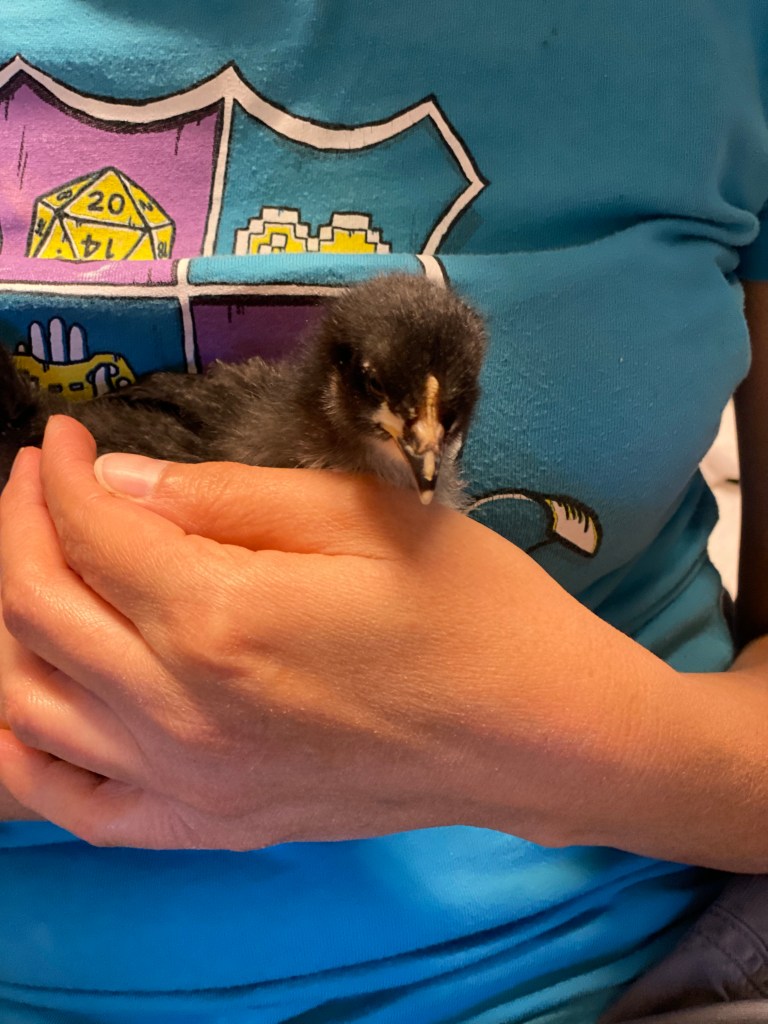
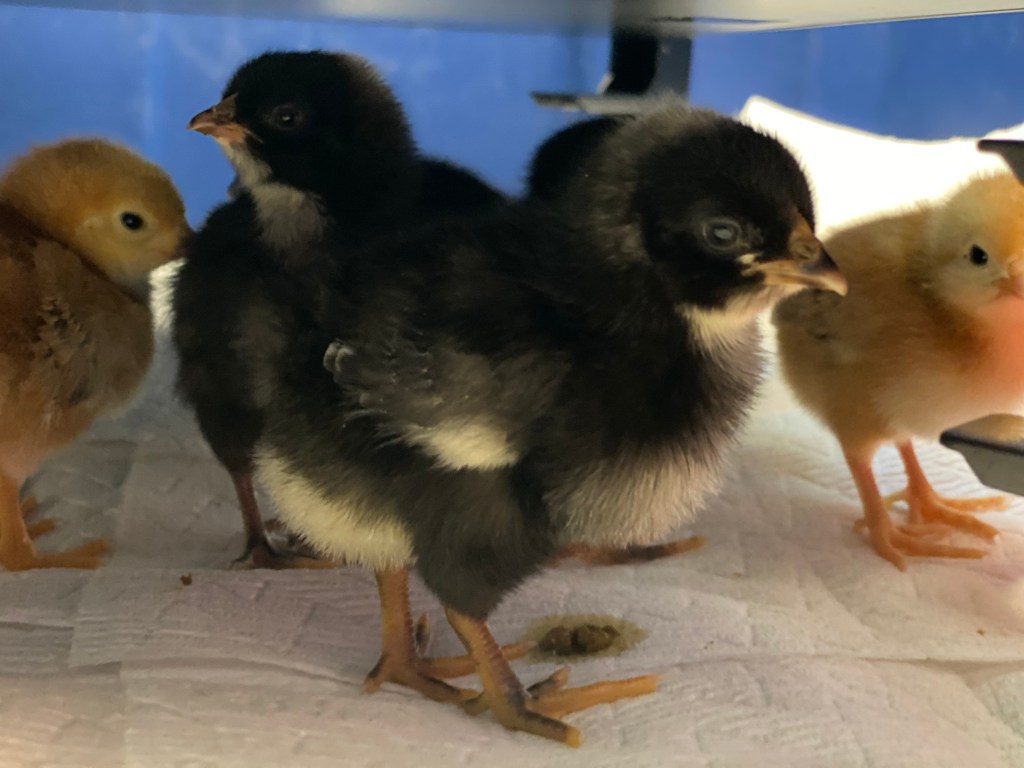
    First, our new chicks are here! They arrived at our post office early Friday morning. As soon as we’d dropped Daphne off at school, Jer and I headed over to pick them up, our fingers crossed that all three had made it here alive. After all, two days bumping about in a cardboard box with nothing but some green gelatinous substance to consume when you’re a newborn baby is kind of rough.

    Brand new babies!

    All the peeping from their box reassured us that most of them had made it, though. And, lo and behold, when I pried open the lid at home, we saw not three but FOUR frantic red chicks. Yep, they gave us an extra, just in case one didn’t make it, according to the explanation on the packing order. I suspect, however, that’s a convenient excuse for offloading a male chick. If I had to wager, I’d say we will have another rooster in our flock.

    I’m a girl, I promise!

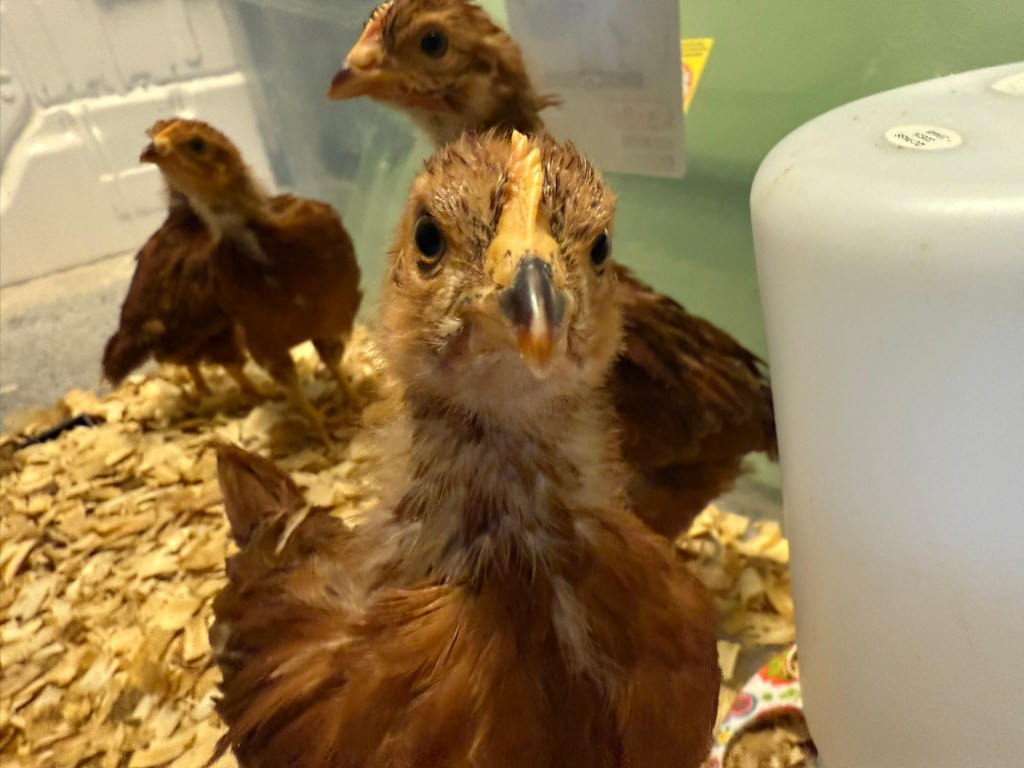
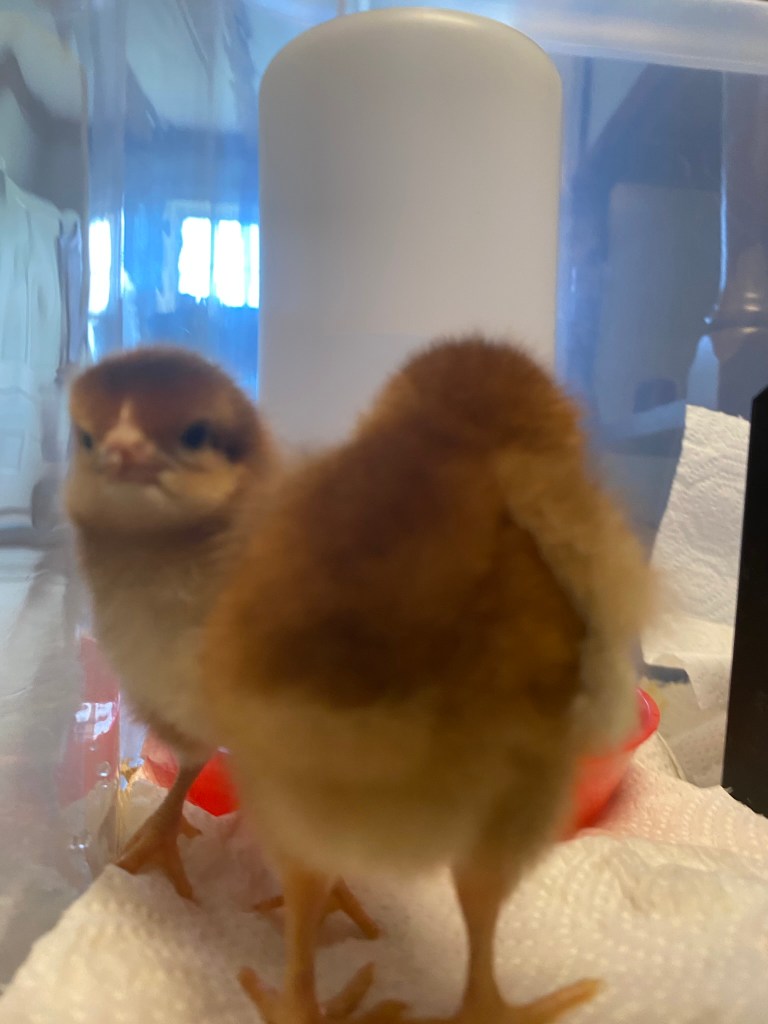
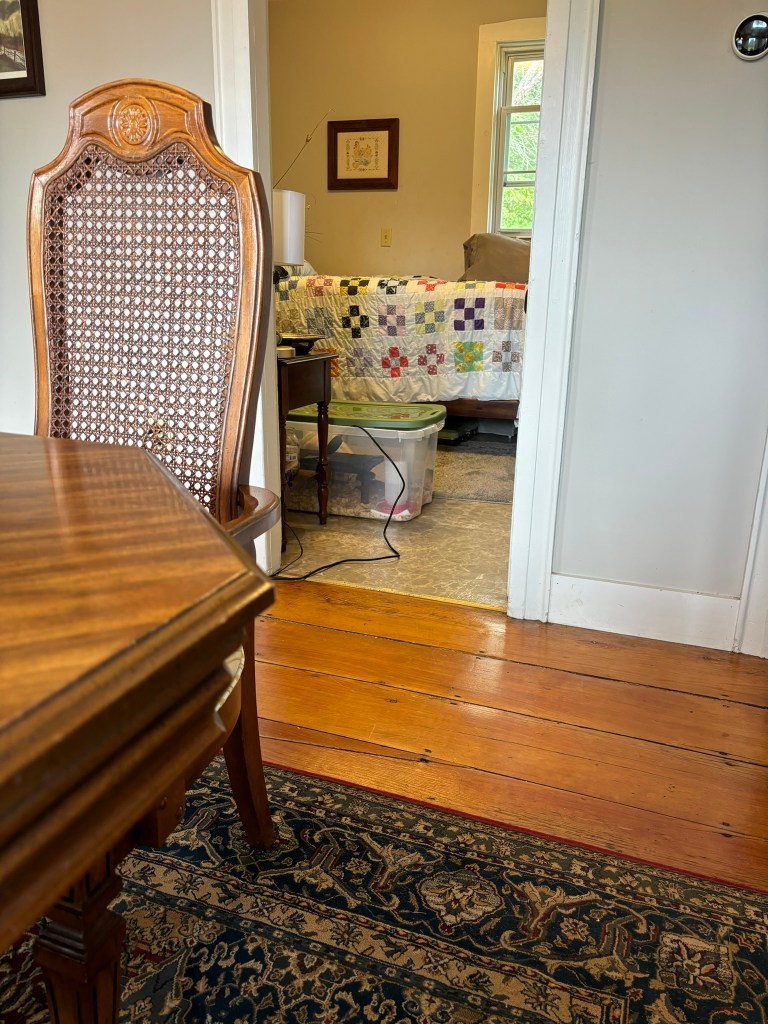
    The chicks are thriving, I’m happy to report. They are energetic and are eating, drinking, and pooping like mad. I see no obvious signs of weakness or illness, so they’re off to a good start. They’re currently living in their brooder in our guest space, where they have their special chick starter-food, their water, their heater, and paper towels over their wood shavings so they don’t try to eat the wood.

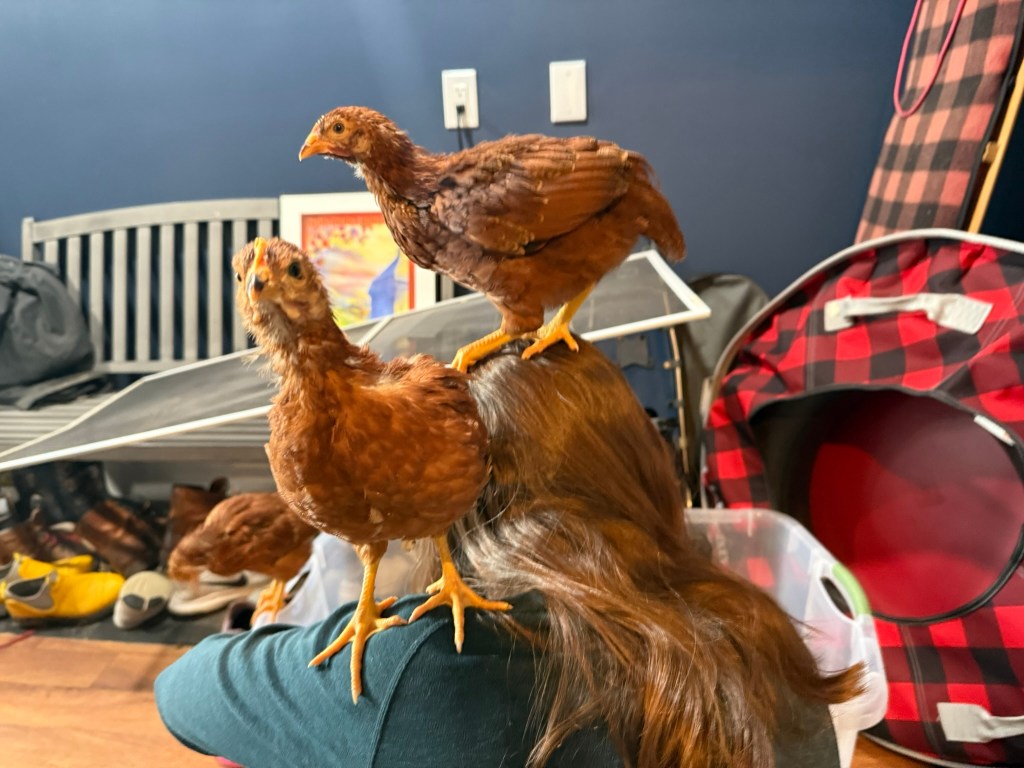
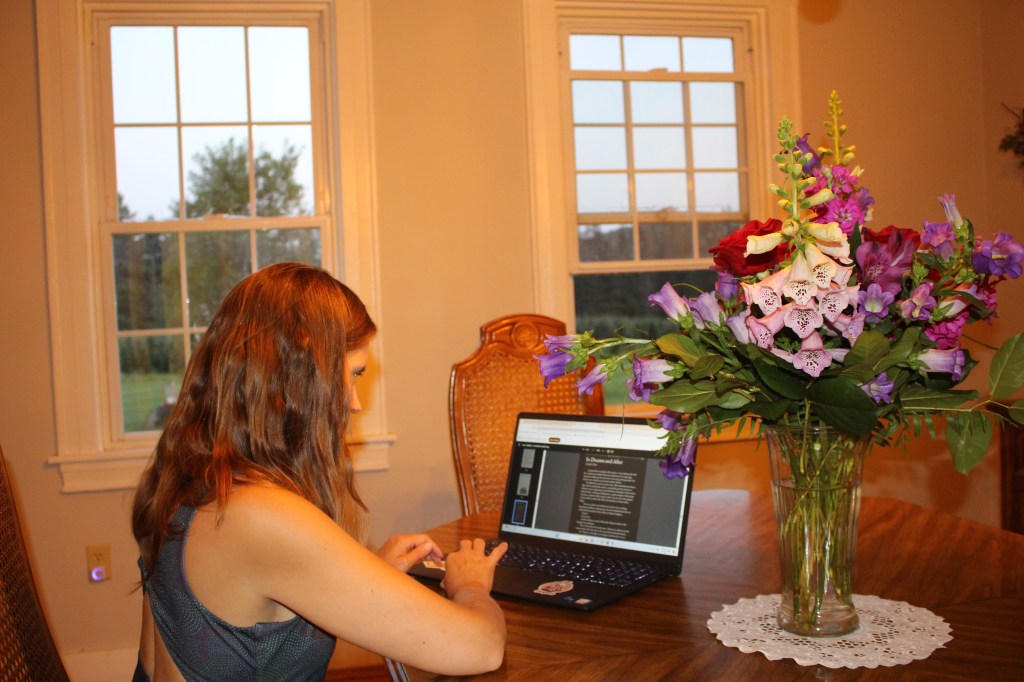
    I change their towels and water at least three times a day, and though I was afraid I’d find this annoying, I’m enjoying taking care of them. I’d forgotten how much I like brooding chicks. They’re soft and adorable, and their little peeps are sweet. I can see them from my spot at our dining room table, where I often work. They’re great company while Daph’s at school.

    Keeping me company

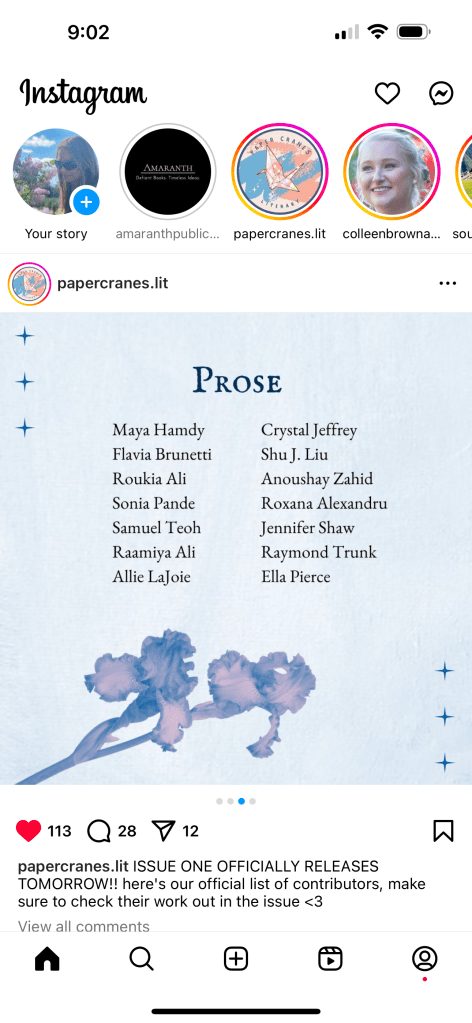
    On a writerly note, my short piece of contemporary fiction, “In Dreams and After,” was indeed published on August 21st in the debut issue of Paper Cranes Literary.

    Beautiful print copy

    As exciting as that was, I also experienced a strange discomfort when I read it in the digital edition. It had been a while since I’d looked at this piece, and seeing it in such a beautiful, official medium after that length of time, “completed” so to speak, I was acutely aware of its imperfections. I noticed some inconsistencies in both its style and ideas, and I felt a little embarrassed. My immediate response was, oh gosh, this wasn’t ready!

    Too late, of course. It was published; it had found its forever home. It was what it was. Though I loved it and did feel a lot of pride in it, I also wondered if I’d somehow been hasty. I saw how I could have made it better, but I also remember feeling like I had done everything possible for it at the time I submitted it for consideration.

    It’s also important to remind myself, the editors of the magazine said nothing about any deep structure issues when they notified me they’d accepted it. They were complimentary of the piece before noting they would only make a few line edits for clarity. So, the issues with content must not have been as obvious or evident as they felt to me when I read the publication myself. Still, I was uneasy.

    Contributor announcement

    I talked about it with Jer. He used to write a pop culture column in Houston’s Envy magazine, and he promised me my feelings were normal. He said when he was first published, he would go back and carefully read his article after it came out, and he’d always find something wrong with it, things he wanted to change: a different word here instead of that one, or cutting the last two sentences of a certain paragraph because they were unnecessary, or ironing out a slightly-awkward phrase, etc.

    My advice? Once it’s out, don’t read your work, he said.

    Really?

    Yep. Take a quick scan if you need to, he replied. Make sure everything is there or look at any line edits they made. But don’t read it carefully or thoroughly. Don’t reread it to experience it because you will always find something objectionable. Why do that to yourself?

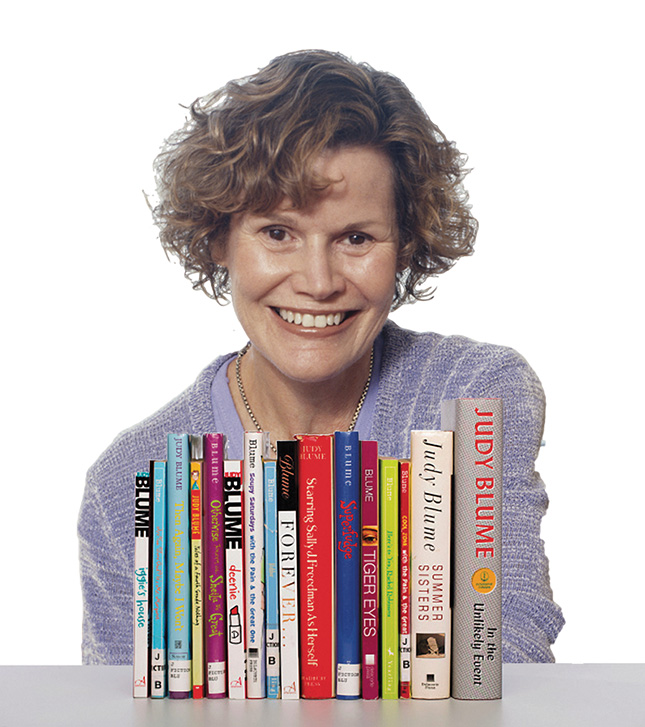
    I think he’s right. Plus, his advice reminded me of something Judy Blume said in her Masterclass on writing. She talked about the importance of reading your work out loud before it’s published so you can hear how it sounds and edit for fluency. She learned this the hard way, when she began doing audio recordings of her novels and would try to rephrase things in the studio because she realized they sounded better a different way, and the editors shut her down. It was too late, they told her. She had to read everything exactly the way it was printed on the page.

    Cool lady. Credit: Toronto Star via Getty Images

    I realized, in retrospect, Blume (a best-selling, award-winning icon) experienced what I was feeling and what Jer was talking about. So, yes, my feelings must be normal.

    It’s just a common, and hard, truth: If you look closely at your published work, you will always find things you want to change.

    There is no such thing as a perfect story, after all, even when it has made its way through multiple self and peer reviews, through the submissions process, and across an editor’s desk. All you can do is the best you can in the time you have to work on that piece. Then, you have to resist this perfectionism once the piece is out in the world. All while being grateful that anyone wanted to publish it at all.

    You have to let it go, let it be. You have to recognize it has found its home–a beautiful thing–and believe that someone will like it, even if it’s just one person. That’s the essence of publishing, truly.

    You have to understand, too, that your imperfect published piece is an artifact of where you are currently in your writing journey. So, if it’s more flawed “than it should be,” that’s okay. It’s evidence that you’re on a path of learning, of growth. That’s also a beautiful thing.

    I am telling myself these things while working to get comfortable with them.

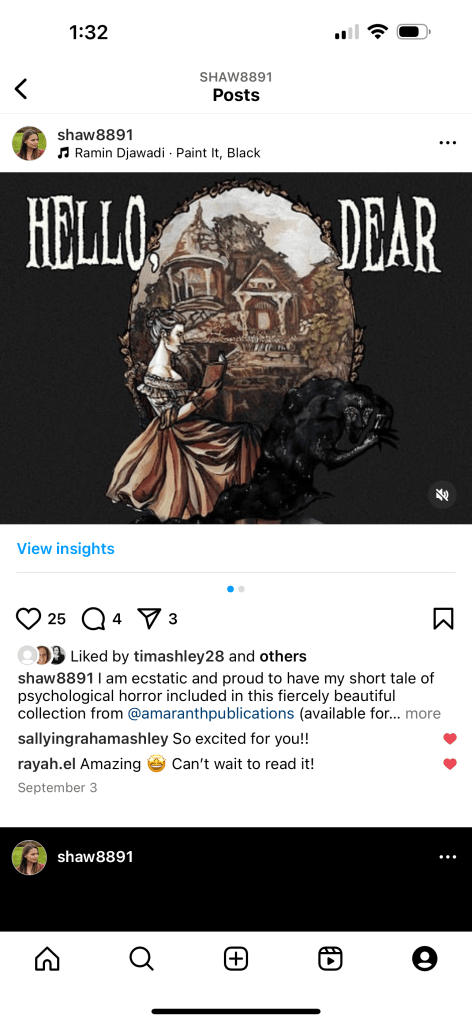
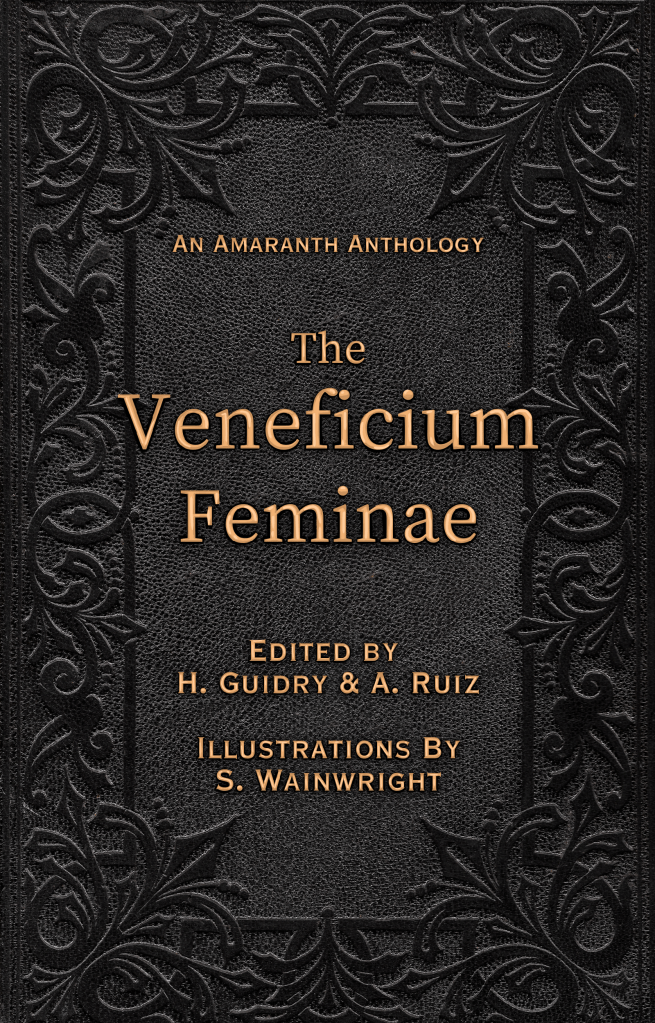
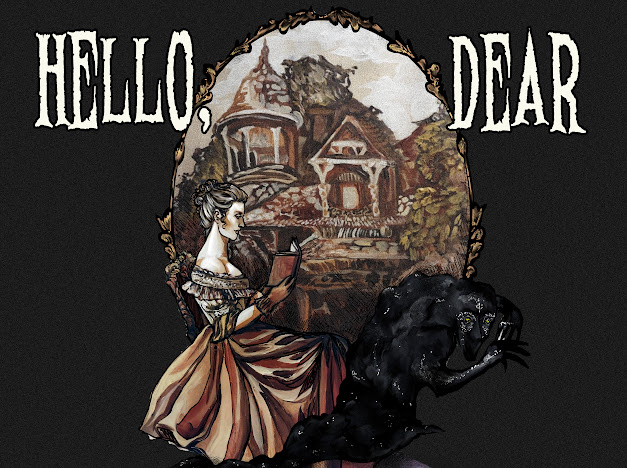
    Luckily, I didn’t feel as much awkwardness when my next piece was published less than two weeks later. “Hello, Dear,” my ghost story, was in fact published by Amaranth in their fall anthology, The Veneficium Feminae.

    Fiercely gorgeous cover

    I experienced a different sort of anxiety with this one, however. More pre-publication nerves than post-. I’d resubmitted my story with the suggested changes to plot (and then some) and felt good about it. But, I heard nothing back from the publisher. No acknowledgment of receipt, nothing about the forthcoming pub, nada.

    I didn’t reach out to ask about it because I didn’t want to be needy or annoying. I want to be professional, first and foremost, with everyone in the publishing world, regardless of their work style. Some people are more pressed for time and less communicative than others.

    But, as the days crept closer to September 1st (the proposed pub date), I thought, Oh Jeez. Maybe they didn’t like what I did. Maybe they changed their minds!

    Fine, but wouldn’t they tell me?

    Wait, would they?

    They were under no obligation to me. They were a small press; they weren’t paying me. I hadn’t signed a contract. They owed me nothing, really.

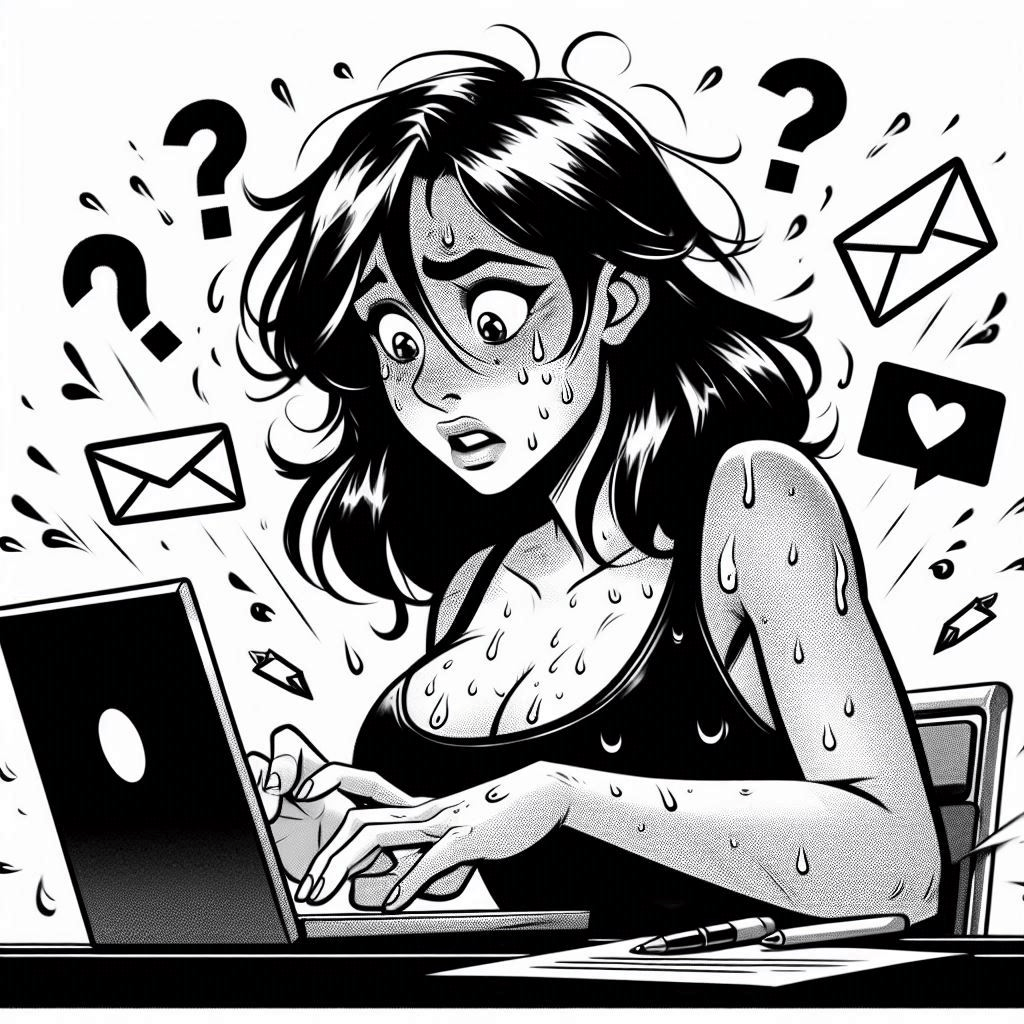
    For days, I checked my email and social media feverishly, looking for some indication of what was happening.

    Wow, DALL-E. I wish my boobs were that big.

    Even on the day of September 1st, I saw nothing, and the weight of impending disappointment threatened to crush me. I couldn’t put it out of mind, even with everything else going on.

    Finally, on the morning of September 2nd, I checked my email and saw the notification that the book was live. It was also the first time I saw the title and realized what the editors had done. They’d derived from our seven accepted stories a unifying theme of feminist horror. Suddenly, their suggested revisions made more sense. Those suggestions had indeed made my story more interesting and satisfying, but they’d also made it fit the overarching theme much better.

    This is AI, not anything from the anthology. But it’s definitely the vibe the book is going for

    I was thrilled and so, so relieved! But then, I couldn’t get into the folder containing our e-copies and promo materials, which included custom artwork for each story. I thought I would lose my sanity completely! I had to email the editor to request access to the folder before I could see anything, and that meant waiting another whole day. The suspense nearly wrecked me, but finally I got in for a look.

    I was flattered to see they’d made very few line edits to my story. It was also easier to read in publication this time around; I didn’t agonize over it the way I did with “In Dreams and After,” though of course I know it’s not perfect. (It’s arguably a little slow in the beginning, and the part post-first encounter with the old woman might drag on a bit too long. There are also a couple of formatting errors, though I don’t count those as mine.)

    I was able to enjoy the success a little more easily this time.

    I love the artwork for my story, too.

    Gorgeous artwork by @sybilwainwrightauthor

    Granted, it’s not entirely precise. I’m not sure if the artist only went on descriptions of my story instead of reading it herself, or if she was trying to convey the essence of it without giving too much away. I’d like to think the latter, but regardless, it’s beautiful and it’s based on my original story and it’s not something I had to commission and pay for myself. How many new authors can say that?

    So there you go! Several updates, plus my publication angst. But I am now indeed a published author of three pieces, with two more due out before the year ends.

    It is a solid start. And, overall, I’m having a good time. Writing is immensely satisfying, and that’s ultimately what counts.

    In the meantime, I’m taking a break from brand-new projects and submissions. I want to focus instead on finishing my longer works-in-progress. That’s where my next phase of growth needs to happen, if my long-term goal is to publish a well-crafted, engaging novel one day.

    Happy fall, y’all! Please share with me any tips for overcoming post-publication perfectionism, if you have them. I’m sure they’ll help!

    See you next week!

    XOXO,

    Jenn
  • We’re Having Babies!

    Hi! Fuzzy chick babies, that is. And we’re having them shipped to us–yes, in the mail!– on Friday or Saturday of this week.

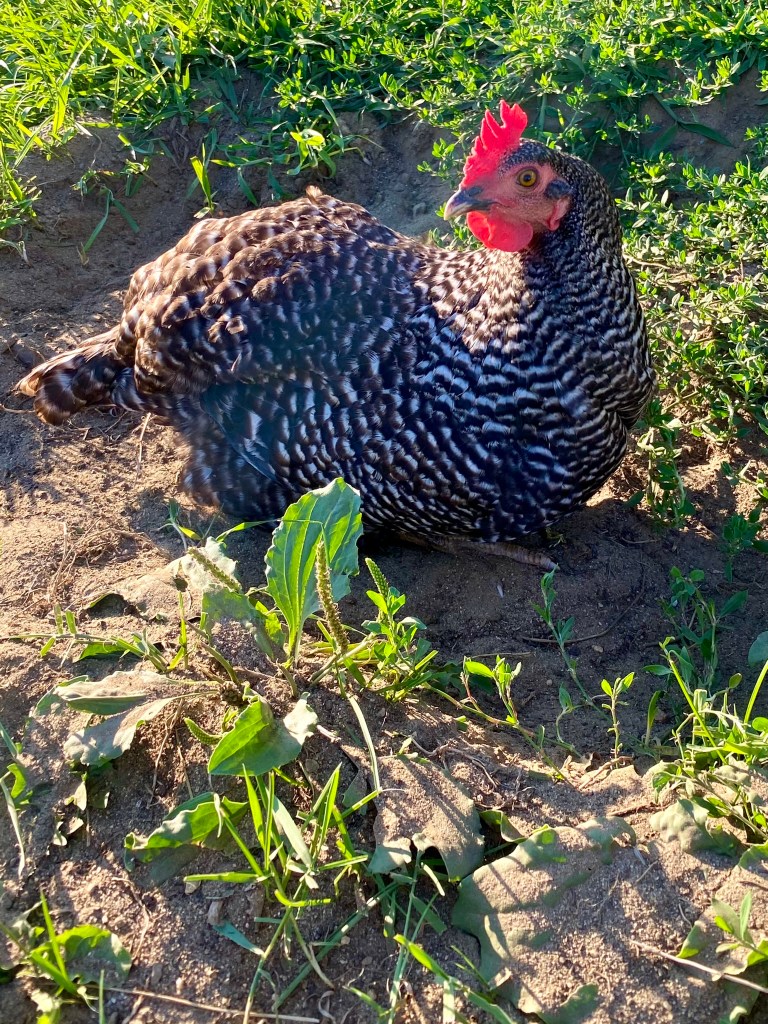
    As I’ve mentioned before, our first real step into homesteading was getting hens. Raising chickens for their eggs (a superfood) was a major part of our plan to better provide for ourselves, and we kept hearing that chickens are easy; they’re “the gateway drug” into livestock-keeping. As with gardening, I was ready to try chicken-tending, but I was skeptical. I feared all kinds of disasters befalling these poor poultry at our inexperienced hands–disease, injury, loss, death in the harsh winter elements, deformed eggs (why that, I don’t know), you name it.

    But, those six, sweet, original babies–five hens and one rooster, it turned out–arrived from the Murray McMurray hatchery on August 29, 2021, and they were healthier and hardier than I assumed. As soon as I heard their frantic peeping from their ventilated box in the post office, I was in love.

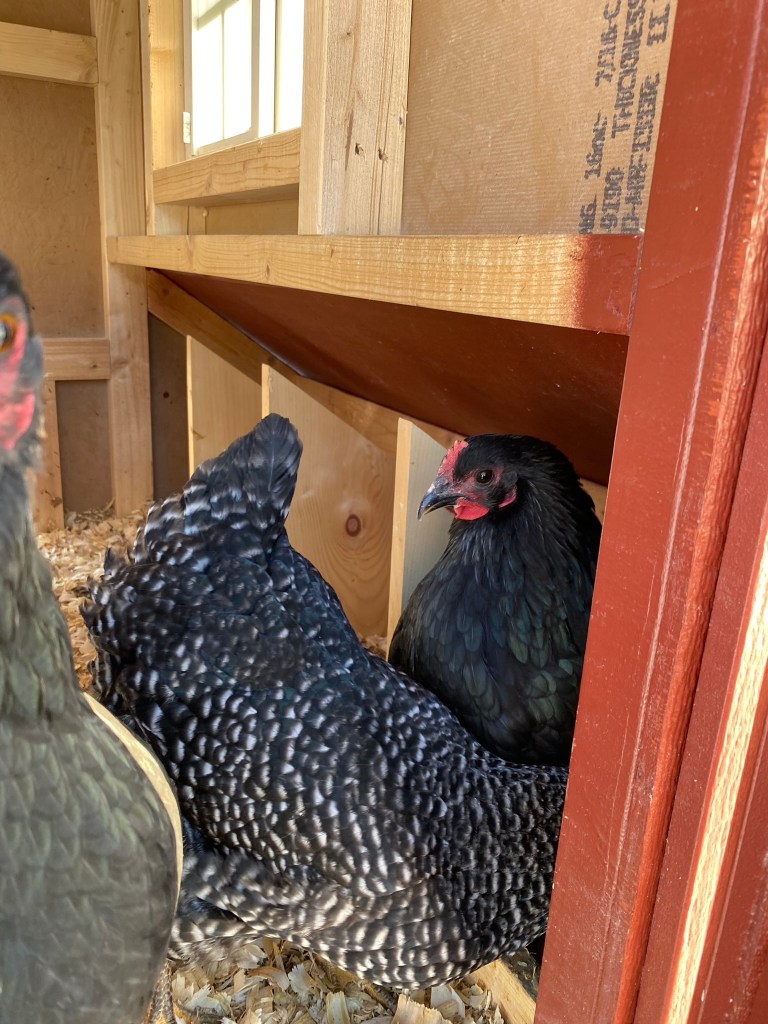
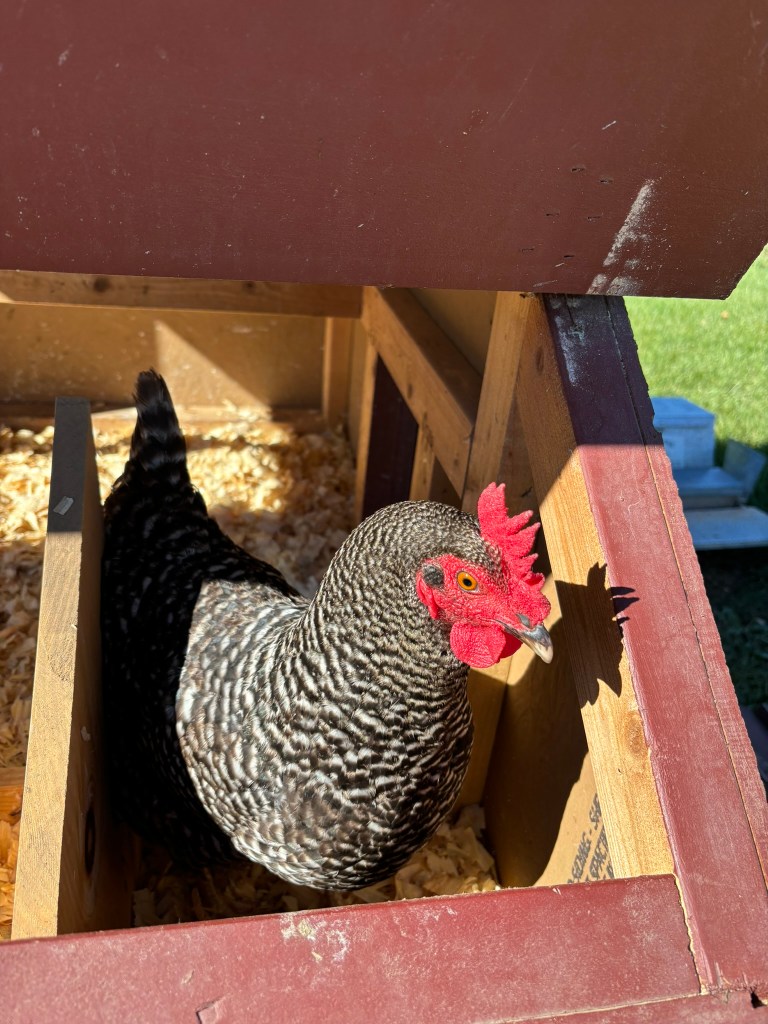
    Sweet Baby Mabel (a black Australorp)

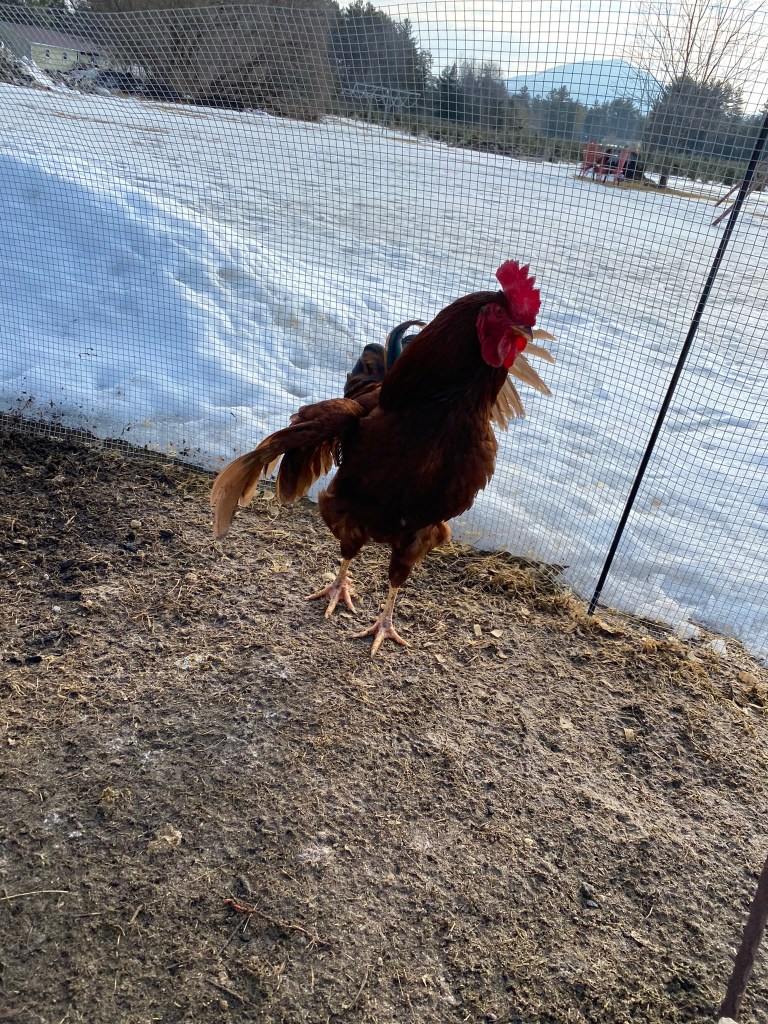
    We named the girls after our grandmothers and great-grandmothers: Barbara, Doris, Beverly, Mildred, and Mabel. We named the boy Marty; he had been Mary Ruth (after my father’s mother), but you can see the issue with that.

    Baby Rhode Island Reds, Plymouth Rocks, and Australorps

    Those chicks grew quickly, took on personalities of their own as they found their places in the chicken hierarchy, and proceeded to bring us many benefits aside from the eggs they eventually laid (in February the following year). They ate nasty bugs like ticks; they turned the compost when they jumped in it to play, their droppings provided wonderful green material for that same compost, and they gave us affection and hours of amusement. There aren’t many things funnier or cuter, in my opinion, than a hen’s derpy waddle-run.

    Into the Big Girl Coop

    Once our chickens became pullets and a cockerel (those are the precise terms for teenaged poultry), they were big enough to live in their outdoor coop, and they learned right away to take themselves to bed when the sun set–that’s instinct, really. They also weathered their few issues and injuries well–getting egg tied, cutting their combs on the metal treadle feeder, or losing a chunk of feathers to the jaws of a marauding dog or fox. They always healed and bounced back. They proved easy to keep, even for newbs like us.

    After a lot of discussion, we chose to purely free-range them.

    First official day free-ranging: FREEDOM!

    This means, they have nothing between them and the wilderness once they’re out of their coop each day–no fence, no run. This does make them more vulnerable to all kinds of land and aerial predators, but it also keeps them healthier and happier. They are able to roam our expansive property and do exactly what chickens need to do–scratch and peck in the dirt for all kinds of goodies after dust-bathing and shading themselves wherever they please. Over time, they have learned to stay close to the coop and house (treat-training with a bell aided that). Now, they are as free and relatively-safe as can be.

    Beautiful, happy Doris post-dust bath

    That summer of 2022, we did lose two of them–Mabel one evening to a fox, and Marty one day to another fox while we were vacationing in Rhode Island.

    Mabel laying an early egg

    This hurt, but we knew it was possible. We’ve always missed them, but miracle of miracles, we went two more years without losing any more chickens.

    Marty the Rooster restless for spring

    This was due in no small part to my husband’s efforts. He is super-vigilant, listening for sounds of distress when he’s at his desk and then running out to scare away foxes, bears, and hawks. He once used Daphne’s playground ball to whack a fox in the side, scaring it away. He’s since upgraded to a .22 rifle.

    I have to brag for a minute about the time he actually shot an approaching fox. It was February of last year, and we were all home sick with a nasty flu. I was getting over it, so I was up and about, bringing my husband and child water, food, and ibuprofen. Daph and Jer were curled up in the master bedroom together, and Jer’s temperature was 102–as high as I’ve ever seen it. He was wrecked.

    I happened to look out our witch’s window and see a grey fox heading down our hill to the west of the house, no doubt after our happily-oblivious hens.

    “FOX!” I shrieked, out of panic more than anything. I didn’t really expect Jer to do anything about it, sick as he was.

    But my husband shot up. He flew downstairs barefoot, grabbed that rifle, and proceeded on the first try to hit that fox right in the hip–all in under less than a minute. I know because I was watching out the window, and the fox’s hindquarters jumped just before it took off into the Christmas trees, back to the woods where I assume it bled out because we never saw it again (sad, yes, but we had to protect our livestock).

    Goddamn, I thought, overcome with awe. That is some hardcore pioneer shit.

    Sorry, my inner voice is rather crass sometimes.

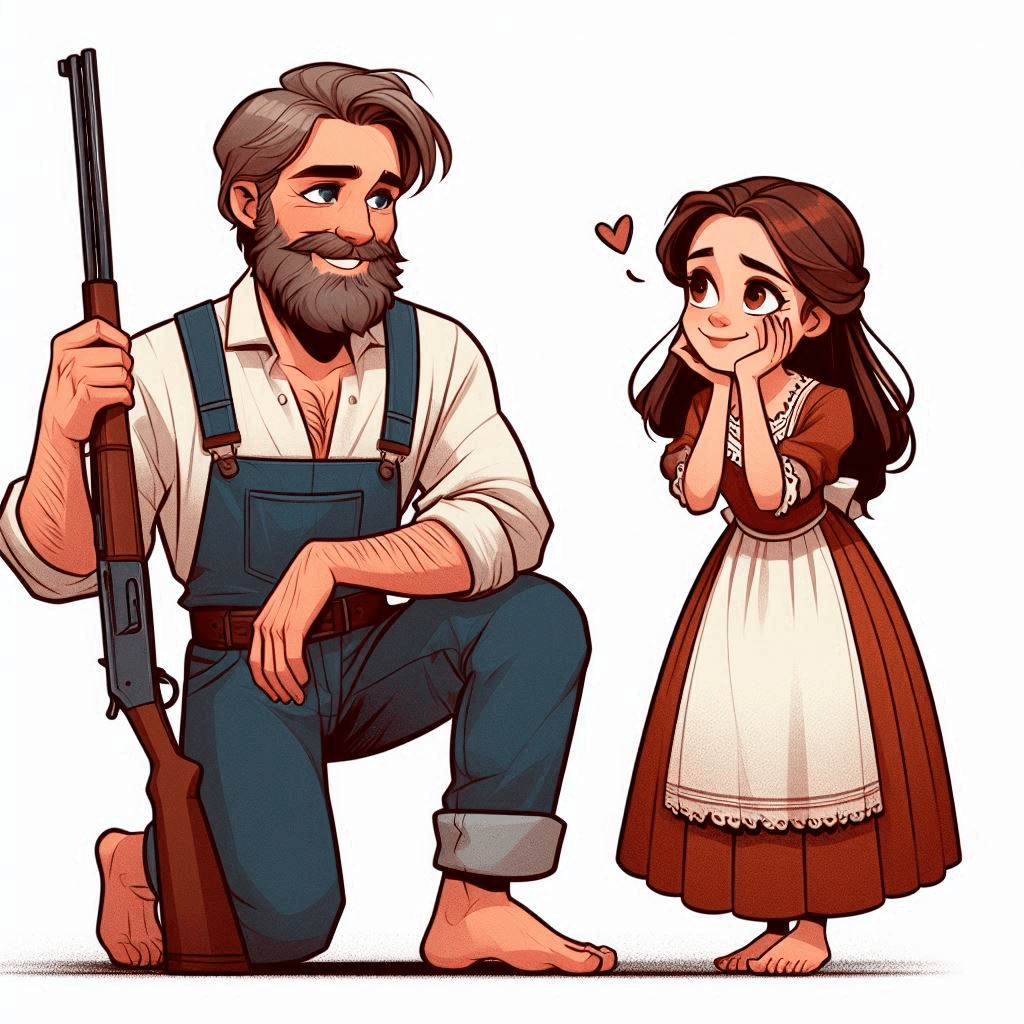
    And in that moment, I found my husband especially attractive. Didn’t see that response coming, either!

    About right except Jer wasn’t smiling. It upset him to shoot that fox.

    Anyway, I say all that just to underscore how hard he works to protect our flock. He’s so good at it, too, I half-expect nothing to ever harm our chickens again.

    Sadly, that’s not realistic, or fair.

    When we came home from a trip to Lebanon on Saturday, August 24th, we couldn’t find Barbara, our Plymouth Rock alpha hen (and the only one who had never been attacked by a dog or fox, to my knowledge). I looked in the coop, thinking she might be laying an egg–not there. I looked around the back of the house where she liked to dust bathe–not there. I looked under our giant lilac bush where she liked to rest–not there.

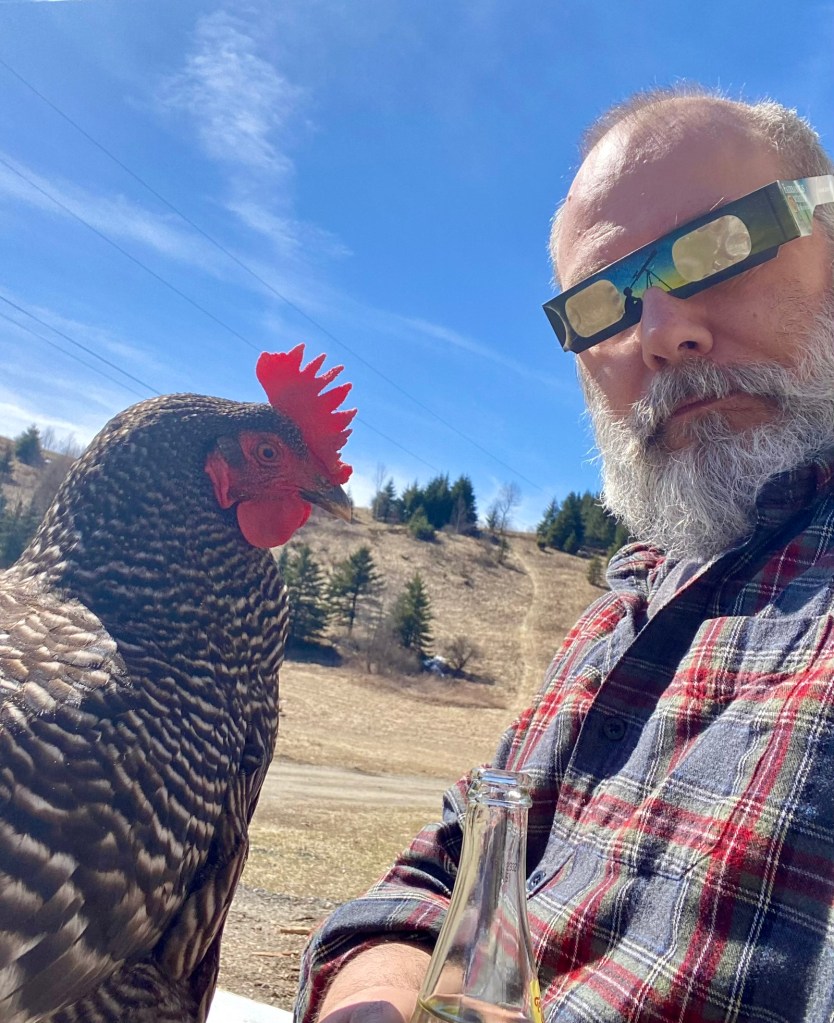
    Good girl Barbara, always on her chicken-dad’s lap. They were solar eclipse buddies

    Jer came out and looked for her too. Finally, he found a concentrated pile of black-and-white feathers around the side of the house, and we realized a hawk probably got her. We’ve had several hawks circling lately, and our crows, usually great about chasing them away (since they’re a threat to the crows’ young), have been strangely MIA.

    The attacker didn’t appear to have been a fox, since in our experience with previous attacks, there are usually feathers scattered everywhere, tracing the path the fox took with the struggling chicken in its mouth. Not the case this time.

    It broke my heart; it still does. I miss Barbara.

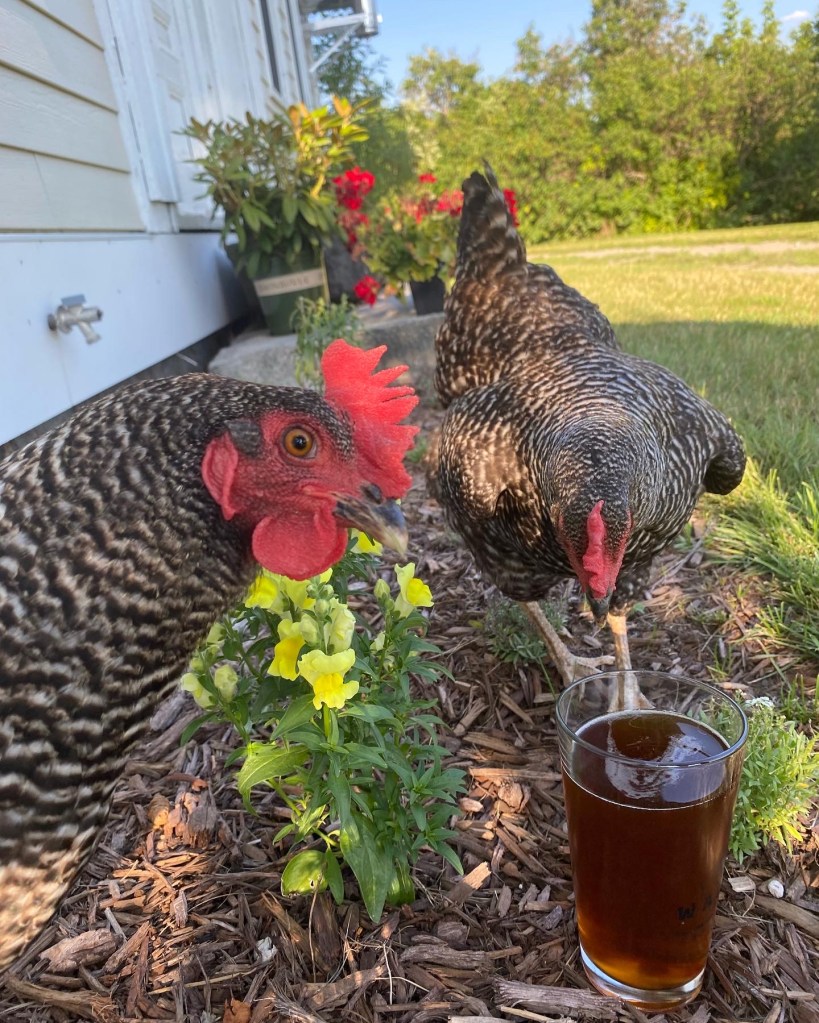
    Barbara concerned about her sister’s underage drinking

    She was our good, capable girl. Our one in charge, who, protectively, took on some rooster behaviors after Marty died–like waiting until her sisters had their share of treats before biting an apple core or sticking her own beak in a bowl of mealworms. Our one with the loudest, proudest egg song. Our one to jump in our laps first when we sat in a patio chair.

    *Sigh*

    Jer said, let’s order some new chicks.

    After all, he believes the best way to honor a lost pet is to get a new one, sooner rather than later. They’re not replacements; rather, they’re testaments to the love and joy our previous pets brought us. What better way to honor a deceased fur or feather baby than by giving fresh love to a new one needing a forever home?

    I vacillated about getting the chicks. School had just started, and I’d just gotten back all my precious free time. Did I really want to spend part of it caring for baby chicks? It would mean multiple brooder cleanouts a day, checking for pasty butts, and spending daily time with them if we want them to get comfortable with us.

    But, I finally told Jer to pull the trigger on the order. I needed something to help me refocus on homesteading.

    So, we ordered three new chicks last week. They will be here just in time to grow big enough to leave their brooder and enter the grown-hen coop before winter sets in.

    We’ll be there soon!

    We have almost all our chick supplies ready to go–I just need to find the brooder heater in the shed and test it to make sure it still works, and I have plenty of time to do that.

    I’m excited for this new opportunity. It should be a little easier, given that we have experience raising chicks. Their brooder will stay in our mudroom, and I’m planning to spend a lot of time each day with the babies, holding and talking to them so they bond with me quickly and grow up to be as affectionate as their older sisters. I’m thinking I’ll listen to podcasts to pass the time with them.

    I will share pictures of our fuzzy babies next week!

    Until then, enjoy the beginning of fall. Any chicken/homesteading tips you have, please feel free to share!

    I’ll be back next week with some fun writing updates.

    XOXO,

    Jenn

  • All I Can Muster

    Greetings on this final Tuesday of August!

    It’s easy to forget I’m as much a creature of habit as my daughter. Yesterday, while she was enjoying her first day of school, I walked around the house a little stunned at all my free time. I was so overwhelmed by the leisure, paradoxically, that I couldn’t bring myself to do much more than the weekly grocery shopping. Even today, as I work through my to-do list, I feel foggy. So, I’m gonna keep this post short–just a couple of quick updates about my writing only because I don’t have enough working brain cells to do more than that.

    Before things in the story take a horrific turn…

    Snow globe story–I’m still enjoying this one, but it’s sitting at 12.6 K (max word count is 10K), and I haven’t even finished the rough draft yet. I’m close–I think I can finish it by Thursday, but that will only leave me two days to condense and edit the piece for submission. With so little time to revise, I don’t see how the story will be good enough by the 8/31 deadline, so it’s looking like I will not submit it for consideration to this particular anthology.

    That’s a bummer, especially because I like the premise, and the beginning is strong. There’s a kernel of a great story there. But, I’m telling myself it’s not good in the long run to submit something just for the sake of submission and just because it’s technically done. That seems like a bad habit to fall into. Anything I submit anywhere ought to be decent, and it needs to stand a chance.

    I think there’s a tendency among newer writers like me to rush to publication because we feel it’s validating, or we like the currency it gives us on social media, etc. But that’s an urge to be wary of, given that ultimately we want quality out there in the world, not necessarily quantity (and not more rejections than we’ll inevitably get). The publishing world is small, I keep hearing, and all the pieces we submit bear our names. We want our names associated with our stronger work.

    Yep. Maybe later for this one…

    If I don’t submit this story, I can finish it more leisurely and set it aside to revise later, and the effort will still be worth it in terms of practice. Giving this piece time and distance will only make it better, and who knows what publication opportunities might arise down the road?

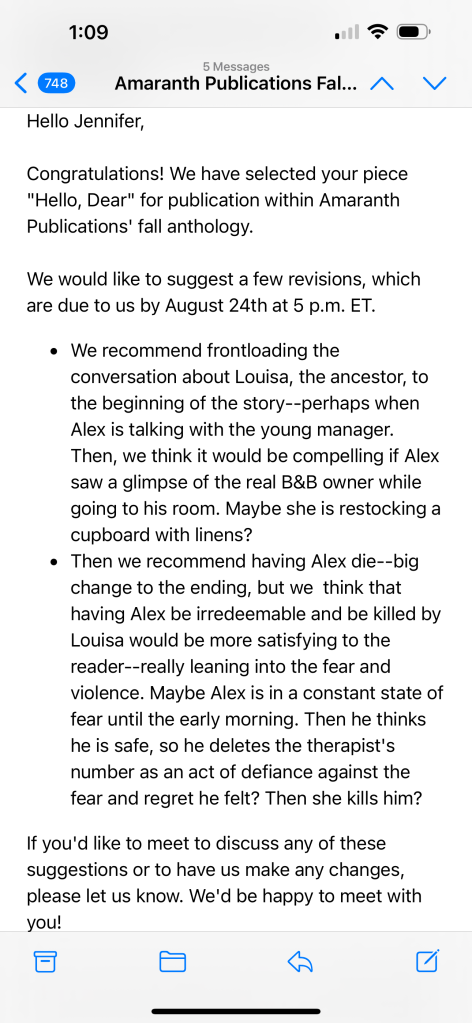
    Ghost story-– Remember how I mentioned a while back that I planned to submit a ghost story to a spooky anthology? This was the same story that got critiqued during my virtual writing camp. Well, I received an exciting email on Saturday, August 17 from Amaranth Publications announcing they’d accepted it! I was thrilled when I read the first line, then realized they were suggesting revisions. They wanted me to make it more horrifying–“really lean into the fear and violence”–which was fair given it’s for a Halloween collection.

    Great image from Unsplash… this is exactly how I imagine the story’s setting

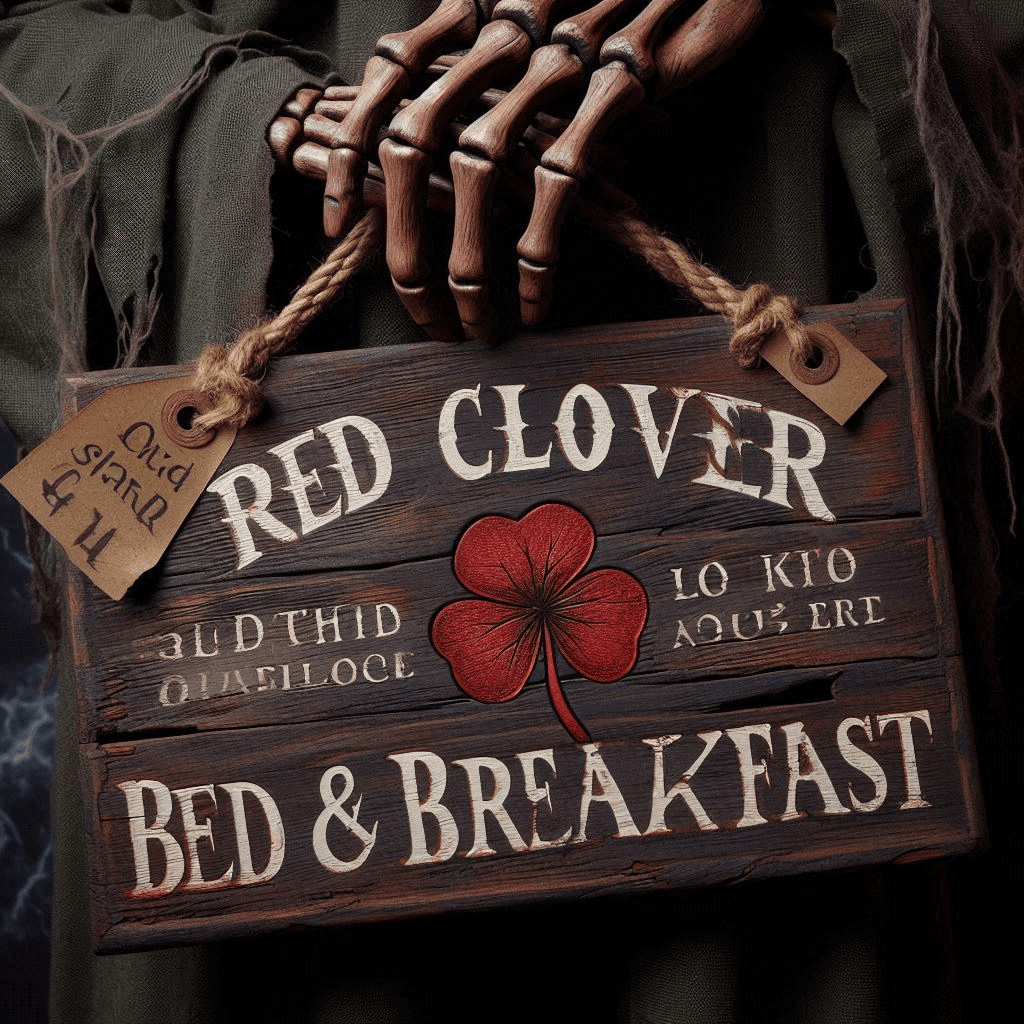
    In the original version, the protagonist–a drinker with a temper and terrible self-esteem– has a scary run-in with a ghost in an old bed and breakfast, and he leaves the place resolved to get help. I thought of the story as Scared Straight: Haunted House Edition. The editor, however, wanted me to make the guy (who is a piece of shit) irredeemable and have him meet a tougher end.

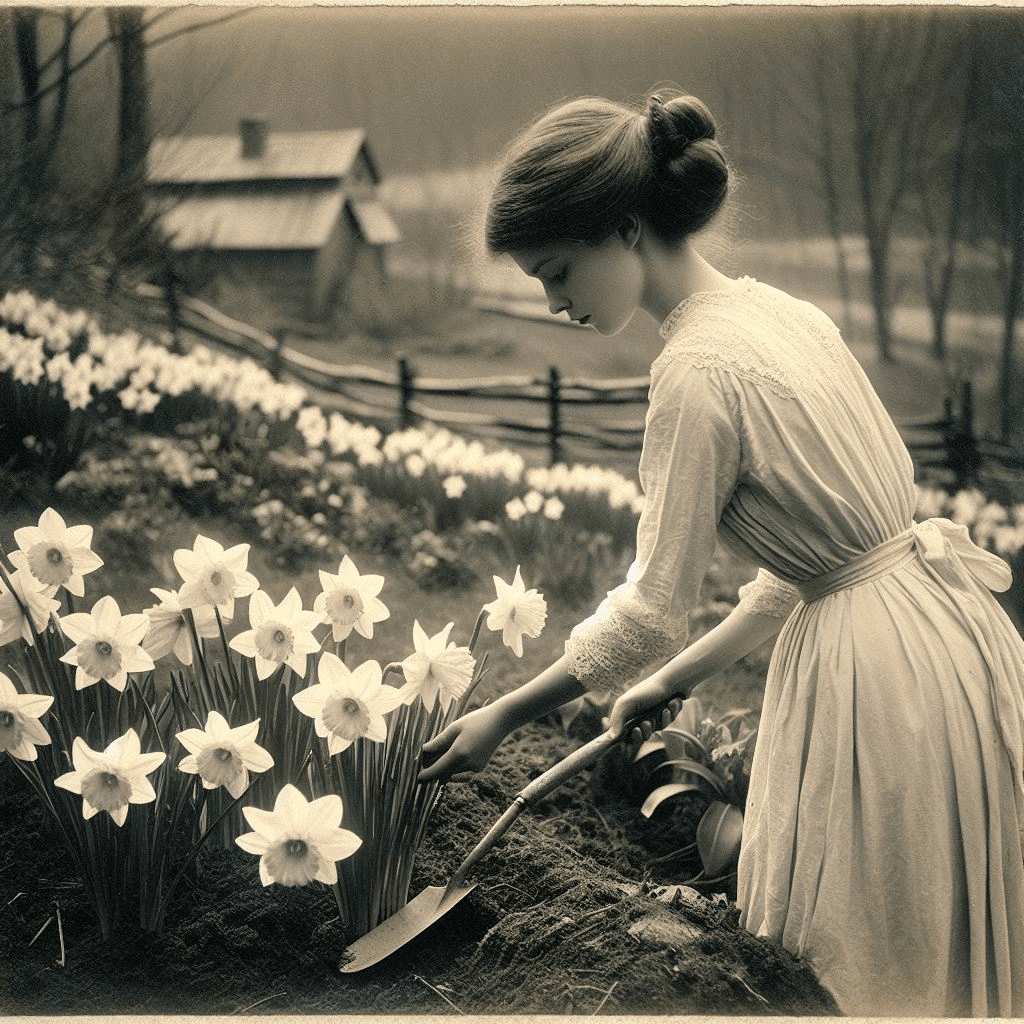
    DALL-E is struggling with letters and actual flowers, LOL

    At first, I was a little taken aback, even miffed. Then I considered, hey, they like something about this enough to consider publishing it, so if they tell me to jump, at this point I’m gonna ask, how high? I’m no Joyce Carol Oates or Chuck Wendig, so I trusted their suggestions would make the piece better.

    Digging into my edits that first evening was tough (it probably didn’t help that I’d had two beers prior to opening my laptop; apparently, I’m not Hemingway either). But, after a couple days working to incorporate these changes in a natural, cohesive manner, I realized I loved the new version of my story–the editors were spot-on. My parents (who never read the original version) were both awesome enough to read it and give me some feedback on the confusing parts, too, so I had a healthy measure of confidence before resubmitting it. Now, I’m just waiting to hear back from Amaranth. The publication date for this anthology is September 1st, which is fast approaching, so hopefully everything will go as planned.

    That’s all I’ve got! I hope you’re handling all the seasonal transitions in your life more smoothly than I am. As always, feel free to share tips or suggestions!

    ‘Til next week!

    XOXO,

    Jenn
  • Daphne’s Top Five Summer Highlights

    Hi! Can you believe August is winding down? Daphne starts third grade next week, and, despite all my complaints about the challenges of this season, I have mixed feelings about summer ending.

    When she’s at school, I’m never totally sure she’s okay. That doesn’t mean I don’t trust the staff. It just means, I’m no longer right there in the room with her so I can’t know absolutely if she’s 100% alright. She might trip and cut herself on the playground, and I don’t know about it until the nurse calls me. She might have a meltdown, but I don’t know she’s in distress until I get a text from her SpEd teacher. A student might say something cruel, and I can’t comfort her until I’ve been notified of the incident.

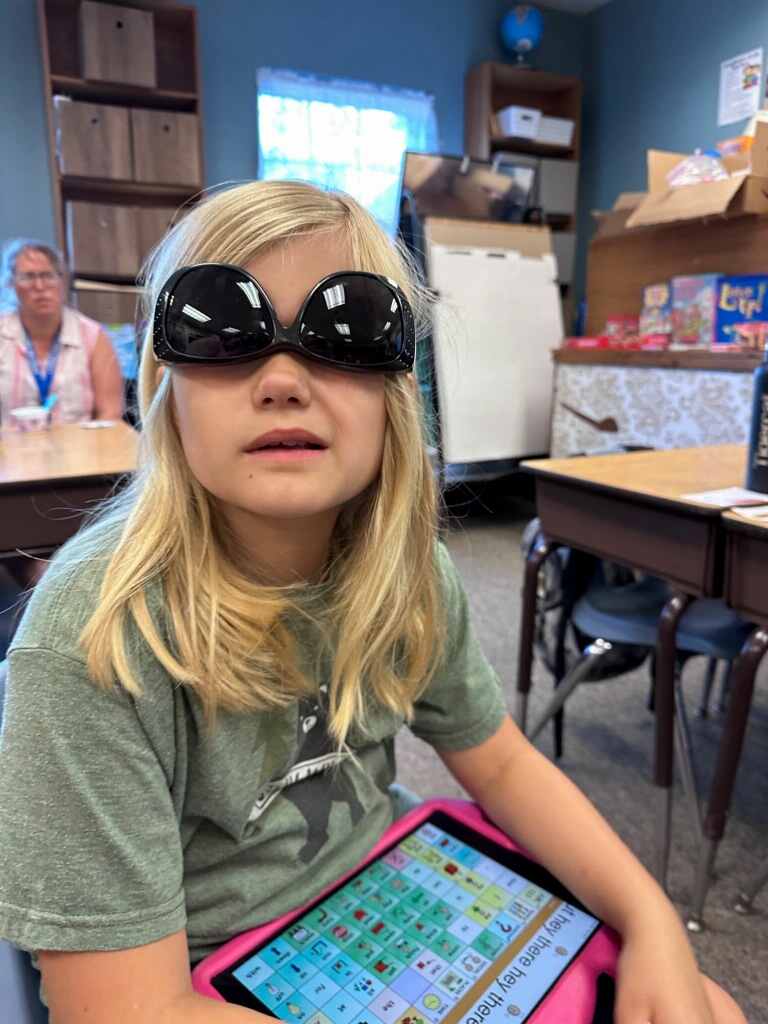
    Silly photo from school

    I just don’t have the same level of awareness I do when she’s at home, and that always brings a measure of worry.

    Of course, worst-case scenario, a malicious person does hurt her, and I never know it because she can’t tell me or she can’t convey it precisely. It’s one of my worst fears… The chances of this happening at school are unlikely; if I thought it probable, we wouldn’t send her. Still, realistically, I know it’s always a possibility.

    So when I drop her off at 8 am on Monday with Mrs. Wilkie, I will have a knot in my stomach until I take her little hand again at 2:45. There’s always a certain amount of anxiety simmering below the surface for her dad and me–we both jump when my phone rings or a text message pings–and summer is a respite from that.

    Stop worrying so much, Mom!

    I’m also a little sad because there have been some great moments in Daph’s vacation. She’s done a lot of things she can’t do in the cooler months, and I know she’ll miss them. She’s also made some great progress and regained some important ground.

    As a tribute, then, and as an uplifting way to bid vacation adieu, I thought I’d share Daphne’s top five warm weather highlights.

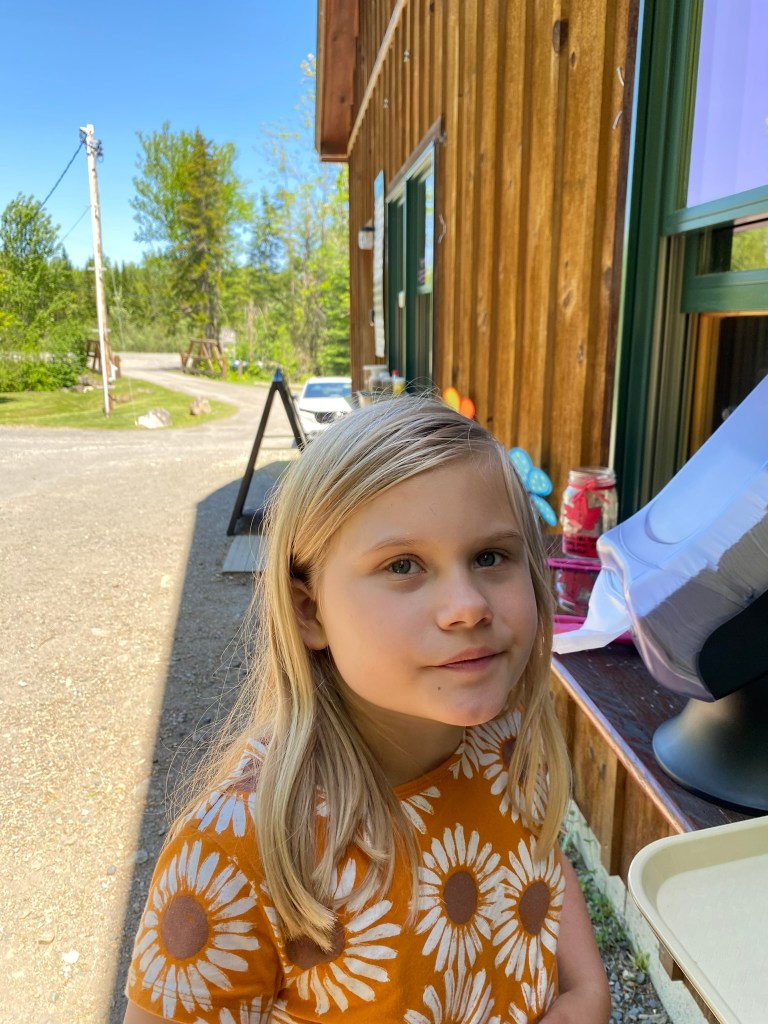
    My gorgeous girl

    TOP FIVE SUMMER HIGHLIGHTS

    5. Rediscovering the joy of reading. When she was little, Daph was a voracious reader. She would choose a picture book from a coffee table behind our sofa, stacked high with probably thirty children’s titles. I would read it, she would study the pictures, she might request I read a certain part over, and then she’d sign for the entire book again. And again, sometimes. Then, we’d start a new book, and the process would repeat, over and over. We read something like a dozen+ books each day.

    A few years ago, she lost some interest in reading. I’m not sure why except a lot was going on–she was potty-training, COVID was upending our schedules, we were moving across the country, etc. It made me sad, but I didn’t want to force a lot of reading on her. That’s a quick way to make a child dislike it.

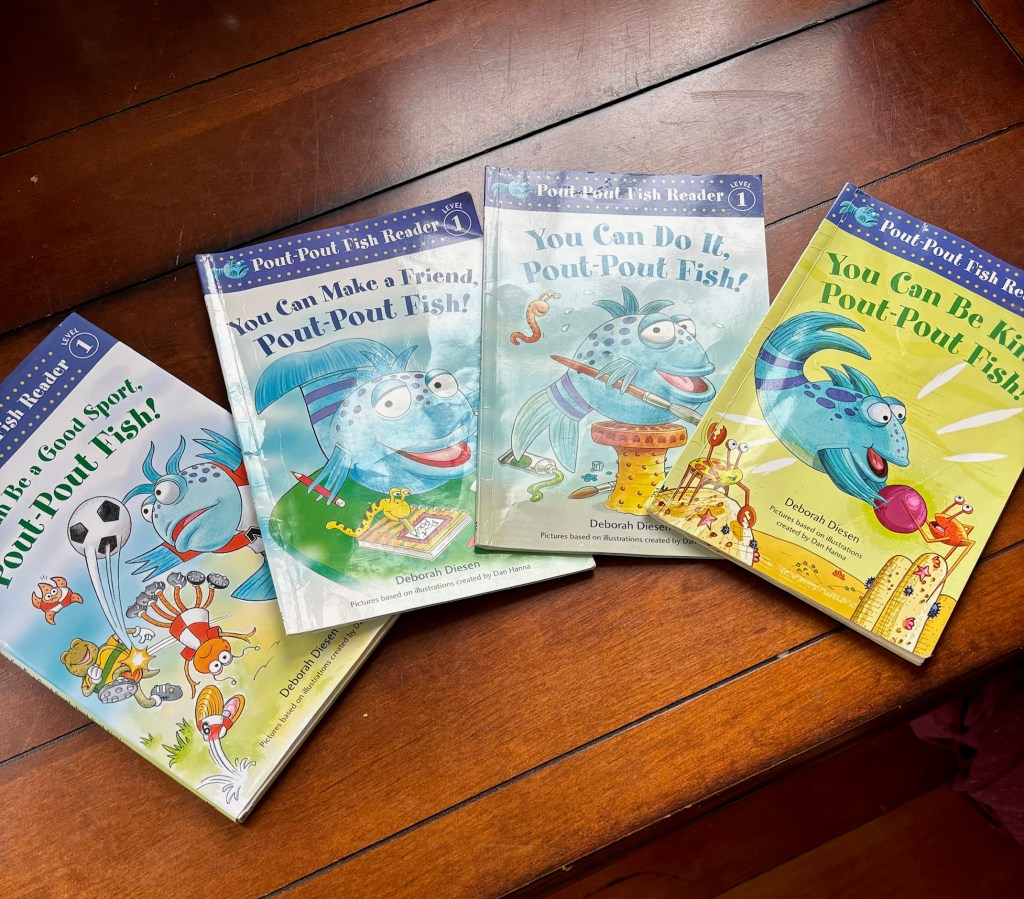
    This summer, though, she’s routinely brought her dad or me a book to read. Sometimes two a day, even. Her most frequent picks are her Pout Pout Fish early readers; she loves them.

    The. Best. Books. Ever… according to Daph

    This doesn’t sound like a lot, but it’s something she’s authentically requesting and enjoying, and she’s choosing the books herself, so it gives me hope. Plus, I’ve been able to use this reading time to model more language on her AAC device and even do some casual think alouds to aid her comprehension. All good stuff!

    4. Finding out she likes the gym. We’ve always thought gymnastics would be great for Daph, and there’s a reputable program right down the road from us in St. Johnsbury. This summer, I started taking her to their open gym sessions, and she’s loved playing on some of their equipment and exploring their space.

    I’m gonna learn how to swing like a monkey!

    Her favorite thing is a giant, soft, cylindrical piece of equipment that has hooks, so I assume it gets hung/attached to something though I have no idea what it’s for. Anyway, Daph likes to climb and roll on it, and it’s a fantastic way for her to get sensory input.

    She’s enjoyed open gym so much that we plan to enroll her in private lessons once a week. Our primary goal is for her to have fun; we want her to enjoy the movement, space, and people. Beyond that, I’d love for her to improve her coordination and gain some upper body strength, which will aid her fine motor skills.

    All kids need an extracurricular activity they love–it makes for an enriching childhood and the development of qualities like dedication and resilience. I hope gymnastics might be that amazing extracurricular for Daph.

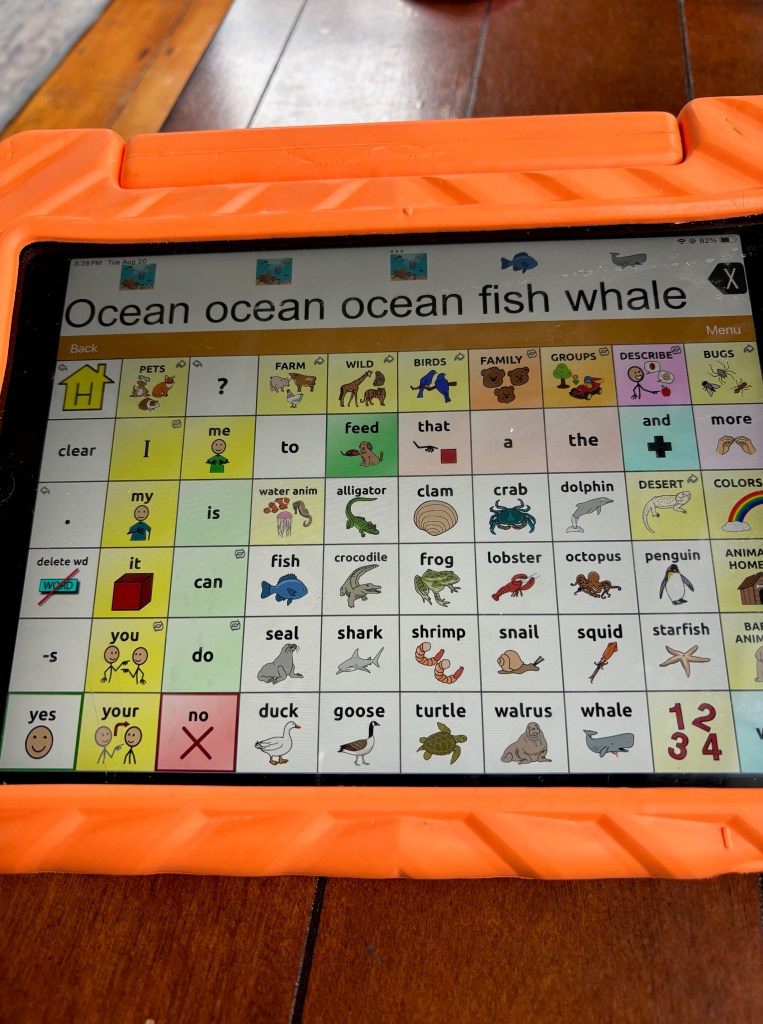
    3. Growing her AAC vocabulary. Thankfully, Daphne has always loved her AAC device, her talker. We use the program TouchChat, and her school was great about getting me trained immediately in the best practices for supporting a child who uses AAC. Thus, we’ve always allowed her device to be hers, and we’ve implemented it in a child-centered, invitational, authentic manner. That means, we never require her to use it or demand she communicates certain words/phrases on it. We model our own language on it daily, especially in the context of things Daph enjoys, and she gets to watch and mimic as she likes. In this way, she has learned to love it and now regularly uses certain words and even phrases to communicate her needs, wants, and feelings.

    Summery, indeed

    This summer, she’s begun using several new words: soon, ocean, stick, fish, swim, mermaid, horseback riding, and frustrated, among others. You can see the pattern here–outdoor play! She’s even using certain phrases–read that book again, I love you, go to _____ (usually lake, home, or car) and It is. This is all fantastic progress! The more language we can show her, the better she can communicate, and the happier and more empowered she will be.

    2. Regaining her float. When Daphne was three years old, we enrolled her in infant survival swim lessons, where she learned how to float, flip over, and swim a short distance to the side of the pool. She loved her lessons, and they were the first victim, sadly, of the pandemic. She hasn’t had formal lessons since, and I figured she’d lost her floating ability–for years afterward, I didn’t see her float in a pool or lake and when she tried, she struggled.

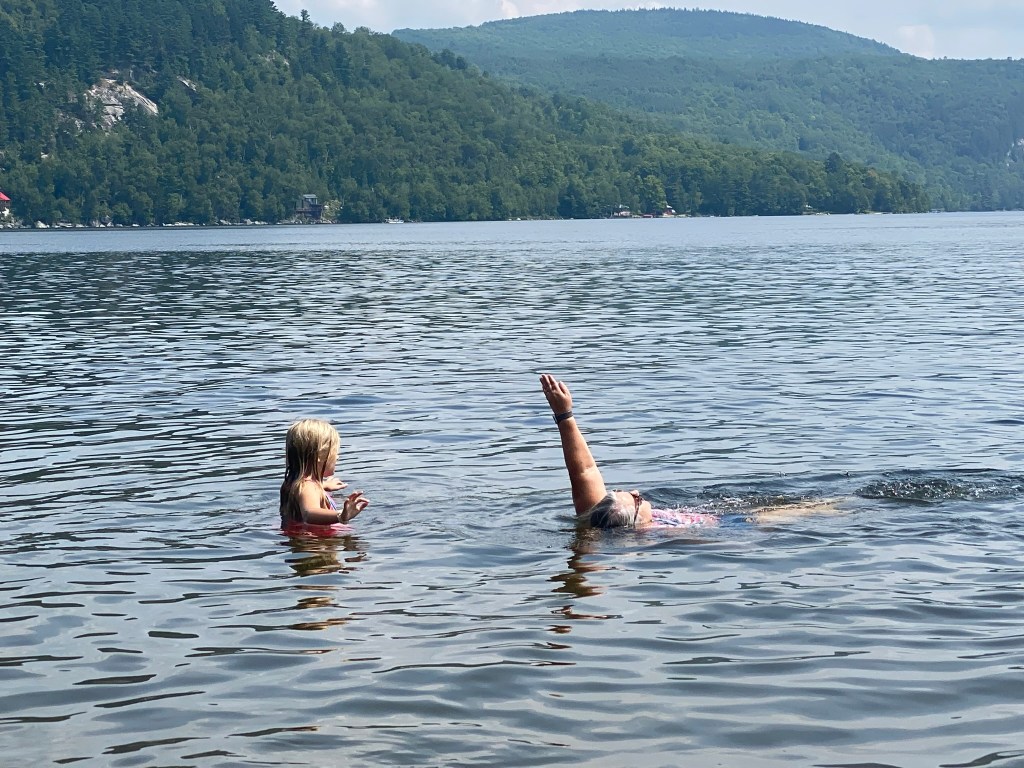
    This year, she was determined to get her float back. She watched many old videos of herself floating at swim class with Miss Gabby, and then at the lake, I recognized her trying to do it again. Wisely, for once–haha!–I left her alone. I knew she’d remain more engaged and determined if I let her practice without my interference. And, voila! About midsummer, I saw her floating for a few seconds. Those seconds multiplied each time she practiced, and now, if she gets into a perfect position (head up, arms and legs stretched out but relaxed), she can float for a solid minute.

    It’s a little harder to float in shallow water at the beach!

    This is amazing and fantastic for obvious reasons. A lot of kiddos with autism are drawn to water, and drowning is a leading cause of death. Daphne is passionate about swimming. If, God forbid, she ever elopes to a body of water, her chances for surviving until someone rescues her are much better if she can float.

    Better than that, arguably, is the fact that this is evidence of her own determination and independence. It’s not often I see clear evidence of her pushing herself to achieve something she wants, but this was definitely the case with her float. It goes to show what a smart, driven, resilient person she is, and we are so proud of her.

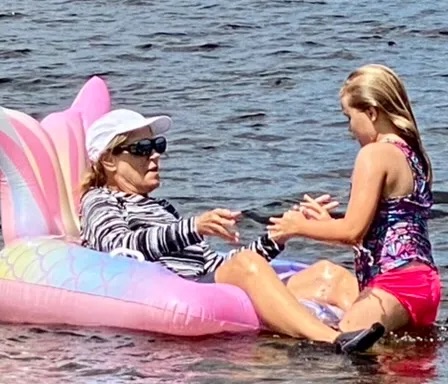
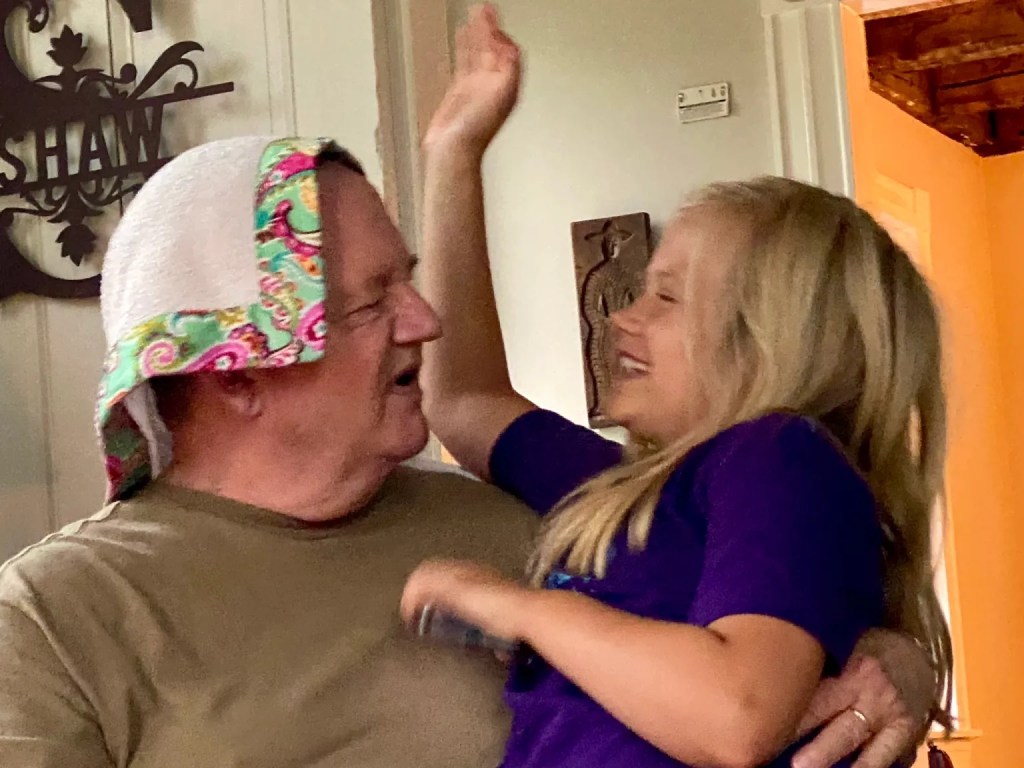
    1. Spending time with her grandparents. Summer is the season of visitors, and this summer, Daph’s Grammy visited twice, and Grandma and Grandad came once for an extended stay. Daphne even got to see her Munkka, Grammy’s husband. She adores her grandparents and seeks lots of physical love and playful connection with them. Summer visits mean she can swim with them, too. She had a great time on a floatie with her Grandma, and she had THE BEST DAY EVER with her Grammy when they swam together at Crystal Lake, then moved on to the beautiful saltwater pool at The Wildflower Inn.
    Grammy giving a backstroke lesson
    Grandma on the floatie

    So there you are! Our summer’s been fabulous in many ways, despite all my complaining, and I am grateful for Daph’s growth and for all the love and support our families have given us on their visits.

    Playing with goofy Grandad

    Daphne’s regained her continence, too, which is a huge relief. All in all, I can’t complain… though I am ready to have back my schoolyear chunks of Me Time. I will get to write more easily, but I’m actually looking forward to lots of reading again. I’ve hardly been able to do any reading these last nine weeks, and I have so many great books to dive into!

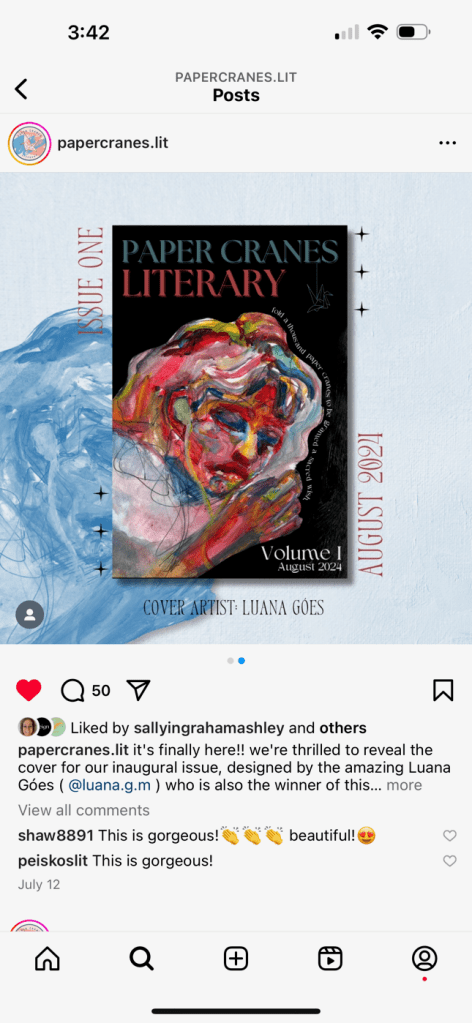
    On a final note, I have some exciting writing news! My story of familial love, “In Dreams and After,”– about a ghost determined to enter her mother’s dreams– is set to appear tomorrow, August 21st, in the debut issue of Paper Cranes Literary, when the magazine goes live!

    Cover reveal
    Proofing the contributors’ draft a while back

    I’m planning to push myself a little bit in the marketing aspect–meaning I will post about the publication and even share a little bit about the story on my Insta, all in the hope that anyone who’s interested will read the piece in the e-version and hopefully appreciate it or find it comforting or poignant.

    Collage representing my story using Canva and Unsplash

    And if they don’t, that’s okay.

    It’s scary being so vulnerable, but publishing should mean I want those interested to read my pieces, even though they’re not perfect and might not be everyone’s cup of tea. I’m telling myself, they don’t have to be in either case. And, it’s okay if there are people secretly judging me for it, thinking I’m silly or reaching too high or my work sucks. Welcome to publishing, after all. Inevitably, all authors get some negative judgement–Writerthreads is full of anecdotes about that. You have to have a thick skin, and you have to be brave enough to embrace the vulnerability that comes with publicly sharing your work. I have to “get comfortable with being uncomfortable,” as a book coach who specializes in marketing recently said, especially if I want to continue growing in this endeavor.

    I hope you’ve had a good summer! I’d love to hear about your own seasonal highlights or any advice you have on handling vulnerability.

    So long, farewell, auf wiedersehen, goodbye! (Did you sing that in your head?)

    Until next week!

    XOXO,

    Jenn
  • Christmas Horror, Anyone? (A New, Unexpected Project)

    Hey there! As my daughter likes to say on her AAC device, how’s it going?

    When summer began, I didn’t intend to write any new short stuff. Instead, I planned to chip away at the behemoth zero draft of my novel, do some editing on a few existing short pieces if a reason arose (like virtual writing camp), and blog. Basically, I was planning to get some creative rest. That idea made sense given that I had to shift a majority of my time away from writing and toward caring for Daphne.

    Well, thanks to one of my regular emails from Authors Publish, I came across an opportunity for a themed submission–Secrets of the Snow Globe. Yep, you read that correctly. And, that changed my creative plans.

    I love this vibe!

    The theme is for a Christmas anthology that a small British press is publishing, and at first it struck me as silly (it still kind of does). But then, I kept thinking about the topic. They want stories from 4-10k (that’s generous!) set at Christmas time and involving a snow globe, and the only two acceptable genres are fantasy and horror.

    The more I thought about it, the more fun an attempt at such a story sounded. I’m still trying to figure out if I can write horror well, so if anything this prompt seemed like a good opportunity to practice the genre.

    So that’s what I’m working on right now. I’m drafting a Christmas horror story about a cursed snow globe. I didn’t see that one coming.

    Damn, DALLE

    Consequently, I’m keeping this post super short because I’m saving my writing energy for that project, the deadline for which is August 31st–eeeek! And, I have to write most of it at night after my daughter goes to bed, since school doesn’t start until the 26th. Hopefully, I can get a decent draft done in time to have at least one reliable person give me feedback so I can make edits before submitting it. That’s a fair amount to cram into a summer schedule that still only allows a little time for writing.

    But since I’m excited to try my hand at this, I thought I’d share a few of my ideas and inspo images for the story, starting with a blurb.

    This is a good way for me to practice writing a blurb, too.

    ***

    BLURB: It is December 1918, and Cora Campion is an embittered young woman bearing heavy responsibilities in a dark world.

    Cora

    Her mother is gone, leaving her essentially alone to care for her vulnerable, dependent sister on their family’s sugar plantation, and she is haunted by a terrible memory that has left her especially fearful and guilty. Meanwhile, the Spanish influenza continues to spread, slowing the end of the Great War where, in France, Cora’s love interest, a young doctor, is completing his service for the Red Cross. Trying to muster the patience for his return home, she prays he will avoid catching the illness.

    Reading a letter from the man she secretly loves

    It is nearly Christmas, however, and Cora’s mystical Aunt Caille is visiting their family.

    Old lady goals right here

    Caille is one of the few people who never overlooks Cora and, in an effort to bring Cora some joy and respite, she gifts her an enchanted snow globe, which promises to make the dream of Cora’s perfect life come true, if only for one special night.

    She’s imagining the possibilities

    But, as Caille warns her, there are conditions. Instructions that must be followed, according to a mysterious bargain. And, when Cora fails to follow those instructions exactly, her ideal Christmas escape in the house of her dreams becomes a perfect nightmare.

    Don’t look behind you

    As she struggles to stay alive and make sense of what has happened, she must figure out how to save both herself and her sister from an evil possessive force… for only one of them can survive.

    ***

    So there you go! If this kind of story is your jam, hopefully the blurb has piqued your interest.

    What are the comps for my piece, meaning other stories/movies like it? Think The Nutcracker meets The Shining.

    It’s definitely a story for grownups.

    Right now, the evil possessive force in the narrative is either a wendigo or a wendigo-like creature–I’m not sure how specific I want to be about that within the story itself.

    One rendition of a wendigo, courtesy of legendsofamerica.com

    According to Britannica Online, wendigos come from Algonquian tribal folklore, and they’re either cannibalistic monsters or evil spirits that possess humans, and they’re associated with winter. They’re often gaunt and gray-fleshed or enormously tall, with sunken/glowing eyes, sharp and yellowed fangs and claws, and pointed ears or horns or deerlike antlers. They smell of rotting flesh, which, it’s said, is how humans can detect them.

    Damn again, DALLE

    They are drawn to people who are greedy and gluttonous or suffering from hunger and starvation, which appealed to me on a metaphorical level. My female main character is emotionally hungry for validation and support, though she resists asking for assistance or admitting she is struggling.

    I’ll update you next week on how this project is going. The story could turn out dumb as hell, lol. There’s certainly the distinct possibility for that… as with any horror story one sets out to write, given the extreme and hyperbolic nature of the genre. If that’s the case, I won’t submit it, of course, but like I said, it’s something I’m excited to try.

    And, it’s getting me ready for the holidays, with spooky season up first!

    When you’re in the flow state and lose track of time, forget to eat…

    If you’re a writer, have you ever tried your hand at horror? What thoughts or insights do you have about the genre? If you enjoy reading it, what’s your favorite aspect? Your pet peeve?

    Wish me luck with this one! I’ll see you next week.

    XOXO,

    Jenn
  • Right Now, Can I Really Call Myself a Homesteader?

    Happy Tuesday, friends.

    I’ve written a lot on here about autism parenting and creative writing, but I haven’t talked much about the homesteading aspect of our lives. So, I thought I might share a little about that today. Though, as you’ll see, I’m feeling like a fraud lately when it comes to our farming and livestock care.

    But let me back up.

    One reason my husband and I sold our suburban tract home for a farmhouse on eleven acres was to become more self-sufficient. For us, that meant having the space to grow our own food.

    In the earliest period of the COVID quarantine, Jer went alone one day to our grocery store to stock up on everything we’d need to hunker down for a while. He was shocked to find half the shelves empty and most of the foods our daughter preferred, especially her yogurt and bread, totally gone. He came home with only a fraction of the items he intended and his food security utterly shaken.

    Hubby calls this “the picture that launched a thousand miles” to VT

    Though I don’t remember him confiding in me that day, this sudden anxiety about whether he could adequately provide for his family stayed with him, planting the seed of an idea that, over time, spurred a series of conversations between us. What were we going to do, he asked me, if we couldn’t get what we needed? What if there came a time when we couldn’t feed Daphne because all the stores were out of stock? Clearly, things weren’t as certain and permanent as we’d always assumed. The truth was, we were at the complete and utter mercy of the supply chain. And, evidently, that chain was tenuous.

    It was something we’d never fully understood until those dismal, anxious weeks, and we certainly weren’t alone in our fears. Millions of people worldwide felt the same way; we all experienced a period of reckoning, even if that period, for many, was brief.

    The difference for us was, even after things leveled out, and we’d found our new COVID normal (which did include the ability to get what we needed, even if it wasn’t always precisely the thing we wanted right when we wanted it), my husband and I continued to discuss taking better care of ourselves. That was how we landed on the idea of homesteading, and we couldn’t envision doing that in the place where we were, with our small fenced-in backyard, scorching climate, and strict HOA.

    So that desire for self-sufficiency, along with all the other reasons I described a while back, is what led us to northern Vermont and to “homesteading lite,” as I like to describe it. We began chicken-keeping first, then we ventured into gardening.

    Beverly, our favorite derpy hen

    We didn’t plant our garden until our second spring in Vermont. By then, we were settled enough to have the time and energy for it, so we launched in by purchasing raised beds, tilling the space where the original garden was (laden with a beautiful dark soil), erecting a wooden fence lined with hardware cloth around the entire perimeter, watching YouTube videos on gardening for beginners, and going to the local nursery (a beautiful place called Houghton’s) to buy sprouts.

    I didn’t even know sprouts existed. I thought everything had to be grown from seeds!

    Just wee little cucumber sprouts. Aren’t they cute?!

    In our enthusiasm, we didn’t hold back, either. We bought lettuce, celery, herbs, strawberries, pickling cucumbers, and blueberry bushes, among other things. We had no idea if anything would make it, so we purchased more sprouts than we needed–way more than we would be able to consume, it turned out.

    Then we dug our little holes in the garden beds, placed each sprout in the gorgeous compost we’d cultivated over the past year, patted the dirt around the delicate roots, watered everything, and waited.

    Daph did a great job helping

    I couldn’t believe how easily and quickly everything grew.

    Little cucumbers!
    Gorgeous strawberry
    Delicious lettuce, herbs, and nearly-overripe cukes!

    Really, I thought there was some mystical art or technique to gardening because, c’mon. Me, grow strawberries? I could barely keep houseplants alive. Why on earth would I have a green thumb? How were we going to grow fruits and vegetables smoothly and successfully? Though I was game, I was definitely skeptical.

    Blueberries netted against the birds

    But I realized how easy and natural it was.

    Pumpkins! We didn’t even plant these–they were already under the soil, apparently, and finally had the space to grow again! They taught me all about garden surprises–when something comes up that you didn’t plant!

    It felt miraculous, actually, when I clipped my first big, beautiful cucumbers. It’s a ridiculous thing to say, but it underscores how disconnected we were from real food and how it’s produced, like so many millions of Americans are.

    This blew my mind!

    We were actually nervous the first time we harvested anything for dinner.

    “We just rinse it and eat it?” I asked about the lettuce Jer had plucked, trepidation in my voice. “We don’t need to do anything else to it?”

    “Nope,” he replied, hands up, chuckling. He looked nervous too. “I think that’s it.”

    Yes, that was all there was to it.

    So many cukes to pickle!

    I loved our garden, especially that initial summer.

    Delicious homemade dill pickles! I’m still eating them!

    We were so conscientious about watering and weeding it. I discovered, too, how good I felt down on the ground, under a bluebird sky, my hands in the cool dirt, pulling out camouflaged weeds and deadheading old blossoms–culling the old and unwanted and encouraging the new, essentially. Feeling creative and in control. What’s better than that? The exertion in the fresh air and the feeling of accomplishment got my endorphins going, and I began to understand why people find gardening therapeutic.

    Baby Roma tomatoes
    Peppers!

    In fact, according to the Mayo Clinic, gardening reduces stress and anxiety because it’s gratifying to tend and share your own food, and it provides a rewarding and even “soothing rhythm” that gets you into the sunlight (lowering your blood pressure and increasing your Vitamin D levels) while allowing you some quiet time “to slow down, plan, or mentally work out a problem.”

    Perfect, right? Something we should all do, even if it’s only on a small scale, right?

    Absolutely.

    My pride and joys

    We gardened happily and successfully for two years–the summers of 2022 and 2023.

    Cooking with fresh herbs–the difference in taste is incredible!

    This year, well, we had the same good intentions but… not the same amount of time. And this is what’s happened.

    This was our herb and pepper bed. You can still see the oregano, which I really need to salvage.

    Daphne’s behavior has been so challenging this summer that I can’t leave her unsupervised to dash out and weed or water while Jer works. I haven’t gotten up early to do it, either, because she’s been up early herself or I’ve had to sleep later from staying up late indulging in things I need to do for me, like writing and reading. I would love to garden at night, but one can’t tend a garden in the dark, unfortunately.

    This was the lettuce bed. I wish I could weed in the dark.

    It’s sad because gardening would really have helped me feel better, especially during that excruciating period of my daughter’s incontinence about two weeks ago. Alas, there’s no one to watch her so I can get away for a brief, therapeutic respite.

    That’s not entirely true. We had my parents and in-laws here for several days, and I did not take the opportunity to get out there and bring some order to the weedy chaos.

    At that point, it was just too overwhelming.

    Nor did I take that time to treat our hens for mites and clean out their coop.

    Get it together, Mom!

    Which is why, right now, I’m feeling like a fraud. Can I call myself a homesteader, or even a lover of gardening, if I’m not making the time to do these things properly?

    Sure I can. A bad homesteader. 😦

    I’ve lost a lot of my initial enthusiasm, I admit, over the course of this exhausting summer, and it makes me sad when I think about the optimism with which we started our new garden in late spring, as usual.

    *Sigh*

    I’m trying to give myself grace. We all go through periods of ease and periods of trial, I realize, and our energy levels are never entirely consistent. We’re not robots.

    In the grand scheme, it’s all ok

    Still, I look at those horrible beds and feel like I’ve let all of us down, to a certain extent.

    Oh well.

    On the bright side, the carrots, Roma tomatoes, and corn are growing despite the strangulation the weeds are attempting, and it looks like I’ll have my own cornstalks to use in my fall decor this September, which is awesome.

    Those tomatoes look ok…

    Still, I’d hoped for better.

    …As does the corn

    I’ll type it again. Oh well.

    Next year will bring with it another summer, another garden, and another opportunity to start over. Gardening is cyclical, after all.

    Do you garden? I’d love to hear about it. What are your success stories? Your favorite things to grow? Are you gardening this season, and how’s it going? If well, then please, let me live a little vicariously through you.

    Much love, as always.

    XOXO,

    Jenn

  • Literal Rainstorms and Metaphorical Sunsets

    Hi! Thanks for being here. Last week I promised to give you a writing update and I absolutely will, but first let me note another difficult day for my Vermont community.

    Last night, our little part of the Northeast Kingdom suffered yet another torrential storm. The rain–unexpected, I might add, since nothing in the forecasts indicated it was coming–dumped down on us so hard it woke everyone up. At one point, it reached an intensity that made me wonder if our old farmhouse could stand it. There was no wind, but the rain pounded down in leaden sheets.

    It’s still strange to hear heavy showers up here. We used to joke about how adorable Vermont rain was–so gentle and nearly-invisible compared to the deluges of the Gulf Coast. The ground used to dry faster than any I’d ever seen, leaving no trace of precipitation.

    Entering Island Pond (photo posted to Facebook by local resident)

    I can’t say that anymore.

    Just beyond our town (photo posted to Facebook by local resident)

    Thankfully, this storm spared our town of Lyndonville from additional flooding, but the areas around us are devastated–high water, plus roads, vehicles, and houses washed away. Livestock lost, I’m sure.

    In Saint Johnsbury (photo posted to Facebook by local resident)

    A local weather report noted the total inches of rainfall set a record high for the entire state. It’s surreal, and it looks like this increase in rain might be our new normal. Again, I find myself wondering how people can question climate change…

    I also have to smile a little bitterly to myself. I was arrogant and naive in my assumption that moving here, to lovely, landlocked, cool-climate Vermont, would shelter us from the worst of the freak weather. How wrong I was.

    Just beyond our town, near Severance Hill (photo posted to Facebook by local resident)

    My heart is with our neighbors and fellow NEKers affected by this second awful storm. We will do whatever we can to help anyone in need.

    Moving on to writing… I realize how ridiculously lucky I am to be able to type that…

    Last week was the final week of the Writer’s Sanctuary’s Virtual Summer Writing Camp, and I had a great experience.

    Everyone in our cabin, Flower Power, got this badge

    As I mentioned before, camp was a month long, and it consisted of two meetings per week: one write-in where we all worked on our pieces during timed sprints and then debriefed about our progress, challenges, etc.; and one critique session, where we all got together to discuss the feedback we’d already typed in the margins of our cabin mates’ Google Docs. So, we met a total of eight times, and over that period I got to know my group members well. I also received essentially free developmental and line edits on my piece–mega hooray for that!–and I was so happy with the revisions that I’ve already submitted my story to one publisher for an anthology. I’ll keep you updated on that.

    I did, in fact, complete my goal for my work-in-progress: to edit for submission

    That first week of camp, though, after our initial meeting (a write-in), I was a tad concerned. It’d felt awkward among the four of us, and our cabin leader, talented writer and editor though she is, struck me as shy and hesitant. I’m not great on Zoom myself, so I don’t blame her. It always feels like there’s a split-second delay between what you say and what your fellow attendees hear, and I still never know quite where to look when joining a meeting or during the lags in conversation. Goodbyes can be uncomfortable, too. All of that was compounded by the fact that the four of us were basically strangers to each other.

    No one looked *quite* that uncomfortable, thankfully

    Our second meeting (our first critique session) was vastly better. I’d genuinely enjoyed reading my cabin mates’ 1 k samples and preparing my compliments and suggestions, and I was thrilled to hop onto Zoom and tell them all how much I enjoyed their work. Everyone agreed they’d loved reading all the samples, too, and thus we cracked the ice.

    It so happened that we all submitted pieces different in genre and style, and the variety was satisfying. One lady submitted a first chapter from her Young Adult fantasy featuring a bottled message from the main character’s deceased fiancee directing her to Neverland. Another lady submitted the first chapter of her contemporary romance (in that high-pathos Nicholas Sparks-style), the premise of which sucked me in. The third lady, our cabin leader and the most experienced one among us, submitted the first chapter of her spicy Bluebeard retelling. I was the only one who didn’t offer an excerpt from a novel. I submitted instead the first part of a character-driven ghost story I drafted last September, having decided it wasn’t terrible and might be worth something with a little bit of feedback.

    The critiques were my favorite part

    That first week–and over the course of the entire camp–everyone was kind and complimentary yet thoughtful and helpful in their suggestions. They raved over my descriptions and pacing, and my only critiques that first night were about a few awkward sentences and the murkiness of my story’s genre.

    I was pleased to discover after that first week, too, that I could hold my own in our group. I’d feared my piece would be amateurish compared to the others’ samples and that I would struggle to give helpful suggestions. That would not be the case, I realized, and I was relieved and enthusiastic for the remainder of camp.

    I felt, in short, like I truly belonged. Not just in my cabin but in the larger world of writing, and the feeling was validating.

    More specifically, our cabin meetings felt like the type of small writer’s group I’ve always wanted to be part of. Hearing people gush regularly about my work didn’t just bolster my confidence and renew my energy, it also reminded me again of how important consistent feedback is. We think we’ve translated clearly to the page exactly what’s in our mind only to discover we haven’t, and once someone points this out to us, it’s clear as day. There is a certain inevitable blindness that all writers experience, so we need this specific, regular, and reliable feedback. Certainly, writing to publish is not a solitary endeavor, and my cabin mates pointed out details and phrases I would never have realized on my own were confusing or underdeveloped, despite the fact I’d gone over my story several times even after spending ten months away from it.

    Has my self-editing made this better? Worse? Is the entire thing even decent?! I just can’t tell anymore.

    I took probably 95% of their suggestions, and the draft I ended with was definitely clearer and more powerful. It felt good to achieve this improvement, too, without paying an editor a ton of money.

    Taking turns critiquing also made the entire experience feel comfortably equitable, unlike the one-sided dynamic between a writer and her editor, where the writer can feel relatively inferior and powerless.

    Finally, the camp critiques reminded me that everyone’s early drafts need improvement–even the drafts of experienced authors who have published fifteen books. This reassured the novice in me.

    That last session, as the sun set metaphorically on our final meeting, I was genuinely sorry to say goodbye to Cait, Charity, and Colleen. We promised to keep in touch, however, and Cait has been kind enough to share more of her working chapters with us simply because we want to find out what happens next. If my little ghost story, “Hello, Dear,” gets accepted anywhere, the first thing I will do is message these ladies to say thank you.

    There’s an ache in my chest just thinking about this experience being over

    Have you ever been part of a small writer’s group? What was your experience like? What positives did you take away from it, and what negatives, if any, did you struggle with? I was lucky TWS placed me in such a good group, but I know that’s not always everyone’s experience, and I’m wondering what the drawbacks are and if even they can yield some kind of surprising benefit.

    Have a great end to your July, and I hope your summer sails smoothly into August.

    XOXO,
    Jenn
  • Mama Potty Melodrama

    Hi! I hope all’s well for you.

    I mentioned a while back that our autistic daughter’s had some recent toileting trouble. It’s not uncommon for her to have an occasional accident when her routine changes, and such was the case early this summer. Gone was her typical school day, after all, and despite the visual schedule I implemented, one day to another here at home has varied quite a bit.
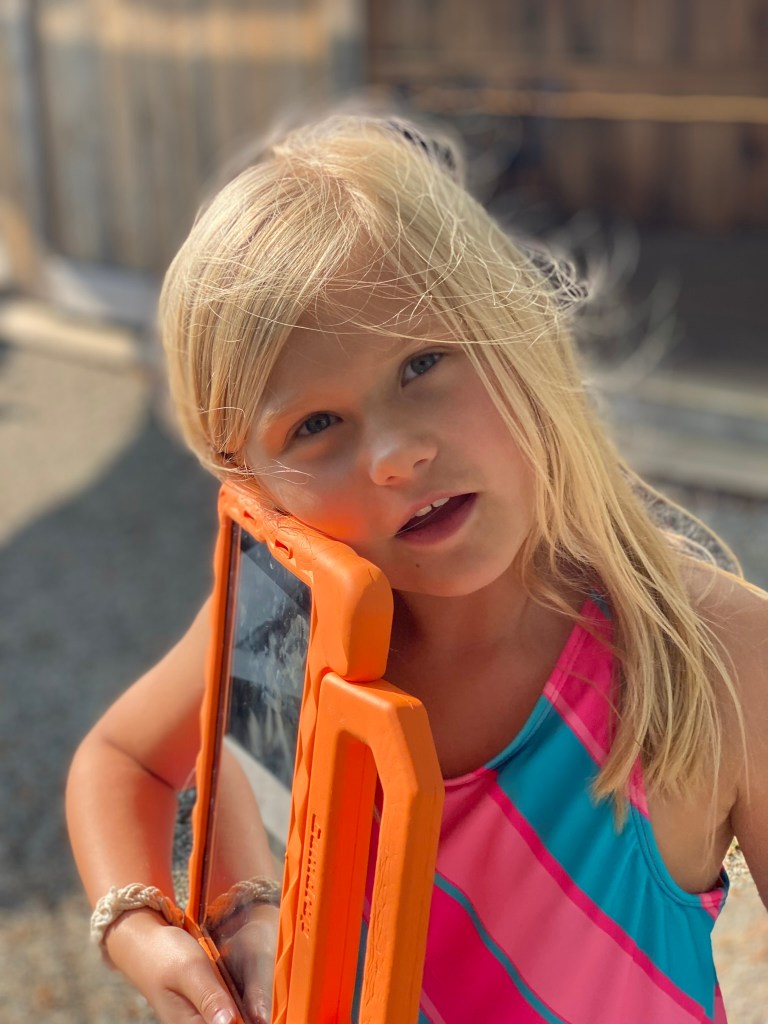
    No biggie, really. Par for the course, I figured.

    Evening of July 4th, after she had an accident sitting in our neighbor’s camping chair

    However, about two weeks ago–the day we drove to Saratoga for our overnight trip–Daphne started having multiple accidents. Four a day on average, and there didn’t seem to be a clear pattern to them. She had them when she was fidgeting or dancing around, she had them when she was sitting still, she had them in bed. She had them if we were playing and talking to her and if she was momentarily alone.

    Oh, God… please don’t pee in that hotel bed!

    Suddenly, I was scared.

    Can she not feel it all the sudden? I thought. Has she suddenly lost control for some terrible physical reason? Is there something neurological going on?

    My fears weren’t helped by the fact that, a day after we were home from our quick trip, we took her to Get Air, a trampoline park in the Burlington area, and she only jumped for about an hour instead of her usual two. Toward the end of that hour, she took herself into a quiet spot and laid down, pointing to her head.

    “Does your head hurt?” I asked her.

    She signed “Yes.”

    And she’d been saying “Head hurt” on her talker for a while.

    I was sick to my stomach.

    Brain cancer floated through my mind. As did horrible scenes of hospital rooms and Daphne in bed sedated, pale, wasting away, her thick, beautiful blond hair gone. Giant Frankenstein stitches in her little skull.

    Every parent’s worst nightmare.

    I know this sounds ridiculous and melodramatic. But one of the hardest parts of her autism right now is our near inability to provide her basic medical and dental care.

    She resists doctors, dentists, nurses, and hygienists. I do what I can to prepare her for appointments by using social stories, books, and practice sessions playing dentist and doctor, and it helps, to a degree. I think she has a basic understanding of what goes on during these visits, and she’s good about allowing me to brush her teeth and pretend to listen to her heart with our play stethoscope. But the medical people aren’t me. The real setting always feels different, and she can’t help but be wary given her sensory sensitivities and slower pace in understanding how the world functions. So, though she’s not aggressive with anyone, she only allows the medical and dental staff to do a fraction of what they ought to. She’ll let the dentist get quick glimpses into her mouth; she’ll let the hygienists brush her teeth with a regular toothbrush; she’ll let nurses weigh her and measure her height; she’ll let the doctor listen briefly to her chest and back and maybe look into her eyes and throat. That’s about it.

    As a result, she hasn’t had a thorough medical checkup in years, not since she was a preschooler. She’s never had a full teeth cleaning.

    So, I’m never 100% sure she’s entirely healthy. Plus, she can’t tell us precisely if something hurts given that she’s nonspeaking. We go by the major signs, then–temperature, appetite, sleep habits, energy, mood, physical growth, and hair/skin quality. All fine, usually. But you can see how her sudden incontinence and odd behavior would worry me.

    Trying to play it cool… no worries here!

    I told myself, hang in there. Her Well Child checkup is in five days. Talk to her pediatrician and see what she says. Hopefully, Daph will get back on track before then.

    But she didn’t, and I agonized about what the doc would recommend. Were we going to have to submit Daphne to several tests? Even blood work would require either physical restraints or sedation. The idea has nauseated me ever since a nurse practitioner fretted about sending Daph on to the ER a year or so ago when she had a lingering fever.

    “How would they sedate her?” we’d asked.

    “Ugh, probably with ketamine?” replied the poor, harassed, overwhelmed woman, who was working the Urgent Care that Saturday all alone except for a nurse receptionist. “I don’t want to think about it. It’d be terrible, traumatizing.”

    Oh Jesus.

    I’ve had a fear of hospitals for Daphne ever since.

    So that was simmering into a brew of terror in my poor mind. Her dad’s too, I think, though he was trying to be rational and reassuring for me, insisting he really saw no indication there was anything serious going on that would warrant such tests.

    It’s all ok, honey

    I hoped he was right.

    My nerves were frayed by Thursday night, however, the evening before her 8 am checkup. I was so worked up that I lost it on my poor husband, who’d raised his voice to reprimand Daphne for stomping too hard on the floor. I yelled and cried, exclaiming that I couldn’t take all the unpleasantry anymore. We didn’t speak to each other the rest of that night.

    *Sigh*

    Luckily, this little tale has a hopeful ending.

    Daphne’s pediatrician, Dr. Reynolds, was wonderful, despite the fact that the entire hospital was freaking out Friday morning over Crowd Strike’s worldwide internet outage. She was sweet, warm, and listened carefully to my descriptions and speculations. She was quick to tell me everything I’d said sounded normal… I hadn’t heard such sweet words in a while.

    Long story short, the doctor agreed that the toileting regression was probably caused by a combination of things, both circumstantial and physical, the physical one being constipation since, if a child’s bowels are full, that can press on their bladder and cause accidents, this being especially true for a child already struggling with sensory challenges. She concluded this based on my report that Daphne had passed a large, painful stool the day her continence plummeted. The doc recommended prunes and pears and an over-the-counter laxative if those weren’t working, and for us to observe the quality of Daph’s excrement so we could tell if she was regulating or remaining constipated (apparently, a “soft, feathery log” is what we’re all aiming for, lol). She predicted Daphne would get back on track once her BMs were more regular and healthy. She was also able to tell me that Daphne’s growth over the past year has been fantastic, and she had no concerns at all in that area.

    A weight certainly lifted, and I’m sure my mood reflected that. The next day, the number of accidents went down, and Daph continues to do better. We’ve had a few days, including yesterday and so far today, where she hasn’t had a single accident, though we’ve gone back to setting timers and constantly reminding her to sit on the toilet the way we did when we potty trained her years ago. It’s tiring, but that’s ok. I’m feeling better about things, and so is Daph, I believe. She’s even eating the pears I bought her, bless her heart.

    See? Nothing to worry about, Mom

    So it goes as an autism family. Even the basic things feel incredibly difficult sometimes, but we forge ahead.

    As if it were a sign that things are looking up (at least for now), we had a fantastic family day on Saturday hiking a gorgeous waterfall trail, the Flume Gorge, in New Hampshire’s Franconia State Park. Daphne had a blast–she was fascinated by the main waterfall, and she loved climbing up and down the rocks all along the path. She was smiling and giggling the entire time, and she even found a stick that made her so excited she said “stick, stick, stick” over and over on her talker. She’s never been so happy and engaged on a hike, and it was beautiful and uplifting to see.

    This is so cool, Mom!

    And she didn’t have a single accident all day.

    It’s the little things that make us happy, isn’t it?

    A fantastic family day… we were due for one

    I’ll be back on Thursday for a writing update. I’ve decided to try something different–I’m planning to post twice a week (Tuesdays and Thursdays) in an effort to shorten my posts but still relay everything I want to share.

    So be on the lookout for writerly things in a couple days. Specifically, an update on my experience attending virtual writing camp (it’s been great!).

    For now, be well, and thank you for reading. As always, feel free to comment and share your similar experiences. If you’re a special needs parent–or even just a parent, period–I’m sure you can relate.

    Much love!

    XOXO,
    Jenn