“But some women only require an emergency to make them fit for one.”
That is a quotation from Chapter VII of Thomas Hardy’s Far from the Madding Crowd, which I’m currently reading.
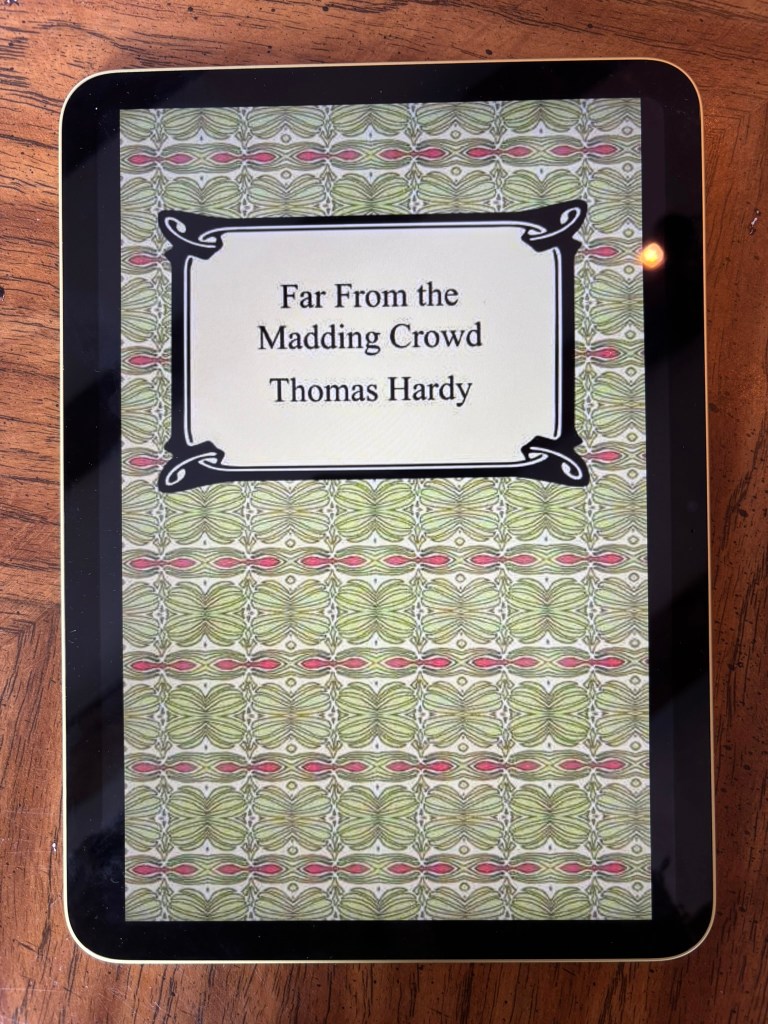
It refers to heroine Bathsheba Everdine who, upon inheriting her uncle’s farm, is forced to deal immediately with a fire. As the quote suggests, she does so cooly and competently.
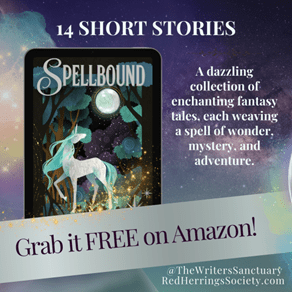
It brought to my mind, however, a main character of my own, Lady Elspeth Aiken, from “Elspeth and the Fairy,” soon to be published in the Red Herrings Society’s magic and fantasy anthology, Spellbound.
Unlike Bathsheba and Elspeth, I do not do well under duress. I never have. If someone screams, or shrieks, or something shatters, or–God forbid–there’s any bit of blood, my insides shrivel. The couple times I’ve witnessed a car accident, I’ve turned away. We pull over, of course, and I’ll dial 911, but I’m not the one leaping out to check on passengers and administer first aid, though I was once CPR certified for my job as a Pure Barre instructor.
When I was teaching high school and, in the hallway, two students suddenly went at each other–fists flying, wild-eyed, deaf to all reason–my feet cemented into place.
When we had our mandatory district training on how to take down an armed gunman who might break into our classrooms (isn’t that awful?), I went through the motions but always thought, Heaven help my kids if a psycho enters my room. I hope one of them can handle it, because I sure won’t be able to.
I fly from emergencies, not toward them.
I wait for someone else–another teacher, a hall monitor, my husband–to swoop in and control the situation, superior in their level-headedness. I do well if I don’t lose my own shit entirely.
It’s one of the things I despise most about myself. Something that makes me so keenly, painfully aware of my worst shortcomings.
Now, in the days leading up to my latest publication, it also makes me reflect on where my character Elspeth comes from, and how much I appreciate her.
She is the protagonist of my original fairy tale, the younger daughter of a Scottish lord. After her kingdom’s heir-presumptive is cursed to suffer, endangering her land, she takes it upon herself to enter the menacing realm of the fairies, hoping she can somehow save him.
Her characterization is definitely born in part from my awareness of my own awful weakness. Elspeth is able to do what I do not think I could do myself, and as the author, I bask in her bravery and fortitude. I project my desire for my own heroism onto her.

As writers, we often craft protagonists who represent perfected or idealized versions of ourselves. They are people we aspire to be, or they are curated versions of us we can still recognize. (Why are there so many FMCs who are bookish, clumsy, yet beautiful enough to attract the sexy, morally gray hero, after all?)
I have no doubt this played a role in Elspeth’s conception. She has a bravery I naturally lack, and one I’ve been trying to develop.
When I was outlining this story, I had something else in mind for her, too.
Given the story’s genre, where virtue is often rewarded, I wanted to explore the archetype of the empath–the great natural nurturing soul I encountered again and again in my teaching career and, now, one I thankfully observe among my daughter’s classmates every schoolyear, bless their hearts (I am using that Southernism earnestly).
An empath is someone who deeply feels another’s emotions, especially their pain. It makes them finely attuned to all injustices and good in emergencies, especially ones of the emotional kind. When I was teaching high school English, there was always at least one empath among my students every year, often two or three. They were usually girls, but sometimes they were boys.
They were the ones who stuck up for anyone suffering a snide remark. The ones who offered to explain a concept in a different way to the kid who still didn’t get it, when I was at a loss for any other way to break it down. They were the ones who volunteered in organizations like PALs. The ones who never tolerated bullying of any kind and who always had a smile for me, who always took a minute to ask me, “How are you feeling today, Ms. Ashley?,” especially in those early years when I was on a steep learning curve. (Ashley was my maiden name.) They were the students who were wise and already maternal or paternal decades beyond their years.
I’ll never forget one empathetic student of mine, Erica. She was already eighteen but in my English II when I worked in our district’s credit recovery program, and she was a bright and a natural teacher herself. She’d moved to Houston from California. Unfortunately, a lot of her high school credits hadn’t transferred, so she was stuck retaking several classes she’d already passed, including mine. She took this injustice in stride, however, and quickly made friends through her magnetic self-confidence and wonderful tenderness and sympathy. In class, she did a lot of tutoring and helped maintain the momentum of discussions and activities. She genuinely loved most everyone and wanted good experiences for all of us.
She did wonders for me, one day.
My husband and I had recently received our then three-year-old’s autism diagnosis. We were reeling from the confirmation of this awful suspicion while trying to adapt to a schedule of brand new therapies, sessions where I still couldn’t believe a speech therapist had to teach my nonspeaking daughter the meaning of “Put in” by modeling a crayon going in a box… All of this while attempting to process a shadowy future terrifying in its uncertainty. For my husband, it was a metaphorical death. For me, it felt like a gaping wound that “simply would not heal” (that’s actually a line from my fairy tale), one that continued to throb with a complex mix of fear, rage, hopelessness, and even, irrationally, shame (in myself somehow, not my child).
In the face of such a crucible, life doesn’t stop. I was still getting up at 4:30 am every day, traipsing into work, juggling the stress of planning, grading, and trying to motivate kids who’d been disappointed in their academic experiences–many of whom had their own serious challenges, including an array of learning disabilities. I was raw and overloaded and exhausted, and one morning I lost it on Erica’s class. I don’t remember what I yelled, or what prompted it. The class probably wasn’t listening, or someone had given me attitude, but just before the period ended, I burst into tears.
Let me tell you, for both the teacher and students, this is one of the cringiest, most painful things that can happen in a classroom.
When the bell rang, my students filed out in silence, even Erica. After that was lunch, and thankfully I could be alone. I closed my door, sat at my computer, and tried to enter grades but only saw the names and numbers blur. I finally gave in to sobs, letting myself feel all the things washing through me.
Twenty minutes later, there were two tentative knocks at my door. Erica, accompanied by a friend, peeked in. She held up a gigantic, greasy McDonald’s bag.

Her brow softly creased, she whispered, “May I come in, Mrs. Shaw?”
I smiled at her, trying to lighten things. “Of course.”
The kids shut the door behind them and pulled up desks next to mine. Erica spread out paper napkins and laid out the boxes of Super-Sized fries and 20 piece McNuggets. She handed me a sweaty Coca-Cola fountain drink. I never indulged in soda, but that day, the sweetness did more for my soul than I care to admit.
“I thought you might be hungry.” Erica’s face was lively with kindness and concern.
I thanked her profusely and tried to decline, assuring her I was fine and that I wished she hadn’t spent any money on me, but she only said, “I was going there anyway. Please eat.”
So I did. I didn’t have the energy to keep resisting, and I was famished.
The three of us ate together. Erica knew about my daughter since I’d shared a little about our situation with my classes, but she carried on a perfectly light conversation and occasionally patted my shoulder. We talked about music, movies, television, probably Game of Thrones, even Watt Pad where Erica was writing stories. By the time the bell rang for 6-7th period, we were all laughing, and most of my embarrassment was gone. Much of the tension had eased from my neck and shoulders, and I felt like I could face the rest of the day.
On her way out, Erica folded me into a bear hug, and I let myself relax in her arms. Maybe I was leaning too much on a student, and it wasn’t professional. But, in that moment, we were just two human beings, and Erica’s need to provide solace, and mine to receive it, overrode everything else.
She looked visibly relieved on her way out, too. Again, a true empath.
Erica is who I envisioned when I wrote Elspeth.
She, and all the students that came before her, and all the students after her–including all the kiddos now who, every year, befriend my autistic daughter, who rub her back when she’s crying or hold her hand at recess or toss the playground ball back and forth with her or sing her “Humpty Dumpty” for the ten thousandth time, who I count on to ease my nerves when I drop my child off everyday, which is such an act of faith–they are the many wonderful, necessary souls I pay tribute to in this story.
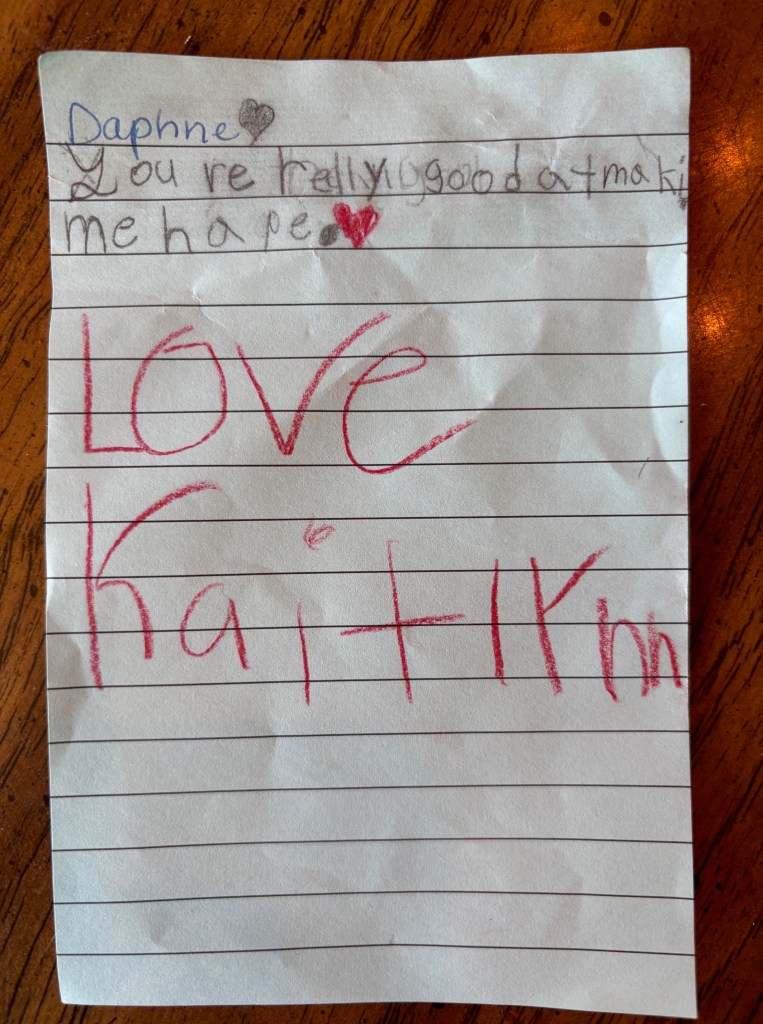
They are the ones who make this world bearable, and who inspire us to try changing it.
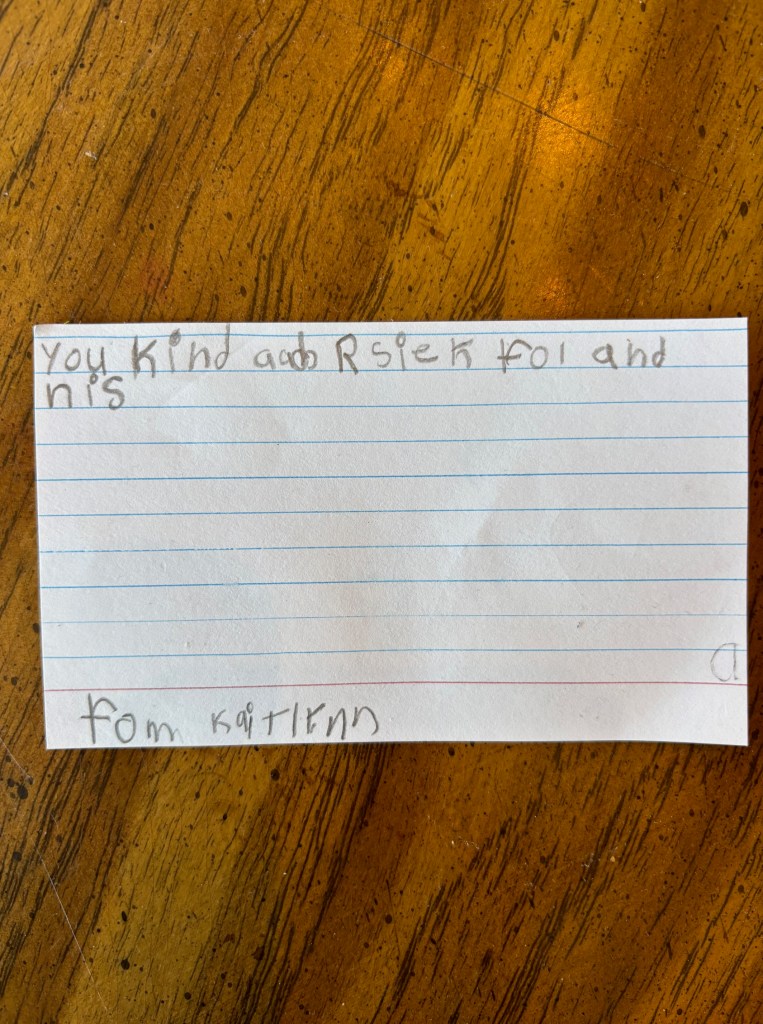
They are the ones who need particular care, too. Because they internalize more than the average person, they are susceptible to their own unique depression and burnout. I try to check in at least occasionally with these exceptional souls, whether it’s face-to-face with a current friend or online with former students and colleagues, Erica included.
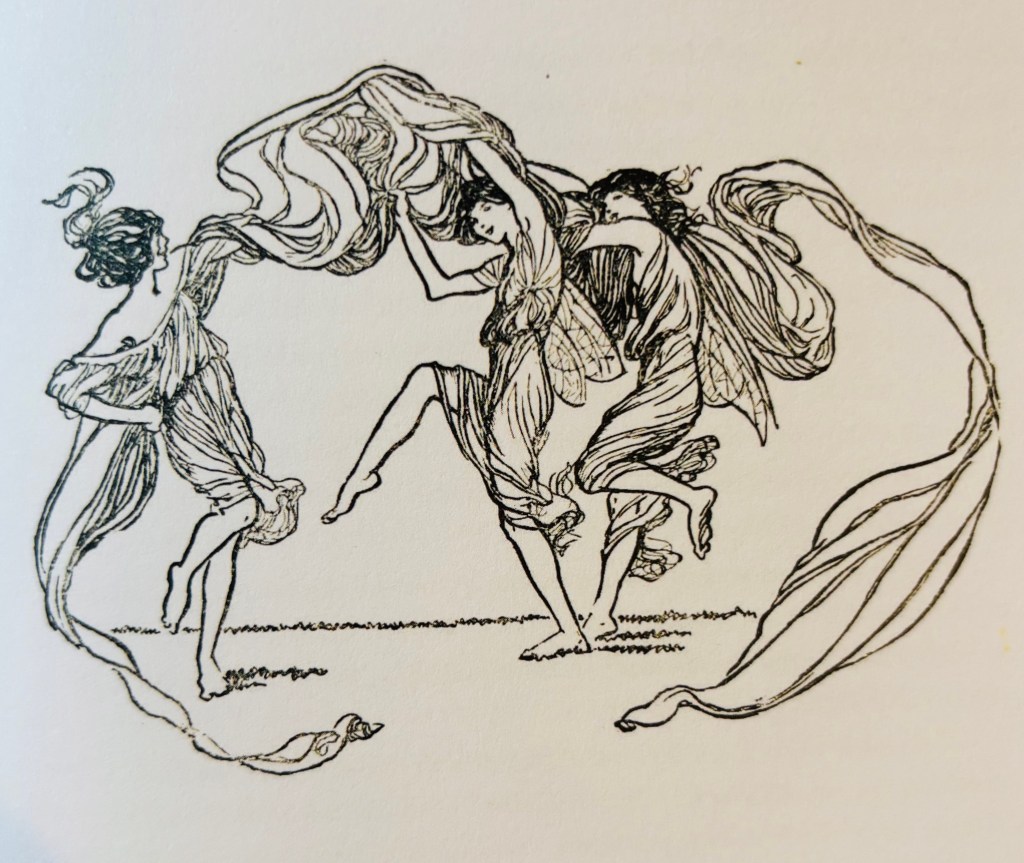
With that said, here is an excerpt from “Elspeth and the Fairy,” one that helps showcase my protagonist’s care and sensitivity. When I drafted this scene, I was asking myself, how would Erica respond?
Late one winter, Elspeth and Fiona tramped through a snowy field, reveling in the cloudless blue sky of the first temperate day. They huffed as they trudged, breath steaming through lips parted in delightful exertion, when a figure on horseback appeared over the ridge. Hunched over, he clung to the dappled-gray’s neck, his weight slumped to one side.
As the horse galloped closer, they heard the man’s terrified cry:
“Whoa!!”
A string of furious words followed the plea, so crass that both girls, now young ladies, flinched.
“By Morrigan,” gasped Fiona, casting her eyes up to the vast blue dome, looking for crows. “What awful thing comes this way?”
“Just a man.” Elspeth squinted to see more clearly. “In distress.”
The horse, as nobly outfitted as its passenger, nearly overtook them, rearing up on hind legs to dislodge the aggrieved rider. The young man slid down, then groped madly away in the snow, desperate to avoid the stallion’s hooves. Though his mount cantered off, he ducked down, shielding his head and neck, and howled as if something from the sky were swooping down on him.
“Sir!” Elspeth rushed toward him, her sister hanging back. “Are you alright?”
“Do not you hear it?!”
“What?” cried Fiona.
“Two of you?!” The man shook his head. He did not look directly at either of them. Instead, he gaped far over their shoulders. Then he thrust his chin at the sky. “That horrible screech?!”
Both sisters looked up at the silent, empty blue, then back at the poor young man. The bluebird sun sheened his damp auburn brow and highlighted the angular lines of his fine jaw.
“I’m afraid we hear nothing.” Elspeth crouched down to take the man’s elbow, large and feverish beneath her hands. He shrank away as if burned.
“I cannot see!” he cried, “Out of nowhere, I am blind! And I hear too much—things that are not there?!” His voice lifted and broke on the question before he struggled on: “My tongue, too, is separate from myself; I cannot control it! I am cursed! CURSED!”
He screamed another volley of blasphemes so jarring they pained the girls’ ears.
“An appalling enchantment,” Fiona whispered, her eyes two enormous orbs.
When Elspeth crept forward to lay a hand on him again, the man shoved her hard into the snow.
“Fiend!” her sister hissed.
“It’s alright.” Elspeth rose, gesturing for Fiona to calm herself. “He’s only frightened.”
She stood over the panicked figure who was no better than a trapped animal, robbed of all assurance.
“My lord, I am no wicked thing, just a mortal woman who wants to help you. Please let me.”
The man flung his hands over his mouth.
Elspeth steeled her voice. “If you remain out here like this, after the sun goes down, you will not live to feel it rise.”
He only rocked back and forth.
“I am reaching out now.” Elspeth knelt again to take his elbow. At her touch, a heart-wrenching wail broke from him, and she could not resist encircling him in her arms.
“Be careful!” Fiona cried.
“You will be alright,” Elspeth soothed, her cheek against the man’s. “We will help you home.”
If this appeals to you, I hope you’ll consider downloading the free e-book. Spellbound releases September 16th.
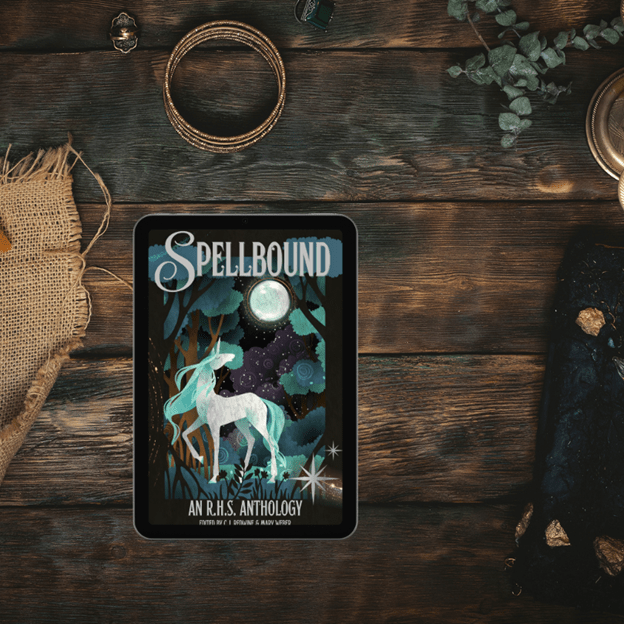
Full disclosure: this scene is slightly longer than the version included in the anthology. I had to trim it to keep the story under a certain word count, but I prefer this version and feel it does a better job highlighting Elspeth’s nature while contrasting her to her sister.
I am kinder than Fiona, but I hate to admit that in this situation, I’d probably be right there with her, cowering back.
Before I wrap this up, here are a few additional teasers for more stories in Spellbound, penned by my talented co-contributors.
“Crimson Ink” by Kathlene Brown
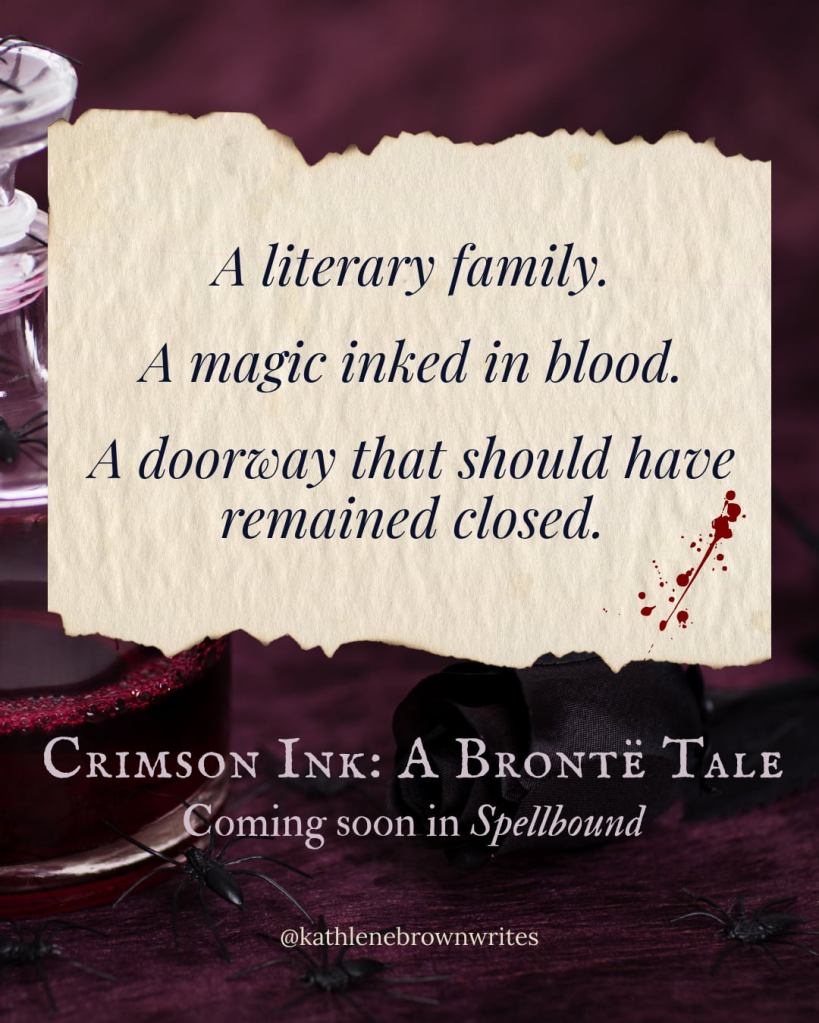
Branwell Brontë has always lived in the spaces between his sisters’ talents and his father’s expectations, better at conjuring the family’s childhood magic than finding a voice on the page. When a letter stirs old ambitions, Branwell draws blood, inks an incantation, and forces open a doorway to a forbidden world created by his sister. But Emily’s dark, haunting world is restless, and it pushes back. Crimson Ink: A Brontë Tale by Kathlene Brown is a gothic short story about the cost of creation, sibling loyalty, and the brittle line between imagination and ourselves.
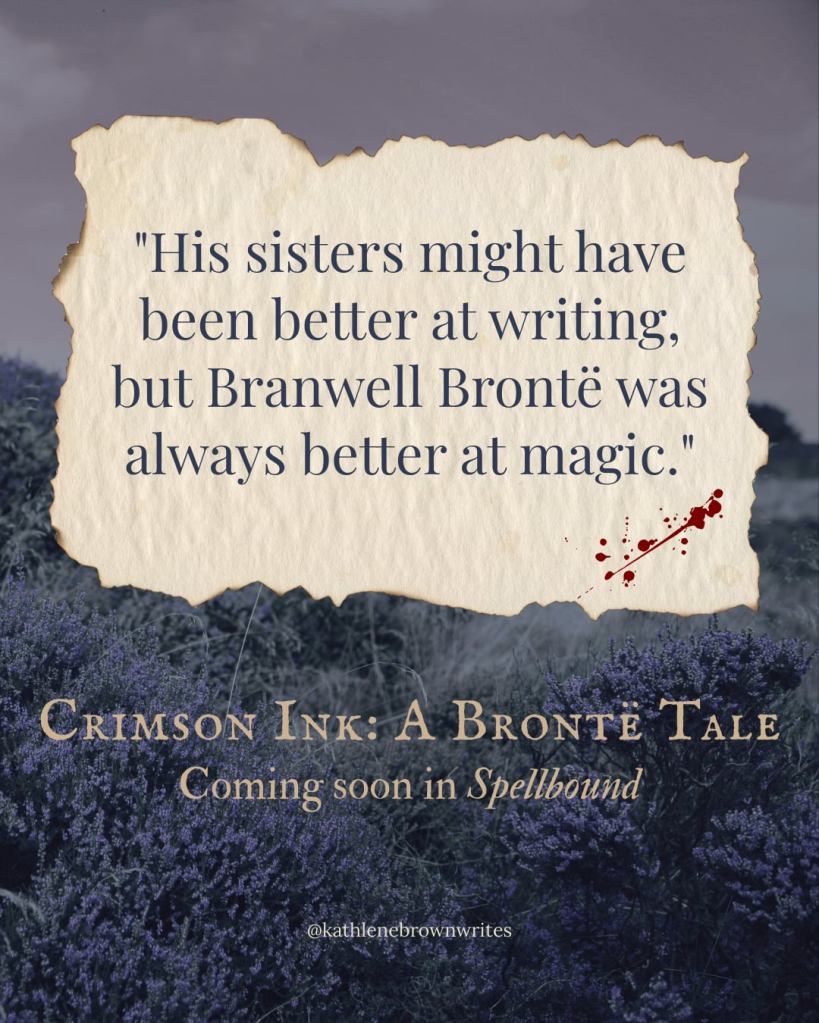
I’ve had a sneak peak at this one, and I thoroughly enjoyed it! Brown’s descriptions are precise and evocative, and her literary allusions and connections are clever and intriguing. I’m excited to read more about this fictional version of the Bronte family and hope the author expands this narrative into its own book.
“Eras and Echoes” by Anne Willoughby

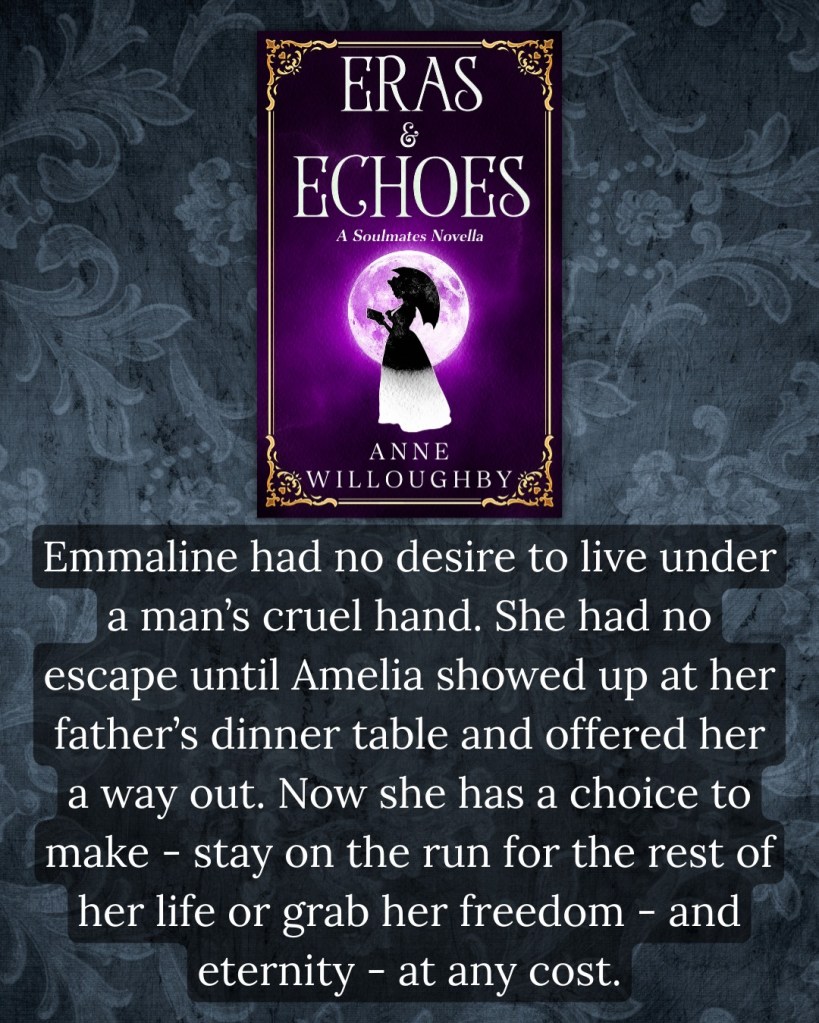
I’m looking forward to reading this one! Who doesn’t love a good vampire story, especially when it involves a woman’s liberation?
“A Potion for Forever” by Colleen Brown
Immortality has a price. Love demands a greater one. Vespera came for the flower that could grant her eternity. Thorne was the sorcerer bound to keep it hidden. Together, they uncover a love strong enough to rival forever. …if one of them doesn’t destroy it first.
“Suddenly, eternity seemed smaller than a single lifetime with you.”
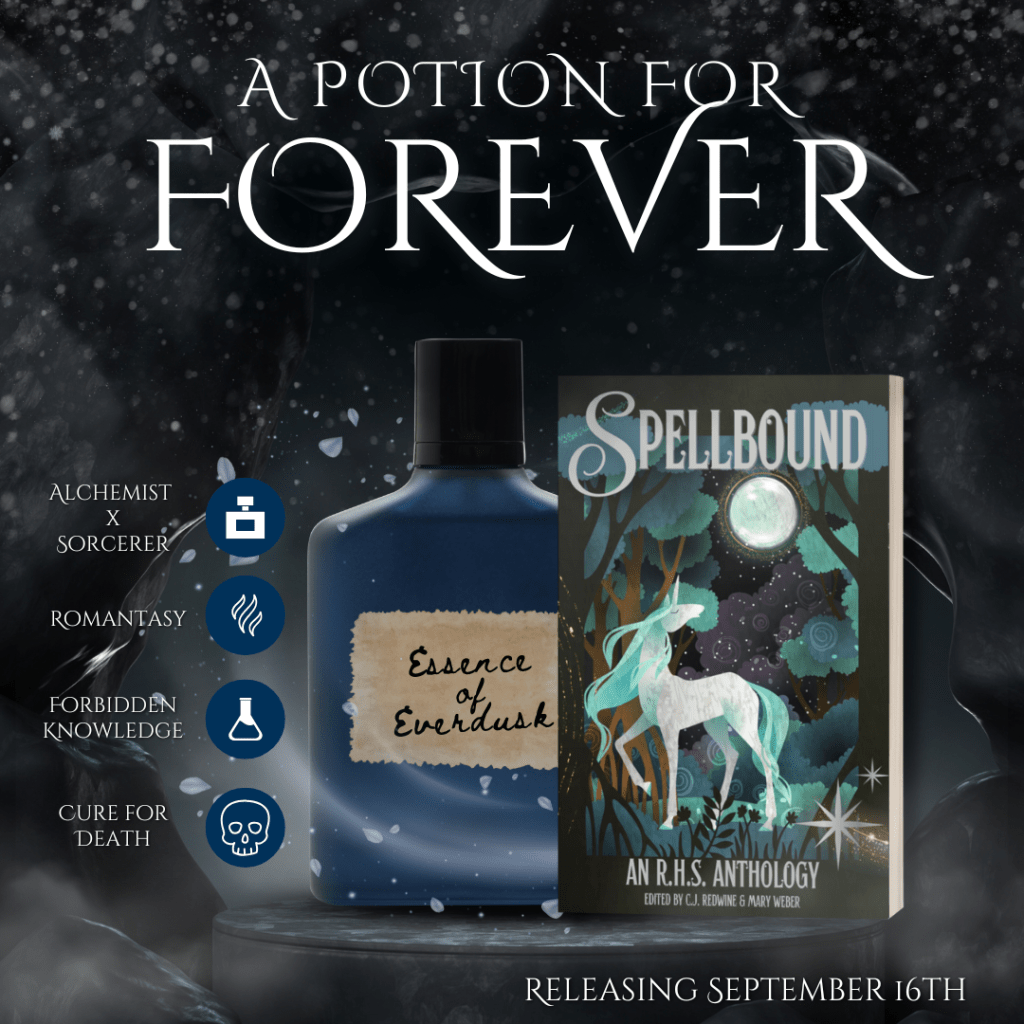
I am always a fan of my friend Colleen’s work and truly cannot wait to dive into this! It sounds like an epic, swoon-worthy romantasy!
If these have whetted your appetite, you’re in for a treat. There are fourteen tales total, all sure to be magnificent. They contain nothing beyond a “PG-13” rating, so this collection is appropriate for younger readers too.
Here is a preorder link. I’ve been assured no one will be charged anything on release day, despite Amazon’s listing as $0.99.
If you’re a writer, I’d love to hear where your main characters come from. If you’re a reader, have you ever encountered a character so relatable or inspiring (or something else) that s/he was seared into your memory?
See you again soon!
XOXO,
Jenn

 Jennifer Shaw