It is officially fall.
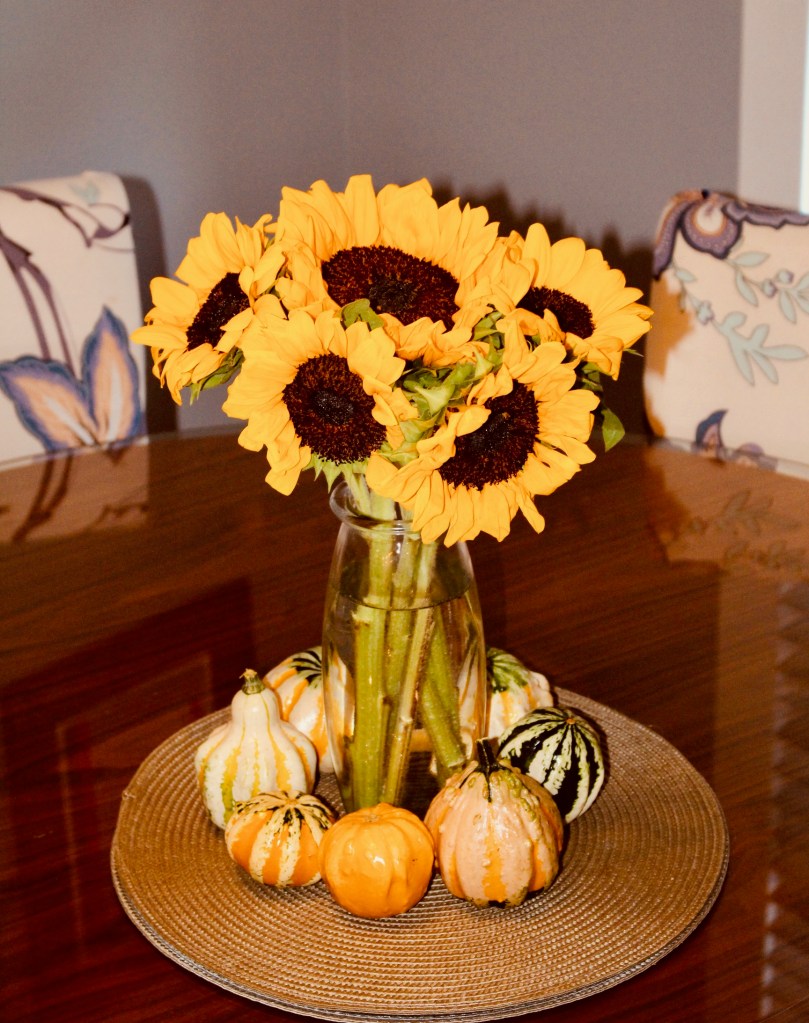
The autumnal equinox occurred on Monday, and with it Mabon, the pagan celebration of balance–between dark and light, night and day. It is also a day of gratitude for the year’s abundance as observers celebrate a second harvest and prepare for the colder, darker times ahead.
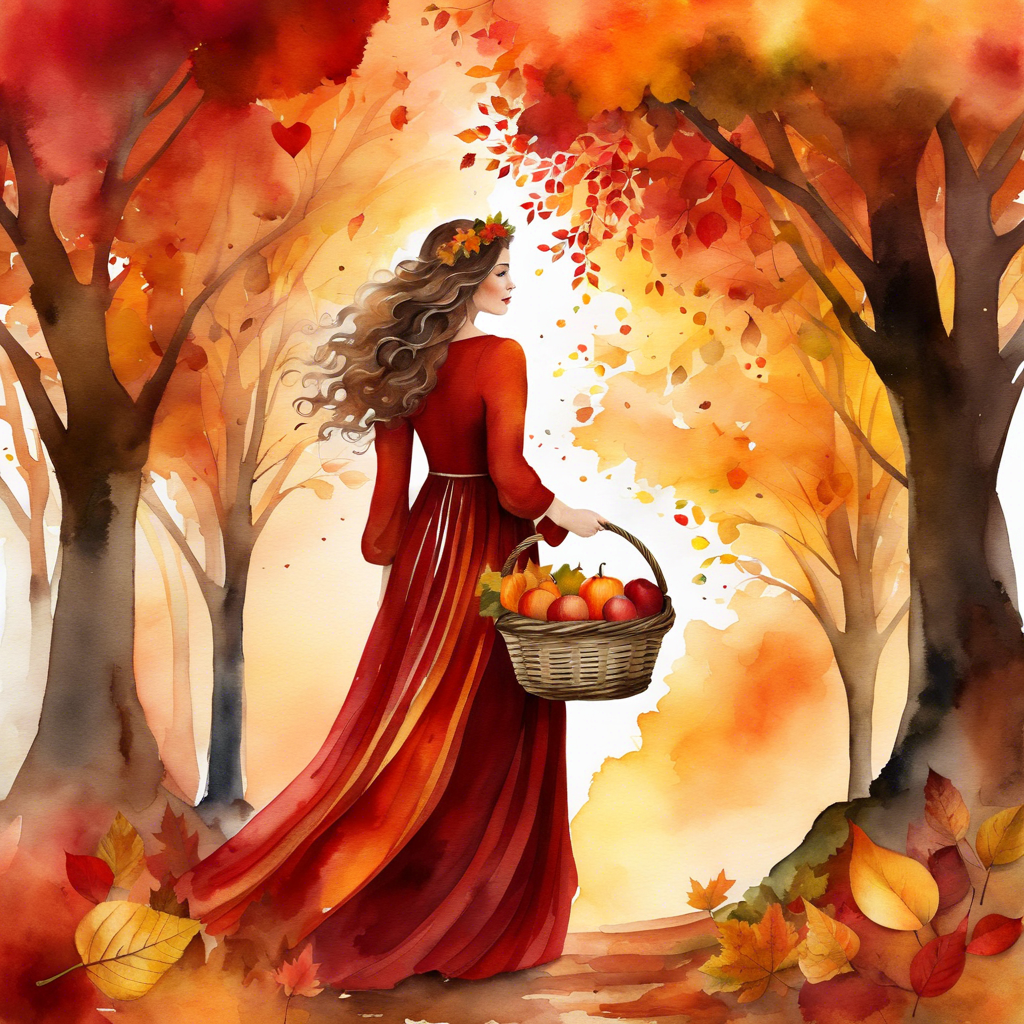
I admit, I didn’t do anything special for it. My casual Wiccan rituals–more a way to meditate than anything–have gone by the wayside this year, but recently I’ve spent a lot of time outdoors, enjoying the cooler weather and jewel-hued beauty of this season. I harvested the first pumpkins from our garden on Tuesday, and that was a fun way to appreciate what the soil has given us.
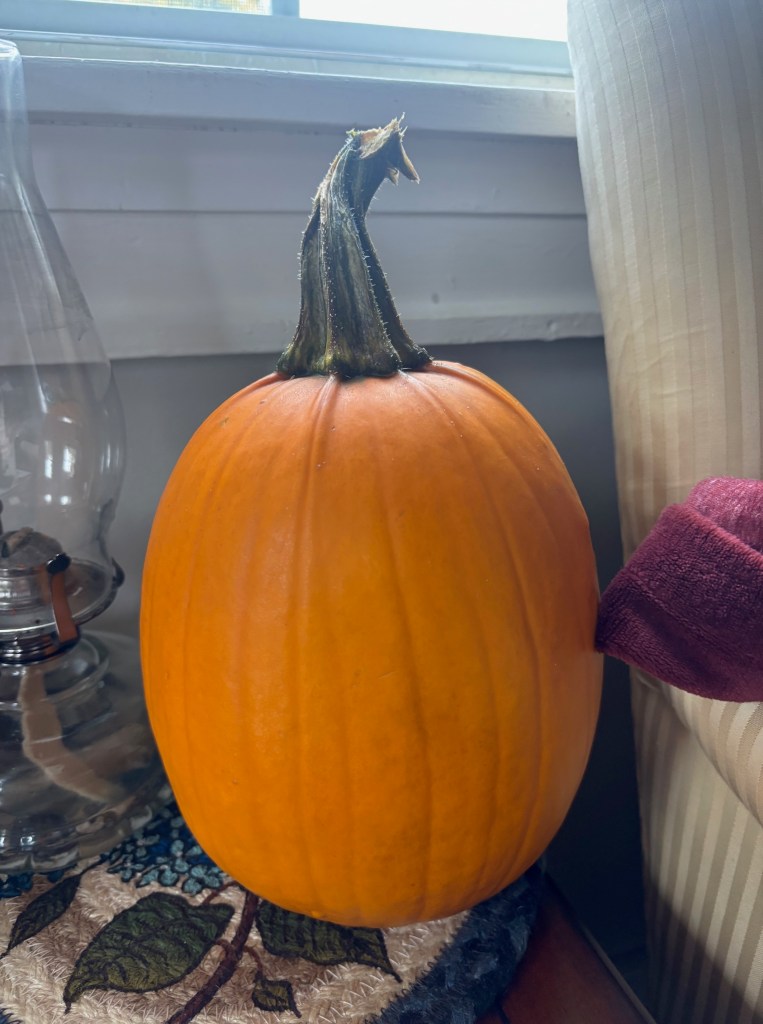
Truly, happiness is cutting your own pumpkins from your very own patch. It’s the little things, right?
Speaking of dark and light, while I’ve continued to enjoy my writing practice, I’ve suffered some creative anxiety this year.
I don’t think it’s anything unusual; the more I read from other writers and artists, the more it sounds like we all enter this phase once we’re far enough along in our experiences. We’re wise enough to better understand the nuances and challenges of our crafts and how truly difficult it is to do them well–or even define what doing them “well” means, since there is a subjective element to all of it.
I’m reminding myself, however, not to rush anything. Creativity is a process–you must undertake it in order to learn from it, and learning from it requires time, results, and reflection. These are not things to be forced or preset. Also, the joy must be in the process, not the products. Finding, and keeping, that joy where it’s healthier is what sustains us.
I had a lot of this mindset validated by reading Amie McNee’s wonderful We Need Your Art: Stop Messing Around and Make Something. My writer friend Gloria recommended it when I was smarting from that rejection of my spicy shifter story, and since McNee’s social media had already piqued my interest, I went ahead and ordered her book. I’m so glad I did.
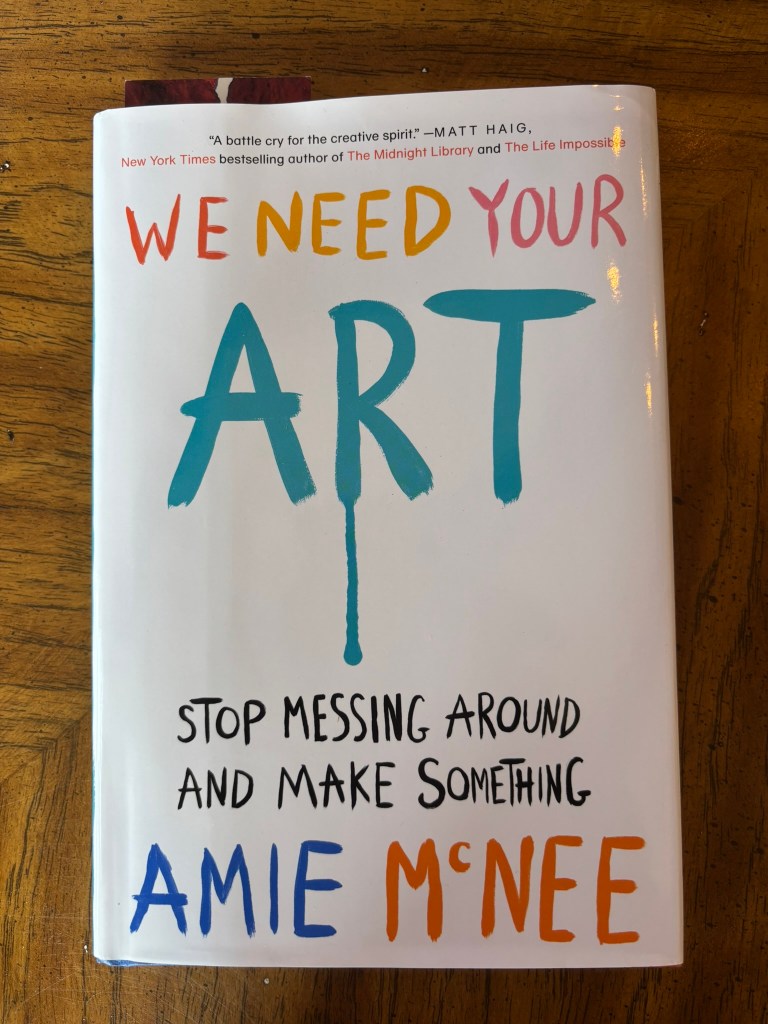
McNee offers some wonderfully comforting insights, especially regarding perfectionism. Basically, she argues, you just have to let it go. (Are you hearing that song in your head now?)
This isn’t news. We all know that, yes, we can’t be perfect, and we shouldn’t try. That’s conventional wisdom. But, McNee’s reasons for severing ourselves from this awful pursuit feel fresh.
She argues that perfectionism is actually dangerous.
Not only does it prevent you from doing your work–or at least as much as you might otherwise–it also leads to lower-quality art in the long run. You become overly afraid of the inevitable mistakes and failures, and you prevent yourself from taking risks.
Perfectionism will also make you deeply unhappy because what you do and what you hear about your work will never be enough.
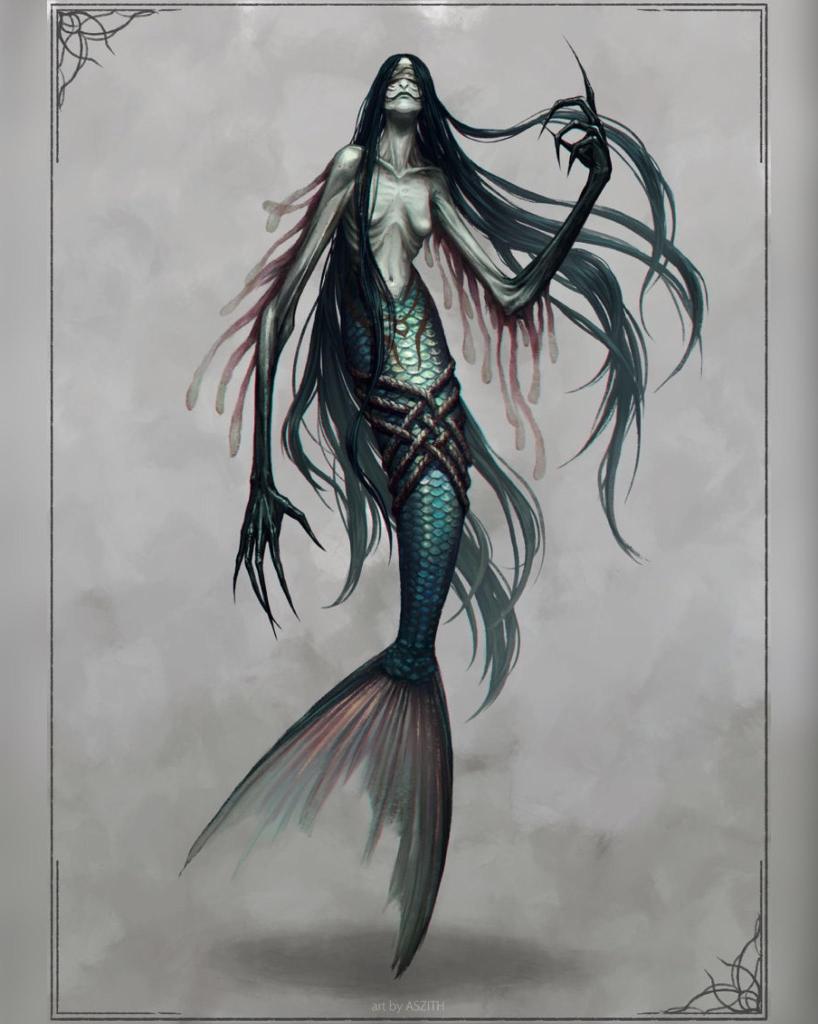
Perfectionism is seductive, she argues, because it feels like the great preventative, that magical cure-all for all things cringe and painful. If I am perfect, I will never be hurt goes the illogical thinking. For many of us, that’s the Siren’s Call, one that promises to keep us free from anguish, but it drowns us instead.
Thus, it takes a “powerful reframe,” a lot of mindset work, to overcome it. If we can, however, we are liberated. Our art will be better for it, and more importantly, we will be happier, even through the silences and rejections and inevitable discomfort that will befall us because it always does. That is art, and that is life.
One of McNee’s great suggestions for achieving this reframe is “Make shitty art. Do it every day.” Isn’t that fantastic? I love how assertive and rebellious it is.
Invite crappy work into your practice, she challenges. You don’t have to share it, but don’t shy away from it either. Don’t shut it down; it’s better to finish it and move on.
It will help you learn that it’s safe to be imperfect, not just in your heart but in your body too. You have to be physically relaxed when you’re creating, even when you know it’s probably dog doo. That way, you can amplify your enjoyment and let yourself do all the necessary work and even cross boundaries that might be too scary otherwise.
That is how we creatives make lots of “small magic,” as she calls it. When small magic, which absolutely includes shitty art, happens, we eventually make our way into the powerful, profoundly true and moving creations–our wonderful, incredible, “big” art, as I’m calling it. But first, we must make the shit. And there will always be shit. Creativity is a recursive act. Rarely, if ever, is it linear.
I’m working hard right now to embrace this.
To a certain extent, I’ve always feared failure. I’m not an obsessive perfectionist in all things like some poor souls, but I’ve wrestled with it often enough.
I struggled with my body being imperfect when I was dancing, and that led to a bout of anorexia and years of body dysmorphia that I’m finally overcoming.
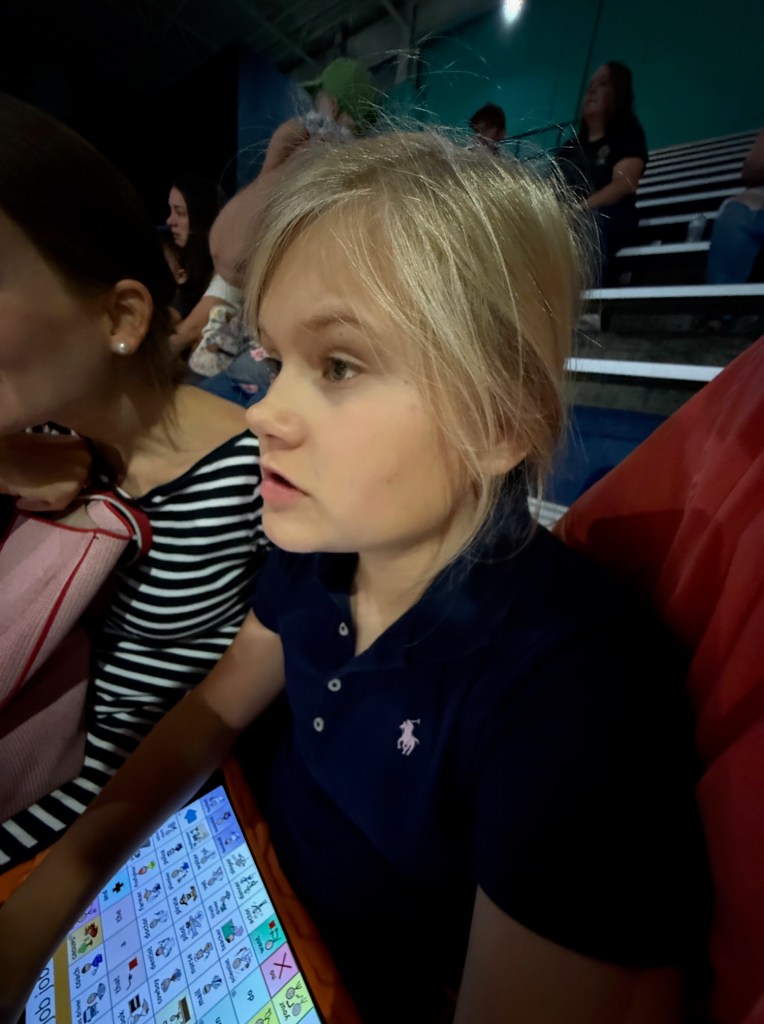
I struggled with it when my daughter was first diagnosed with autism. I thought we had to figure out all the best therapies right away, and if I just used every moment with her at home in the most effective ways, she could close all those gaps–we could cure her developmental delays! She would start to speak! All of that would mean I was in fact a good mom.
I realized a couple years in, thankfully, that this was impossible. While she does need support and accommodations, Daphne will always learn and grow at her own pace, and we would all be miserable and unhealthy if I obsessed about somehow “fixing” her. That isn’t real love, anyway. She doesn’t need to be fixed.
Now, I’m wrestling with perfectionism in my writing. It’s manifesting as reluctance to submit pieces for the final time, even after I’ve addressed all edits. I keep wanting to tinker, to rethink word choices and phrases, to make little changes here and there even when I know it’s not really helping the overall quality and maybe even hindering it. I’m holding on too tightly to some of my work because I’m afraid of its inadequacy.
But you know what? It will always be inadequate (at least to a certain extent) because it will never be perfect. Nothing is. Shakespeare and Joyce and Morrison and all the greats were imperfect, too. Perfection is a mirage; it doesn’t really exist.
At some point, a story just is what it is. I have to let it be done so I can free up time to work on new material–that’s how the growth, all that small magic, happens.
It’s hard, though, to find that balance between giving your work the time it needs so that it has the best shot–which is important– and becoming perfectionistic, even detrimental, about it by dragging it out too long. Hopefully, discerning this difference will get easier with practice.
So, in the spirit of all this–the season, the healthy creative mindset–I am working to let go of these things that do not serve me. I’m not resisting the anxiety, but I am working to move through it by letting myself share pieces that have been completed more quickly and are now truly finished. I am working on letting things be done so I can move on.
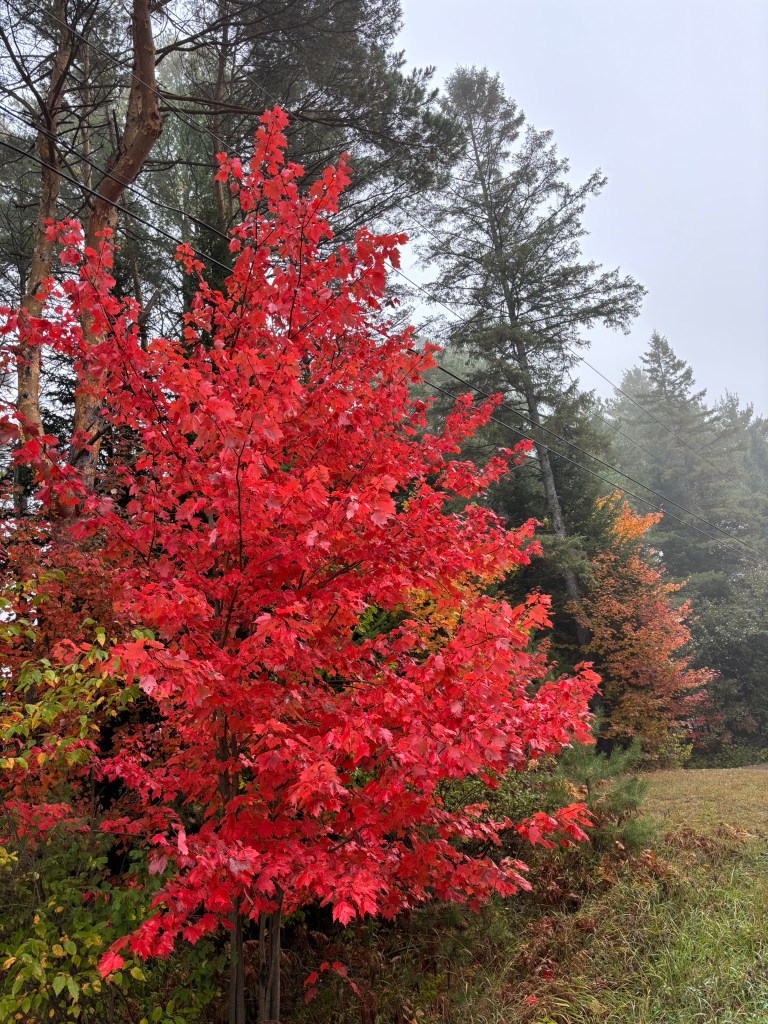
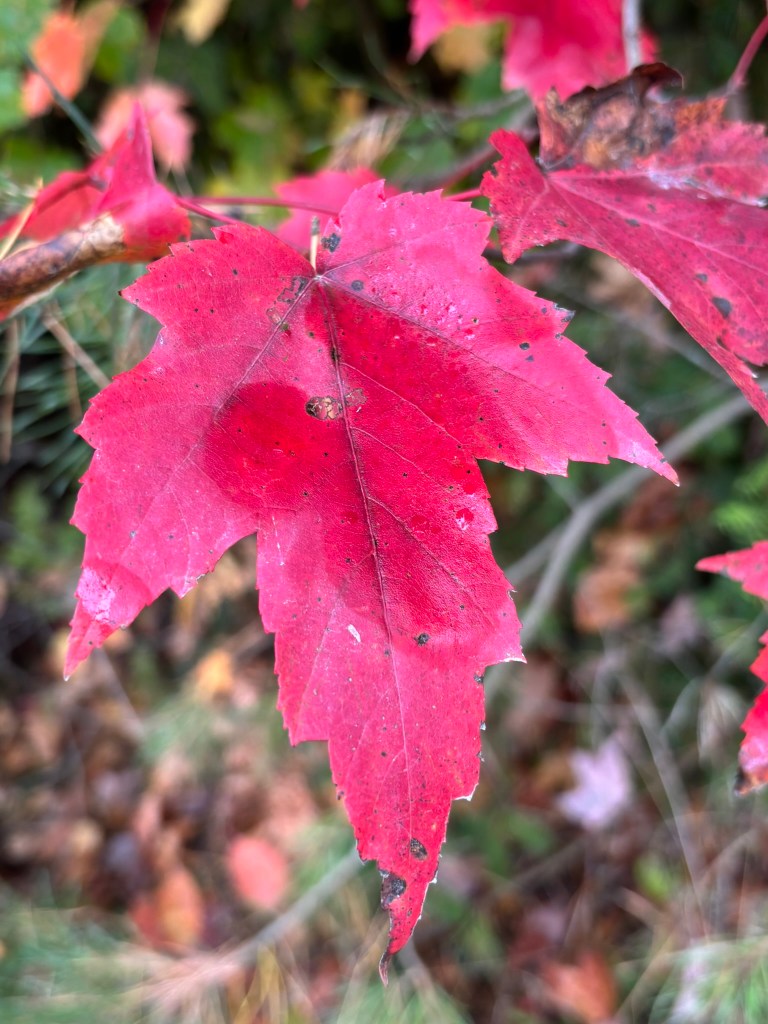
So, here’s something I composed quickly this week. It’s another seasonal haiku, this one in honor of foliage season, and I am proclaiming it officially done.
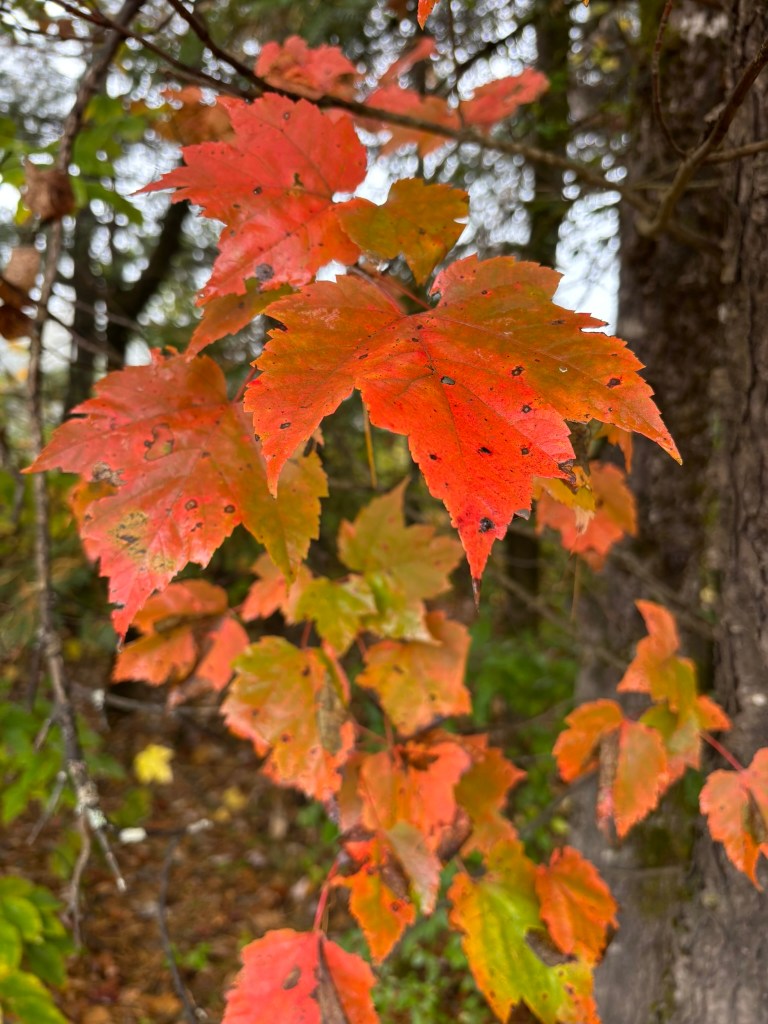
Death becomes the leaves.
Precious fall ephemerals,
ruby and citrine.
Thank you for reading, and Happy Mabon! Is there anything you’re working to let go of?
Until next time!
XOXO,
Jenn
Download a free e-book to read my latest story.

 Jennifer Shaw