How do you keep a witch out of your house?
I’ll let you ponder that while I provide a little backstory.
When my family moved from Houston to northern Vermont in 2021, we didn’t just relocate. My husband and I dug our hands deep into the soil of our lives and ripped up everything we could.
And while it was painful to leave our parents and siblings behind, it was also the most cathartic experience of my life.
Among the many things we re-envisioned was the type of house we wanted to live in. In suburban Houston, we’d had one of those master-planned community tract homes. Ours was an Ashton Woods, and that didn’t mean anything special. All the houses in our neighborhood–the David Weeklies, Newmarks, Pultes, etc.–looked basically the same. The bricks and rooflines were nearly identical, the floor plans all open-concept. Windows varied only in size. Uniqueness meant that perhaps a particular floorplan included a skylight, or the buyer could select something “different” from a pre-set list of minor structural upgrades. Interior detailing was minimal and based on no clear tradition or design concept except, perhaps, utilitarianism. Fixtures, countertops, backsplashes, etc. were chosen from catalogs, so they also conveyed the same generic aesthetic.
When we brought our relatives to see our lot during construction, my sister-in-law looked around and remarked, “It’s kind of Stepford-y, isn’t it?”
She wasn’t wrong.
So, when we made the radical decision to start over in New England, we resolved to find a more special home with a character truer to our tastes, even if it meant we chose something old, impractical,… and perhaps a little witchy.
That is exactly what we got. We purchased a small 200-year-old Cape Cod style farmhouse in the Northeast Kingdom, and, a vast majority of the time, I love it.

One of the features I adore most is our witch window.
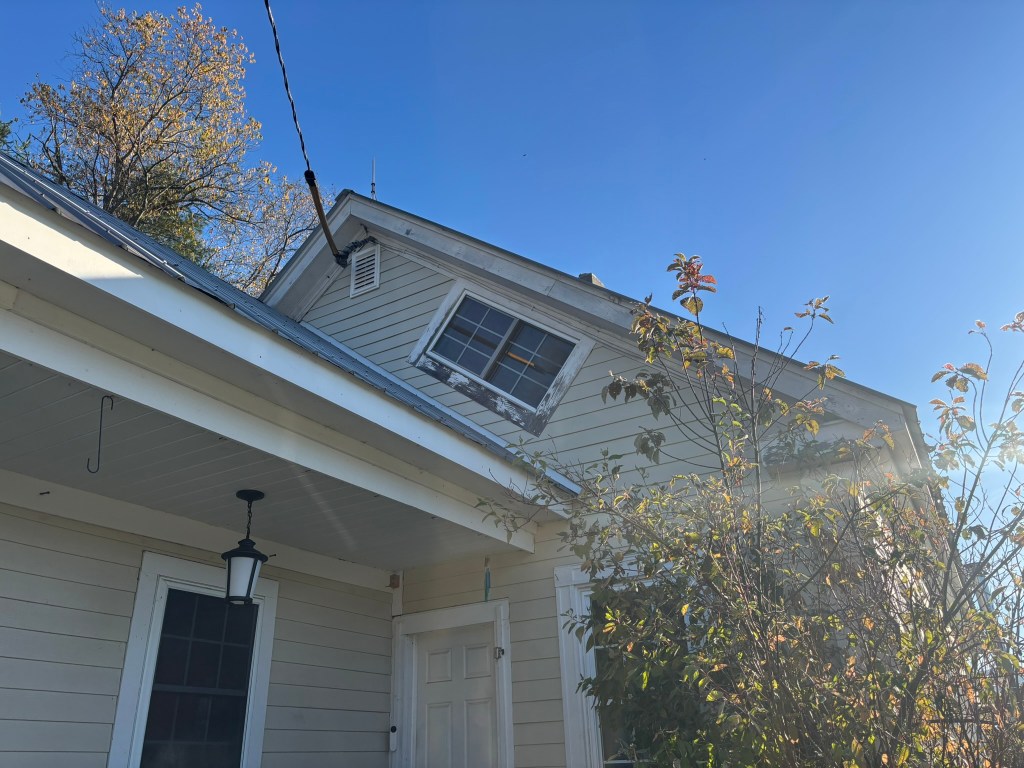
This is a second story window common in many old farmhouses of the region. The window sits at a 45 degree angle under a gable, usually just above a newer section of the house. It will strike you as odd, even quirky, but when you look at the available wall space, especially from the outside, it makes sense–the angle allows for a window where there would be no room for one otherwise, thanks to the added wing taking up a majority of space (Keri Murray Architecture).
In fact, the purpose of these windows, found commonly in central and northern Vermont, is entirely practical. They provide fresh air and daylight to an upstairs room, sometimes where an original window had to be taken out when a new wing was later added to the home. Often, the old window got reused, angled to fit under the roofline, saving money. It was a frugal maneuver, and 18th-19th century Vermont farmers had to be thrifty. I would argue that many Vermonters still are. It seems to be part of the NEK character.
But why that name?
Here’s the fun part. The legend goes, witches cannot fly their broomsticks through a crooked window, as state historian Devin Colman explains. Thus, the tilt of these window keeps these malevolent hags out, protecting inhabitants from ill fortune and harassment.
Particularly in their beds. At night, while they’re asleep.
When you think about the Freudian implications, especially in the context of a New England Puritan legacy, there’s a lot to consider unpacking.
Now, the first Vermonters were not Puritans, but many came from Massachusetts and New Hampshire, so many hailed from areas with Puritan roots. That probably carried with it superstitions and old beliefs in the Devil stalking the wilderness, ready to corrupt the noble efforts of good people, descendants of a culture centered originally on its belief in being God’s chosen, those who had forged the “City on a Hill.”
I can’t help but think about a possible connection to spectral harassment, too. During the Salem Witch Trials, many of the accused were convicted with the help of spectral evidence, which simply meant an “afflicted” accuser claimed this woman or that man had sent their spirit out to harm them, choking, biting, or pinching them in visions and dreams. Such an accusation came down, simply, to one person’s word against another’s.
“Saturday, she come into my bed in the middle of the night and bite at my breast!” cries Abigail Williams against Elizabeth Procter in Arthur Miller’s The Crucible.
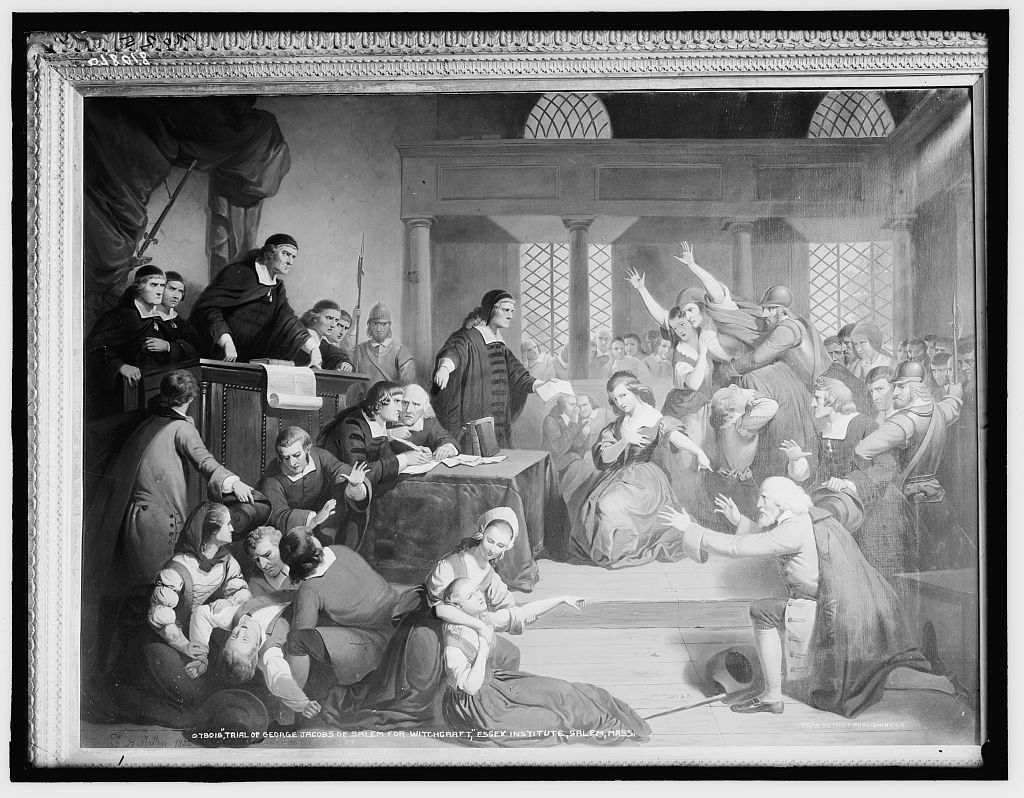
Did such ideas, including this possibility of spectral bewitchment, consciously or unconsciously play a role in this peculiar window’s nomenclature? These windows have also been called lazy windows, Vermont windows, and coffin windows (since it would be easier to move a coffined body out the crooked window than down the narrow staircase, though I’m dubious). But “witch window” is what has stuck.
Playfulness aside, how much does this name speak to deep-rooted fears of spiritual and sexual corruption? Did any men or women lying in their beds, gazing out their angled windows at a harvest moon, feel better believing that Betty So-and-So from the next farm over couldn’t send her spirit in to harm them or sicken their children, no matter how odd, brazen, or independent she might be, or how much they might secretly desire her, even as they lay next to their spouses?
How much did 18th and even 19th century Vermonters believe in witchcraft? How superstitious were these people?
Apparently, they were paranoid enough to have a conducted a witch trial of their own as late as 1785, taking to account wealthy widowed businesswoman and former Loyalist Margaret Krieger in North Pownal. She was accused of being “an extraordinary woman” and, as a test of her connection to Satan, dropped through a hole cut in the ice of the freezing Hoosic River. She sank and so, having been “proven” innocent (only true witches floated), some good soul dove in to rescue her, and she was exonerated. Not surprisingly, she left that village, having survived her ordeal.
Hers was also New England’s last recorded witch trial.
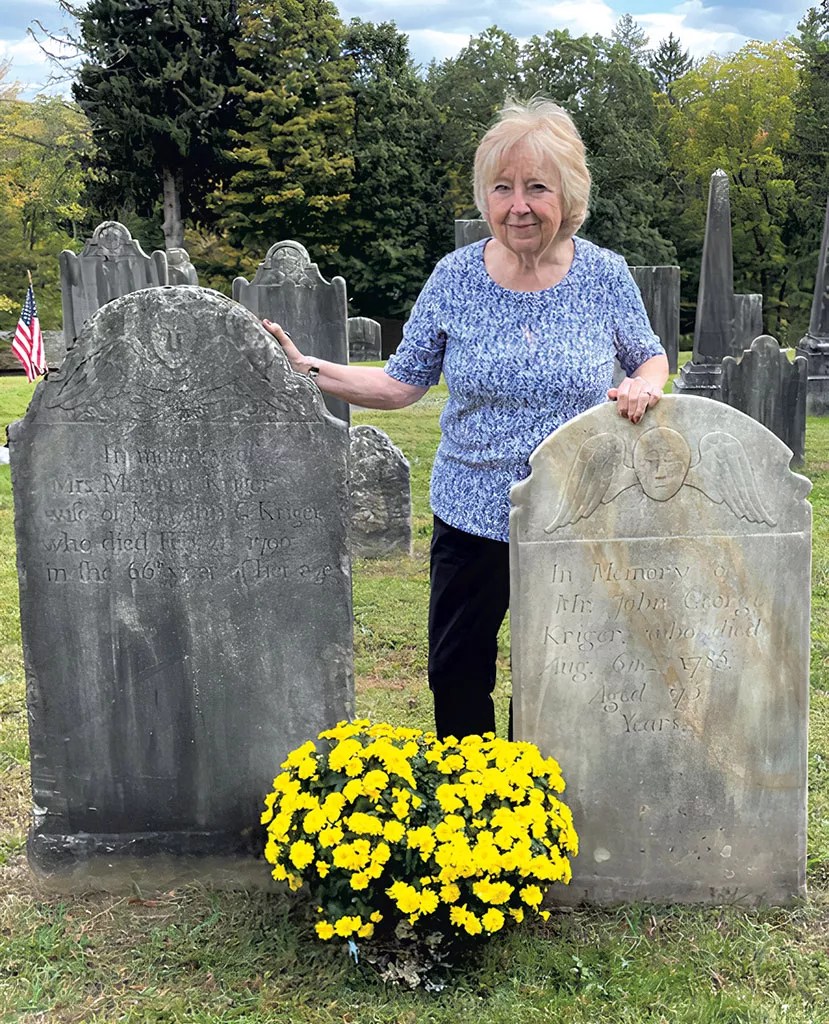
In a fearful reaction to tuberculosis, Vermont also grappled with the Manchester Vampire around the same time. Captain Isaac Burton lost two wives to what was then called consumption. Believing his first wife, Rachel, had become a vampiric creature returning from the dead to harm his second wife, he had Rachel’s body exhumed and burned in public in 1793 (Picard).
Vermont was also not immune to the New England vampire panic of the 1830s, another period in which communities reacted irrationally to surges in tuberculosis.
Clearly, there was enough lingering superstition to prompt these extreme responses, though they really came down to nothing more than tragic manifestations of sublimated emotions: jealousy, desire, anxiety, terror–all that awful helplessness we feel in the face of things we do not understand and cannot control.
Those things that keep us up at night.
I think about them sometimes when I’m awake early in the morning, watching out our witch window as the gray moon hovers in its various shapes over our western hill.
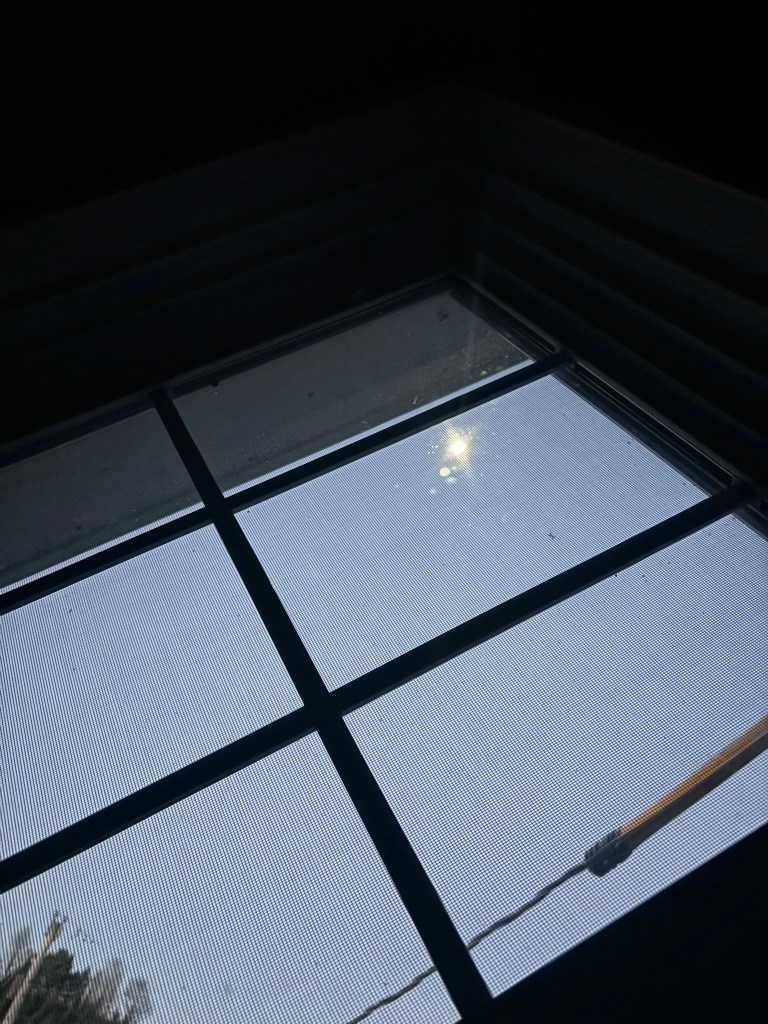
What I feel more than anything, however, is gratitude. That I get to speculate and daydream in this cozy old home that feels so much more like me. A home rich in little details and history. How I now get to enjoy my ordinary life among a bit of extraordinary local folklore.
It’s also good to know nothing wicked or uncanny can enter my abode, *wink, wink*.
Now, as for what might already haunt the insides–well, we’ll save that for another post.
Happy spooky season! Thanks for reading!
XOXO,
Jenn

 Jennifer Shaw