We’re only 39 days into this presidential administration and it feels like 180. To say it’s chaotic and unnerving is an understatement. I realize Trump and his people are “flooding the zone,” and the chaos is strategic; not everything he says is legitimately dire. It’s exhausting parsing the chaff from the truly dangerous, however, and even if we’re not driven directly into a Constitutional crisis, I worry about the long-term damage some of this will inevitably do as he and his billionaire oligarchs attempt to pull off the biggest grift in American history.
I’m most concerned about his cuts to Medicaid and his gutting of the Department of Education. Our daughter has Level II Autism Spectrum Disorder, and we’re nervous about the fate of her services and the future of children like her all over America.
Kiddos like Daph need Medicaid funding for things like therapies and assistive devices
Adding to the political anxiety is all the illness we’ve dealt with in our household. I described our bouts with norovirus a few weeks ago, and then on Valentine’s week, we all came down with COVID. That wasn’t as acute as the stomach bug, but it definitely lingered for a longer time. Even after my fever was gone, I was weak, coughing, and lacking an appetite. My poor husband, the last one of us to show symptoms, is only on about his third day of feeling normal again.
To top it all off, we’ve dealt with a true Vermont winter–temperatures continually below freezing, with several nights in the negatives and lots of snow. We got spoiled the last two years by mild cold seasons, but this one’s no joke, and it’s kept us nearly housebound.
So much snow! And don’t let the pretty picture fool you–that wind has a bite!
It’s really no fun, when you’re feverish and just want to sleep, to clomp through thigh-deep snow, your fingers burning, in order to care for your poor, freezing chickens. And of course, these temps mean I have to go out there at least twice a day to change their water. Otherwise, they’re stuck with a frozen water bowl.
Poor babies. They’ve fared well, all things considered.
Doris, our oldest hen, is over it
It’s even been too snowy for outdoor play. When I took Daphne out on a sunnier, milder day, all the white was too thick to sled easily, and we both got tired and trudged back inside, pulling a forlorn snow tube behind us.
The chair is for scale–you can see how deep the snow is
Alright, I’m done whining. I’m sick of complaining, anyway.
To fight a perpetually foul mood, I’m working on noticing when little things jolt me into joy.
I’ve had a fair number of these moments, I’m happy to add.
First, I’ve found a few new eggs inside the coop nest boxes. Apparently, our pullets are no longer teenagers as they’ve begun laying lovely brown eggs.
That thrills me not just because of the price of eggs, but because it means we’ve succeeded in nurturing these little girls into young adulthood. They’re like our pets, so it’s gratifying to see them grow into healthy hens, despite the frigid weather.
A first egg is always special
Looking at that treasure in our kitchen egg stand, which has stood empty for so long, makes me warm and fuzzy.
Second, Valentine’s Day was as nice as it could be, given the circumstances. My husband spoiled me with the Chocolate Tower from Lake Champlain–three tiered boxes of their signature chocolates and truffles, along with their special chocolate frog (who’s too cute to eat) and a gorgeous rose and carnation bouquet from a local florist.
So many sweet things!
We also enjoyed giving Daphne a Mylar balloon and a cookie cake with lots of icing, since there were no Valentine cupcakes to be had at the local grocer, and seeing her excitement at these simple things. Topping off our array of V-Day sweets was a box of gorgeous dipped cookies from my wonderful in-laws.
Largest box in the Lake Champlain Chocolate TowerChoccy Froggy
Everything has been delicious. I definitely regained the few pounds I lost to illness, and that’s okay.
My Valentine’s festivities included sharing my novelette, “Flight,” on this blog.
Canva design using Audubon picture from Unsplash
I was pleased with its warm reception, and I truly appreciate everyone who took the time to read even just one part of it. Thank you for your support! I plan to share similar pieces here in the future, pieces I feel good about but would probably struggle to have published anywhere else.
Third, I’ve loved seeing how affectionate Daphne has been, and how well she continues to use her “talker,” which is what we call her augmentative and alternative communication (AAC) device.
Basically, AAC is any type of system that facilitates communication for limited or nonspeaking people, and Daphne’s form is the communication application TouchChat that she uses on a speech-and-music-dedicated iPad.
As I’ve basked in the joy of these little things, I’ve also had the urge to cocoon in our home, a feeling not dissimilar to the one I had during the COVID quarantine, when everything was suddenly so uncertain and we all just wanted to hunker down. Now, I want to turn inward again, reading, writing, and avoiding the cesspool my Instagram feed has suddenly become, thanks to Meta firing most of their human moderators and instead letting AI push out nasty, indiscriminate content that, I’m sure, is getting them record-high engagement. After all, there can be something enthralling about the grisly, right? On my feed, it’s been these random AI-generated reels showing humans cleaning barnacles off various sea animals. The videos are asinine and quite literally make me break out in hives, but I admit it’s hard to look away from them. It’s like repulsive ASMR, and the reels keep coming. Ugh.
So, I’m on the verge of deactivating my Meta accounts and shifting to BlueSky and possibly Substack, though I’m absolutely keeping this WordPress site, my homebase and something I’ve grown to love. You might have noticed it got a bit of a facelift, too, and I plan to keep tweaking it. That’s something else making me happy.
So for now, I’m nesting here at home, making our little sphere as cozy and controlled as possible. In that spirit I’ve been doing some cleaning and reorganizing, particularly in Daphne’s room, and that always feels cathartic.
How are you feeling, and what are you up to? Reading or watching anything good? We loved the limited series Shogun, by the way. A nuanced, beautifully-restrained, and overall fantastic historical drama. If that sounds like your thing, check it out.
William and Alva Vanderbilt’s Fifth Avenue residence, “Petit Chateau,” in Midtown Manhattan. From americanessence.com
February 14, 1897
One year after the disappearance of Katherine Williams
New York City
The day was as heavy as Molly had feared. It reminded her that, although time moved forward, that linear progression was no straight, smooth arrow. Rather, it consisted of smaller, circular connections, an awful chain that looped back on itself repeatedly, agonizingly, even as it spiraled slowly forward.
That day, no one could escape it. That noon, no one had words precise enough to capture, to somehow assuage, that agony of the Williams household. It was a pain that extended below stairs even, into the enormous, white-tiled, copper-potted kitchen and darker, more claustrophobic dining nook where, in that slow hour after morning duties and before luncheon, many of the staff crammed together. A dim gasolier leered over them all. Despite the boiled meat and vegetables put out, no one had much appetite.
“Did anyone see today’s headline?” Peter, the kitchen boy, finally asked.
Some heads nodded, others shook no. Stirring her coffee—though she’d added no milk or sugar—Molly kept her brunette head still.
“ ‘On Anniversary of Heiress’s Disappearance, NYPD Maintain Case is One of Missing Person’,” recited the assistant chef impressively. Hargrove, the butler, cut his eyes at him before resuming his futile occupation with a set of lists.
Peter snorted. “I can’t believe the police have kept the body quiet all this time. Mr. Williams must have paid them handsomely.”
“Enough,” shot Mrs. Mason, the housekeeper. “We none of us know if that was actually Miss Katherine, it was rotted so badly. And, as far as the public is concerned, that body was never dredged from the reservoir. Remember that.” Her brows shot up at them all in a look that rivaled her mistress’s, in those former days of Miranda Williams’s powerful household reign.
It was a good reminder, Molly thought. All the servants had been forced to sign legal agreements to remain permanently silent about everything related to Katya’s disappearance, on pain of being fired and sued for all they had in court. It had worked, but they’d signed those papers a year ago—one day after Katherine vanished, when her parents hired a lawyer, no one else, to help them manage the emergency. The Williamses never spoke explicitly about the agreements, so it was easy to forget what a powerful threat they were. But they remained there, forced on them all, hanging over them like an enormous, fatal net, and the agreements had no expiration.
Molly herself had, several times, fantasized about escaping the threat of that net. Of quitting her work for this family altogether. However, from the week Katya disappeared, and just a day after their guest, the Earl of Worcester, fled their household for the sympathy of the Rockefeller parlor (claiming only that he’d been jilted), Mrs. Williams had insisted Molly remain. Despite her threatening tone, she had given Molly a new position and even a substantial raise, and Molly had borne it. To do otherwise would have raised stronger suspicions, and she could not allow that.
The head chef now shook his head of thick gray hair. “I’ll say it again: it was a crime they waited so long to report her missing to the police. All that time they spent handling it on their own, all those weeks they denied it to their friends, the world, that she was missing. Maybe, if they hadn’t been so concerned with scandals, appearances…”
He didn’t need to finish; they all knew the rest—Katya would still be alive. The experts would have tracked her down, rescued her, prosecuted the people responsible. Or, at the very least, verified that darkest of possibilities: that she was in fact dead.
The uncertainty was awful, and not at all helped by the false sightings and fraudulent ransom notes that poured in when the Williamses finally made their daughter’s disappearance public. It was killing her parents, particularly her mother.
Molly now worked as a second lady’s maid for Miranda Williams, and she’d born witness to the ghost Mischa had become—now chronically ill, unable to stay out of bed a full day. She no longer attended social functions, was no longer any kind of real member of New York society.
“Please, Mrs. Williams,” Molly pled on a regular basis. “Come sit at your vanity so I can brush your hair.”
Often, the woman kept her gray face turned into her pillow, her once-rich mass of dark locks knotted and dull on the pillowcase, the roots shiny with grease.
“Can you at least sit up please, ma’am?”
Nothing.
Molly no longer worked, essentially. She was paid to plead with her mistress for as long as Mischa would tolerate before she sent her out.
Mr. Williams spent more and more time away from the house. He either quartered in his office or spent long weeks hovelled up in his hunting lodge on Long Island. House rumors were, he was planning a long journey overseas, without his wife.
“Maybe that body truly wasn’t Miss Williams’s,” offered a chambermaid, her voice wavering.
“Who else could it have been?” asked the assistant chef, gesturing with a fleshy hand.
“Dozens of others!” shot Mrs. Mason. “Any number of prostitutes, or drunken beggar women, or some poor girl who crossed paths with the wrong person, like that wicked Jack the Ripper over there in London… Not our Katya, who was alone for such a short while. How is it possible someone snatched her in just a dozen feet of sidewalk?”
“That friend of Mr. Williams’s told the papers, ‘We New Yorkers never notice much’,” countered the assistant chef.
“Phfff!” retorted the housekeeper. “What about the way she was dressed—that Doucet gown and that gorgeous sable coat? Her hat, her muff? Someone would have noticed a killer wrestling with a woman that well-dressed. And the snow? There were no tracks. I don’t know what happened to her, but that wasn’t her body.”
“Yet,” said the butler, finally drawn in, “She’s likely dead. Even if that wasn’t her corpse, nothing was missing from her rooms to indicate she was running away. No clothing, no jewelry gone except for those pieces she wore, no other items taken, no charges to her family’s account… what else could have happened, except that someone got her, somehow?”
Silence thundered over the small, dim nook, and a wave of heat overtook Molly, flaming her pale face.
No, no. She willed her body to coolness, passivity, silence. Even as the truth burned in her throat.
Keep to the script.
As usual, everyone’s eyes fell on her. She’d been closest to Miss Katya; she was the last person to see her. Always, sick to her stomach, Molly maintained the same story. She’d stuck to the engagement plan: she stayed behind, not far, while Miss Katya made her way around an empty curve in the sidewalk, toward the place where the earl waited out of sight. This was the scene the lady had wanted to enact for the sake of the occasion, Molly insisted, and she had just done Katya’s bidding. Mrs. Williams would have been there to escort her daughter except she’d gotten so sick the night before.
House rumors flew about that, too. About the bottle of arsenic found misplaced, as if taken from the housekeeper’s cabinet and not put back properly… that someone had poisoned Mrs. Williams with a very small dose… But not a word about that was ever breathed to anyone outside the Williamses’ front door. No one even made a peep about it to the private investigator.
Now, Molly looked steadily at them all, despite the phantom flames engulfing her. Just as she’d looked steadily, first, at the lawyer and private detective with their cold, suspicious eyes, and, later, at the police. Innumerable times.
“You know my story,” she said, and sipped her coffee. Miraculously, the liquid made its way down her throat.
It hurt too much, anyway. It was too heavy for them all. Guilt was an insidious thing, and it snaked its way through even that lowest floor, affecting them all with a strange sense that they were somehow, in some way, culpable. Though, they dared not try to articulate that.
But that afternoon, a “household errand” compelled Molly off Fifth Avenue. The sturdy Irishwoman made her way deep into another part of the city, to the letter box where Miss Katya had conducted her secret correspondence.
Their agreement had been that Katya would keep the box and, if she could, mail a signal to Molly, something letting her know she was alright. That had been Molly’s one iron-clad condition, when she’d finally agreed to aid the Williams heiress who was also her friend.
Her only friend, given that Molly was a childless widow, her own siblings, nieces, and nephews long moved away. She had worked for the Williamses her entire adult life and watched little Katya grow up. Had heard her play that piano, in all those stolen moments when Molly lingered, unseen, in a doorway to the ballroom. The lush, trilling notes assuaging her tedium, relieving that soul-crushing, endlessly lonely doldrum so even she—raw and common and thick-limbed as she was—could fly for a time through something sublime.
The first time Molly experienced it, something broke open in her chest—a spill of pure molten gold so powerful she brought a hand to her bosom. Her arms and neck prickled, her eyes welled, and then Katya’s passionate playing lifted her up.
The two of them were united, and every distinction that had ever stood between them, every difference—of class, culture, education—that had felt so permanent, so cast in iron, melted away. They were simply two human beings transcending together in a moment of divinity.
That had been it, what made Molly decide. No one deserved to live in a cage. Certainly, not this gifted young woman, even if her captivity was beautiful and safe.
At what price?
So, that was Molly’s condition. Katya had to let her know she was well. Then, Molly would burn the evidence.
“I cannot live with that uncertainty,” she told her young mistress.
Molly had found a way, somehow, to check that box every week for nearly a year. And, for 364 days, there had been nothing in it—no letter, no parcel, no object, no cryptic, bare-boned message. The mounting silence had stolen sleep from the servant, robbed her of her appetite, forced her to her knees every night to ask God’s forgiveness for her part in it all.
Especially after the private investigator located Henry Bauer in Athens, searched his house, and even interviewed his colleagues, all of which yielded no sign of Katya. Worse, still, when the police looked for him too, months later, and discovered he’d resigned at the end of the spring ‘96 term and gone somewhere unknown. Molly knew all that only because the housemaids were adept at eavesdropping.
Yet, something had told Molly to refrain from confessing. To wait, have faith, and give Katya a solid chance. Molly would know in her heart when it was time to give up.
Today was the final day. If nothing were there, Molly decided, she would cease to check that postal box. She would accept that Katya was very likely that body found in midsummer, weighted down in the water. For it had been a dark-haired female, and the exact length to match Katya’s height. She might even go straight to the police and suffer whatever the repercussions would be.
Wrapped in a wool shawl and wearing a worn toque hat that covered her ears, Molly trudged her chilly way through the bustling streets, invisible to all the chortling or tight-lipped pedestrians concerned, naturally, with only themselves. She found her way to the freestanding metal box, one of many that had appeared on the city’s streets over the years. This one stood shadowed in a back alley littered with dirty snow and surrounded by chipped red brick. It never saw the sun, obscured as the rays were by all the buildings. Feeling more than seeing, it was such a familiar movement, Molly slid the skeleton key into the lock and turned it smoothly, opening the square door.
Saw, instead of darkness, a hint of white. An envelope, its face nearly blank. No return address.
She tucked it inside her shawl. She locked the box again and left the alley, making her steady way to a little café in a safer yet modest part of town where she sometimes liked to have a bite.
She sat at a table in the corner, pulling the toque from her head and the envelope from her chest. Heart banging against her breast, she slit open that piece of mail with her icy finger.
Inside was a single creased sheet of…something. When she unfolded it, she saw the top had been snipped off. One side had butcher’s paper glued over it, as if to hide whatever was beneath. But on the other side was… a list. It took Molly a minute to comprehend it. Though printed in a foreign language—German?—it looked like a list of musical instruments and their players, with a single name and title at the very top.
The sender had considerately circled the two names most important and, in the margins, translated the odd words into English. The name and title at the top: Harry Percy, Conductor.And, further down, Kate Percy: Piano.
Beside the top name was scrawled a short note: Isn’t that a good joke? His idea, not mine.
And then: All my love, always.
Molly’s head shot up, her eyes streaming. A massive phantom weight lifted from her shoulders. In fact, she felt herself rising entirely out of her body.
Outside, the sun sliced through the winter clouds, and the street morphed with incandescence, everything cast in a delicate gold.
A bird landed lithely on the ledge of the café’s window, peering through the glass at the customers inside. Molly couldn’t see its color well, but she imagined it was green and yellow.
Katya, and even she.
Yes. Now she, Molly, could go too.
Perhaps to Pittsburgh, where her youngest sister lived with her large family, toiling as a seamstress. With all the generous, guilty wages Molly had horded, she could help them. She could make a significant difference for them, too. Like Katya had for her.
My hand shakes a little as I write this, but you assured me—ordinary little Katya—I may always write to you, so now I am taking you up on your kind offer. It feels good to compose words you will read. I know letters will never be like our wonderful conversations, but they are certainly better than this dearth in communication.
I hope you are well and settled into your position at the university. What is Athens like, there in Ohio? Quieter than New York I suppose, and how wonderful that must be. I imagine you can hear the birds chirping through your open window. I envy that. Even in Newport, with our cottage standing just above the mighty sea, I feel more removed from nature than I’d like, surrounded by that high iron fence as I am. Are you still playing the piano in your free time? I hope the pain in your wrist has lessened. I asked Molly, my lady’s maid, if she knew of anything to soothe your aching joint. She said her mother would recommend green tea. It is likely you already know that, but I want to share it with you just in case you don’t.
I miss our lessons together. I still do my finger lifting exercises, as you directed me after that first day, and when I “play the hell” out of Chopin, I still laugh at Mother’s horror over your vulgar language. Goodness, that first lesson was such fun! Lucky for you, your sterling reputation as the best instructor—though eccentric and irreverent in your odd clothes and spectacles—preceded you, and you proved remarkable in your abilities.
And, lucky for me, Mother didn’t realize how badly I desired those lessons, how much I wanted to refine my skills and nurture my artistry because, even then, long before I knew you, the piano was one of the few things that truly made me feel the blood in my veins.
I hope to hear back from you. If I do not, I understand, for I know you are a busy man, and I am just an awkward little girl. Thank you for letting me write to you.
Your friend,
Katya
November 7
My friend Katya,
Don’t be so hesitant and deferential! We are friends for sure, and I was thrilled to receive your letter. I sit here now answering it as quickly as I can, though my wrist still aches. I did know about the healing properties of green tea, but I found your suggestion so sweet that I procured some as fast as possible and have been enjoying a cup a day. It makes me think of you.
I’m fairly well settled, though my teaching and conducting load is heavy. I’m adjusting to life as a professor, but I miss playing with the New York Philharmonic. I miss my pupils, too, especially you. Had those wrist pains never developed, I would have played away my entire life, performing at Carnegie Hall by night and teaching piano to the city’s richest daughters by day. This work is harder; it comes with greater responsibility. It’s lonelier, too. But we must all grow up some time, mustn’t we?
I’m afraid you will face that truth too, sooner rather than later. You’re no awkward little girl. I only hope you’ll find yourself in a happy, satisfying situation; you deserve no less. And promise me, you will always play your piano. I’ll say it again, since you never seemed to believe me: You are genuinely talented. You can’t imagine my pleasure when, that first day, I realized you already had training—you were quite advanced, actually—and I heard for myself your excellent rhythm and timing, the nuance in your understanding of musical dynamics, and your ability to interpret the pieces with such emotion. All you ever needed from me were pointers to refine your technical proficiency.
Don’t forget that, and nurture it the best you can. If circumstances ever stifle you, let that knowledge, and your playing, be the little bird in your heart.
Write back to me soon!
Affectionately,
Henry
November 23
Dear Henry,
Receiving your reply made me the happiest I’ve been since our summer together. You cannot know how flattered I am that you want to correspond, and upon reading your assertion about my talent (why is seeing it in writing more powerful than hearing it?), I went straight to the piano and played my most passionate Chopin, the Waltz Seven in C Sharp Minor. I played those gorgeous, cascading notes for you and increased the tempo, as you advised.
I blush as I write this but, you make me feel magical. Like one of the sylphs the music evokes. Despite all my deficiencies—my small features, my dark hair that lacks my mother’s luster, my flat figure, my awkward manner in conversations, my inability to play the elevated coquette (as the other girls do so well)—your words make me feel exceptional. They always did. That is part of your gift as a teacher, and a wonderful quality you have as a man.
A lot has happened here. On the 6th of November, my parents, brothers, and I attended Consuelo Vanderbilt’s wedding to the Duke of Marlborough. It was the most grandiloquent event I’ve ever seen. I will not bore you with details, but suffice it to say Mrs. Alva Vanderbilt quite outdid herself. What I found more interesting than the ceremony was watching my mother’s expressions. She examined everything with a frightening avidity, especially Mrs. Astor’s procession down the aisle as the guest of honor, and it only confirmed for me what I suspected Mother was already plotting. She desires entrée into European nobility, too. After the string of American and European alliances—Jennie Jerome to Lord Randolph Churchill, Consuelo Yznaga to the Duke of Manchester, and now poor Consuelo V. to Marlborough – she sees this as the surefire way we will be accepted, fully and finally, into the circle of the New York Four Hundred. You might not have realized this, but our position now is peripheral and tenuous at best.
My mother would detest me sharing this with you, a “lowly” piano instructor, but you ought to know—she wants to be connected to European nobility to be accepted by the nobles of America. It is humorous, is it not? And the absurdity only extends to the fact that she herself is Russian! And the daughter of a dvaryane! Or so she always claims. Her own father, she insists, was a member in the Assembly of the Nobility back in Mother Russia.
This is a point of pain for me, in truth. I have heard on more than one occasion, from other girls in my dancing group at Dodworth’s, that their parents say my mother was no such thing, no daughter of a Russian noble. That, in fact, she was a Mariinsky ballerina in St. Petersburg, and that she bewitched my father during his year traveling abroad, separated from his family. Which made Mother, in essence, no more than a courtesan. When I asked Molly exactly what ‘courtesan’ meant (though I had a good idea), she went red as a tomato but explained as delicately as she could. I did not tell her the term had been applied to Mother.
Do I believe it? No, I don’t think so. I don’t know. Mother has never shared details of her parents or her life back home. They’ve never come to visit; they do not send letters. Father never talks about his and Mother’s lives before their marriage, though to be honest we’re not in their company often, so my chances of hearing many details are few. But this rumor, even if it’s only such, adds to our social obstacles, along with the fact that Father’s father, who made our fortune financing oil, steel, and electricity, was a rather coarse man, as Father himself admits.
Ah, anyway, it was then, at Consuelo’s wedding, that I began to suspect Mother intended for me to marry a Euro aristocrat too, for I am the only one who can do so. I imagine how you would joke—”What, your beautiful and ferocious mother not snag a royal for herself?! Is there not a more naturally regal woman than Mrs. Miranda Williams?” But ah, there’s the “Mrs.” bit, and Mother loves Father. I know that because I’ve caught them in tender moments. Even now, I might enter Mother’s morning room, quieter than a mouse, and find them engulfed in a passionate kiss. This, though awkward, also fills me with warmth. I hope that when I do marry, it is to someone I love. I would like to have for myself what Mother and Father found in each other.
I am unhappy, I admit, even though it’s nearly Christmas. My suspicions about my mother’s intentions were confirmed when she announced (just after I received your letter) we were having a special guest, the Earl of Worcester from England. My parents met him briefly on our trip to London last spring, just after my debut. He has been with us for a while now, and you would not believe how Mother licks his boots. She does so with “dignity,” of course, and in the most elevated and careful language, and her own English is now nearly perfect. But her behavior is so obvious it mortifies me. Dear God, the way she shows him off at parties, like he’s a prize catch! Or the most well-studded Thoroughbred! We’ve already thrown two of the most expensive dinners ever, and Mother is planning a massive Christmas ball in his honor. I will be forced to remain on his arm the entire night, I know it.
I dread it.
The earl is a skinny, sallow man, not terribly tall, with an oversized mustache. He is kind enough, but he looks at everything, including me, with a sort of detached appraisal that changes to boredom, then preoccupation. Often, he looks melancholy, and he drinks more spirits than even Father. Mother makes me sit on his other side at dinners, and we force our way through stilted conversations, and I find myself feeling sorry for him. She makes me play the piano for him, too, which is nicer for me, but he looks through me as I play, smiles smally, and occasionally nods his head. He claps politely, says “Marvelous,” but sounds indifferent.
If we marry, he will not be a kindred soul.
Kindred souls are rare. It is not often we meet one.
I hope, in Athens, you will meet one. For your sake. She should be a kind girl, the sister of a colleague perhaps, who also plays the piano and will make you happy.
Mother says romantic notions about kindred souls marrying are foolish. She says, partnership and stability are more important. That, as a countess, I will live a life of true purpose in England, for I will have obligations to my husband’s tenants, a real social responsibility. Much work of true importance to fill my time. She is right, I suppose, but is it terrible to admit I am not so selfless, and I don’t want that kind of responsibility? I suppose I would get to know my villagers, but the idea seems strange and distant. And what if they don’t like me? I am not so easy and charming in public as other women are, not as Mother is. She would be a brilliant countess. I am confident at a piano, but one does not go out among the people hauling behind her an unwieldy musical instrument.
I am getting nervous. I do not want to marry this earl. I can admit that, too.
I do have a true purpose, music.
Oh, how I wish I might audition for the New York Philharmonic. If one were to ask me, what would you do if given your freedom, that would be my answer. How I envy your experience playing with them. To hear them in concerts is wonderful, but to play with them on stage…that would be transcendent. That would be fulfilling.
Or, perhaps just finding my own kindred soul would be fulfillment enough, so long as I keep playing piano, at least for myself. Perhaps he is out there. But, without the right pedigree, Mother will push him out and lock me in.
Goodness, this letter is long! I hope I have not taxed your patience. In truth, it is a relief to express these thoughts. I’ve never uttered them to another soul, though they weigh on me daily.
If you find these ramblings tedious, I am happy to stick to shorter, easier platitudes, and to read more about your position. I am not one, after all, to dwell selfishly in my own discontent.
I am glad you are enjoying your tea and that you think of me, and I wish you Merry Christmas, though it’s a little early. I hope your break between terms will be restful and you can play some piano for yourself, just a little, if your poor wrist allows it.
Love,
Katya
December 9
Oh, my Katya,
I’m laughing at myself because that doesn’t sound like me, but that’s how I want to address you. But, to be serious, your last letter broke my heart. I’m concerned about your mother’s marriage plans. I understand you must wed within a certain circle, but to strive for a foreigner, someone not even of your culture, and to make your home so far away… I’m glad he’s nice enough, though I hate that he doesn’t appreciate your music. What will the two of you talk about? I loathe the idea of you bound to someone who doesn’t care for the things you love and who doesn’t appreciate your talent.
But, do you know what?! Just now, God, or Zeus (or whoever’s above us), struck me with a powerful thought. I remembered one of our remarkable alums, Margaret Boyd. She was the daughter of Irish immigrants, and she went on to become Ohio U’s first female student. Shegraduated in 1873 and later in ‘76 with her M.A. She was a professor of mathematics in Cincinnati, though now she’s back here in Athens teaching at the public school. She’s a marvelous old cat—I say that affectionately—and you would like her.
Since then, we’ve had other women graduate from our institution. There’s even a woman, a flautist, who plays now in my orchestra. I say all this because, well, I do believe most things are possible.
If you want to play in a symphony (even just one at a uni), be honest with your parents. At least, be honest with your father. Your family is one of the richest in America. All your houses and automobiles and sailboats and parties and horses and everything…you all can have anything you want. Your family doesn’t need your marriage for financial gain, only to satisfy your mother’s desire for a social prize that, in my opinion, is just an illusion.
You are gifted; I will assert that as a fact. You ought to pursue music; it feels like heresy if you cannot. Soon, it will be a new year, and this is a new time.
If one were to ask me what I desire for you, my Katya, if you were free, I’d say without hesitation I’d have you in the greatest concert halls, away from your mother.
At the very least, I’d have you here. Not as my student, for I’d like those days to be done, but as my pianist, in my orchestra, always. This is rather selfish, but that would make me happier than, well, than just about anything.
Now I’m the one who blushes.
I’m sorry, my wrist hurts. I cannot continue this letter. Just know, you remain in my thoughts. You’re in my thoughts every day.
Love,
Henry
January 1st, 1896
My Henry,
I will reciprocate in my address, and I find it the tenderest one I’ve ever made. Even now, my eyes are filling, I have so much to impart.
Since your last letter, a great many things have changed, within me and without. Mother found your two notes to me, and she seethed with such a cold, hard rage I thought she would sicken herself. She waited til the men were out, then she entered my room, much to my surprise as I was reading quietly in a chair, and shut the door. My first reaction was a raw, unfiltered thought—“polished obsidian”—which is how Father refers to her hair, but it is really a reflection of her nature. She pulled out your second letter and read certain lines aloud, the ones where you encourage me to pursue music. Then, her face dead pale, mouth tight, eyes boring into mine, she walked over to me, knelt, and gripped my knees. I could smell the strange lilac of her perfume even as her clutch felt desperate, her hands like claws.
“You are a stupid child,” she hissed. “Would you really risk alienating the earl? What if he saw this? Have you truly no sense of what matters?” She shook the letter in my face. “Have I not taught you better than THIS?”
The degree of her wrath, quite inexplicable, startled me, and I tried—I tried so hard—to explain how important the piano was, how it made me feel worthy and alive and like I was achieving something real, connecting with something higher than myself. I must have been fairly eloquent because I saw her expression change. Her eyes widened, then softened, and she had to look away from me. And I saw her posture, even as she crouched down, that straightest and most gorgeous of spines among all the set. And I saw, too, her physical grace which, even then, was unearthly, and I realized the truth.
She was no nobleman’s daughter.
She had been a dancer. I would stake my life on it. And she understood my feelings. But it didn’t matter.
Once I finished my pathetic monologue, she struck me. Right across my cheek so hard it felt like she fractured the bone. She’s never touched me like that before, never hit me. No one has. She did it in cold blood, and my cheek aches even now as I write this.
Ignoring my tears, she told me I do not yet have the perspective of a full adult life, so I cannot understand why these other things are more necessary, but that I MUST trust her. She said, art and love cannot nourish one’s body, cannot bolster one’s status, cannot sustain a sense of true purpose. When I asked her, but why this earl? She added, “Riches in vacuity mean little,” and that I needed the work my position as a countess would require.
“Is your life so vacuous, Mother?” I asked, even as I braced for another hit. I could not help adding, “You know it’s all derivative, don’t you? That you are simply aping Mrs. Vanderbilt, and everyone can see it!”
She wanted to hurt me again; I saw it in the icy flare of her black irises. But she restrained herself. And that was the end.
What I want is of no consequence. Now, I fully understand that. I am an extension of her, and she will get what she wants. This, the aristocracy on both sides of the Atlantic, is all she has yet to achieve, and she wants it now more than anything. She will get it through me, for I am just another part of her. It explains my name, doesn’t it? Though legally I am Katherine, she has always said that in her heart, I am her “Ekaterina,” I am her “perfection.” She has referred to me this way for years, and she will make me perfect, in her eyes. And she gets what she wants.
There, in front of me, she burned your letters and forbade me to write to you. You must have noticed the return address on this one—with Molly’s help, I secured a letter box of my own, at a post somewhere far from our residence. Mother will not prevent me from communicating with you.
She also said she and the earl agreed that our engagement should happen soon, and what better day than Valentine’s Day? Mother said she had a vision: the earl proposing somewhere public enough for the press to see it. Clearly, she has learned from Alva Vanderbilt thepower of using the gossip-mongering press to her advantage. She understands that we—she—must control the narrative.
I am sorry; I will pause my melodrama to say, I hope you had a merry Christmas. I hope it was not too lonely. I am sorry I did not begin my letter this way, for I thought of you every minute on that special day and sent my warmest wishes to you for jolly times with new friends.
For Christmas here, the earl gave me a green parakeet with a little yellow head. It lives inside an enormous cage gilded with 24 karat gold. It has three roost bars set at different levels, large water and food bowls, and even two hanging toys, one that ends in a little brass bell for it to ring and the other a stained mahogany swing on which it can play. The gift is not original, for I have acquaintances with tropical birds of their own. But, this present made me feel deathly cold. When I asked the earl where the bird was hatched, he looked confused and said he imagined it’d been imported from a merchant’s aviary in South America.
I hated that bird.
A few days later, just before Molly helped me dress for the day, I carried its cage to my window. I opened the window and the cage’s door. I’d imagined the bird would fly away immediately, but it sat there stupidly, shocked I suppose by the enormity of its sudden freedom. I waited a full five minutes before I took the bird out and, fighting to remain gentle, I tossed it out the open window.
You can imagine my horror at seeing the bird drop lower and lower toward the ground far beneath us, even as it beat its little wings frantically. Then, it stood motionless on the pavement below, a strange, sad splash of color on the dirty, salted ground, before hopping away. Later, no one could find it.
“That was foolish, Miss,” Molly snapped at me. She saw I didn’t understand what happened, then said, “Its wings were clipped; it never could fly.” How my stomach clenched at her words, and when I started to protest, she shushed me. She’s never done that before. She walked right up to me and took hold of my shoulders, staring hard at me. “Even if it had flown, it would not have lived through the night.” Her eyes were wide. “It’s a pet, miss. It’s not a wild creature. It does not know how to survive on its own.”
Her words stunned me, and I felt my own self sinking down, powerless against the gravity of it all.
“I know you’re unhappy, Miss Katherine,” Molly ventured, letting my shoulders go. “I am sorry for that, but I don’t understand your feelings. There are situations in life far, far worse than yours.” There her words were bitter, but then they softened. “Forgive me if I overstep, but trust me when I say this is true.”
I listened to her, and I sat with her words that evening. I sat with Mother’s words, too, and I found myself musing about her own life, the example she, Mother, has been so thorough in giving us.
I am changing tack. I will cooperate with the engagement. In fact, I will insist that the proposal happen outside in the park, for even in winter I do love the beauty of nature, do I not? And I will insist that I make the walk to my future husband alone, for that is more tender, more romantic, and it will look more respectful of the feelings that have “developed” between us. My mother is not stupid. She will be suspicious, but I will assure her that Molly will chaperone me along the way to my future husband. If Mother will not acquiesce, I know a way I can force her. And I believe Molly will cooperate; I can get cash from my brother to entice her, if need be. But, I do not think I will need to. The relentless pity I see in her wide eyes is more powerful than her fear and doubt.
Now, I come to the hardest part of this letter. I am taking a deep breath, and I am reminding myself to embrace the courage I know I have inside me.
I love you, Henry. I always did.
And I write, plainly, that I hope you love me too.
I am forming a plan.
Though I am frightened, I also feel energized, better than I have in a long time—since I sat beside you on the piano bench and played all those notes that taught me the essence of life, of happiness. Even now, behind my shoulder blades, I feel myself sprouting things powerful and new. I am determined to fly. I am no mere dumb creature.
We must all face uncertainty, must we not, if we are to take the reins of our lives? Even if I remain here to become the Countess of Worcester, I will still face shadows in all the tomorrows that come, for there are no real guarantees. Is that not true? I am young, I realize, and inexperienced, but common sense tells me this is so, plainly enough. So why oughtn’t I to embrace the inevitable uncertainty and fly toward what I know will make me happier?
In truth, if you love me too, I do not think I will encounter much uncertainty at all. Love, when it is trustworthy and true, is the strongest bond and greatest protection.
Please write as soon as you can, and please be honest. Even if you do not love me, I would still like to play in your symphony. I have items I can sell in Athens to support myself until I can earn wages of my own, if necessary.
With all my love,
Your Katya
To be completed tomorrow, February 14th.
Waltz 7 in C Sharp Minor by Frederic Chopin, the piece Katya describes playing in her second letter
Happy Valentine’s Week! I thought I’d try something new and post a piece of historical fiction for anyone to enjoy.
I wrote this novelette last year and, though I’m a better writer now, I still think it’s the most emotionally satisfying thing I’ve ever written, and I thought it would be fun to share it with you.
I will post Part II tomorrow and Part III on Friday.
I hope you enjoy it.
Image from Canva
February 14, 1896
New York City
Archibald Percy’s toes had been cut off. At least, that’s how it felt. He glanced down at his fine leather boots, which he’d thought thick enough to withstand the inch of snow, but now they were damp and paper thin, and his feet were freezing. He wiggled his fingers inside his fashionable, flimsy gloves; they were burning too. Percy, Earl of Worcester, from the oldest, noblest family in northern England—not at all a warm place—ought to have known better. But, he did not think he’d be here in Central Park for quite so long, awaiting Miss Katherine Williams’s arrival.
The minutes ticking by carved an ever-deeper pit in his stomach. He peered up at the high ceiling of thin, gray clouds, behind which hung a wafer of weak sun, then over at the nearest copse of skeletal trees. Behind them, brick, stone, and even steel buildings rose in the distance like silent, stoic giants. At the forefront of this scene stood a group of impatient newspapermen. They shuffled back and forth in their long coats, rubbing gloved hands together and even bouncing on the balls of their feet. They were struggling to keep warm, too. He couldn’t see or hear them well, but he noticed their hunched shoulders and imagined their creased brows and heavy sighs. This was taking longer than everyone had expected.
If, however, the delay ran too much longer—into the ridiculous—their posture would change. They’d lift their shoulders and scan the entire park more carefully. Eager, then ravenous, to witness and record any humiliation, any scandal on this grand scale. Percy had learned this well in his short time in America.
He looked at his manservant. “What time is it, Carter?”
The man released one hand from the object he held to check his pocket watch. “Twelve seventeen, sir.”
The servant’s breath steamed. He shivered, his cheeks and nose a raw shade of salmon. Still, ever dutiful, he held the ornate, rectangular Valentine Percy had commissioned from Paris, ready to present it to Miss Williams upon his master’s signal, if the lady ever appeared.
The Valentine was a true work of art, its palette edged with Hallette lace and featuring a Bouguereau painting impressive in its tiny detailing of warm-hued roses and two love birds. In the picture, the birds, delicate and pristine, flew toward each other against the backdrop of a lovely rendition of Ivers Hall, Percy’s family seat. But Percy hardly knew what was on the thing. It was just another item special ordered, an object necessary in his plan to acquire the Williams wealth his family needed if they were to revitalize their struggling estate.
He was aware, however, of the little door on which the birds were painted, the most special feature of this Valentine. It had a dainty golden clasp that, when opened, revealed a silk-laden compartment in which sat a box from Garrard’s in London. Within this box, nestled in a dark, plush cushion, was an exquisite engagement gift, a solitaire ring set with a large ruby from the Percy family stones, one of their few jewels left.
That ring was the culmination of weeks of strategic courtship, and it meant everything to Percy. It was his key to a better future.
But Miss Williams had to cooperate.
She was supposed to be there at noon. That was their agreement for this show. They would meet in Central Park, and Percy would present his gift as he asked for her hand in marriage. Miss Williams would accept the ring, their engagement would be official—public—and they’d proceed into the golden, impressive coach that looked not unlike Queen Victoria’s, with its intricate scrollwork on the outside and bloodred cushions and curtains within. But only after Miss Williams also took the overflowing bouquet of roses and snowdrops from the liveried coachman and the box of Swiss chocolates from the postilion. From there, pulled by four Lipizzan horses, they would parade about the park enjoying the warmth of the interior, admired by the reporters and the few strolling spectators brave enough to bear the temperature at five degrees Fahrenheit.
Finally, Percy and Katherine would venture up Fifth Avenue to the Van Dusens’, who were throwing an engagement luncheon in their honor. It would all be a glorious, romantic scene, beyond what was typical even of the beauty and luxury of their class. Fully witnessed by the press, the entire show would grandly announce to the world that one of the wealthy and powerful Williamses of New York was about to ascend into the British aristocracy. Old World prestige and New World money, a partnership that had yet to grow dull among those with the status to participate.
That was the production, rehearsed in countless preliminary words. The script upon which they were all to act.
Just yards away, the coach and its two liveried staff stood still, a ridiculous juxtaposition against the bleak cityscape. The gray dappled horses were almost motionless too, their plumed heads hung as low as their harness would allow. One shifted its weight forlornly from one hoof to another, its muzzle smoking in the cold.
Under his thin coat and Homburg hat, Percy had grown hot enough to perspire.
“Carter,” he said again, his voice as low as possible. “Get a note back to Mischa. She needs to know what’s happening. Write down that Katherine is not here.”
“Yes, sir.” Carter’s voice was quieter even than his master’s. With an impressive casualness, and still holding the Valentine, the manservant turned and crunched up the snowy path, back toward the motorcar hidden from view.
Percy couldn’t help but make eye contact with the press. They were standing straighter now, stiller, focused on him. Their soft murmur had ceased, and the snowy expanse separating him from their assemblage lay vast and fraught.
Percy’s mind spun. Regardless of Mischa Williams’s actual response, he ran through all the things he might say as soon as he’d received her reply. The young lady’s motor car had a flat tire, there was a problem with her day dress, she’d been kept back by a sudden family emergency. None of these seemed convincing. All such problems were easily solved or brushed aside in the context of such a momentous day. They might also suggest to the press that he, Percy, was not as important as he seemed. That he was simply a pawn to be treated as the Williamses liked, as their whims dictated. Perhaps…
“She’s sick,” he murmured to himself. Yes, that was it. Miss Williams was sick with a sudden headache, or a fainting spell due to all the excitement.
But, oh God… what if Katherine’s absence meant she was refusing him?
Percy’s thoughts flew away from the Williams family, away from America even, back to his home on those rough, cold meadows of northern England. He envisioned his crumbling manor house. He thought of his struggling tenants, the terrible condition of many buildings in the village. The poor attendance at the parish church—the villagers did not care for their rector, old and bitter as he was. The repairs needed on a local bridge. The struggling crops… he wanted to hire an agricultural specialist from Oxford to advise the farmers on all the latest techniques. He also wanted to employ an elite accountant to replace his steward, for he needed truly expert advice to bridge the gaps his classical education had left in his understanding of modern finances.
To complicate matters, the Prince of Wales had a taste for opulence and encouraged it among his courtiers; it didn’t seem likely one could gain much influence at court without it.
Percy had to figure out a way to turn everything around, and not just for himself.
One more generation of degeneration, and there might be no saving his line or—more importantly—the village that relied on it. His parents, wrapped up in their own ailments, vices, and melancholies, had been especially indifferent to him, which led to especially disinterested tutors and nannies, so he’d played on the village green as a boy far more frequently than his family ever suspected. He’d bounced about with many of the commoners’ children, and now those children were grown, with families and struggles of their own. Percy understood better than many of his class how tenants were, in fact, real people, actual human beings, who needed him to pull his social weight. It was his responsibility to take it all upon his shoulders, to lift them all up. But he was no Atlas. He needed help.
Help meant money. Money he could not make on his own, not in his current situation.
Katherine had to marry him. He needed her million dollar dowry.
He shook his head. He could not dwell on the entire wretched context, not right now. This moment, here and now in this bloody freezing park, was more important. He had to save face right now. That meant, first, buying them all more time.
Don’t get distracted.
You know what you ought to do.
Swallowing, he made his numb-footed way over to the reporters. Mustering all the wry English charm he could, he began chatting with them, reassuring them as the inevitable questions came.
“Where is Miss Williams, Earl Percy?”
“Is she still coming?”
“Is everything alright, Lord Worcester?”
“Has Mrs. Williams withdrawn her support?”
“Might an engagement not take place today, after all?”
The Americans fired one question after another, like darts in a game, and Percy masked the stings. God, their nasally, rhotic accent that made him want to wince every time he heard it, goddamn them all.
“Everything is fine, my good sirs!” He spoke in his pluckiest English voice, wielding it like a weapon. “Miss Williams will be along shortly. You know how ladies get.”
He got a few of them chuckling about the delights of haggis and plum pudding, which he insisted New Yorkers would love if they would only try it while abroad.
“And I’m no Scotsman, so you know I’m objective. Perhaps…” he chuckled, scrambling, “Perhaps, if Miss Williams has changed her mind—God forbid—” He placed his hands theatrically over his chest. “I shall recruit the most talented Highland chef and bring these old Scottish delights to your great new city! An interesting enterprise that would be, would it not?”
If only that were an option.
Percy gritted his teeth against the inane chit-chat that went on and on, his grin paining his cheeks.
Then finally, finally…
Carter reappeared. It was 12:53 pm.
Percy allowed the manservant to join him where he stood with the journalists and took the note Carter handed him with a smooth, “My lord.”
Ignoring his tight stomach, Percy read it, feeling so much like an actor on a stage. How right Shakespeare had been.
We will find her. Go to luncheon. Tell all she will be along soon, there is no news yet re. engagement but soon. Likely to be announced there. Leave rest to me.
It was from Katherine’s mother, Miranda Williams. Or Mischa, as Percy had grown used to calling her. Her more formal, self-chosen American name felt wrong to those in her inner circle, which now included the earl. “Mischa” was much more fitting for this commanding woman, regally Slavic as she was.
In truth, she turned his stomach.
Percy took a breath. “Gentlemen.” His voice was sharp. He waved the note at them. “I must along to the Van Dusen residence now, where I am to meet Miss Williams, with the aid of a hot toddy, I might add.”
More chuckles.
“It seems,” he continued, sweeping his eyes around the park, “this frigid weather has made the lady change her mind about the romantic beauty of the great outdoors.”
Heartier laughter came from the lazier reporters. Others were already scribbling on their notepads.
“Good day.” Percy nodded to them all, signaling the end of their little press conference.
With that, the newsmen dispersed, muttering in a mix of tones, and the Earl of Worcester followed his directions from Mrs. Miranda “Mischa” Williams. Chauffeured in his open-air motorcar, he enjoyed a temporary relief even as he continued to shiver, dusting the nerves from himself like only so much February snow.
“Mischa’s extraordinarily capable,” he said to Carter, who nodded blankly as he steered the tiller of Percy’s new Duryea Motor Wagon, a gift from Mischa. It was always comforting speaking to Carter, who rarely said a word in return. It was like talking to a blander, more tranquil version of himself. “She’ll handle this.”
There was no way Mischa Williams would let her daughter refuse him. Mischa believed she needed Percy’s title as badly as he knew he needed her money.
“She’s far more powerful than her thin little bird of a daughter,” he added.
Wasn’t she?
Suddenly, Percy’s entire body felt terribly, achingly heavy, and fatigue dragged on his eyelids. If only he could excuse himself once he was at the Van Dusens’. Escape upstairs to a guest suite, close out the watery sun behind thick curtains. Lie down under a hefty blanket. Black out to everything.
He turned his thoughts instead to the Kentucky whiskey—the best thing about America—awaiting him in the Old New York parlor. That first drink, always the best, would warm his brittle English bones, helping him believe everything would be alright.
In that moment, Percy did not dream—nor would anyone else—that Katherine Millicent Williams, great American heiress of the Gilded Age, would never be seen again.
That, despite her mother arising from her luxurious bed where she’d fallen acutely ill the night before to retake the helm, despite her father’s greatest efforts, and later a lawyer’s, a private detective’s, and, finally, at long last, the New York City Police Department’s—little Katya Williams would never be found.
Last week, after we were all healthy again, I finished the zero draft of my first novel! Woo-hoo!
If you’re not familiar with that term, a zero draft is an initial, usually unpolished version of a story, where the main focus is just getting the narrative written down.
Finally!
That felt great–I finally held myself accountable to this significant goal! I’ve blogged about it several times, and now I’ve taken that huge step. Yep, it feels ginormous! And I’m better for having done it.
Typing this felt so good
To finally make it happen, I expanded my 30k psychological horror-romance novella rather than finish my sprawling, multiple POV, already-110k historical manuscript, which just bulldozed right over little ole’ newbie me. Pivoting to the novella was more manageable and made for a more decent zero draft.
However, while I’m fond of certain parts, I don’t love this story.
Something wicked this way comes
Even now that I’ve expanded it, much of the narrative–the atmosphere, worldbuilding, antagonist, climax, even the romance–feels like it’s not enough. The bones are all there: a protagonist with a clear goal who realizes she needs something else, an internal arc shaped by the external plot that builds toward a single, climactic turning point, a romantic subplot supporting the main narrative well. But, those bones are brittle. A little osteoporotic, perhaps.
What’s behind that wall?
Even if a developmental editor took this on as a charitable project, and I had endless support, I believe it would only ever be mediocre. It just doesn’t feel inherently special. It’s not The One. Or, I’m not yet capable of doing it justice.
That’s ok.
I stuck with this project because pushing myself to develop something longform felt necessary. I need to work on elaboration and endurance, and this was an important exercise for that.
Stacy and Declan
While I will probably never publish this novel, I do have a plan to edit it myself because that seems like the best way to learn from it.
Here’s my plan:
Spend at least one month away from it.
Read a printed copy straight through (like a reader, not the writer), making only the briefest, barest marginal notes when problems and deficiencies scream at me from the page.
Write my own editorial letter.
Complete another round of deep structure revisions, addressing the issues laid out in my letter? (Or wait?)
Spend more time away from it–maybe a week? Longer?
Print another copy, then begin guided annotations:
Scene analysis= color code the elements in each scene (conflict, choice, consequence). If it should be a scene and only reads like a beat, what’s missing? Do scenes link smoothly in a clear cause-effect chain?
Character notes=what’s s/he like? What does s/he want? Annotations will gradually shift to what does s/he need? How is s/he changing? Annotate discrepancies and needed revisions for arc development and consistency
Plot notes= Are genre conventions/expectations met? How is the story pyramid unfolding? Where are the plot holes? (using a checklist)
World building notes=Where are more details needed? What additional research do I need to complete? What should be clarified?
Sum up each scene on a notecard, including where themes are established/developed/finalized; lay cards out to see how the novel unfolds. Consider if anything is missing, or if anything can be cut to tighten plot/pacing.
Use all of this–editorial letter, annotations, and notecards–to complete another round of developmental edits.
This plan is hypothetical, of course. I might skip steps 4 and 5 and go straight to 6. I might also start this process and realize some of it is redundant. After all, these elements work together, so it might be that I’m addressing a problem with plot even as I’m noting revisions to character arc, for example. That’s fine. If I pare this process down, that will only make it more efficient.
The hearth was the soul of the home, according to Puritan lore
It might also be too much. I might find that I can’t look at all these things–scene structure, character, plot, world–altogether as I move through the chapters. If that’s the case, I’ll stick to a single element all the way through the novel, as a writer friend advised.
I’m also starting an eight week course, The Story Beneath the Story, this Saturday. It’s all about techniques for developing implicit emotional connections with readers, and of course, I will apply these techniques to my revisions as well. I’m stoked about this class with speculative fiction author Erin Swann because I’ve struggled to balance show versus tell and implication versus explication. I’ve always been uncertain about how much I should trust my readers to make meaning on their own (though I understand that’s tied to genre and audience), so I’m hoping to get a lot of guidance and clarification in this course.
Finally, I’ve ordered the craft book The Story Grid: What Good Editors Know by Shawn Coyne. I keep hearing how excellent it is, and it sounds perfect for developmental edits. So, I’ll factor that into my revisions as well.
Photo from amazon.com
We’ll see how it all goes!
The Family Tree by C Robert Perrin, a painting of the oldest house (in the saltbox style) on Nantucket. This image is the inspiration for the old house in my novel
For now, here’s the elevator pitch for Saltbox, my first novel (which I’m only sharing to practice writing a pitch):
Stacy Ryan, a young woman eager to prove her competence and independence, uproots her life after purchasing, sight unseen, a 300-year-old saltbox house on the coast of Massachusetts. But when strange, then terrifying, things begin to happen, leaving no trace of evidence behind, and she learns the myth–or truth?–of the old house’s history, she must decide how far she is willing to go to take control of her new life. What, or whom, is she willing to fight for, and to what extent does she believe in herself?
Friends, I’d love to hear your thoughts about any of this.
Until next week, take care!
Oh, and speaking of next week, I plan to share something special, just in time for Valentine’s Day!
On a Thursday night two weeks ago, I’d just helped Daphne, our daughter, take a shower. She was wrapped in her soft pink towel; we’d brushed her teeth and hair. I was about to slip her nightgown over her head when she pushed my arm away and plopped down on the toilet.
“Okay, I’ll give you some privacy,” I said.
She sat and sat, and I waited and waited on the other side of the bathroom door, growing alarmed. This was weird.
I peeked my head back in. “You okay, Daph?”
She shot her arm up in her sign for yes, but she didn’t look alright. She was slouched over, like she didn’t feel well, but nothing seemed to be happening.
Finally, after ten minutes, I went back in and prompted her to stand up.
“C’mon, let’s get you dressed.”
But before I could take the towel off her, she pushed my arm away and leaned over, deathly pale, making that tell-tale wretch deep in her throat just as her body heaved.
“Are you o–“
Out came her entire dinner, all over the tile floor–shiny yellow and orange globs of half-digested chicken nugget, floating in cloudy pools of fluid. All of it smelled like sour milk.
“Oh God, oh God.”
It’s really all a parent can say in that moment.
My husband heard my lament and dashed in, only to turn pale himself at the smell. Threatening to heave too, he disappeared.
I gazed down at the sea of sickness on the floor.
Daph looked like she was feeling better, so, grinding my teeth, I allowed some momentary bitterness to wash over me.
I’d be the one cleaning all this up.
“That damn Carmex made her sick!” I yelled at my absent husband.
Image from amazon.com
I’d found Daphne earlier in the evening with the application end of a small Carmex tube in her mouth, looking like she’d just swallowed a sample. Jer contacted Poison Control and according to them, it should be fine, no need for an ER visit but she might feel ill.
So there it was.
I got all the vomit cleaned up–forgoing a writing sprint I’d looked forward to in a virtual writing retreat happening that week– and Daphne up to bed. I took a giant mixing bowl and clean towel with us, which in fact we did need. Daphne threw up four more times that night, roughly once an hour until her poor stomach finally calmed down and she was able to sleep. I spent the night next to her, guiding her toward the bowl, keeping her hair back, and wiping her mouth.
Fun times.
I consoled myself with the belief that, by morning, she should be fine.
That morning, though, she was running a mild fever and acting lethargic. I began to suspect we were dealing with something else.
“I don’t think it was the Carmex,” said Jer.
“Yeah,” I said. “I think she’s actually sick.”
At that point my stomach clenched with an old, familiar fear.
Winter here is beautiful, but it’s definitely cold and flu season
Yep, it turned out Daphne had a stomach virus. Probably the norovirus making its brutal rounds through her school, from one poor child to another.
“It’s so bad, people are pooing themselves,” her aid had warned me.
Oh Jeez.
Luckily, Daph didn’t throw up again that day, and she drank plenty of water and was able to eat a little bit the next day. By that time, her fever was gone and she was on the mend, though she needed a lot of rest.
Daphne eating again after a particularly bad illness a few years ago
Ordinarily, this wouldn’t be a huge deal. Kids get sick; it happens. Thankfully, this was only a 24 hour bug, so we got off easily this time.
But the catch here is, Daphne is nonspeaking. That means, she can’t tell us what exactly hurts, or how exactly she’s feeling. We can only know by her behavior and body language, and even that sometimes is deceiving because of her sensory processing disorder; I don’t think she always processes or recognizes pain in the same ways we do. For example, the entire time she was down with norovirus, she never curled up and clutched her stomach, the way I did when I came down with it myself two days later. I wouldn’t have known it was her stomach bothering her if she hadn’t thrown up.
An ER trip a couple years ago for a long, nasty virus. Scary, but the staff were gentle and it turned out not to be urgent
This makes caring for an ill or injured child especially challenging. Even basic medical care is hard–Daphne won’t let the pediatrician look in her ears or down her throat during her yearly checkups. We can’t check her eyesight, and she’s never had a professional teeth cleaning. We all just have to go on the little glimpses we get and gauge her behavior long-term for any indications of illness or dysfunction.
It worries me constantly.
I have this terrible fear that something will be deeply, fundamentally wrong, and we won’t know about it, or we’ll realize it too late, or that the care we’ll have to force on Daphne at the ER or in a hospital will be traumatic–that she’ll have to be sedated with something like ketamine (suggested to us once by an Urgent Care nurse) and won’t understand and will fight us tooth and nail. I detest the thought of it. It makes me ill with worry, especially when she gets sick and we don’t know how long she’ll be down with a fever, or how bad her pain will get.
When she’s sick, I have to force myself to take calming breaths in order to control my anxiety. I know that seems ridiculous, but I am terrified of any medical trauma Daph might have to endure.
Scared to death in the ER
I wrote at length about this issue in a post last summer, so I won’t go on and on about it here, but suffice it to say, it’s a fear that still haunts me.
Our norovirus episode underscored that.
We are certainly not alone in this challenge.
I follow another autism family on Instagram. Their account is called Evie the Explorer, and Evie is Daphne’s age and also nonspeaking. Lately, her behavior has changed dramatically–she’s become more aggressive and resistant. She’s refusing to go to school. Her mother shared that everything about her daughter’s behavior “screams WRONG WRONG WRONG,” but they don’t know what’s going on. Her family and school team have prepared a list of behavior changes and other data to present to the ER staff when Evie goes in soon for treatment. It sounds like most of her team is going to the hospital because Evie’s mother is afraid the doctors won’t believe her that something is wrong with her child. She needs an entire group who know her daughter well to argue for Evie’s welfare.
Her mother anticipates all kinds of tests for Evie but is determined to get to the bottom of the issue. She’s speculating that the problem could be gastrointestinal, or dental perhaps from an impacted molar, or headaches from eyestrain or migraines, etc.
All of this sounds familiar. I’ve had all these same concerns about Daphne myself.
All better now
This family is facing exactly what I dread we will face, some day.
My heart goes out to them.
On that note, I hope you and yours are well, and no one close to you has battled any serious illness during this cold and flu season.
Hi! Norovirus ravaged our household this weekend, and now I’m behind on everything, so I’m keeping this post short.
Recently, I came across Briar Press New York, a “boutique publishing house devoted to the Gothic.” They looked fantastic, so I eagerly downloaded their anthology These Dark Things: Twelve New Gothic Tales.
I loved it. As its subtitle suggests, this upmarket collection broadens the definition of what a gothic story can be. Yes, there are deliciously chilling stories set in the more traditional places—an old graveyard in Dublin, a crumbling manor house in the English countryside—but there are also tales that take place in New Orleans, in Appalachia, and even in Texas’s Big Bend National Park.
The range of topics is modern, interesting, and satisfying too—ghosts figure for sure, but so do murderous wives and mothers, unsettling scarecrows, animate statues, and cursed people with disfigurements and strange bodily developments. Everything from body horror to domestic, racial, and transgender violence is explored, and all in language that is carefully crafted and quite literary. These authors are skilled, and the ones who aren’t as established are certainly promising.
Three stories resonated especially with me: “Appalachian Gothic” by Felicia Burgett, “Smoke and Mirrors” by Emily Amber Faust, and “Her Loving Touch” by C.R. Camarillo.
“Appalachian Gothic”
Image created in Microsoft Designer (not published in These Dark Things)
After his father’s passing, a young man decides to remain in the small Appalachian town where his dad spent his final years. The protagonist manages the Dollar General and is fine with most everything except the strange smelling water (tainted from the paper factory) and the scarecrows. They’re only out once a year–the town’s fall decor–but there’s something disturbing about these scarecrows. They’re certainly no tourist attraction. When the protagonist inquires obsessively about them, the locals either brush him off or tell him to shut his mouth and mind his own business. After a fit of rage leads him to destroy one of the scarecrows, the protagonist learns a violent and terrifying lesson about the importance of accepting local traditions.
I loved Burgett’s specificity, uniqueness of detail, and haunting ambiguity, all of which made her story feel original and fresh even as it uses the “scary locals” trope.
“Smoke and Mirrors”
Image created in Microsoft Designer (not published in These Dark Things)
A divorced mother struggles first with her ex-husband’s threats to take full custody of their daughters, then with his own unspeakable treatment of their children. When she turns to the family courts for help, even that is difficult; justice proves nearly elusive. Ultimately, these awful circumstances force the protagonist to realize she must deal with all the darkness in her life alone, even as she tries to teach her daughters how to be resilient.
The moments of gothic imagery and lyricism in Faust’s story create an effective and powerful antithesis to the realistic, heartbreaking details of abuse and a broken justice system. The gaslighting and disorientation the main character suffers from also reminded me a bit of “The Yellow Wallpaper” by Charlotte Perkins Gilman, itself a classic of short gothic prose.
“Her Loving Touch”
Image created in Microsoft Designer (not published in These Dark Things)
Vico is a promising business student who works as a summer packer at his uncle’s packing station in Big Bend National Park. One day, a suave, wealthy, older man appears and bribes Vico into taking a load of his gear up to a remote campsite on Vico’s day off. Despite his misgivings, Vico relents, and on the difficult journey up, he discovers something gruesome in the rich man’s bags. This leads the wealthy man, Augusto Aguilar, to tell Vico a sentimental story about a wish of his dear wife’s. Little does Vico know, this is the beginning of a longer, stranger, and more morally perilous journey than he can imagine.
Camarillo’s smooth, minimal, yet evocative style creates an intriguing take on the old “deal with the devil” archetype, and I was impressed at the way the author continually develops his characters, subverting my expectations all the way to the end, which is tough to do in short fiction.
In short, I recommend this entire collection to anyone who enjoys quiet or psychological horror written in beautiful, atmospheric language. I was sorry when I reached the end, and I’m excited to read more titles from Briar Press New York. Next on my list is their Ghostly Kiss: Millsborough Sisters No. 1. .
Photo from briarpressny.com/books
Do you enjoy gothic stories or movies? Do you have any recommendations?
Last Friday, after a solid two days of good snow here in the Northeast Kingdom of Vermont, hubby Jer suggested we go up to Burke Mountain while our daughter, Daphne, was at school.
Burke Mountain, January 10th
We are lucky enough to live about fifteen minutes from a ski resort.
“Sure,” I said.
Jer snowboards and I ski. We have midweek season passes, so we try to get up there as often as the weather and his schedule will allow us.
“Let’s go.”
I’m still a newbie skier, even after almost four years here, so I stick to the bunny hills (or the Learning Area as they’re officially called). I learned the fundamentals on those shallow, short runs pretty quickly back in 2022–“pizza pie” and “french fry,” as the instructors like to say, meaning how to V my skis so I didn’t zoom straight down, and how to bend my leading knee, shift my weight, and use the edges on both skis to move into a parallel position to turn as needed. I’d been working on my form and control ever since, but only on those easy, inviting hills.
You can see how leisurely and short this little run is.
I used to flatter myself that I had an aptitude for this particular snow sport. My “Never Ever” first lesson instructor, after all, praised my ability to keep my balance while maneuvering up the magic carpet and around on the snow. He was a handsome young man who made me sound like I was exceptional, bless his heart.
Smiling to hide my nerves before that first lesson
I figured he must be right about my talent because after that first day, I could get down the baby bunny hill just fine. True, my form wasn’t great yet, but I wasn’t falling all over myself, either. I was enjoying it, too.
Patient instructor
My hubris peaked in January of 2023 when, after two quick runs down the beginner hill on our first visit of that season, I thought, I’ve got this. Time to try a real run. It’ll be a piece of cake.
Oh yeah, I’m talented! Look at that awful outfit.
So up I went on the lift with hubby, laughing and carefree, swinging my skied feet over the ground dropping far away, ready to feel the wind on my face as I experienced some real speed.
I even got off the lift without falling, rare for first timers, apparently.
Yep, I was that good.
At the top, I took off beside hubby.
Even though that was a green run, meaning the easiest of all the mountain slopes (aside from the beginner’s area), I was only upright on my skis for a minute. After that, the gravity of a much, much longer slope took over, and my speed multiplied. Exponentially. I found myself zooming downward with absolutely no control.
Without the skill or strength yet to slow myself quickly and intentionally (or the confidence to maintain the correct position), I flailed and tumbled over. I wasn’t hurt, but it completely psyched me out. Each time I tried to get up (which is hard on slippery skis when you’re forty-one years old and everything’s angled downward), I fell yet again.
I just could not stay upright.
Utter disaster
Needless to say, I devolved into a trembling, frazzled mess. I had to unclip my skis and hike my way down like a total idiot. Worst of all, this debacle took place directly beneath the lift, so everyone and their snow dog could see me.
I was furious with Jer, who’d eagerly encouraged me to go up with him. “That slope’s really no different than the bunny hill,” he’d said.
No different my ass.
I didn’t speak to him for the rest of that day.
So that was my first–and only–attempt at a true run.
But that was two years ago.
This video from last Friday is a good example of what the real run looks like. You can also tell what a solid snowboarder my husband is.
Fast-forward again to last Friday. Now, after four runs down the baby bunny hill (and three winters of skiing), I was feeling oriented and strong. I had my ski legs back. The snow was sticky, and the beginner’s area was boring me, quite frankly. I figured, if I’m going to try the real slope again, today’s the day.
I pushed past the sickness in my stomach and made my way over to the lift with Jer.
At least I’m not being a coward,I thought.
This AI pic just makes me laugh. My husband’s beard isn’t quite that thick, and I don’t quite look like that.
Up we went. I fought a slight dizziness–I’ve developed a bit of anxiety about heights. I got off the lift pretty easily and told my husband not to wait for me, no matter what happened. I’d be ok, and it wouldn’t help anything if he tried to stop and wait for me on his snowboard, which would be difficult for him balance-wise.
I took off carefully. I’m happy to report that, as I picked up speed, I didn’t panic. I kept my knees bent and my posture forward, telling myself this was ok. I know my form was much better than it was when I first tried the slope a couple years ago.
I should have prompted Microsoft Design to give this woman a helmet and coat. Jeez, those nails!
My mistake was making my turns too narrow. I will need to do that eventually, but skill-wise I’m not there yet. What I should have done was zig-zag all the way across the run all the way down, to keep my speed manageable, but I was afraid I’d be in everyone else’s way. Ultimately, I did pick up more speed than I was comfortable with, and I got scared, shifted upright, and lost my balance. I struggled again to get upright, so I unclipped my skis. I did try to get them back on so I could make another attempt, but I couldn’t get my boot locked into one of them. I ended up unclipping the other ski and hiking the rest of the way down.
But, I made it halfway down the real slope that time. And, none of it terrified me the way it did the first time.
This is progress, I thought.
When we left the mountain at noon, I was happy I’d at least made another attempt.
“I’m proud of you,” Jer said. “Just keeping working on it. Don’t stay on the bunny hill. That might be easier and a lot more comfortable, but now, it’s not helping you progress.” He gave me a pointed look. “It’s just not long enough to pick up the amount of speed you’ll need in order to practice controlling it.”
He was right.
And, that day on the slope got me thinking in a new way about my writing journey. How, for me, learning to ski has become a lot like learning how to write fiction.
I’ve been working a lot in the last year on short stories, growing in my technique and effectiveness and having some success with minor publications. But when I’m honest with myself, I have to admit that my long-term goal is to write a well-crafted novel that engages my target audience. If I can produce just one such novel in my lifetime, that will help me die happy.
A novel is not a short story. The skillset is a little (or maybe a lot) different.
If I keep spending more time on my short pieces, I won’t get any better at longform, and that’s really where I want to end up.
I’ve got to keep at the novel-writing
So, that Friday on Burke was a strong reminder to get back to the zero draft of my novel. To get it done by the end of this month, without letting new short story ideas distract me. I’m almost there.
Objectively, I know this first novel is not a great story. Nothing about it, bless its heart, is enough. It will not be My Book. It will not even be my debut novel. I have no plans to self-publish it, and I would never query it. It is, simply, a newbie author’s first attempt at a long-form manuscript. Maybe it’s this knowledge that’s partly holding me back. Knowing I will have spent hundreds of hours on something I will never “properly share” makes me wonder if it’s worth it.
Logically-speaking, however, I know that if I can finish it, and figure out how to maximize my learning from it (through some kind of systematic self-revision and/or formalized feedback, maybe in the form of an assessment edit), it will go a long way in helping me write another, better novel. And that one, if it’s not The One (it probably won’t be), will also go a long way toward helping me write the one that will ultimately make me proud. The one I will either query or feel enough confidence in to spend the significant money self-publishing.
It will be worth it.
Worth it
I have to do it to get better at it.
Just like I have to keep going up the lift and down that “real” slope to learn how to navigate a true mountain without losing all control.
My previous attempts at novel writing have definitely made me feel rather out of control. I’ve started well but ended up exhausted and flailing. I’m flailing a bit now with this one that’s nearly done. It was previously a haunted house novella that I decided to expand, and the expansions have been great exercises in scene/character/POV development. But, I don’t love the story. The passion is gone, the antagonist is weak, and often it feels difficult to add quality words (even though my plan only calls for about 400 per weekday to meet my end-of-month goal).
I keep telling myself, though, that it doesn’t need to be good, or even decent. Especially given that it’s a zero draft, which is never supposed to be good. It just needs to be me figuring out the entire story. It just needs to be a way to practice longform development as I build my stamina. I can improve it at my leisure later. This is what will help me make real progress toward my ultimate goal.
Novel writing feels a lot more painful than shortform writing. I’m not getting the quicker gratification I’ve gotten from taking short pieces all the way through the writing process at a much faster pace.
It’s certainly a lot more disorienting and exhausting.
But I need to keep going.
This isn’t a perfect analogy, but I need to spend time off the writer’s bunny hill. Staying on the easier, simpler, shorter-form slope isn’t going to help me develop the skills I need for the one that’s much longer, where that learning curve is so much steeper.
It’s ok to fall down, too. It doesn’t hurt, and no one really cares, either. No one’s paying attention, and right now, that’s a good thing. I just need to claw my way back up, strap those metaphorical skis back on, and keep going.
Keep going, keep trying
What do you think?
If any writer friends have any advice or encouragement, I’d love to hear it!
And speaking of you all, how is your winter going, my friends? Do you have any favorite sports or activities you save for this time of year? Anything that helps you battle the occasional seasonal depression?
I was shocked to see I haven’t written about our chickens since October 18th. At that time, we were preparing to move our pullets into the grown-girl coop, and I was nervous about how they would assimilate with the older hens.
Eleven weeks later–eeek!–I’m happy to report the little girls are doing fairly well.
Just the other morning. You can see how small Daisy is, and how short and awkward her legs and feet are.
We never saw evidence of fighting with the older hens overnight, and it only took the little ones three evenings to take themselves back up the plank and into the coop for the night. Before then, Jer and I had to scoop them up at sunset from where they were huddling by an old tire stack and put them into the coop ourselves. Thankfully, they figured out bedtime pretty quickly, especially since the temperature began to drop, and chasing them around in the cold and creeping darkness wasn’t pleasant.
It’s cold out, Mom
They did, however, take longer to figure out how to eat from the treadle feeder. It didn’t help that the older hens chased them away each time one of them got too close, so I put their baby feeder down, and soon they were all eating out of that until after Thanksgiving. *Eye roll*
Jeanie on top, Daisy below her
Around that time, meek Jeanie (of all the pullets!) figured out that jumping on the silver treadle made the lid of the big feeder open, revealing–lo and behold!–so much more food than their smaller feeder contained. From there, they all learned how to do it, and how to wait until their older sisters were done before helping themselves.
Now, little Daisy sometimes perches directly on the skinny upper ledge of the feeder, below the lid, and leans her head down to eat. She’s so small that it’s difficult for her to stand where she’s supposed to and reach all the way over to feed comfortably, especially as the food supply gets low.
Yesterday, I actually saw her standing inside the food box, her body turned sideways, eating to her heart’s content. I suppose cold feed feels better on her feet than icy metal–our daytime temps have been in the teens and single digits.
Mimi–first one out, first one back in
What the pullets are not all doing yet is sleeping on the roost bar. Our pullet alpha, Mimi, gets up there occasionally, but the others are still sleeping down below.
Sleeping in the wrong places. The hen right in the box there is actually Beverly.
In the early weeks, they were piling together in the nest boxes, and I had to clean those out each morning because they were filled with poop. Yuck!
They’ve graduated now to roosting on the low ledge that divides the nesting boxes from the floor of the main area. That’s still not where they’re supposed to be, but at least they have the idea. I believe they’ll make it onto the proper bar eventually.
Susie ready to eat, despite the cold
In terms of physical development, Mimi and Susie, at the top of their little flock, are good-sized and thriving. Jeanie is weaker; one of her legs is slightly crooked, so she doesn’t move around as well. All the chicks’ little legs appeared fine when they arrived from the hatchery, so I think she might have injured her leg somehow when she was still in the brooder or maybe on an early field trip outside, and it didn’t heal completely.
Daisy is still significantly undersized, but she is eating, drinking, and growing. She appears to be fine except for a strange marching gait that we didn’t see until she was outside with plenty of space to move around. We don’t know if that strange walk developed over time, or if she’s always had it and we just didn’t observe it earlier because their brooder was too small to allow a lot of movement. Her little back claws are awfully short, and we wonder if this is a minor deformity that makes balancing difficult, affecting her walk. We also worry she might have Marek’s Disease, since a strange gait is one symptom, but we double-checked our order from the hatchery, and all four chicks were vaccinated against it (as were all of our original hens). At least, that’s what the hatchery claims. Who knows?
I hope her walk, and Jeanie’s leg, aren’t because we kept them too long in a brooder that was really too small. I worry about that, but it’s over and done. Next time we brood chicks, I’ll be sure to get one of those giant galvanized tubs they sell them in at Tractor Supply. No more plastic storage containers from Walmart.
The assimilation with the older girls wasn’t as quick and easy as we’d hoped. And speaking of the older ones, I have sad news.
In early December, Mildred, our black Australorp, was suddenly struggling to walk. She hobbled, then half-fell, out of the coop one morning and couldn’t make it to her water bowl. I tried standing her up several times, but she just flopped back down, like she couldn’t feel her legs. That first morning, my stomach in knots, I finally carried her over to the water dish so she could drink, then I gave her a separate, small bowl of food to eat from right there. I hoped against hope she was just stiff.
But that evening, she hadn’t moved. We had to pick her up to get her back into the coop. She was in the same condition the next morning.
I gave her one more day to see if she’d improve. When she didn’t, I brought her inside, coming to grim terms with what we had to do. I washed her dirty vent in our bathtub (which we never use, so I didn’t hesitate), dried her off, then settled her with food, water, and mealworms in our neighbor’s cat carrier. She just leaned into her food bowl, but her eyes were heavy, and she looked warm and content. She was partially paralyzed, so I don’t think she was in pain, and she seemed to enjoy the warmth of the house.
Palliative care for a much-loved hen
That afternoon, I sat on the bathroom floor with her in my lap, stroking her back and chest. She napped in my arms.
She always wanted to be a house chicken. I’m glad she finally got her wish, even if it was just for a little while.
That night, our neighbor and good friend brought over his .22 pistol with suppressor, and he and my husband wrapped Mildred in a towel, carried her outside, and set her gently in the snow, where they put her down. Jer said she went quickly and quietly. That was a relief, of course.
That experience was hard enough, but then Beverly, our oldest Rhode Island Red, was sick. She hadn’t looked like she’d felt well for a while, moving around slowly and eating and drinking very little, her comb pale and dry. It had been weeks since she’d laid an egg. I worried she was egg tied, and I was preparing to bring her in for a saltwater bath to help her body release the egg. Or, I was preparing to provide palliative care, as I’d done with Mildred, because I sensed she wasn’t going to get better. Her last morning awake in the coop, I’d found her sitting in a nest box where she’d taken to sleeping with her little sisters, her head tucked under her wing.
It broke my heart.
That final morning, I had a sinking feeling when I opened to coop door. Sure enough, there was Beverly in the middle of the floor where she’d moved to sometime during the night. Laying down on her stomach, her head turned to the side, her eyes shut. She was frozen stiff.
I texted Jer, who was already at his desk in the house:
Tell Shawn we won’t need his gun again.
I wish we could have buried both girls, but the ground was frozen. We had to bag them instead and put them in the trashcan, which sounds awful and insensitive, but we didn’t want to lay them out somewhere only to draw wild animals our way.
Now, only sweet Doris is left from our original flock. Before we got too much snow, she wandered around by herself during the day, then came onto the porch to cry at the door.
Chickens grieve their lost flock members, I’m certain of it.
Beverly, Mildred, and Doris in better days
Again, we wondered if one of the little ones–Daisy, maybe–had given Bev and Mildred Marek’s Disease. That would explain Mildred’s paralysis, since the virus causes tumors to grow on a chicken’s spinal cord. But, Beverly moved fine; she just looked like she didn’t feel well.
Doris continues to look healthy, too. And we checked our records for the first flock–they were also all vaccinated against Marek’s, as I mentioned.
It’s so odd. I suppose Mildred could have gotten injured somehow just as Beverly got sick from something, but we wonder if the younger girls brought a disease into the Granny Coop.
Summertime Mildred
I miss Mildred and Beverly.
Summertime Bev, looking quite haughty
We don’t have dogs or cats right now, so our chickens are like our pets. It’s all been a reminder of how precarious the health of livestock can be, especially chickens who totally free range. I worry we’re not taking proper enough care of them. But, they’ve always seemed so happy ranging about where and how they like. I don’t want to take that joy from them.
I’m glad I have this old video of our first complete flock: Mildred, Mabel, Doris, Barbara, Beverly, and Marty, our Rhode Island Red rooster
I hope this first post of 2025 wasn’t too much of a downer. Thank you for reading, and I wish you only good, happy things for this year.
Photo by Kelly Sikkema on Unsplash
Feel free to let me know how your January is going!
“Winter should be a period of rest,” says Aunt Louise (formerly Aunt Caille) in my latest short story, “So Many Fragile Things.”
Witchy Aunt Louise
I agree, Louise. What a coincidence.
Remember what winter break meant when we were kids, though? For me, it meant the longest holiday on the school calendar, the one involving gifts and Houston Ballet’s The Nutcracker and eating Grandma’s press cookies and seeing cousins I adored who I otherwise never saw.
Sara Webb & Emily Bowen in Houston Ballet’s The Nutcracker [Photo: Amitava Sarkaron allworlddance.com
In college, with nearly a month off between semesters, it meant nights out midweek drinking and socializing. We’d get hammered on dollar margaritas at Jose’s on a Monday, then dance until midnight at The Jolly Fox on a Tuesday or Wednesday before heading way the hell out to Bell’s Camp because that place was open until 2 am. The occasional drunken holiday hookup naturally ensued, of course.
from edibletimes.com
Now, as a married, middle-aged homesteader in northern Vermont, winter break literally means a rest. A respite from most outdoor work, since there’s no growing anything in the garden, no weeding, no harvesting, and no building or repairing (unless something breaks inside the house). It just means shoveling some snow and keeping our hens alive and as comfy as possible. The girls stick closer to their coop, too, so we don’t worry as much about predators. This is all especially nice for my husband, who takes care of most outdoor chores in the warmer months.
Our little girls are adjusting well to the winter weather
This year, however, winter break has taken on an additional meaning for me as a writer.
It’s now a signal for a creative rest.
I’m toying with the idea of taking December off entirely, writing nothing after this post is live. Even though that would mean I don’t accomplish my biggest goal for this year–finishing a novel-length manuscript–it’s something I think I’m going to give myself permission to do.
I’ve hit a wall. I feel dull, and I don’t have the desire to draft or revise every day the way I have all year. My well feels empty; I’m not itching to write much of anything.
Photo by Jonas Jacobsson on Unsplash
What I do feel compelled to do is consume–read more books and watch well done shows and movies. I need to go back into “study” mode, I think, in order to level-up my skills and refresh my inspiration. My reading has lagged these twelve months, and that’s no good since reading is the primary source of instruction for us writers.
I have some great titles on my TBR, though, so this should be fantastic studying: The Last House on Needless Street by Catriona Ward, Mexican Gothic by Silvia Moreno-Garcia, Stephen: A Horror Novel by Amy Cross, Queens of Moirai by Rhiannon Hargadon, Love and the Downfall of Society by Melinda Copp, These Dark Things: 12 New Gothic Tales from Briar Press NY (who, I will admit, I hope to publish with one day), Lady Macbeth by Ava Reid, and two books to read side-by-side with my hubby: This is How You Lose the Time War by Amal El-Mohtar and Max Gladstone and The Girl Who Loved Tom Gordon by Stephen King.
If you have any other strong recs in the horror, gothic, or historical fiction genres, please let me know in the comments.
Photo from Unsplash
I also need time to digest the particulars of those things I’ve struggled with–scope, genre, pacing, openings, and balancing explication with implication– so I can come back sharper, more aware, and better able to address these weaknesses in my new work.
Finally, I’m suffering from what I described to my husband as a vulnerability hangover. I’ve had a handful of pieces published in pretty close succession this year. That’s new for me, and it still feels pretty raw.
There are mixed emotions that come with publication, I’m realizing, especially as a newb. A healthy and warranted pride, of course, but also a strange emptiness in the wake of the relative anticlimax. There’s an inevitable self-consciousness and insecurity that creeps in with the silence, too–those “crickets” of which there are more than you’d like. Also, an urge to compare yourself to others even though you know, logically, it’s totally unfair to everyone involved.
I imagine these are feelings most writers deal with.
They are driving my desire to cocoon myself, though. I want to pull back and just read, watch, think, and enjoy my family.
Daphne enjoying our living room Christmas tree
Right now, that’s what feels right, and I’m prepared to listen to my intuition. My husband is taking it easy this month, too, so we want to use the school days while Daph’s out of the house to relax and enjoy each other’s company.
I think I’ve earned it. I’ve had a good writing year.
All the books except for DAS GIFT
Writerly Magazine included my poem “New Year” in their March issue. I am no poet, though I dabble sometimes as a way to practice effective diction and economy. This poem, weak as it was, ended up being my attempt at conveying those fears of inadequacy/failure we all have when taking a major chance or starting something new. It felt good to articulate that anxiety–“I am daunted by this vast paper sea of nothingness, the lack.”
My poem
Daunted I was, but I did persist.
In August, Paper Cranes Literary published “In Dreams and After,” a fictionalized mother-daughter story inspired by a lovely bit of my own family’s lore. It felt good to put this beautiful, optimistic little tale into words, as it captures my hope about the nature of death.
“In Dreams and After”
In September, Amaranth Publications included “Hello, Dear” in their fall anthology, The Veneficium Feminae. This piece is probably my best constructed story, and it captures some of the things I love most about Vermont, my new home and the tale’s implied setting–the hilltop views and atmospheric old houses.
“Hello, Dear”
In November, The Red Herrings Society printed “We Were the House of Usher” in their 2024 anthology, All The Promises We Cannot Keep. Two readers shared with me what they liked about this piece–the use of first person POV, said someone who doesn’t typically like it, plus the way the other reader was “taken back in time with it,” which I found validating. I am proud of Madeline’s voice; I think it’s the best part of that story. I’m so pleased I got a chance at this particular retelling, too.
“We Were the House of Usher”
Finally, Amaranth just published “So Many Fragile Things” in their December holiday horror anthology Das Gift (yes, it was accepted! I realize I haven’t included that update here).
Gorgeous cover
This piece was problematic from the start, and I’m still not sure it’s landing. But, at its heart, it’s a story about the emotional complexities of caregiving, and it’s one I found cathartic. Given all our daughter’s challenging behaviors, it was something I needed to write.
Artwork for “So Many Fragile Things” by Kharesse Orr and Hallie Guidry
“I am afraid that if I put my pen down on all this perfect white, it will only scratch and bleed,” I admitted in my poem “New Year.” Thankfully, I haven’t been wounded; none of this has been terribly painful. It’s felt quite good, actually.
True, I didn’t place in the two contests I entered this year–Craft Literary’s Novelette competition back in March, and Writer’s Digest’s 93rd Annual Writing Competition, in which I entered “In Dreams and After” in both their literary and spirituality categories (I was an Honorable Mention in their genre category last year). And that’s ok; neither of these results surprised or crushed me.
Entering the new year, I want to work on refining my mindset, however.
I want to “stay in my own lane,” as Megan Fairchilddescribes. She’s a principal dancer with the New York City Ballet who once suffered from crippling anxiety in her high-pressure, ultra-competitive field. Embracing this attitude of non-comparison (along with regular meditation) allowed her to overcome much of her inferiority complex, and now she enjoys her position in the company and is able to handle casting disappointments and the occasional less-than-stellar review. I want to work on the same thing, and I will put on metaphorical blinders if I need to (which might mean more time off social media).
I want to remember, my path is my own. Comparisons do no good. They’re often unreliable, and they’re always relative anyway. Someone will always be a better writer, and someone will always be worse. What others do/don’t do should have little bearing on my own sense of validation. Easier said than done, but it’s important to strive for this healthier attitude.
Photo of Megan Fairchild by Paul Kolnik, Courtesy NYCBand published in Pointe Magazine
I also want to “keep the channel open,” as the legendary modern dancer and choreographer Martha Graham once described.
Photo from Goodreads
I want to refrain from too much self-judgement once a piece is published in the world. One can obsess over how effective or ineffective a story is, forever, and it’s a waste of energy. That shouldn’t be the end goal. The end goal is actually to move on–learn from what maybe didn’t work (or what did) but then, just keep going. Try something else, try it a different way, keep it in mind, but keep creating. Move on to the next project, then the next, and the next. That’s how, eventually, you facilitate the extraordinary.
Finally, I want to embrace an analogy poet Jaclyn Desforgesshared recently on her Instagram. She states that publishing is “cross-pollination,” explaining that “publishing isn’t really about acceptance/rejection or winning/losing. It’s an act of creative ecosystem-building. Every time you submit your work, you’re participating in a vast web of literary cross-pollination.” She adds, “Think of your submissions as seeds scattered with intention.Some will take root here, others there, each finding its perfect soil in its perfect season. Your only task is to tend your garden and share its abundance.”
Isn’t that brilliantly beautiful and reassuring?
It also makes more sense the longer I think about it. I find most gardens lovely, whether they’re vast, intricate, perfectly manicured plots (no pun intended!) by professional landscapers, or they’re smaller beds with a few thriving, colorful, lovely things, even if the spacing is off or there are more weeds than there ought to be or perhaps the floral combinations don’t quite follow accepted aesthetics. They’re still lovely, and I appreciate them too.
Photo from Burlington Free Press
I even adore a raggedy, wild field of flowering weeds! The goldenrod, dandelion, milkweed, and white campion that pocket the early summer countryside fill me with a sense of hope and vibrancy. They’re not gardens, but they’re the result of pollination, of growth, and that is beautiful too. And sometimes, a field of goldenrod is more striking or stirring than the perfect garden that might feel inauthentic or unapproachable in its flawlessness. How dare you trod there, after all, lest you trample something?
A bit of soil is always the lovelier for growing a flower, no matter what kind it is.
That’s a rather odd reflection I know, given that we’re now settled firmly into winter.
On our farm this morningThis morning
But that’s alright because “the spring will come,” as Julia (formerly Cora) says in “So Many Fragile Things.”
(My editor made me change two of the C names because the three together confused her).
Yes, it will. And in the meantime, I will enjoy the gorgeous white silence of winter.
View of Burke Mountain from our farm
When the snow melts, I will stay in my lane–or in my plot, perhaps I should say– keeping the channel open as I tend my little literary garden and scatter the seeds it yields.
Alright, enough mixing metaphors. To sum up, I’m winding things down for a while, and it sounds so very good.
Two tree view in our little farmhouse
I hope you and yours have a wonderful holiday season! Merry Christmas, Happy Hanukkah, Happy Kwanzaa, Merry Winter Solstice, and Happy New Year!
Sugar Plum Fairy on my dining room Christmas Tree
Whatever you do or don’t celebrate, I hope your year ends pleasantly and you get to enjoy any respite you might need.
I will see you back on this blog in January.
And thank you for taking the time to read even one of my posts. It means so much.
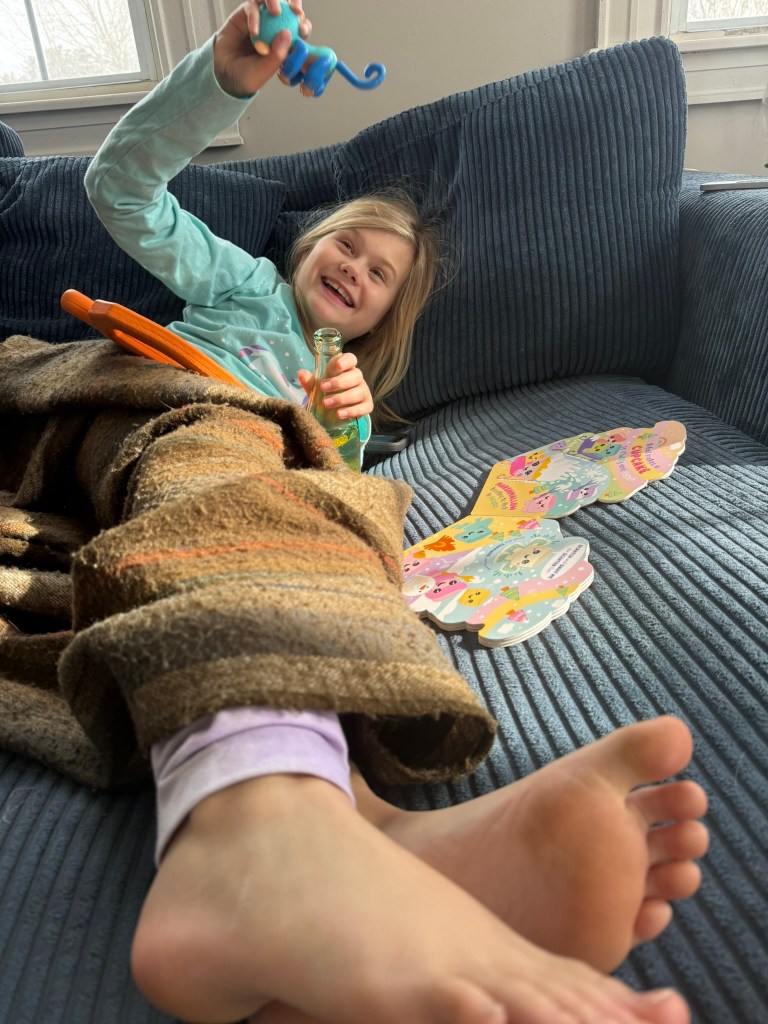
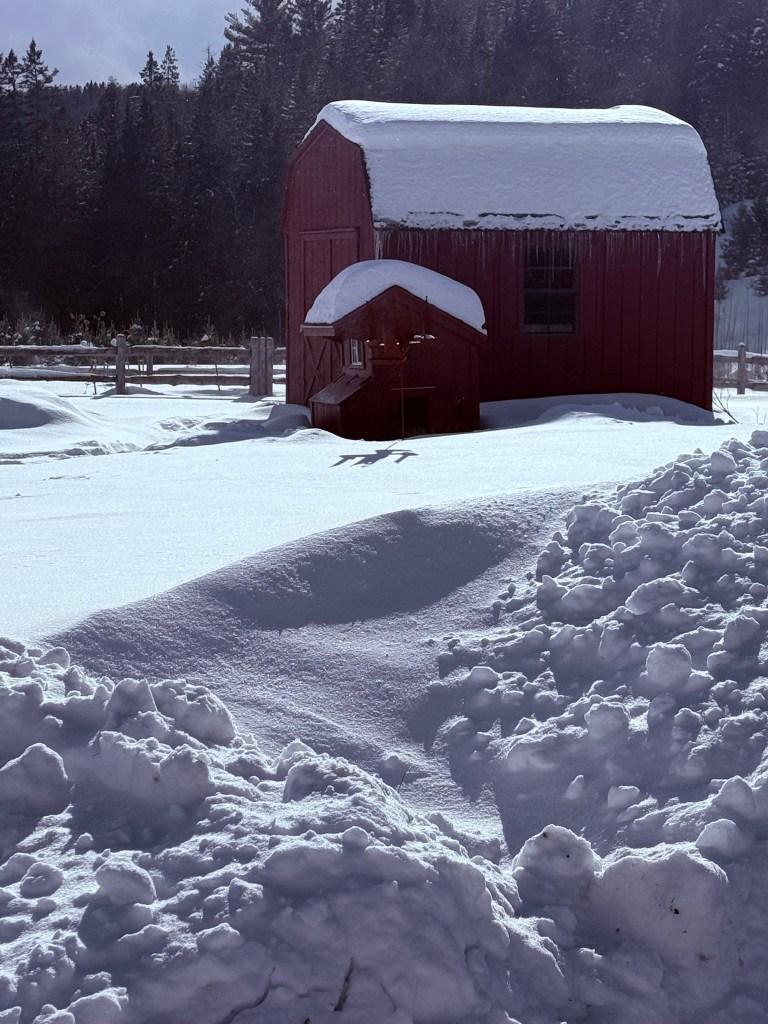
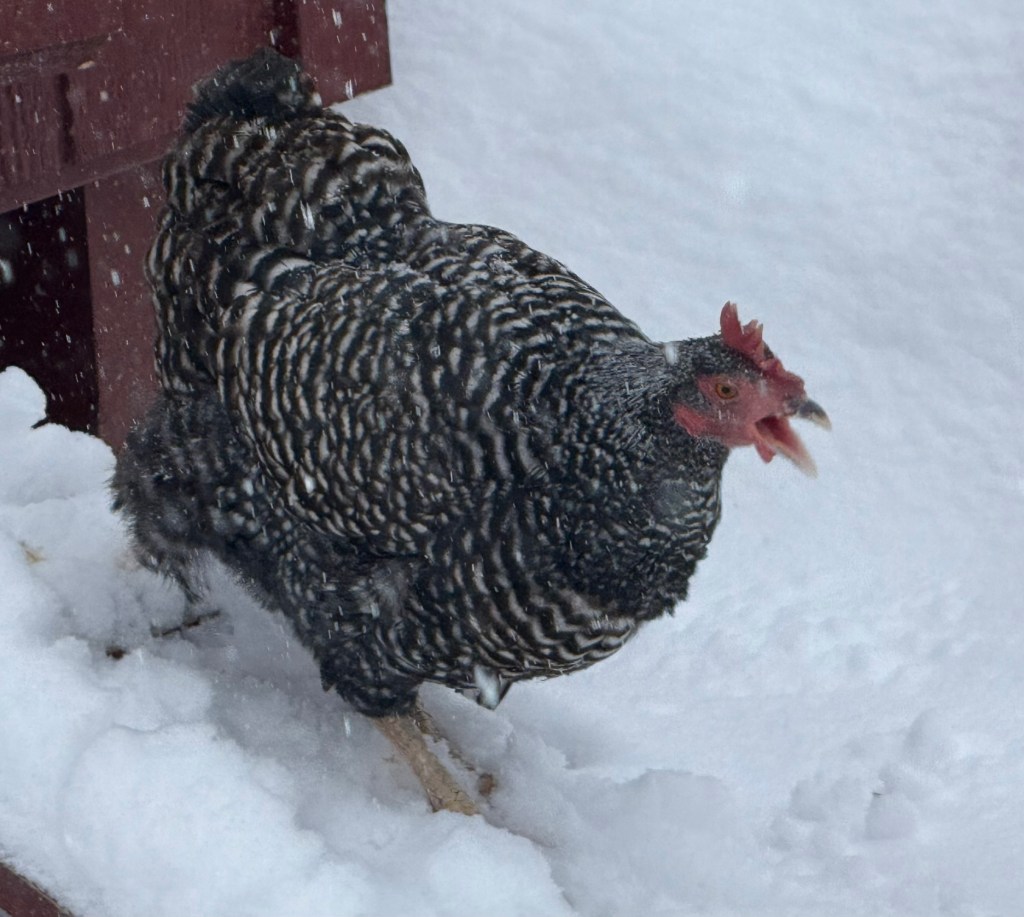

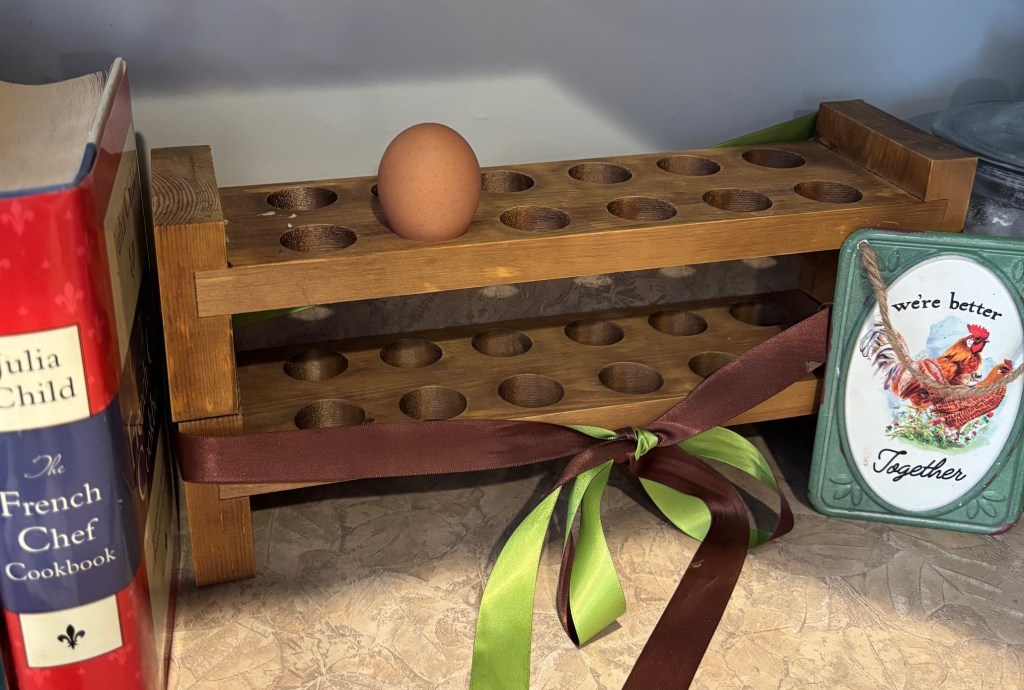
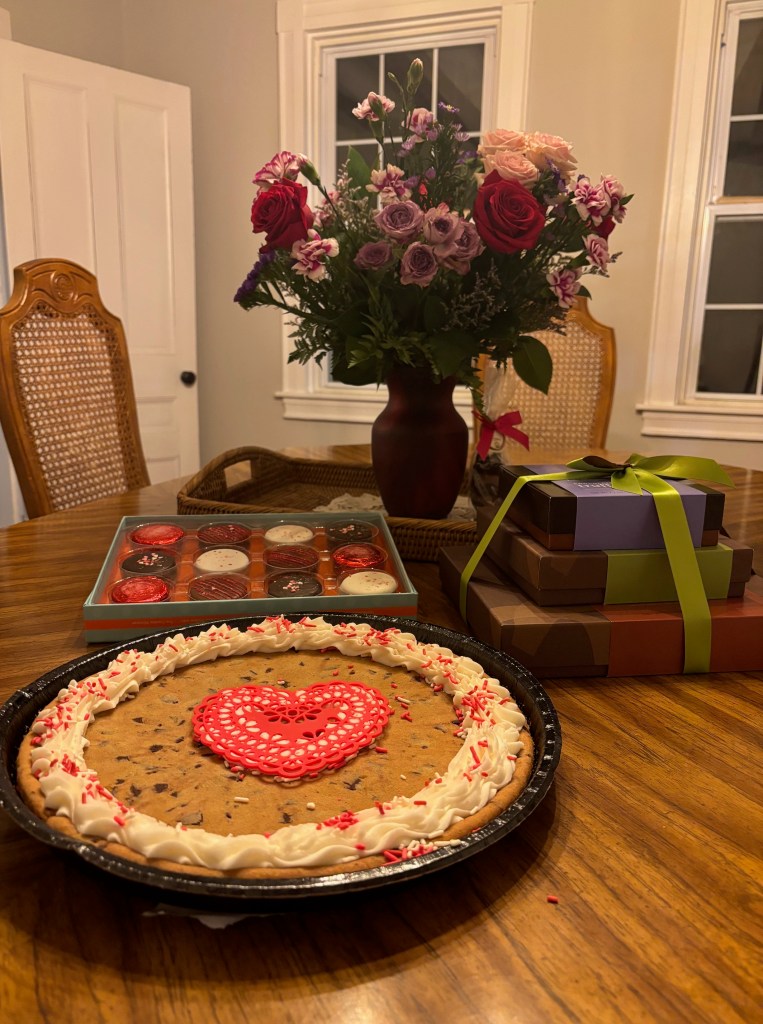

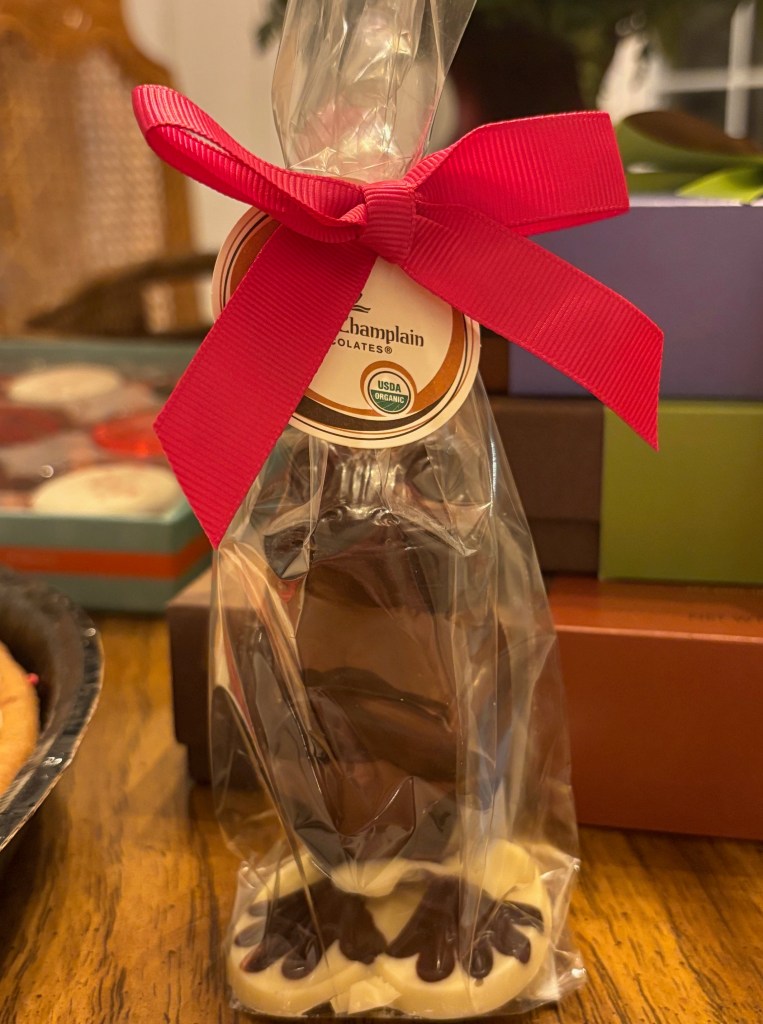
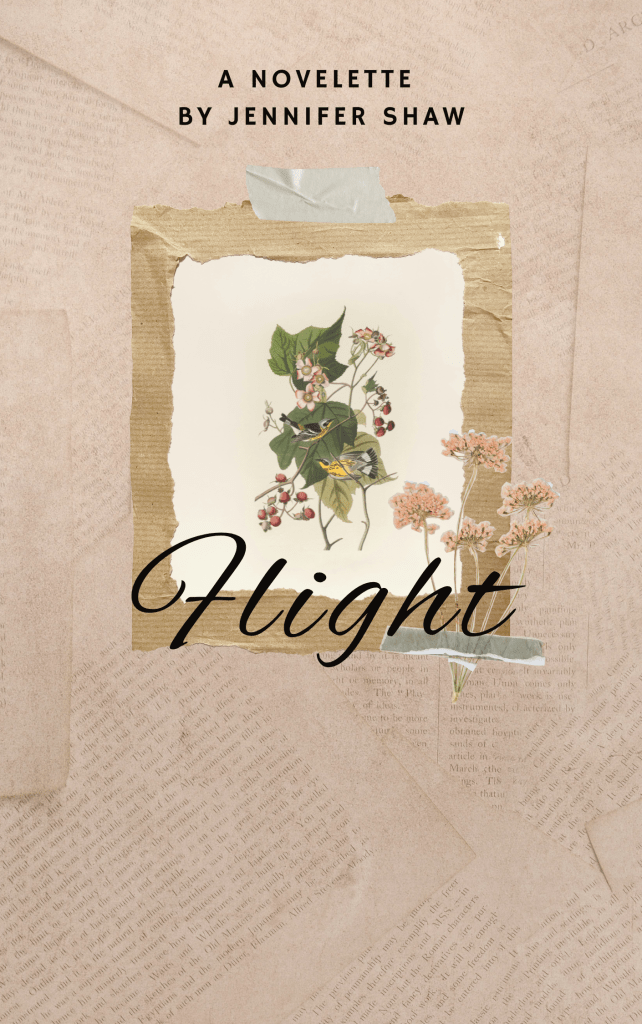
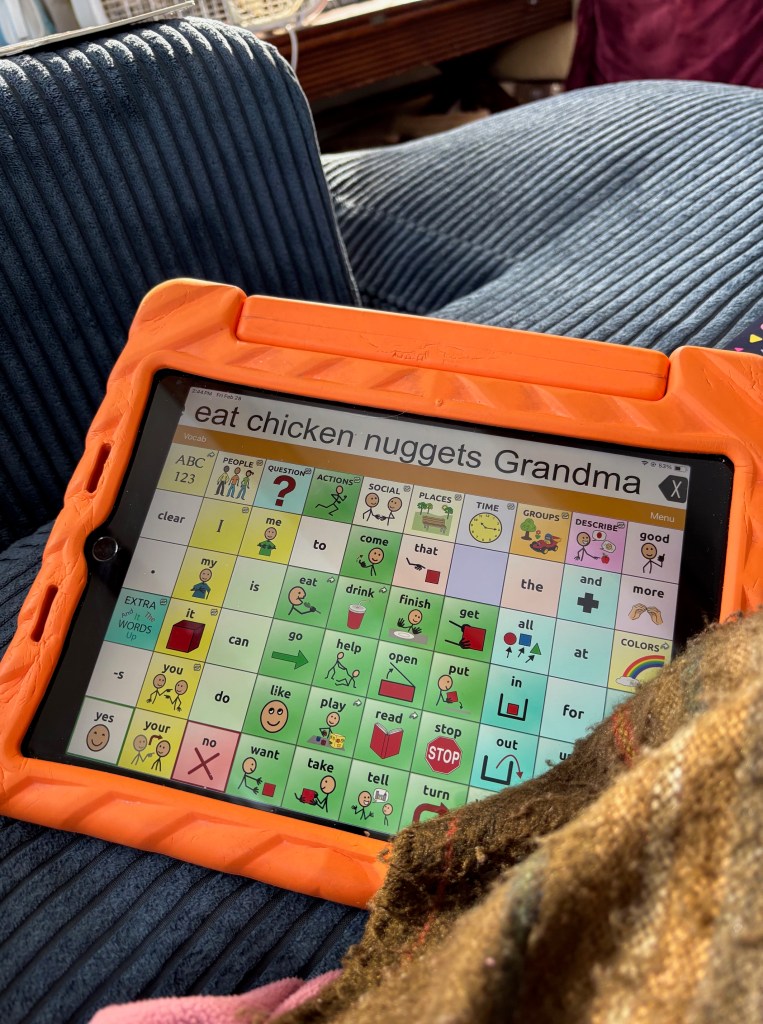

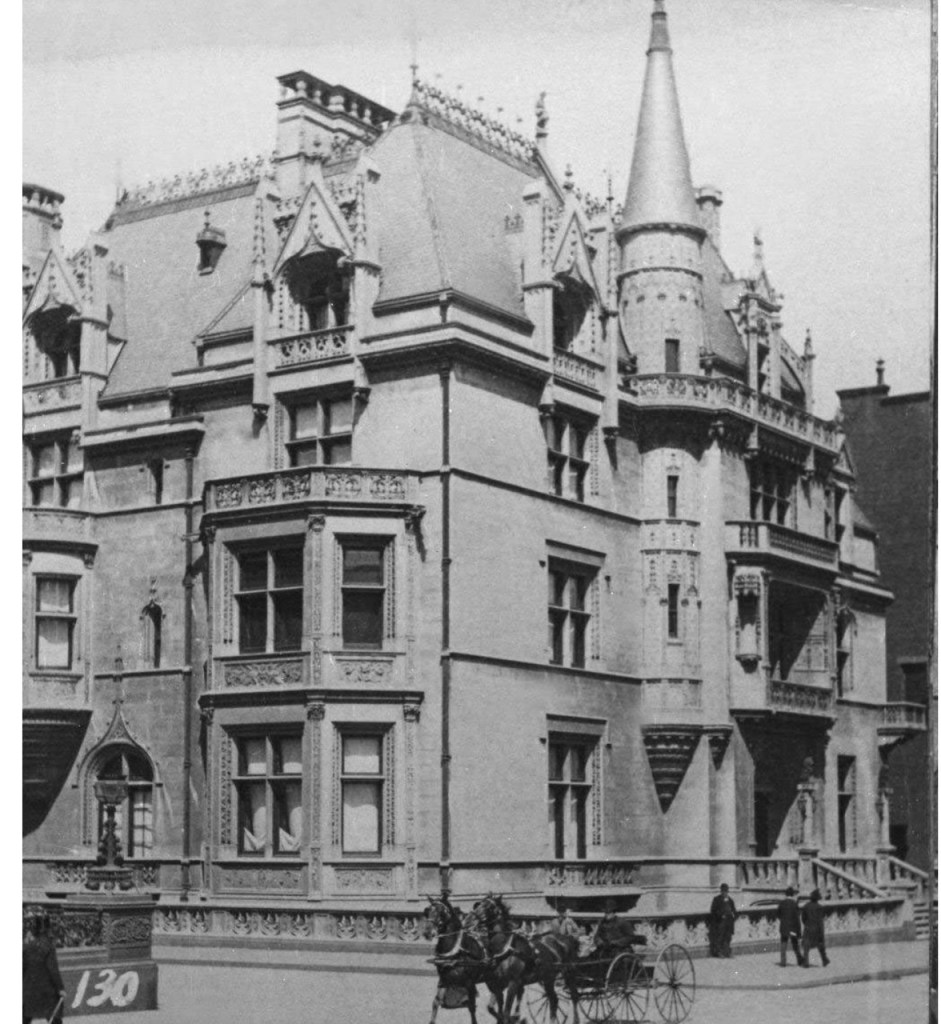
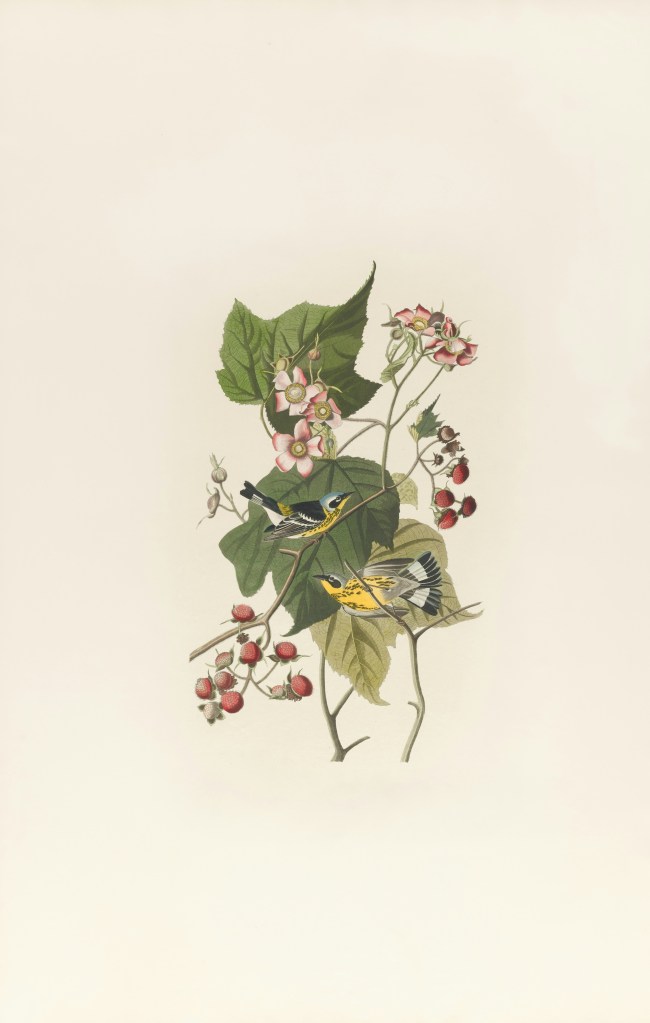
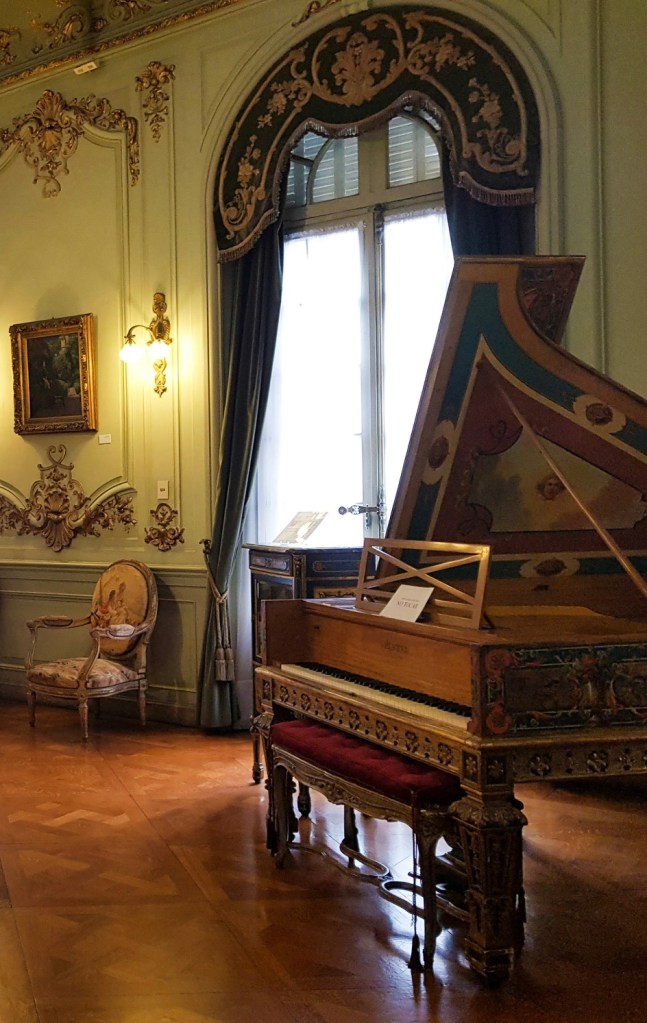





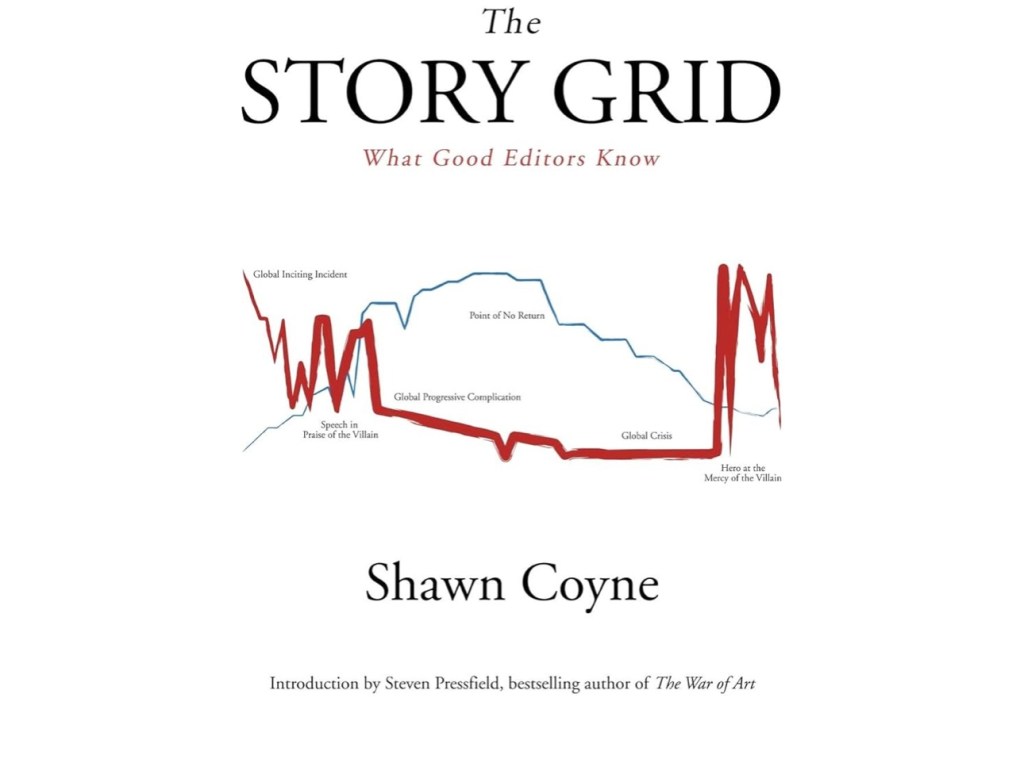
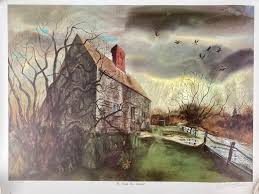


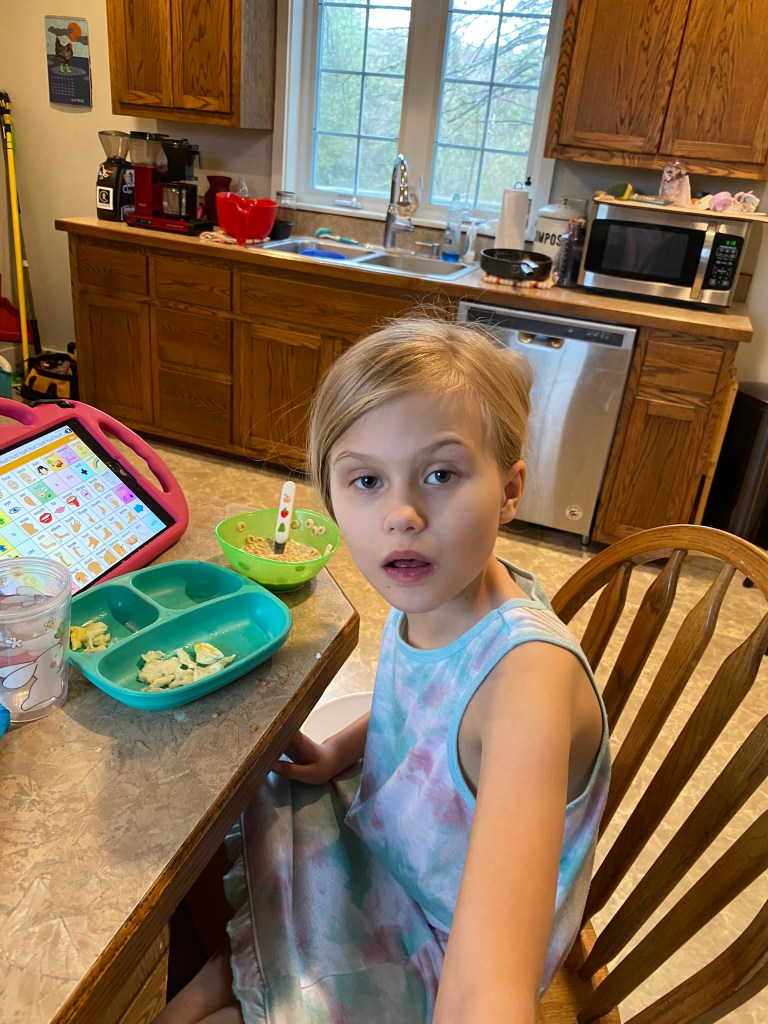
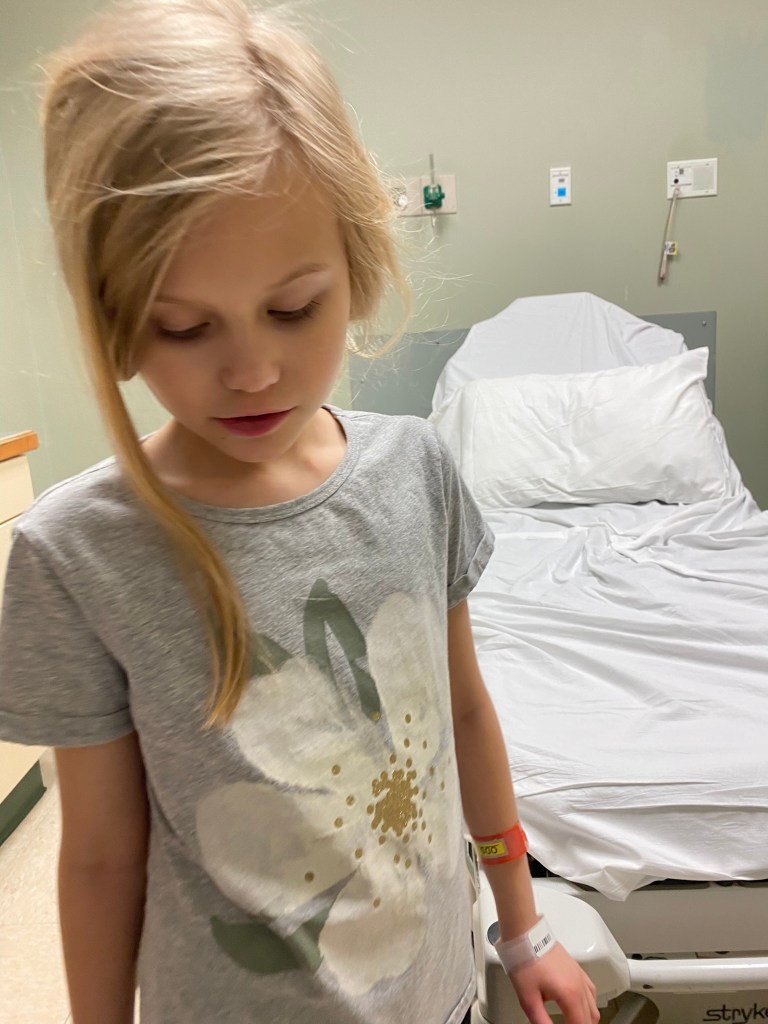
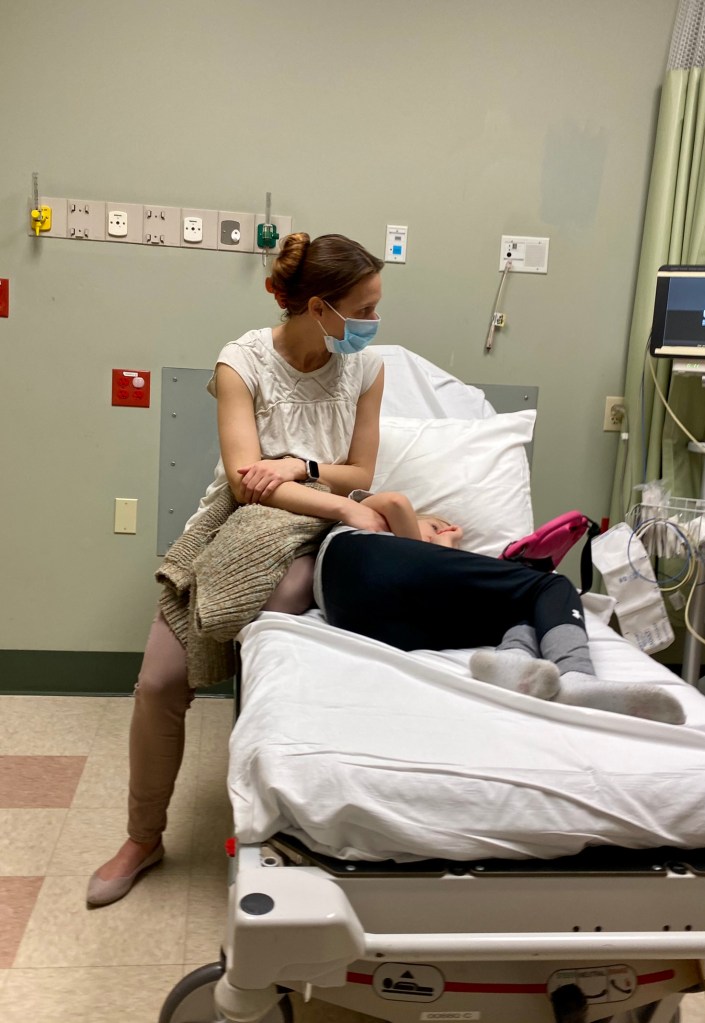
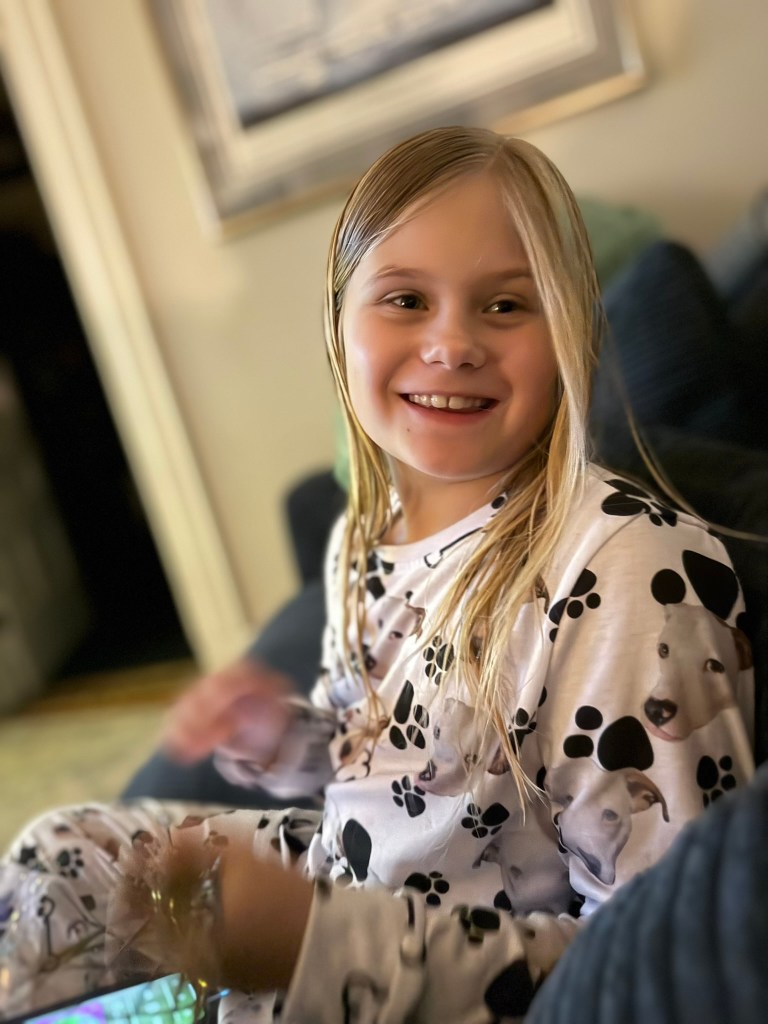















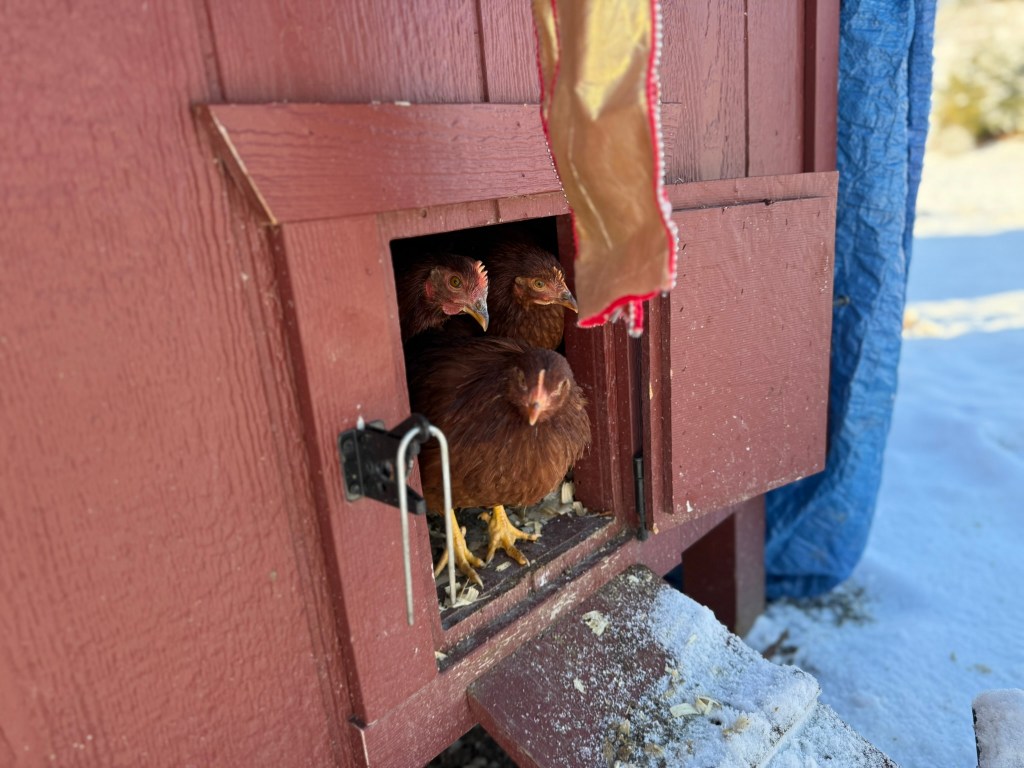
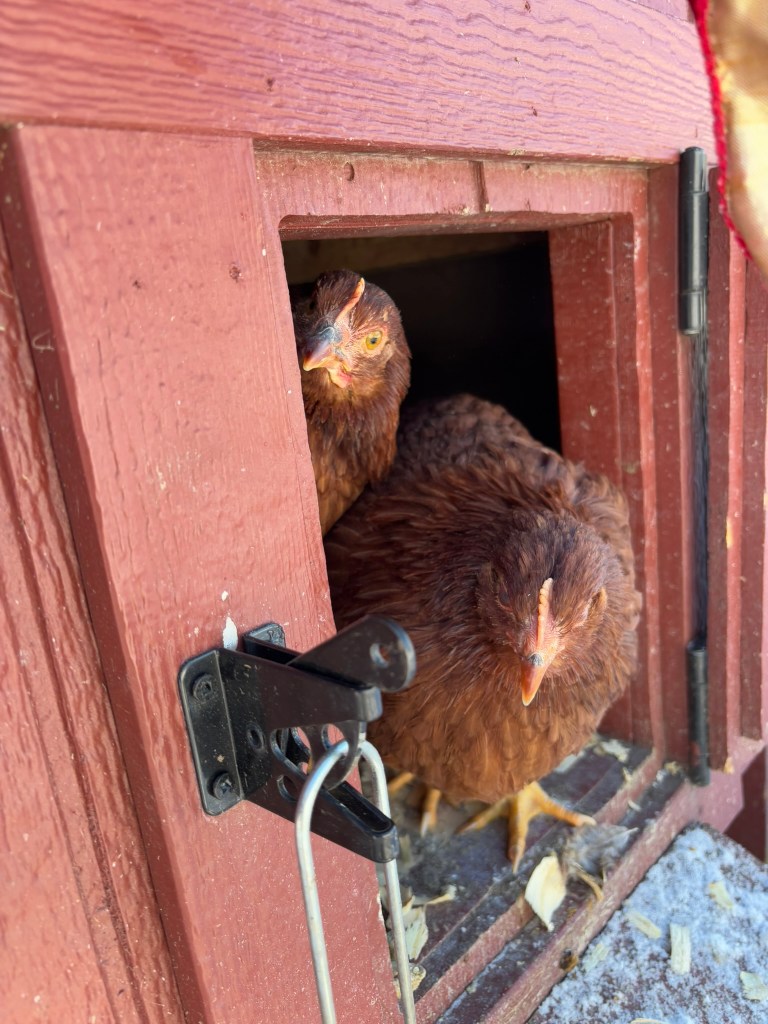
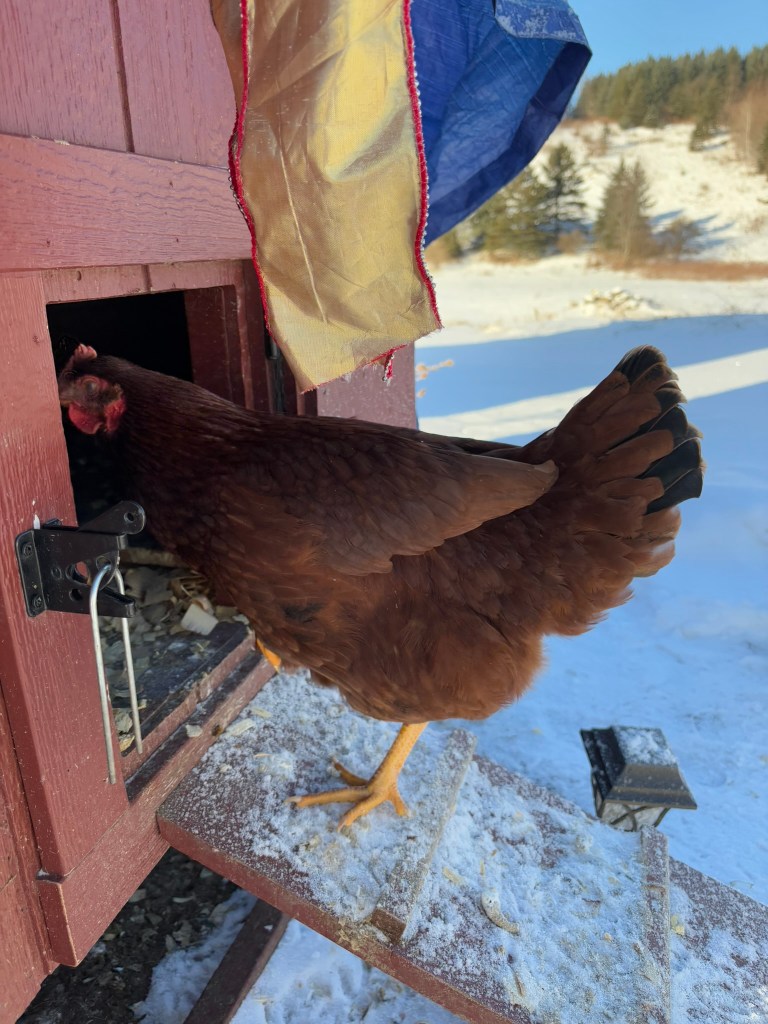
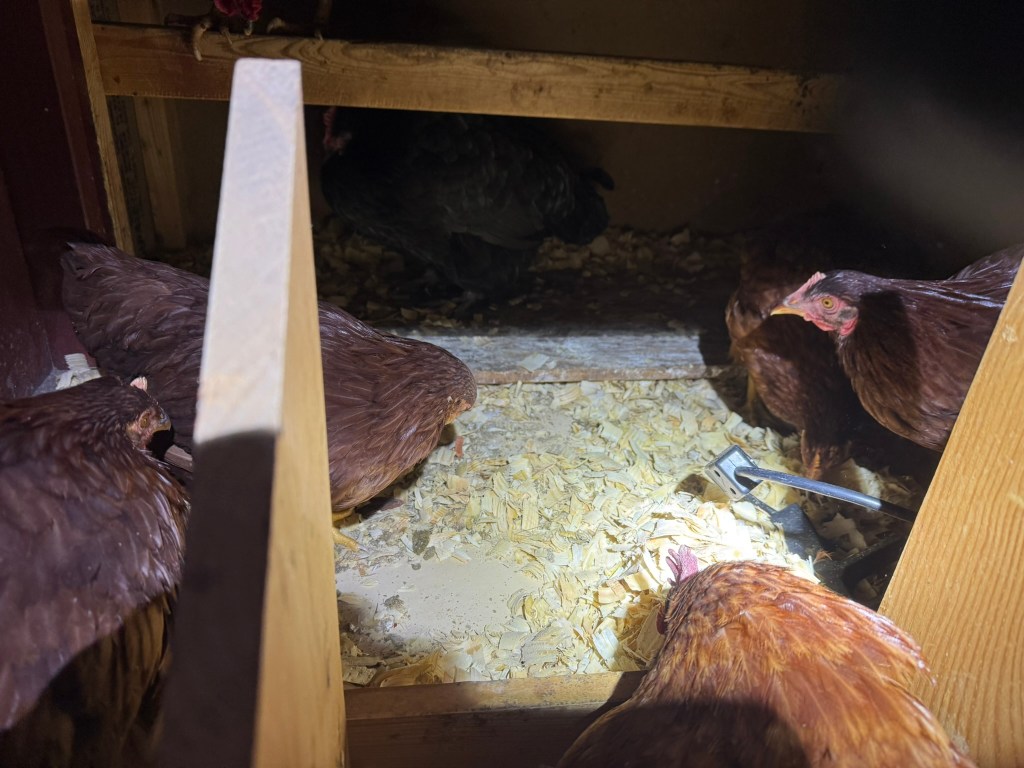
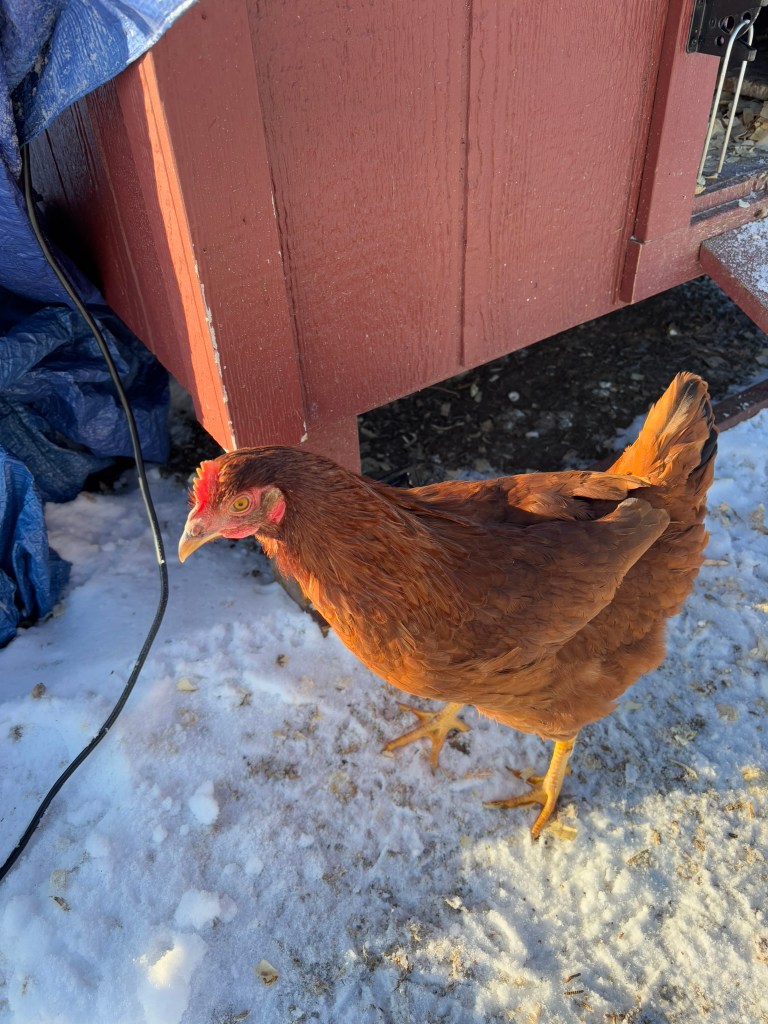

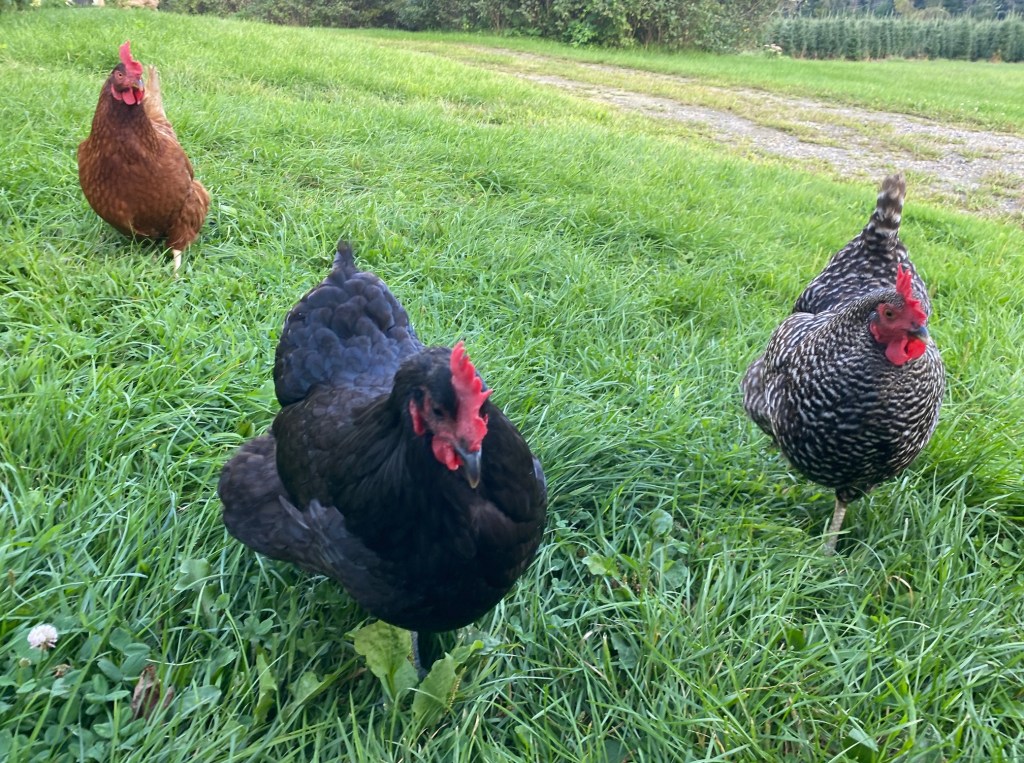
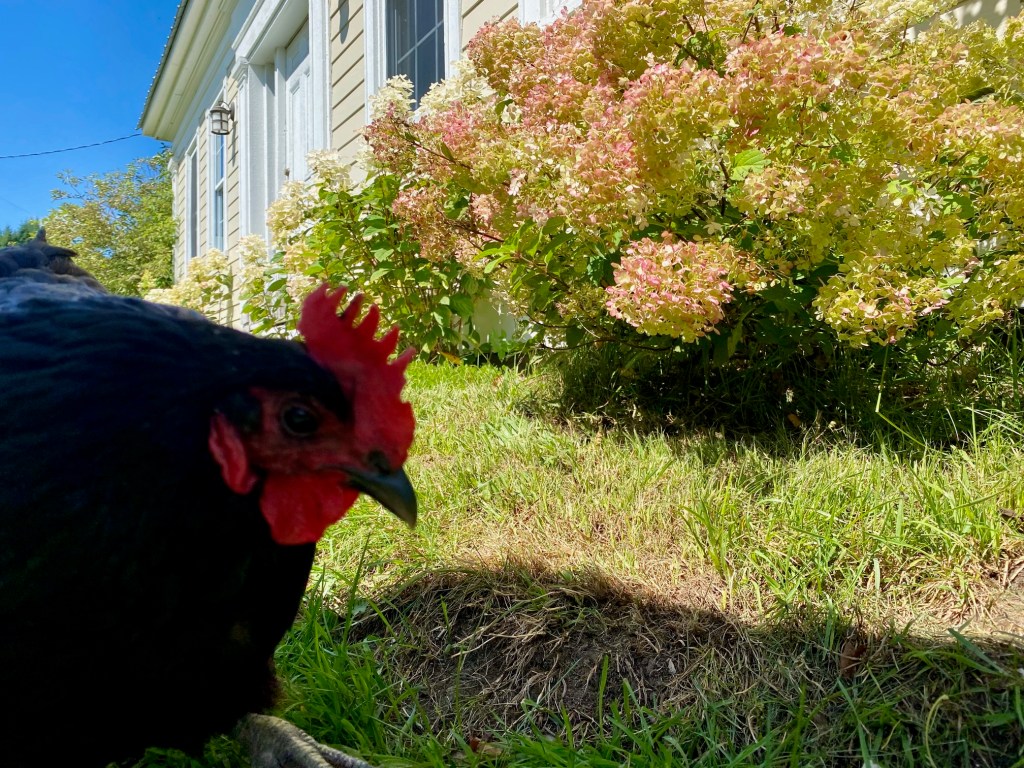
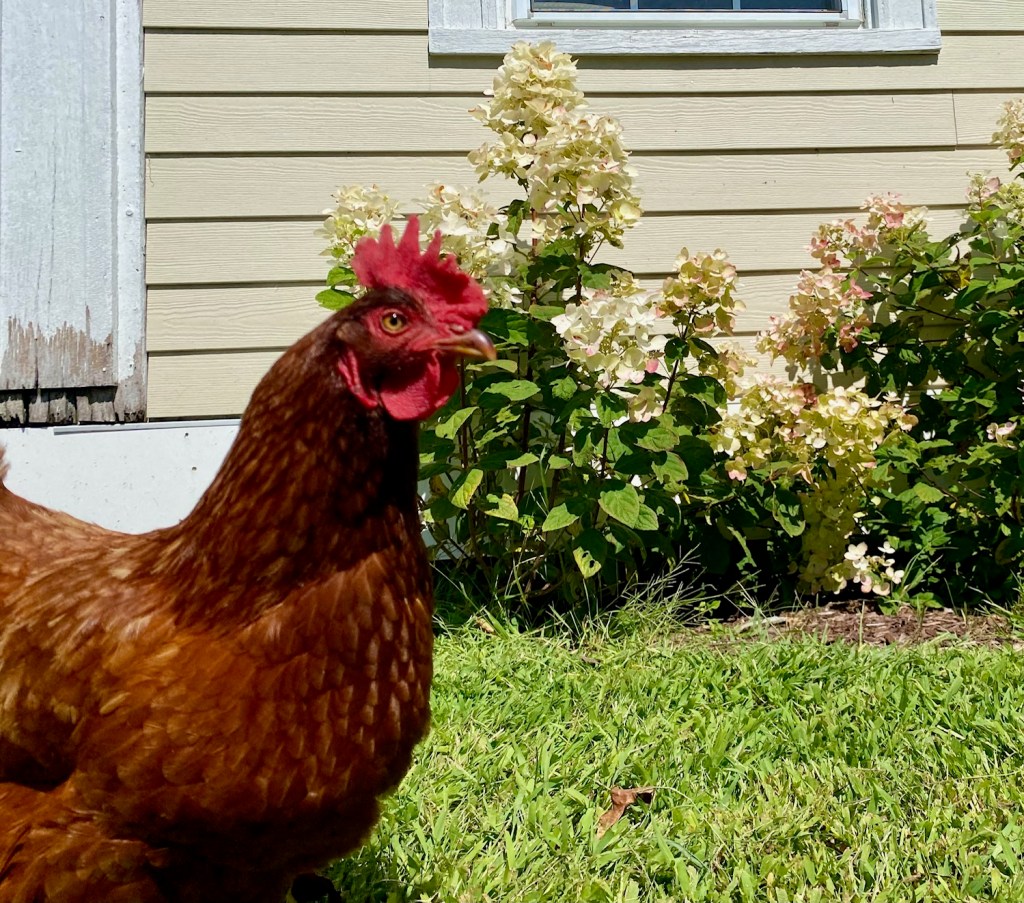


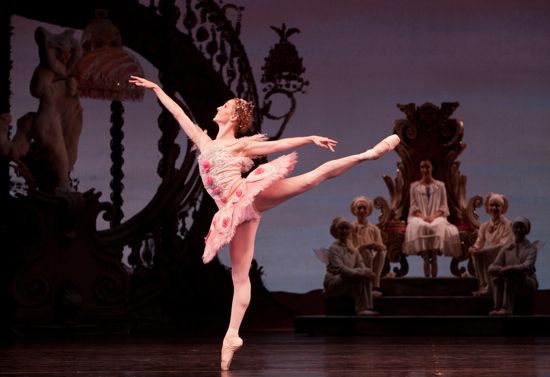



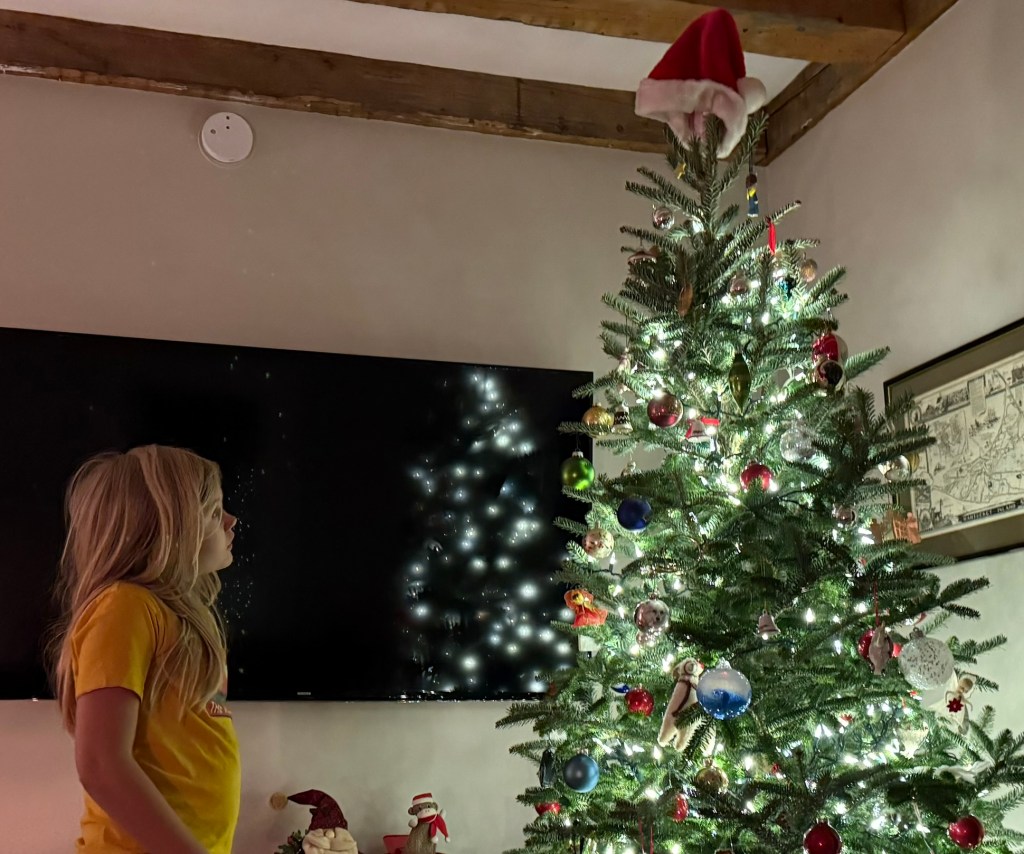
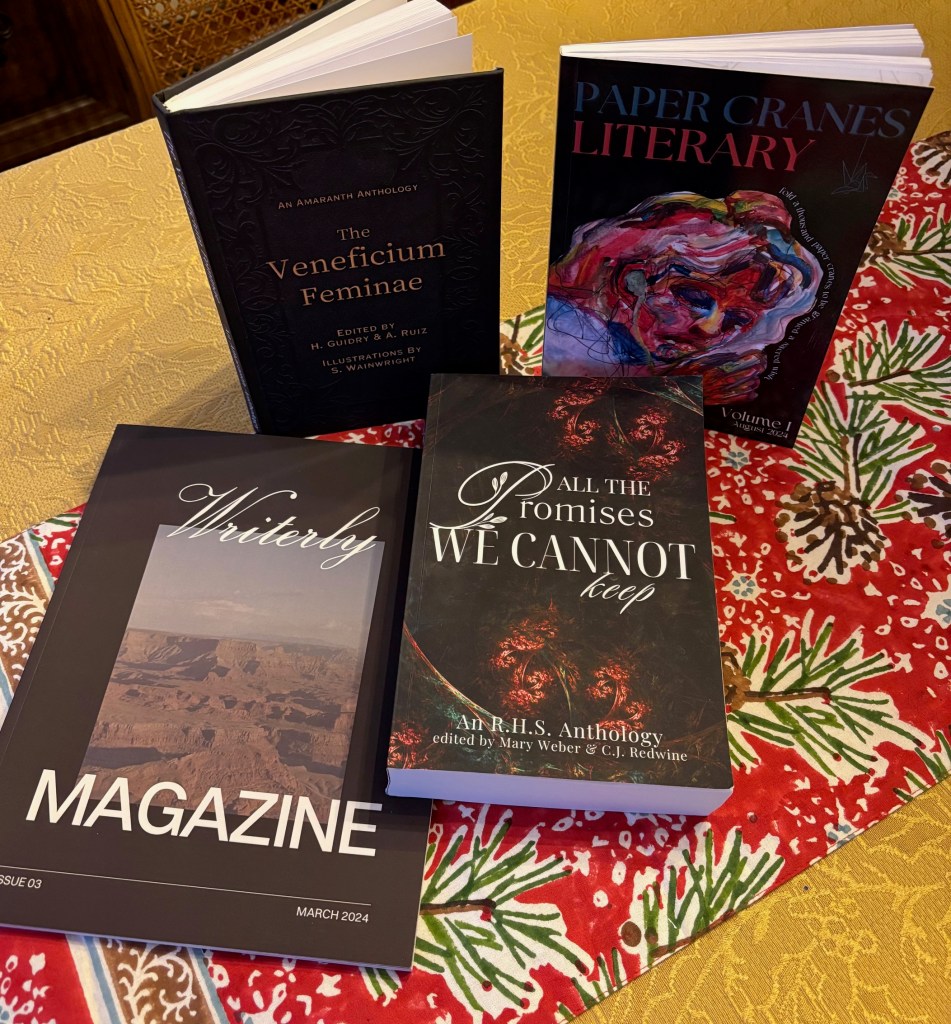

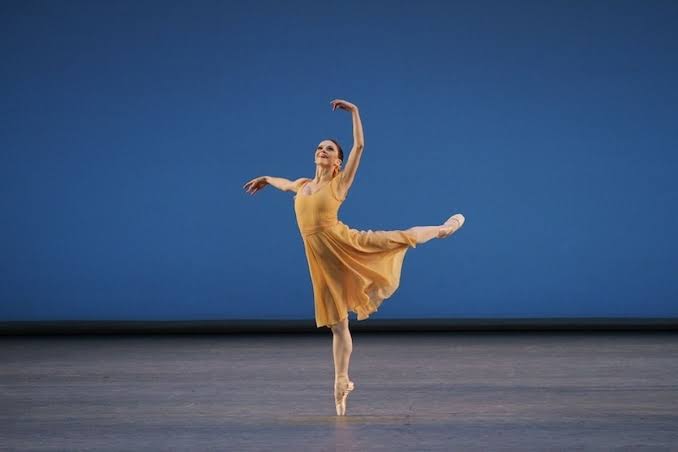




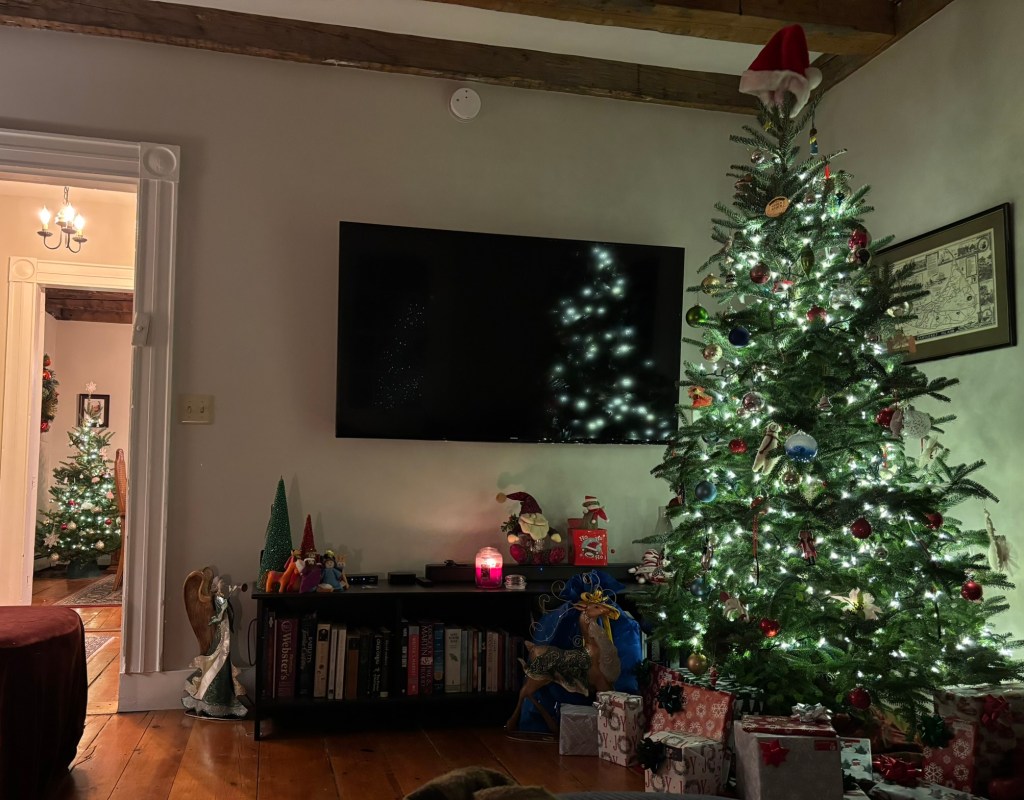
 Jennifer Shaw