Jennifer Shaw

A writer's musings in the mountains

  • Daphne’s Top Five Summer Highlights

    Hi! Can you believe August is winding down? Daphne starts third grade next week, and, despite all my complaints about the challenges of this season, I have mixed feelings about summer ending.

    When she’s at school, I’m never totally sure she’s okay. That doesn’t mean I don’t trust the staff. It just means, I’m no longer right there in the room with her so I can’t know absolutely if she’s 100% alright. She might trip and cut herself on the playground, and I don’t know about it until the nurse calls me. She might have a meltdown, but I don’t know she’s in distress until I get a text from her SpEd teacher. A student might say something cruel, and I can’t comfort her until I’ve been notified of the incident.

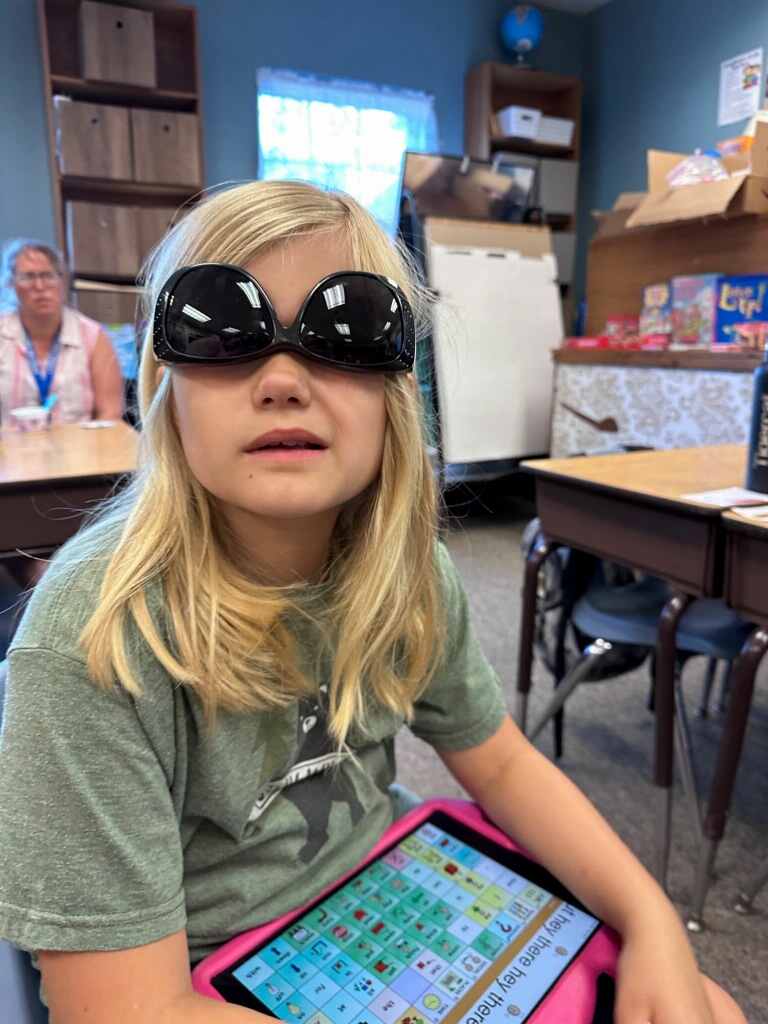
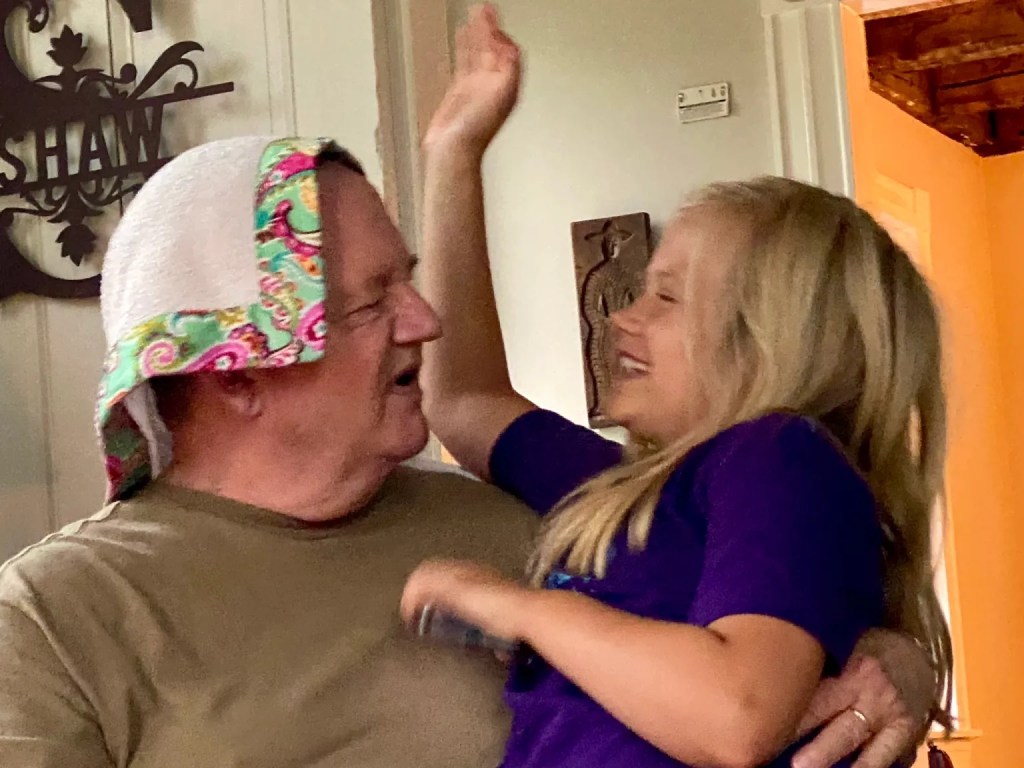
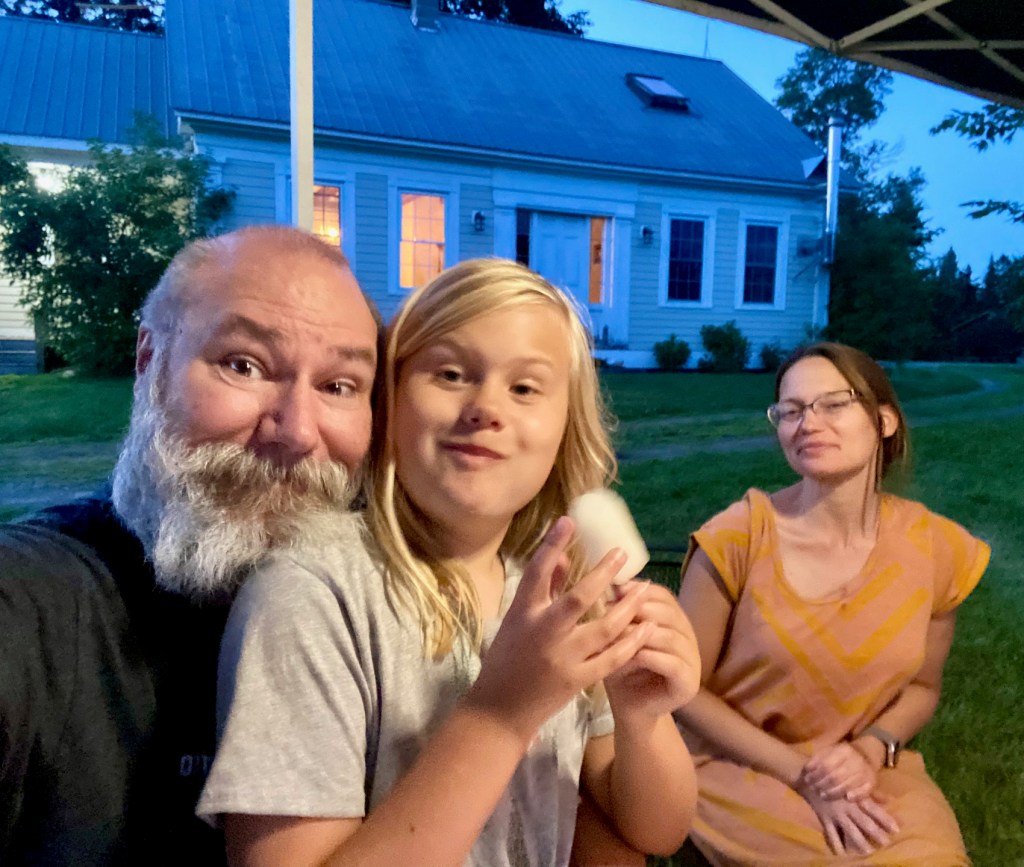
    Silly photo from school

    I just don’t have the same level of awareness I do when she’s at home, and that always brings a measure of worry.

    Of course, worst-case scenario, a malicious person does hurt her, and I never know it because she can’t tell me or she can’t convey it precisely. It’s one of my worst fears… The chances of this happening at school are unlikely; if I thought it probable, we wouldn’t send her. Still, realistically, I know it’s always a possibility.

    So when I drop her off at 8 am on Monday with Mrs. Wilkie, I will have a knot in my stomach until I take her little hand again at 2:45. There’s always a certain amount of anxiety simmering below the surface for her dad and me–we both jump when my phone rings or a text message pings–and summer is a respite from that.

    Stop worrying so much, Mom!

    I’m also a little sad because there have been some great moments in Daph’s vacation. She’s done a lot of things she can’t do in the cooler months, and I know she’ll miss them. She’s also made some great progress and regained some important ground.

    As a tribute, then, and as an uplifting way to bid vacation adieu, I thought I’d share Daphne’s top five warm weather highlights.

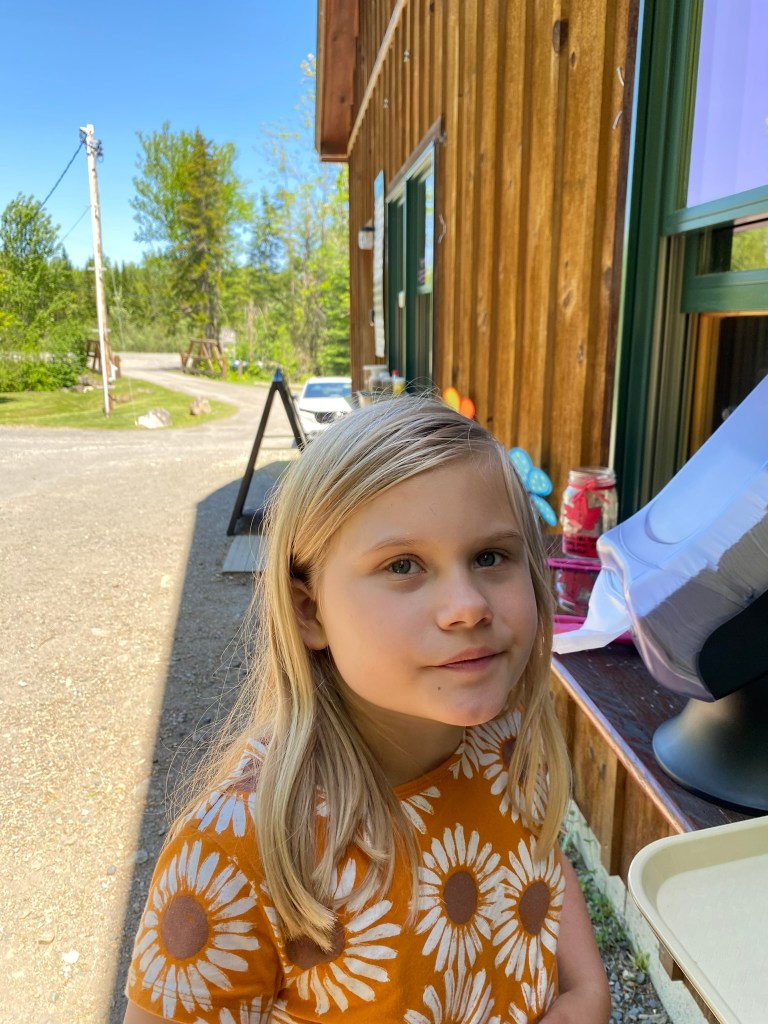
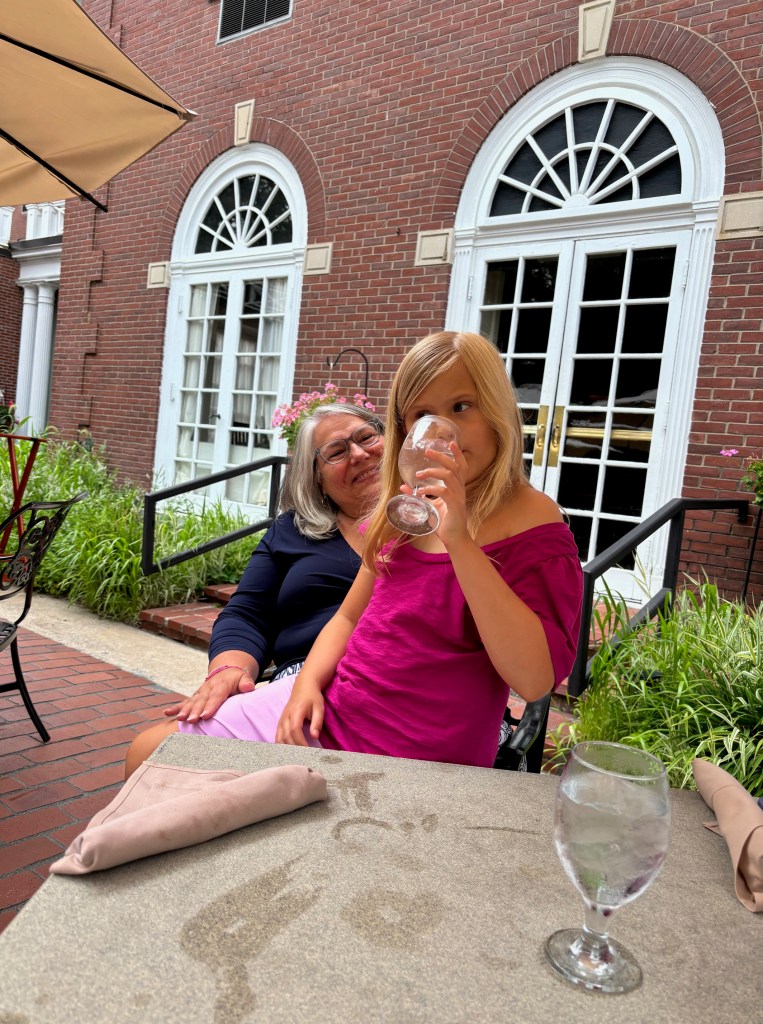
    My gorgeous girl

    TOP FIVE SUMMER HIGHLIGHTS

    5. Rediscovering the joy of reading. When she was little, Daph was a voracious reader. She would choose a picture book from a coffee table behind our sofa, stacked high with probably thirty children’s titles. I would read it, she would study the pictures, she might request I read a certain part over, and then she’d sign for the entire book again. And again, sometimes. Then, we’d start a new book, and the process would repeat, over and over. We read something like a dozen+ books each day.

    A few years ago, she lost some interest in reading. I’m not sure why except a lot was going on–she was potty-training, COVID was upending our schedules, we were moving across the country, etc. It made me sad, but I didn’t want to force a lot of reading on her. That’s a quick way to make a child dislike it.

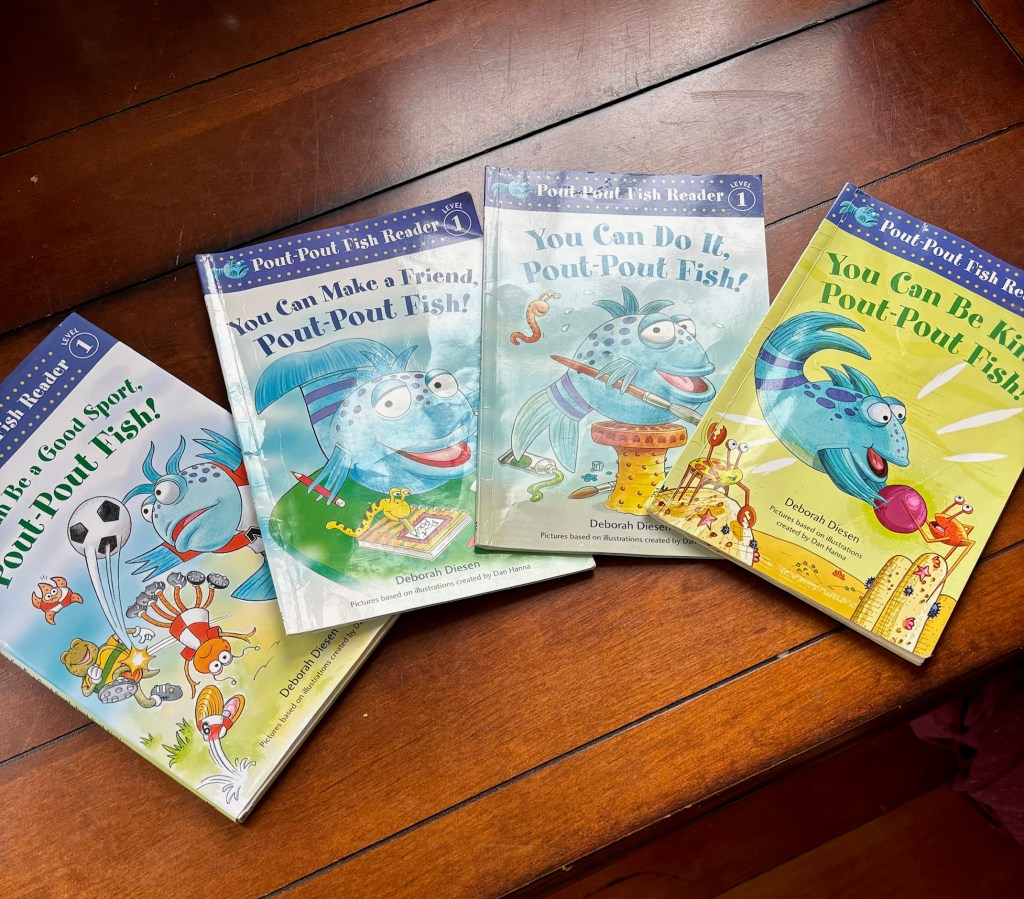
    This summer, though, she’s routinely brought her dad or me a book to read. Sometimes two a day, even. Her most frequent picks are her Pout Pout Fish early readers; she loves them.

    The. Best. Books. Ever… according to Daph

    This doesn’t sound like a lot, but it’s something she’s authentically requesting and enjoying, and she’s choosing the books herself, so it gives me hope. Plus, I’ve been able to use this reading time to model more language on her AAC device and even do some casual think alouds to aid her comprehension. All good stuff!

    4. Finding out she likes the gym. We’ve always thought gymnastics would be great for Daph, and there’s a reputable program right down the road from us in St. Johnsbury. This summer, I started taking her to their open gym sessions, and she’s loved playing on some of their equipment and exploring their space.

    I’m gonna learn how to swing like a monkey!

    Her favorite thing is a giant, soft, cylindrical piece of equipment that has hooks, so I assume it gets hung/attached to something though I have no idea what it’s for. Anyway, Daph likes to climb and roll on it, and it’s a fantastic way for her to get sensory input.

    She’s enjoyed open gym so much that we plan to enroll her in private lessons once a week. Our primary goal is for her to have fun; we want her to enjoy the movement, space, and people. Beyond that, I’d love for her to improve her coordination and gain some upper body strength, which will aid her fine motor skills.

    All kids need an extracurricular activity they love–it makes for an enriching childhood and the development of qualities like dedication and resilience. I hope gymnastics might be that amazing extracurricular for Daph.

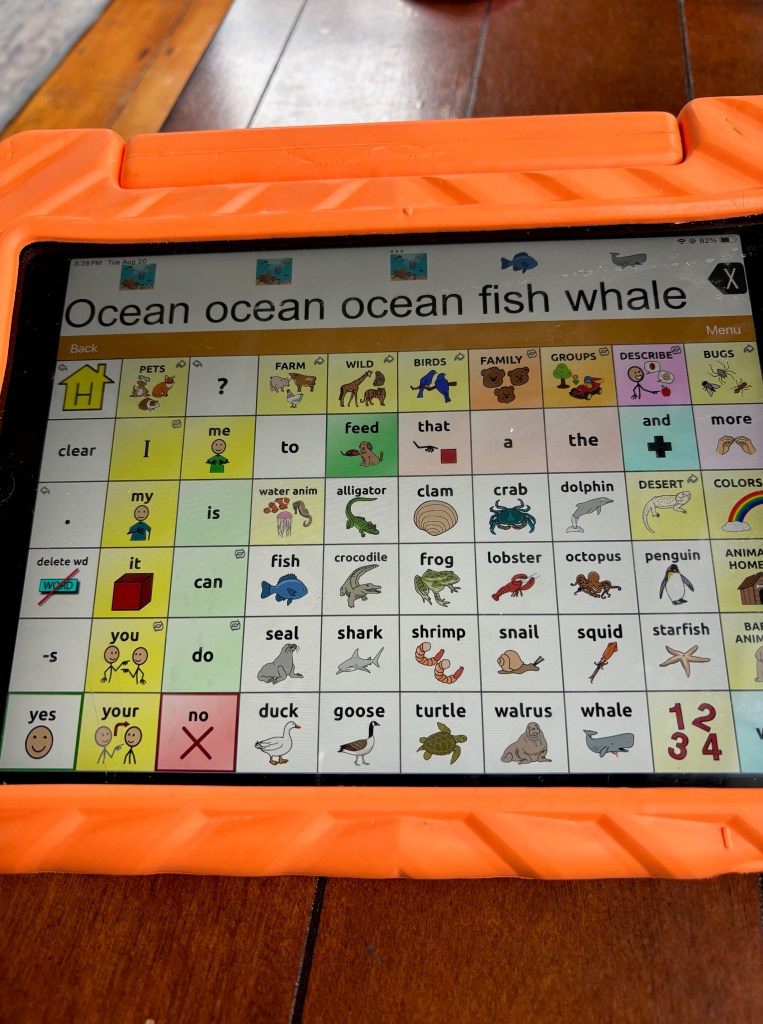
    3. Growing her AAC vocabulary. Thankfully, Daphne has always loved her AAC device, her talker. We use the program TouchChat, and her school was great about getting me trained immediately in the best practices for supporting a child who uses AAC. Thus, we’ve always allowed her device to be hers, and we’ve implemented it in a child-centered, invitational, authentic manner. That means, we never require her to use it or demand she communicates certain words/phrases on it. We model our own language on it daily, especially in the context of things Daph enjoys, and she gets to watch and mimic as she likes. In this way, she has learned to love it and now regularly uses certain words and even phrases to communicate her needs, wants, and feelings.

    Summery, indeed

    This summer, she’s begun using several new words: soon, ocean, stick, fish, swim, mermaid, horseback riding, and frustrated, among others. You can see the pattern here–outdoor play! She’s even using certain phrases–read that book again, I love you, go to _____ (usually lake, home, or car) and It is. This is all fantastic progress! The more language we can show her, the better she can communicate, and the happier and more empowered she will be.

    2. Regaining her float. When Daphne was three years old, we enrolled her in infant survival swim lessons, where she learned how to float, flip over, and swim a short distance to the side of the pool. She loved her lessons, and they were the first victim, sadly, of the pandemic. She hasn’t had formal lessons since, and I figured she’d lost her floating ability–for years afterward, I didn’t see her float in a pool or lake and when she tried, she struggled.

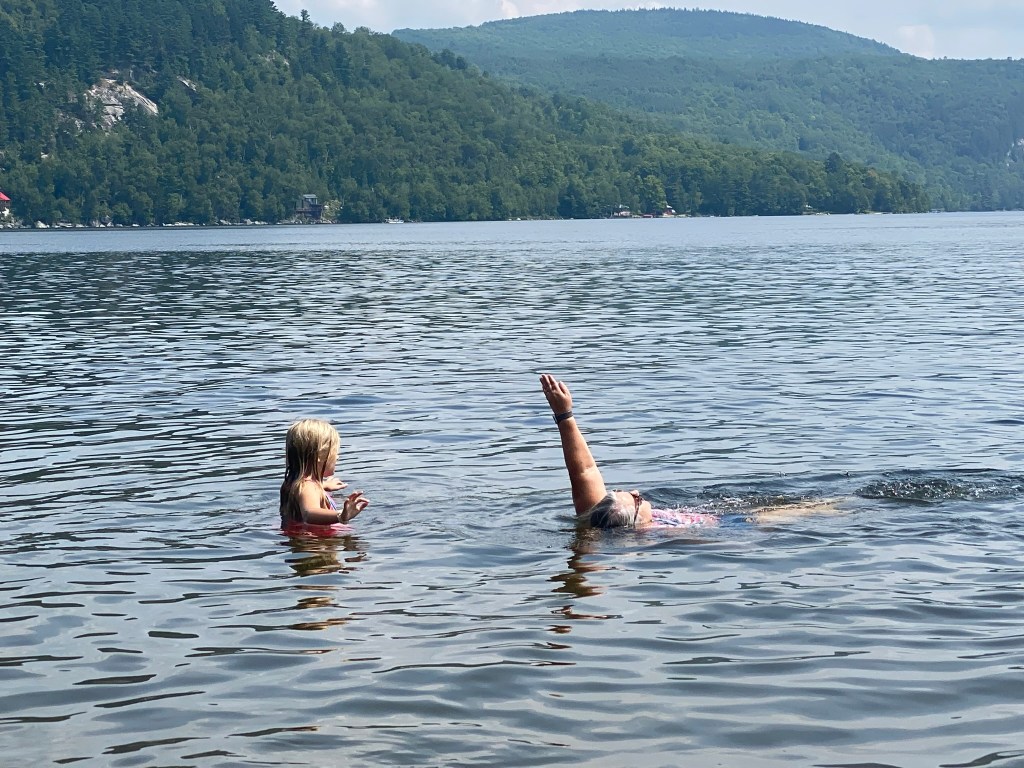
    This year, she was determined to get her float back. She watched many old videos of herself floating at swim class with Miss Gabby, and then at the lake, I recognized her trying to do it again. Wisely, for once–haha!–I left her alone. I knew she’d remain more engaged and determined if I let her practice without my interference. And, voila! About midsummer, I saw her floating for a few seconds. Those seconds multiplied each time she practiced, and now, if she gets into a perfect position (head up, arms and legs stretched out but relaxed), she can float for a solid minute.

    It’s a little harder to float in shallow water at the beach!

    This is amazing and fantastic for obvious reasons. A lot of kiddos with autism are drawn to water, and drowning is a leading cause of death. Daphne is passionate about swimming. If, God forbid, she ever elopes to a body of water, her chances for surviving until someone rescues her are much better if she can float.

    Better than that, arguably, is the fact that this is evidence of her own determination and independence. It’s not often I see clear evidence of her pushing herself to achieve something she wants, but this was definitely the case with her float. It goes to show what a smart, driven, resilient person she is, and we are so proud of her.

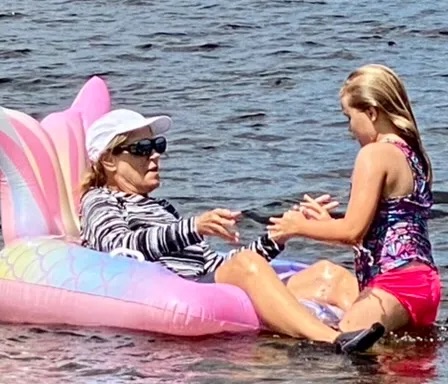
    1. Spending time with her grandparents. Summer is the season of visitors, and this summer, Daph’s Grammy visited twice, and Grandma and Grandad came once for an extended stay. Daphne even got to see her Munkka, Grammy’s husband. She adores her grandparents and seeks lots of physical love and playful connection with them. Summer visits mean she can swim with them, too. She had a great time on a floatie with her Grandma, and she had THE BEST DAY EVER with her Grammy when they swam together at Crystal Lake, then moved on to the beautiful saltwater pool at The Wildflower Inn.
    Grammy giving a backstroke lesson
    Grandma on the floatie

    So there you are! Our summer’s been fabulous in many ways, despite all my complaining, and I am grateful for Daph’s growth and for all the love and support our families have given us on their visits.

    Playing with goofy Grandad

    Daphne’s regained her continence, too, which is a huge relief. All in all, I can’t complain… though I am ready to have back my schoolyear chunks of Me Time. I will get to write more easily, but I’m actually looking forward to lots of reading again. I’ve hardly been able to do any reading these last nine weeks, and I have so many great books to dive into!

    On a final note, I have some exciting writing news! My story of familial love, “In Dreams and After,”– about a ghost determined to enter her mother’s dreams– is set to appear tomorrow, August 21st, in the debut issue of Paper Cranes Literary, when the magazine goes live!

    Cover reveal
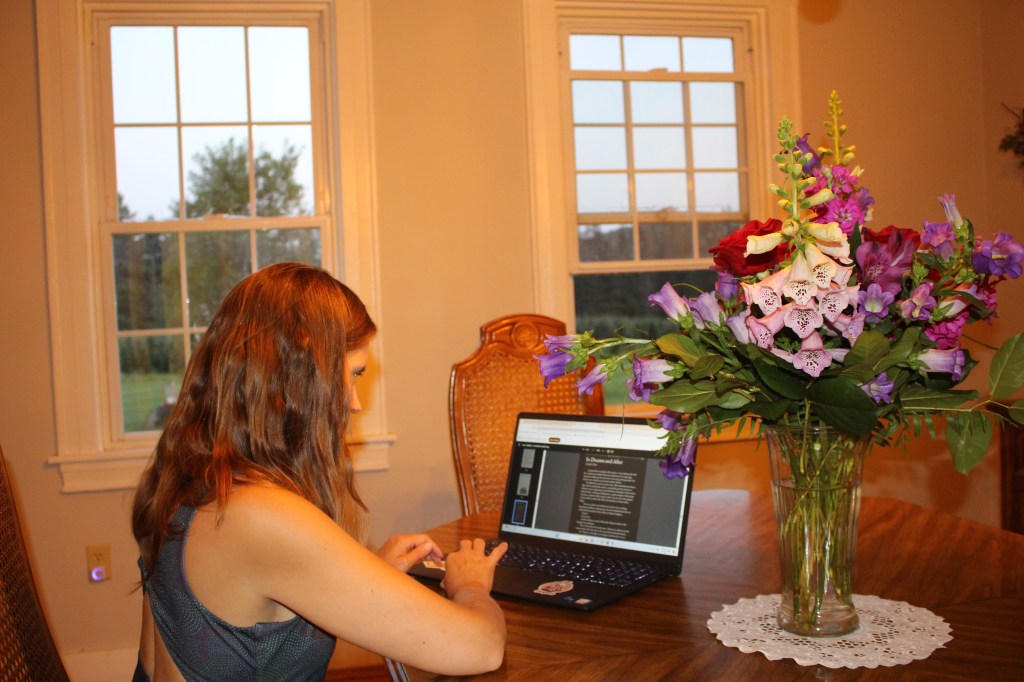
    Proofing the contributors’ draft a while back

    I’m planning to push myself a little bit in the marketing aspect–meaning I will post about the publication and even share a little bit about the story on my Insta, all in the hope that anyone who’s interested will read the piece in the e-version and hopefully appreciate it or find it comforting or poignant.

    Collage representing my story using Canva and Unsplash

    And if they don’t, that’s okay.

    It’s scary being so vulnerable, but publishing should mean I want those interested to read my pieces, even though they’re not perfect and might not be everyone’s cup of tea. I’m telling myself, they don’t have to be in either case. And, it’s okay if there are people secretly judging me for it, thinking I’m silly or reaching too high or my work sucks. Welcome to publishing, after all. Inevitably, all authors get some negative judgement–Writerthreads is full of anecdotes about that. You have to have a thick skin, and you have to be brave enough to embrace the vulnerability that comes with publicly sharing your work. I have to “get comfortable with being uncomfortable,” as a book coach who specializes in marketing recently said, especially if I want to continue growing in this endeavor.

    I hope you’ve had a good summer! I’d love to hear about your own seasonal highlights or any advice you have on handling vulnerability.

    So long, farewell, auf wiedersehen, goodbye! (Did you sing that in your head?)

    Until next week!

    XOXO,

    Jenn

  • Christmas Horror, Anyone? (A New, Unexpected Project)

    Hey there! As my daughter likes to say on her AAC device, how’s it going?

    When summer began, I didn’t intend to write any new short stuff. Instead, I planned to chip away at the behemoth zero draft of my novel, do some editing on a few existing short pieces if a reason arose (like virtual writing camp), and blog. Basically, I was planning to get some creative rest. That idea made sense given that I had to shift a majority of my time away from writing and toward caring for Daphne.

    Well, thanks to one of my regular emails from Authors Publish, I came across an opportunity for a themed submission–Secrets of the Snow Globe. Yep, you read that correctly. And, that changed my creative plans.

    I love this vibe!

    The theme is for a Christmas anthology that a small British press is publishing, and at first it struck me as silly (it still kind of does). But then, I kept thinking about the topic. They want stories from 4-10k (that’s generous!) set at Christmas time and involving a snow globe, and the only two acceptable genres are fantasy and horror.

    The more I thought about it, the more fun an attempt at such a story sounded. I’m still trying to figure out if I can write horror well, so if anything this prompt seemed like a good opportunity to practice the genre.

    So that’s what I’m working on right now. I’m drafting a Christmas horror story about a cursed snow globe. I didn’t see that one coming.

    Damn, DALLE

    Consequently, I’m keeping this post super short because I’m saving my writing energy for that project, the deadline for which is August 31st–eeeek! And, I have to write most of it at night after my daughter goes to bed, since school doesn’t start until the 26th. Hopefully, I can get a decent draft done in time to have at least one reliable person give me feedback so I can make edits before submitting it. That’s a fair amount to cram into a summer schedule that still only allows a little time for writing.

    But since I’m excited to try my hand at this, I thought I’d share a few of my ideas and inspo images for the story, starting with a blurb.

    This is a good way for me to practice writing a blurb, too.

    ***

    BLURB: It is December 1918, and Cora Campion is an embittered young woman bearing heavy responsibilities in a dark world.

    Cora

    Her mother is gone, leaving her essentially alone to care for her vulnerable, dependent sister on their family’s sugar plantation, and she is haunted by a terrible memory that has left her especially fearful and guilty. Meanwhile, the Spanish influenza continues to spread, slowing the end of the Great War where, in France, Cora’s love interest, a young doctor, is completing his service for the Red Cross. Trying to muster the patience for his return home, she prays he will avoid catching the illness.

    Reading a letter from the man she secretly loves

    It is nearly Christmas, however, and Cora’s mystical Aunt Caille is visiting their family.

    Old lady goals right here

    Caille is one of the few people who never overlooks Cora and, in an effort to bring Cora some joy and respite, she gifts her an enchanted snow globe, which promises to make the dream of Cora’s perfect life come true, if only for one special night.

    She’s imagining the possibilities

    But, as Caille warns her, there are conditions. Instructions that must be followed, according to a mysterious bargain. And, when Cora fails to follow those instructions exactly, her ideal Christmas escape in the house of her dreams becomes a perfect nightmare.

    Don’t look behind you

    As she struggles to stay alive and make sense of what has happened, she must figure out how to save both herself and her sister from an evil possessive force… for only one of them can survive.

    ***

    So there you go! If this kind of story is your jam, hopefully the blurb has piqued your interest.

    What are the comps for my piece, meaning other stories/movies like it? Think The Nutcracker meets The Shining.

    It’s definitely a story for grownups.

    Right now, the evil possessive force in the narrative is either a wendigo or a wendigo-like creature–I’m not sure how specific I want to be about that within the story itself.

    One rendition of a wendigo, courtesy of legendsofamerica.com

    According to Britannica Online, wendigos come from Algonquian tribal folklore, and they’re either cannibalistic monsters or evil spirits that possess humans, and they’re associated with winter. They’re often gaunt and gray-fleshed or enormously tall, with sunken/glowing eyes, sharp and yellowed fangs and claws, and pointed ears or horns or deerlike antlers. They smell of rotting flesh, which, it’s said, is how humans can detect them.

    Damn again, DALLE

    They are drawn to people who are greedy and gluttonous or suffering from hunger and starvation, which appealed to me on a metaphorical level. My female main character is emotionally hungry for validation and support, though she resists asking for assistance or admitting she is struggling.

    I’ll update you next week on how this project is going. The story could turn out dumb as hell, lol. There’s certainly the distinct possibility for that… as with any horror story one sets out to write, given the extreme and hyperbolic nature of the genre. If that’s the case, I won’t submit it, of course, but like I said, it’s something I’m excited to try.

    And, it’s getting me ready for the holidays, with spooky season up first!

    When you’re in the flow state and lose track of time, forget to eat…

    If you’re a writer, have you ever tried your hand at horror? What thoughts or insights do you have about the genre? If you enjoy reading it, what’s your favorite aspect? Your pet peeve?

    Wish me luck with this one! I’ll see you next week.

    XOXO,

    Jenn

  • Right Now, Can I Really Call Myself a Homesteader?

    Happy Tuesday, friends.

    I’ve written a lot on here about autism parenting and creative writing, but I haven’t talked much about the homesteading aspect of our lives. So, I thought I might share a little about that today. Though, as you’ll see, I’m feeling like a fraud lately when it comes to our farming and livestock care.

    But let me back up.

    One reason my husband and I sold our suburban tract home for a farmhouse on eleven acres was to become more self-sufficient. For us, that meant having the space to grow our own food.

    In the earliest period of the COVID quarantine, Jer went alone one day to our grocery store to stock up on everything we’d need to hunker down for a while. He was shocked to find half the shelves empty and most of the foods our daughter preferred, especially her yogurt and bread, totally gone. He came home with only a fraction of the items he intended and his food security utterly shaken.

    Hubby calls this “the picture that launched a thousand miles” to VT

    Though I don’t remember him confiding in me that day, this sudden anxiety about whether he could adequately provide for his family stayed with him, planting the seed of an idea that, over time, spurred a series of conversations between us. What were we going to do, he asked me, if we couldn’t get what we needed? What if there came a time when we couldn’t feed Daphne because all the stores were out of stock? Clearly, things weren’t as certain and permanent as we’d always assumed. The truth was, we were at the complete and utter mercy of the supply chain. And, evidently, that chain was tenuous.

    It was something we’d never fully understood until those dismal, anxious weeks, and we certainly weren’t alone in our fears. Millions of people worldwide felt the same way; we all experienced a period of reckoning, even if that period, for many, was brief.

    The difference for us was, even after things leveled out, and we’d found our new COVID normal (which did include the ability to get what we needed, even if it wasn’t always precisely the thing we wanted right when we wanted it), my husband and I continued to discuss taking better care of ourselves. That was how we landed on the idea of homesteading, and we couldn’t envision doing that in the place where we were, with our small fenced-in backyard, scorching climate, and strict HOA.

    So that desire for self-sufficiency, along with all the other reasons I described a while back, is what led us to northern Vermont and to “homesteading lite,” as I like to describe it. We began chicken-keeping first, then we ventured into gardening.

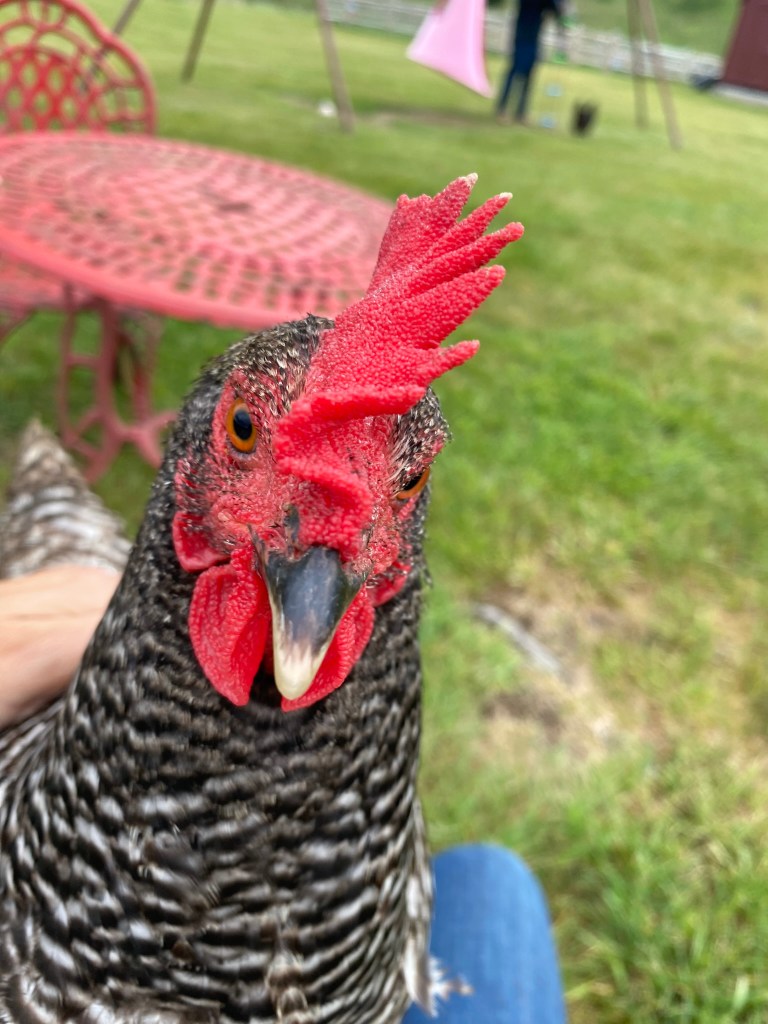
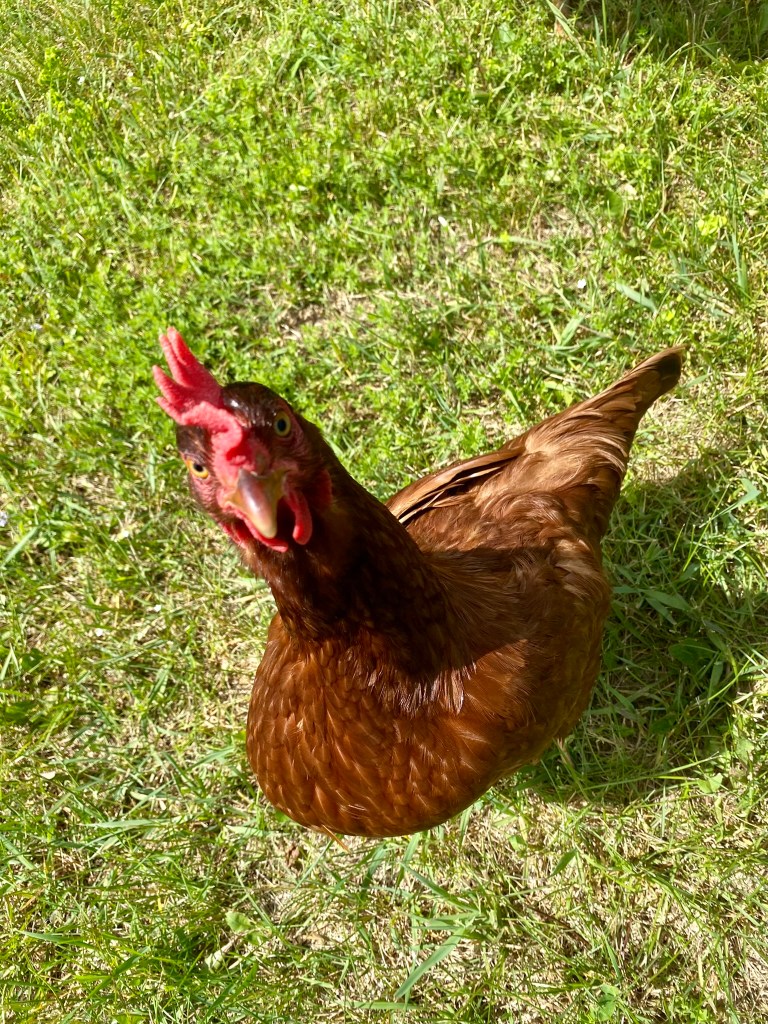
    Beverly, our favorite derpy hen

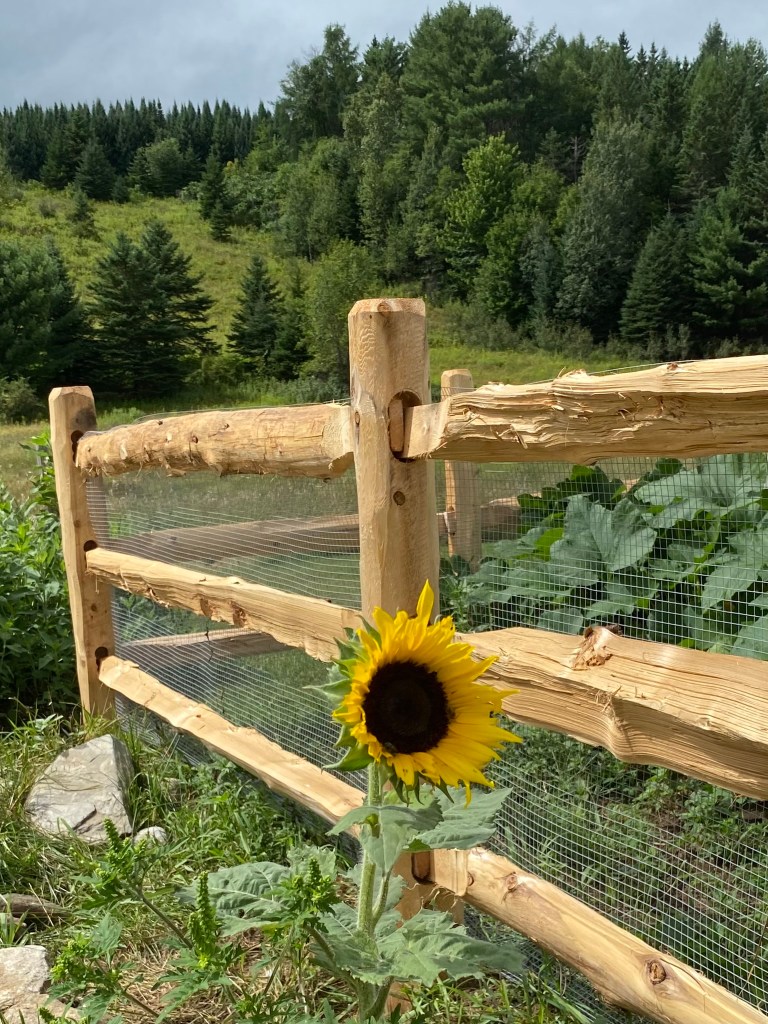
    We didn’t plant our garden until our second spring in Vermont. By then, we were settled enough to have the time and energy for it, so we launched in by purchasing raised beds, tilling the space where the original garden was (laden with a beautiful dark soil), erecting a wooden fence lined with hardware cloth around the entire perimeter, watching YouTube videos on gardening for beginners, and going to the local nursery (a beautiful place called Houghton’s) to buy sprouts.

    I didn’t even know sprouts existed. I thought everything had to be grown from seeds!

    Just wee little cucumber sprouts. Aren’t they cute?!

    In our enthusiasm, we didn’t hold back, either. We bought lettuce, celery, herbs, strawberries, pickling cucumbers, and blueberry bushes, among other things. We had no idea if anything would make it, so we purchased more sprouts than we needed–way more than we would be able to consume, it turned out.

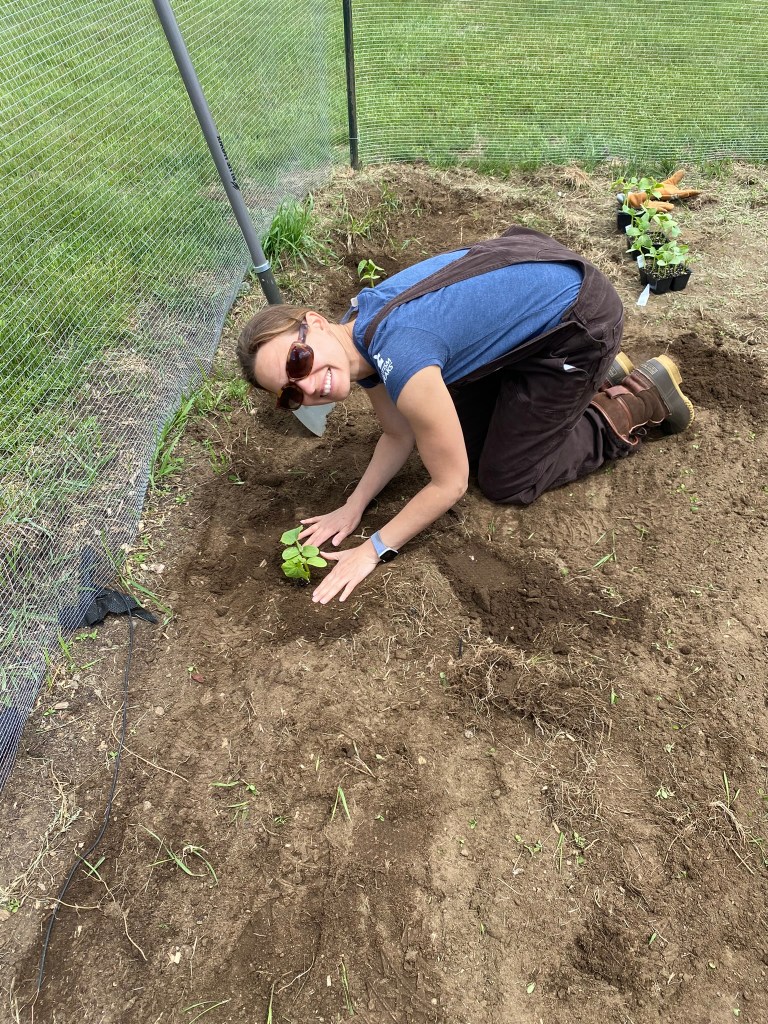
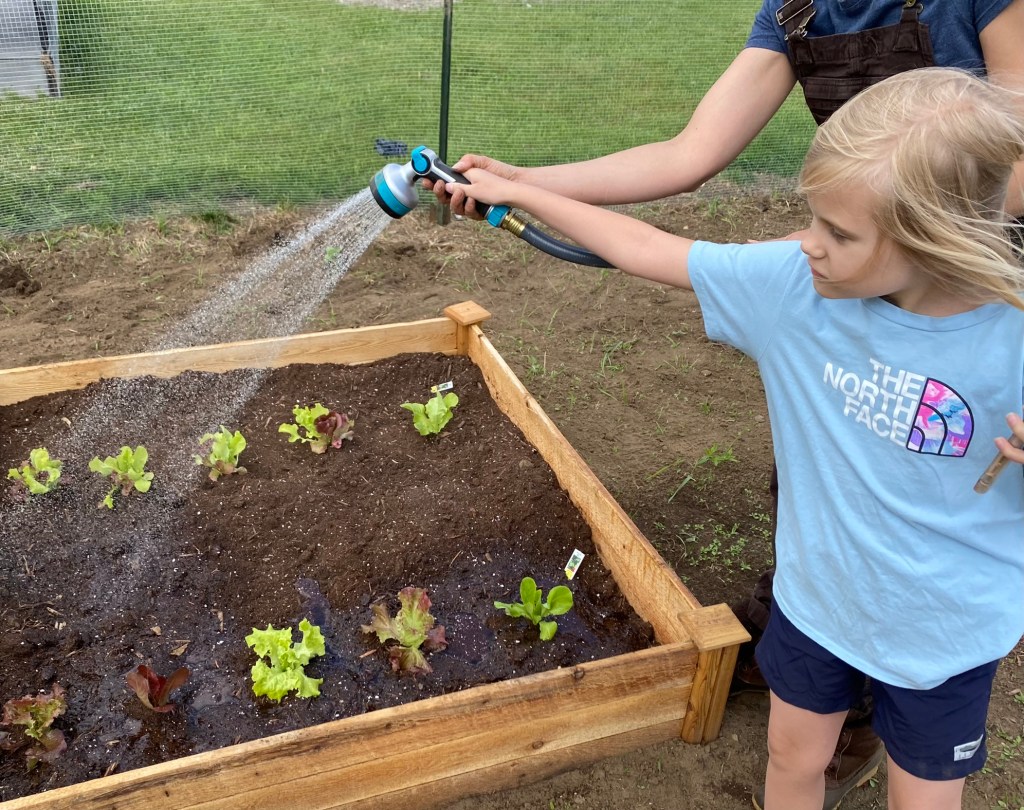
    Then we dug our little holes in the garden beds, placed each sprout in the gorgeous compost we’d cultivated over the past year, patted the dirt around the delicate roots, watered everything, and waited.

    Daph did a great job helping

    I couldn’t believe how easily and quickly everything grew.

    Little cucumbers!
    Gorgeous strawberry
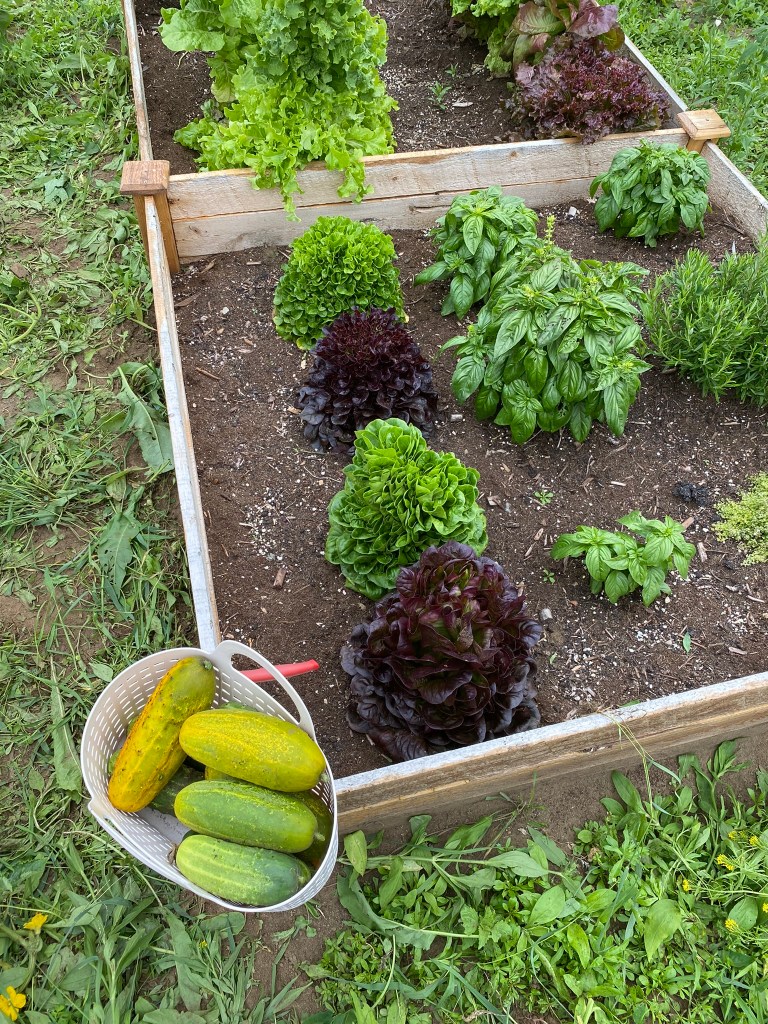
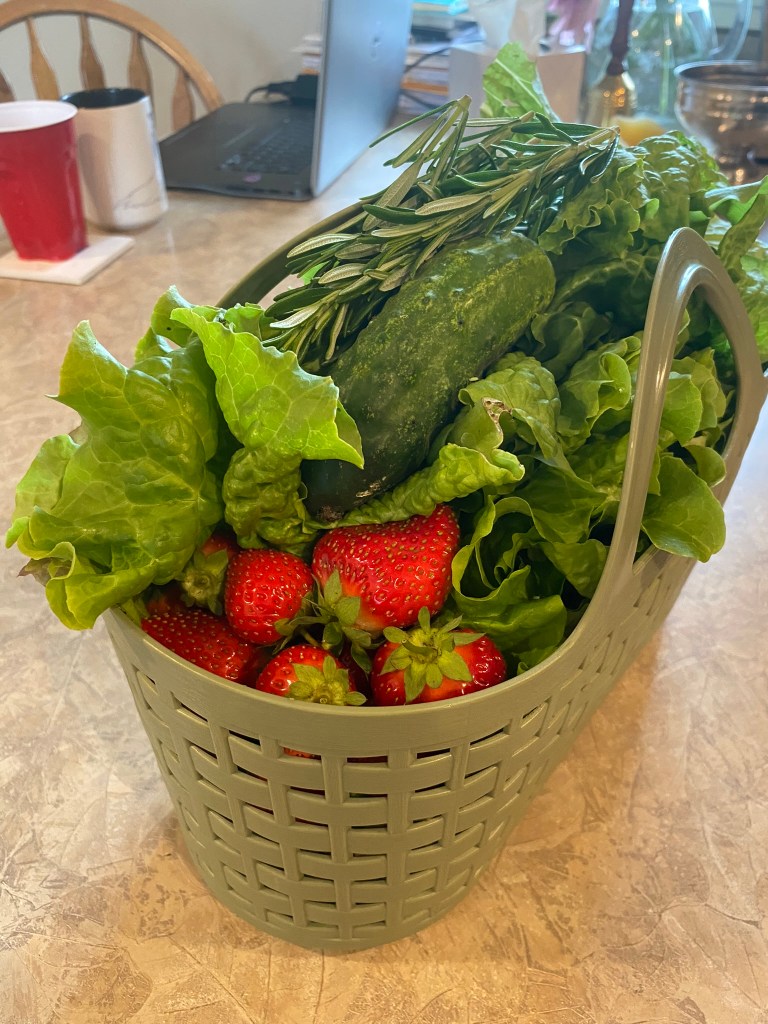
    Delicious lettuce, herbs, and nearly-overripe cukes!

    Really, I thought there was some mystical art or technique to gardening because, c’mon. Me, grow strawberries? I could barely keep houseplants alive. Why on earth would I have a green thumb? How were we going to grow fruits and vegetables smoothly and successfully? Though I was game, I was definitely skeptical.

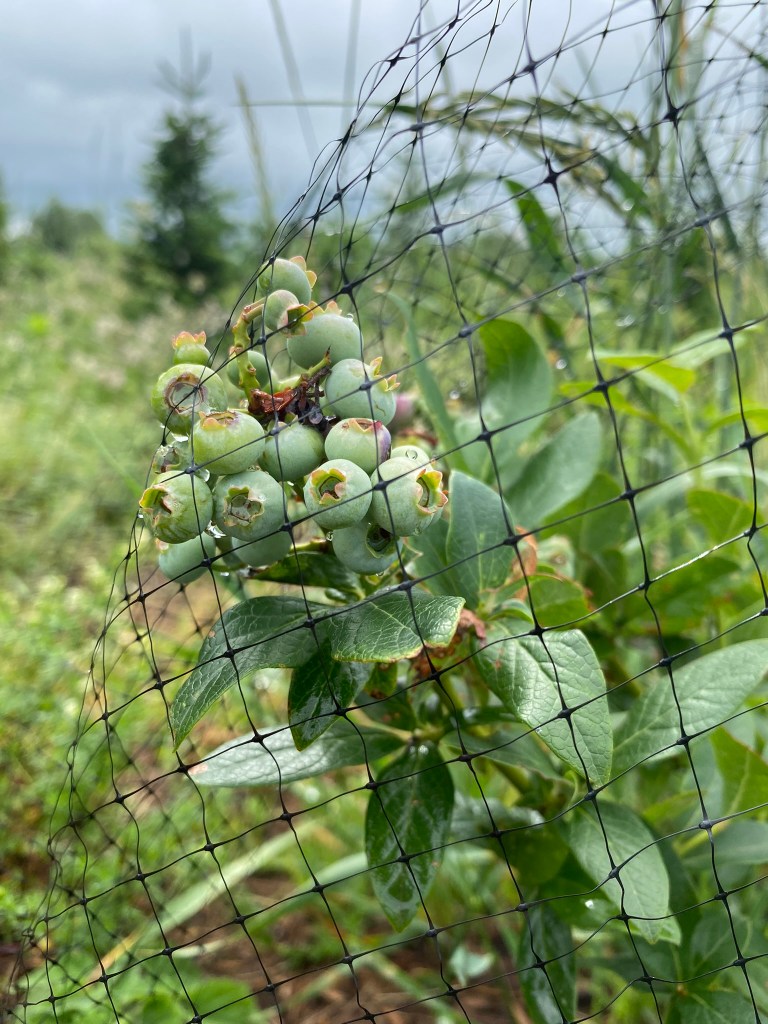
    Blueberries netted against the birds

    But I realized how easy and natural it was.

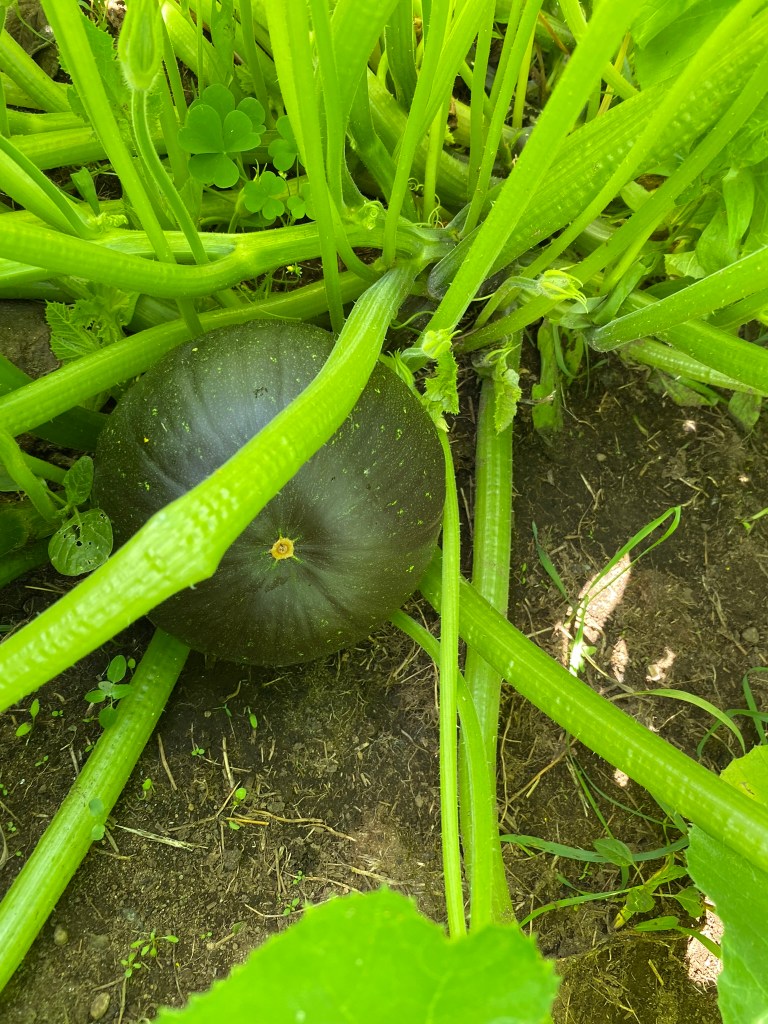
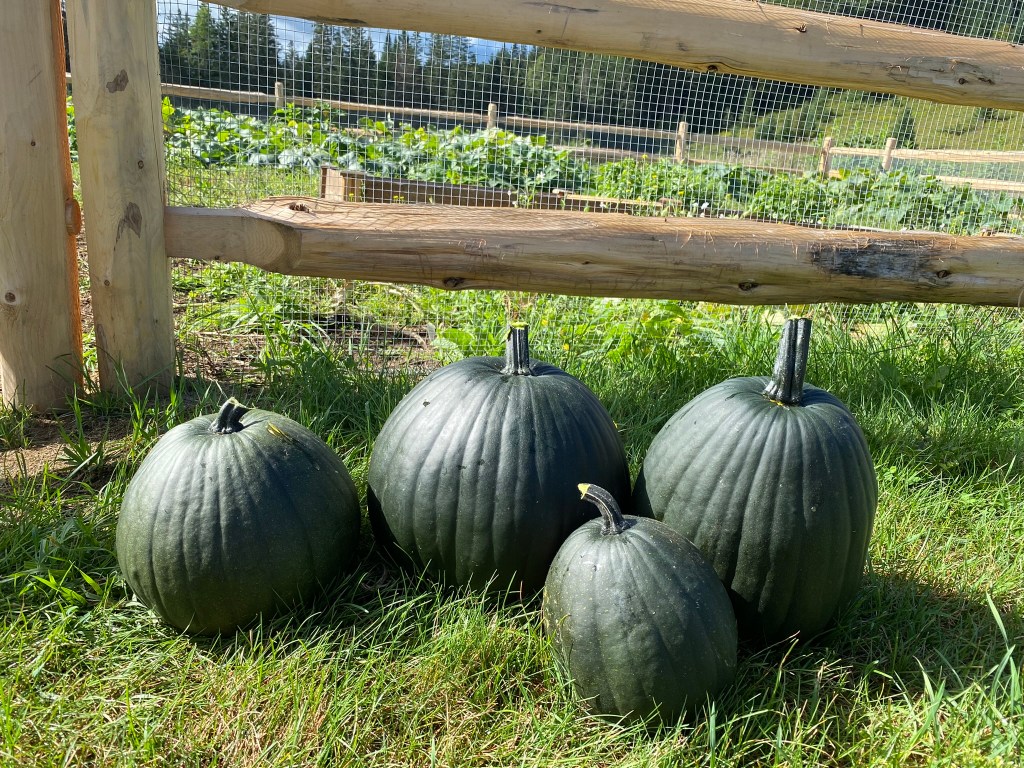
    Pumpkins! We didn’t even plant these–they were already under the soil, apparently, and finally had the space to grow again! They taught me all about garden surprises–when something comes up that you didn’t plant!

    It felt miraculous, actually, when I clipped my first big, beautiful cucumbers. It’s a ridiculous thing to say, but it underscores how disconnected we were from real food and how it’s produced, like so many millions of Americans are.

    This blew my mind!

    We were actually nervous the first time we harvested anything for dinner.

    “We just rinse it and eat it?” I asked about the lettuce Jer had plucked, trepidation in my voice. “We don’t need to do anything else to it?”

    “Nope,” he replied, hands up, chuckling. He looked nervous too. “I think that’s it.”

    Yes, that was all there was to it.

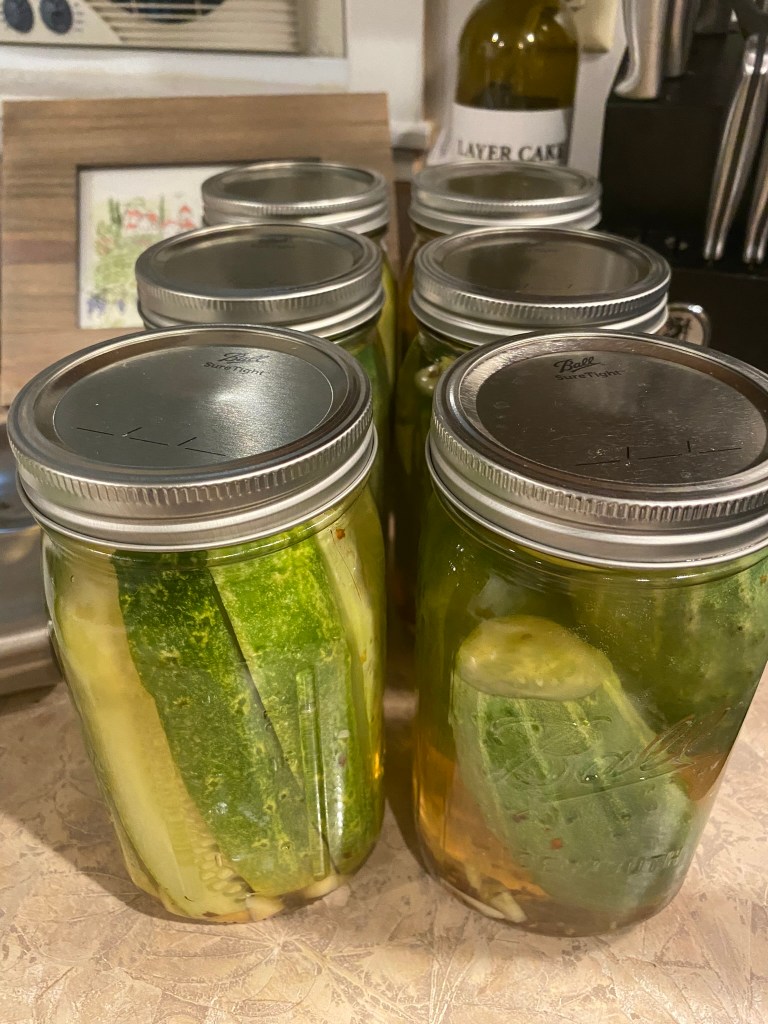
    So many cukes to pickle!

    I loved our garden, especially that initial summer.

    Delicious homemade dill pickles! I’m still eating them!

    We were so conscientious about watering and weeding it. I discovered, too, how good I felt down on the ground, under a bluebird sky, my hands in the cool dirt, pulling out camouflaged weeds and deadheading old blossoms–culling the old and unwanted and encouraging the new, essentially. Feeling creative and in control. What’s better than that? The exertion in the fresh air and the feeling of accomplishment got my endorphins going, and I began to understand why people find gardening therapeutic.

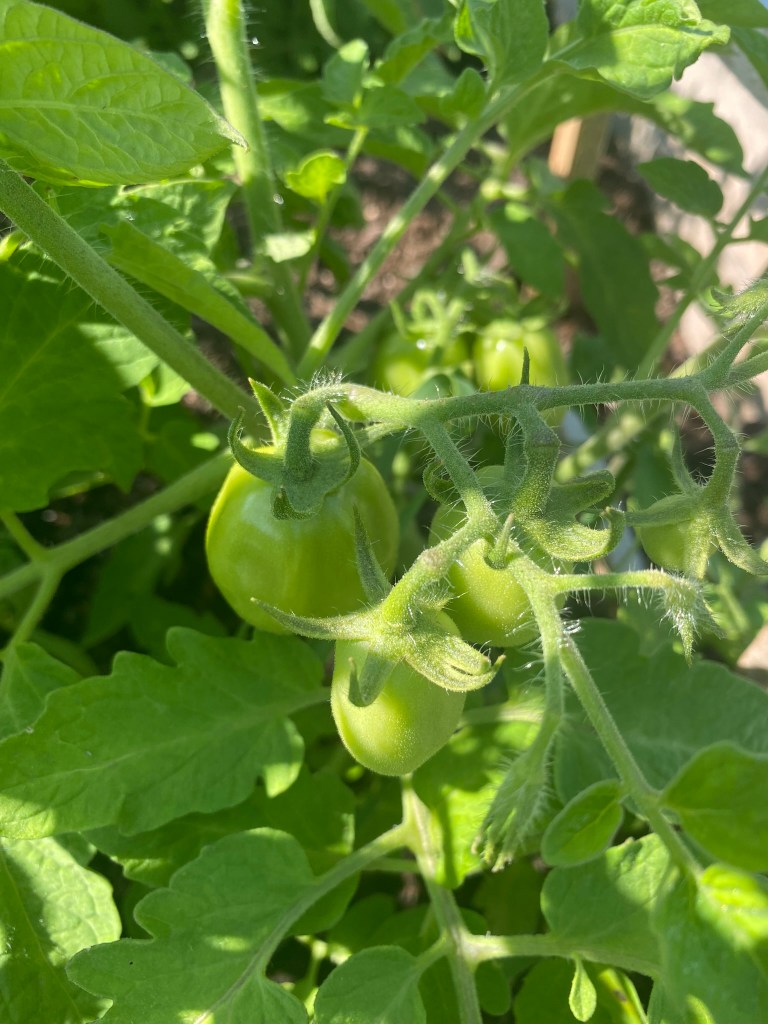
    Baby Roma tomatoes
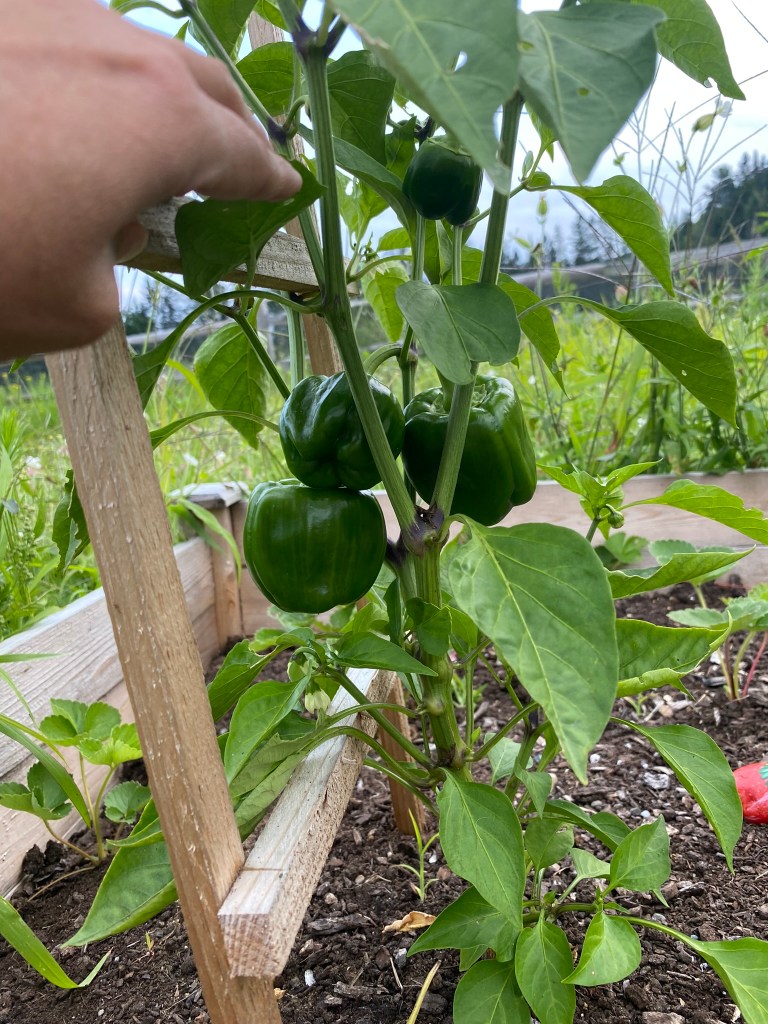
    Peppers!

    In fact, according to the Mayo Clinic, gardening reduces stress and anxiety because it’s gratifying to tend and share your own food, and it provides a rewarding and even “soothing rhythm” that gets you into the sunlight (lowering your blood pressure and increasing your Vitamin D levels) while allowing you some quiet time “to slow down, plan, or mentally work out a problem.”

    Perfect, right? Something we should all do, even if it’s only on a small scale, right?

    Absolutely.

    My pride and joys

    We gardened happily and successfully for two years–the summers of 2022 and 2023.

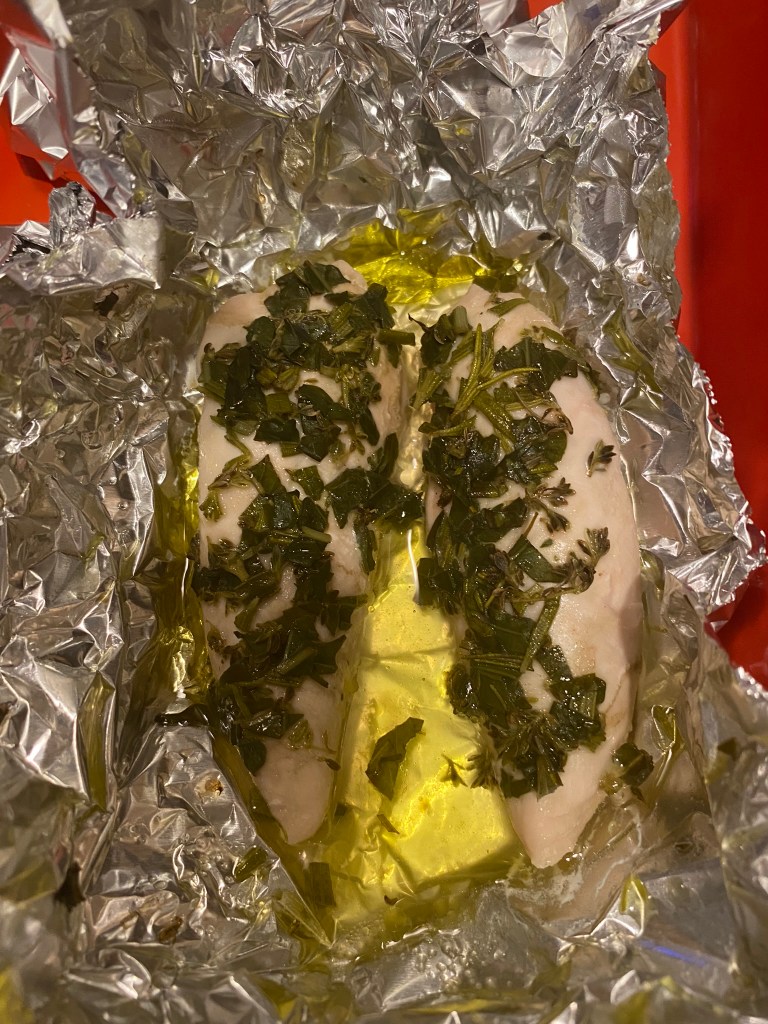
    Cooking with fresh herbs–the difference in taste is incredible!

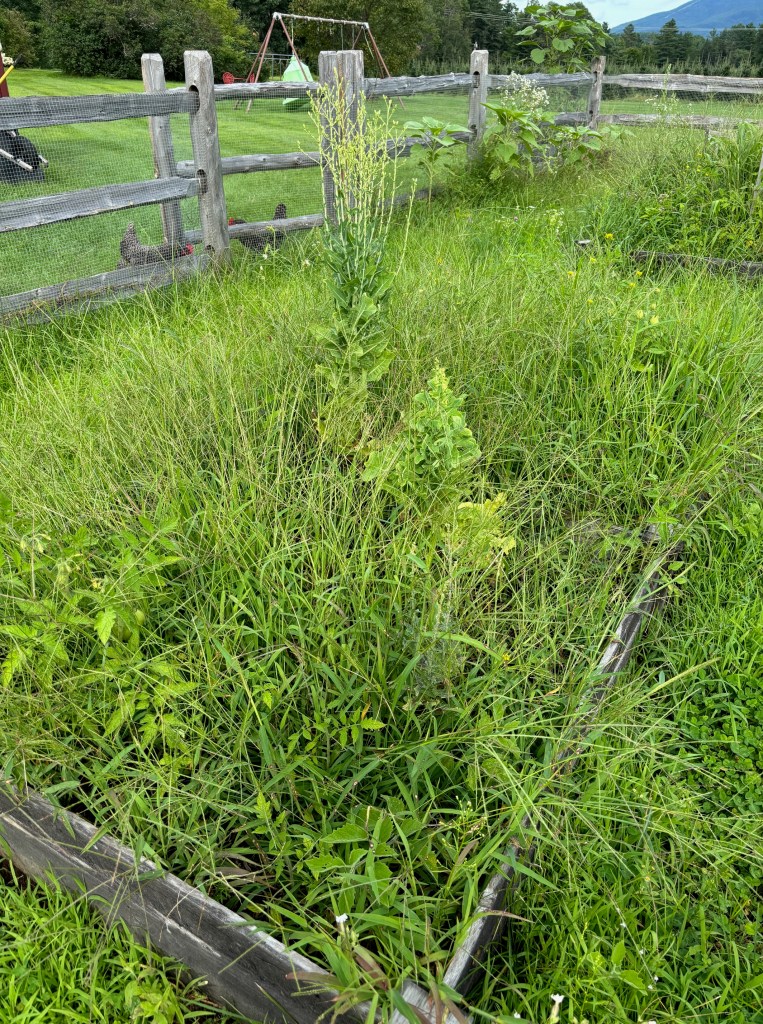
    This year, well, we had the same good intentions but… not the same amount of time. And this is what’s happened.

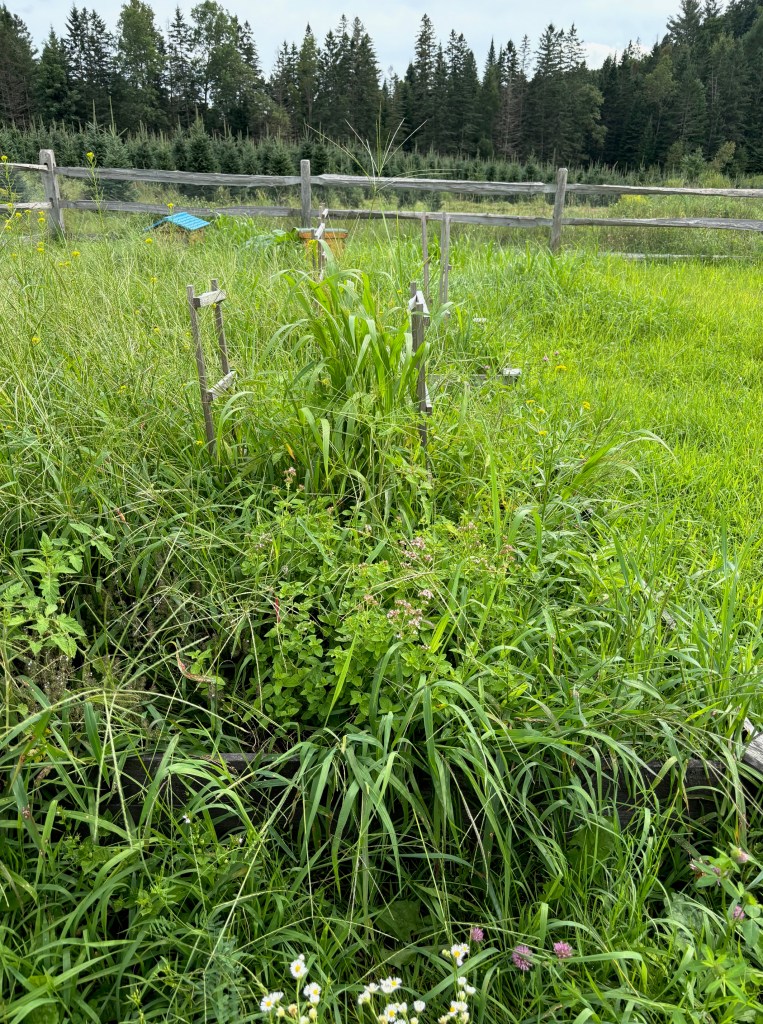
    This was our herb and pepper bed. You can still see the oregano, which I really need to salvage.

    Daphne’s behavior has been so challenging this summer that I can’t leave her unsupervised to dash out and weed or water while Jer works. I haven’t gotten up early to do it, either, because she’s been up early herself or I’ve had to sleep later from staying up late indulging in things I need to do for me, like writing and reading. I would love to garden at night, but one can’t tend a garden in the dark, unfortunately.

    This was the lettuce bed. I wish I could weed in the dark.

    It’s sad because gardening would really have helped me feel better, especially during that excruciating period of my daughter’s incontinence about two weeks ago. Alas, there’s no one to watch her so I can get away for a brief, therapeutic respite.

    That’s not entirely true. We had my parents and in-laws here for several days, and I did not take the opportunity to get out there and bring some order to the weedy chaos.

    At that point, it was just too overwhelming.

    Nor did I take that time to treat our hens for mites and clean out their coop.

    Get it together, Mom!

    Which is why, right now, I’m feeling like a fraud. Can I call myself a homesteader, or even a lover of gardening, if I’m not making the time to do these things properly?

    Sure I can. A bad homesteader. 😦

    I’ve lost a lot of my initial enthusiasm, I admit, over the course of this exhausting summer, and it makes me sad when I think about the optimism with which we started our new garden in late spring, as usual.

    *Sigh*

    I’m trying to give myself grace. We all go through periods of ease and periods of trial, I realize, and our energy levels are never entirely consistent. We’re not robots.

    In the grand scheme, it’s all ok

    Still, I look at those horrible beds and feel like I’ve let all of us down, to a certain extent.

    Oh well.

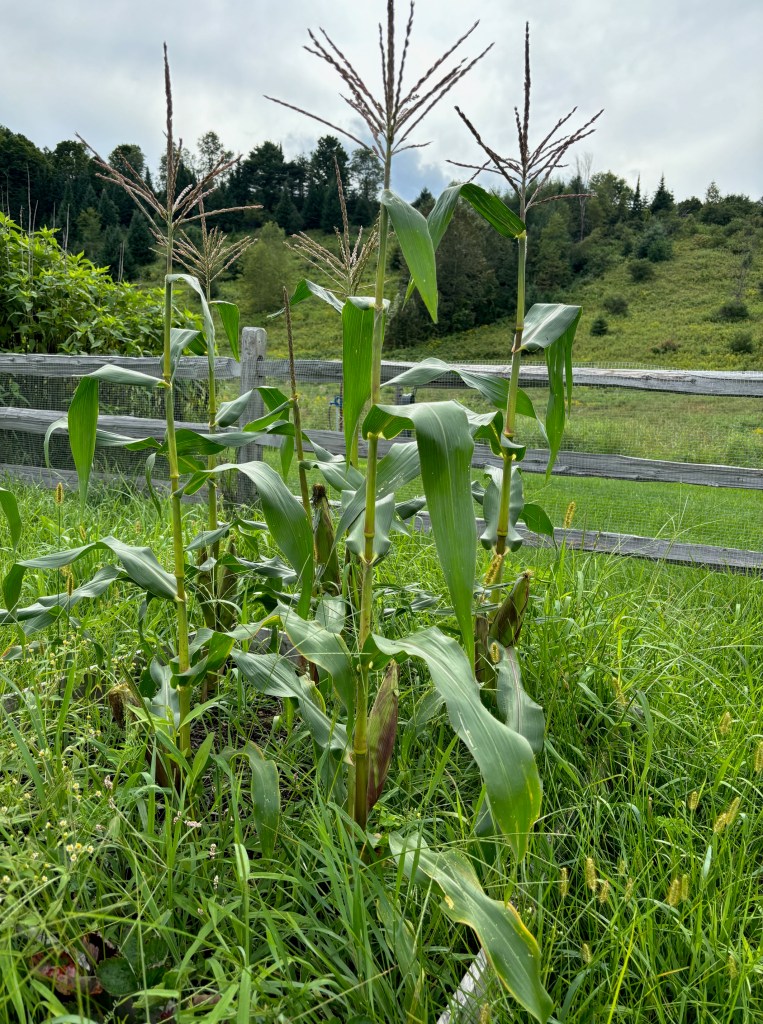
    On the bright side, the carrots, Roma tomatoes, and corn are growing despite the strangulation the weeds are attempting, and it looks like I’ll have my own cornstalks to use in my fall decor this September, which is awesome.

    Those tomatoes look ok…

    Still, I’d hoped for better.

    …As does the corn

    I’ll type it again. Oh well.

    Next year will bring with it another summer, another garden, and another opportunity to start over. Gardening is cyclical, after all.

    Do you garden? I’d love to hear about it. What are your success stories? Your favorite things to grow? Are you gardening this season, and how’s it going? If well, then please, let me live a little vicariously through you.

    Much love, as always.

    XOXO,

    Jenn

  • Literal Rainstorms and Metaphorical Sunsets

    Hi! Thanks for being here. Last week I promised to give you a writing update and I absolutely will, but first let me note another difficult day for my Vermont community.

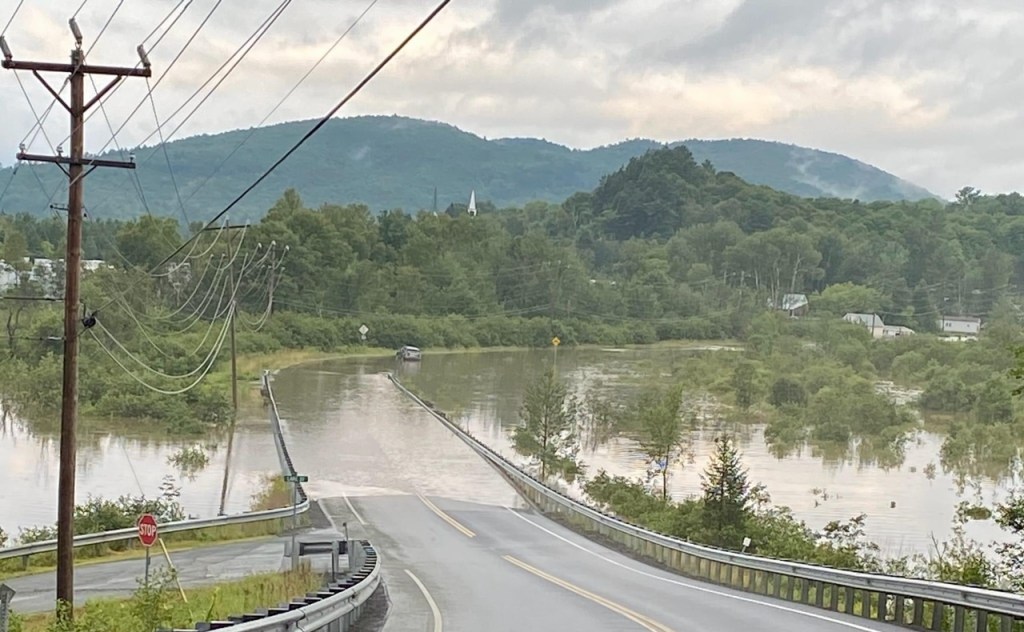
    Last night, our little part of the Northeast Kingdom suffered yet another torrential storm. The rain–unexpected, I might add, since nothing in the forecasts indicated it was coming–dumped down on us so hard it woke everyone up. At one point, it reached an intensity that made me wonder if our old farmhouse could stand it. There was no wind, but the rain pounded down in leaden sheets.

    It’s still strange to hear heavy showers up here. We used to joke about how adorable Vermont rain was–so gentle and nearly-invisible compared to the deluges of the Gulf Coast. The ground used to dry faster than any I’d ever seen, leaving no trace of precipitation.

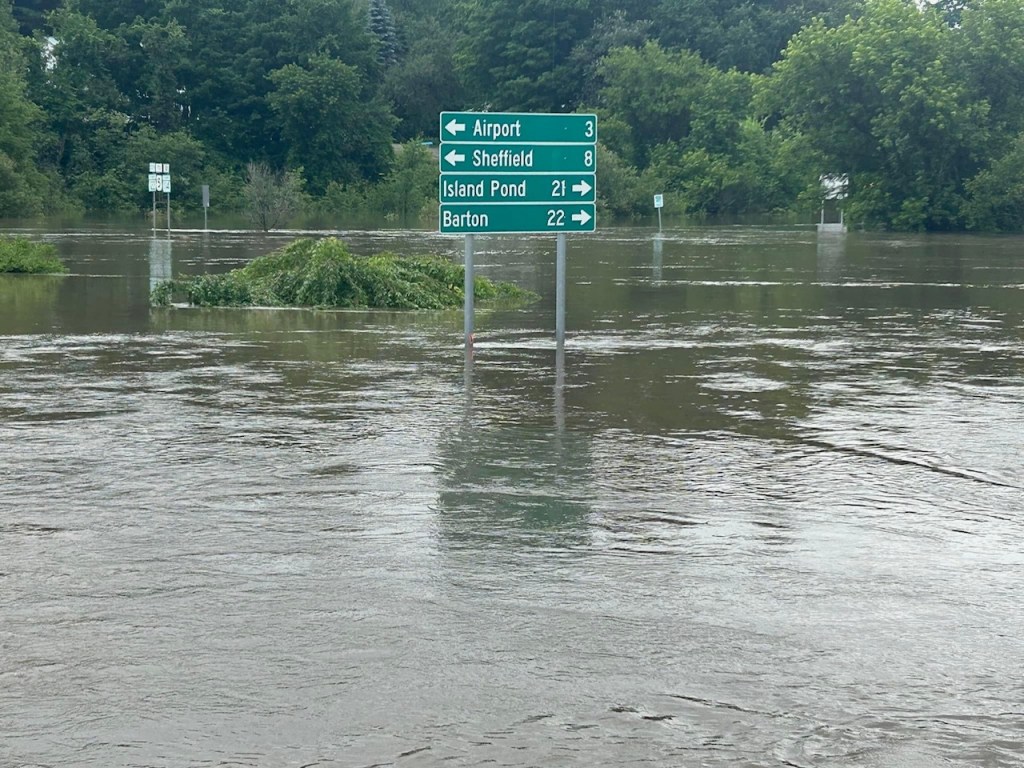
    Entering Island Pond (photo posted to Facebook by local resident)

    I can’t say that anymore.

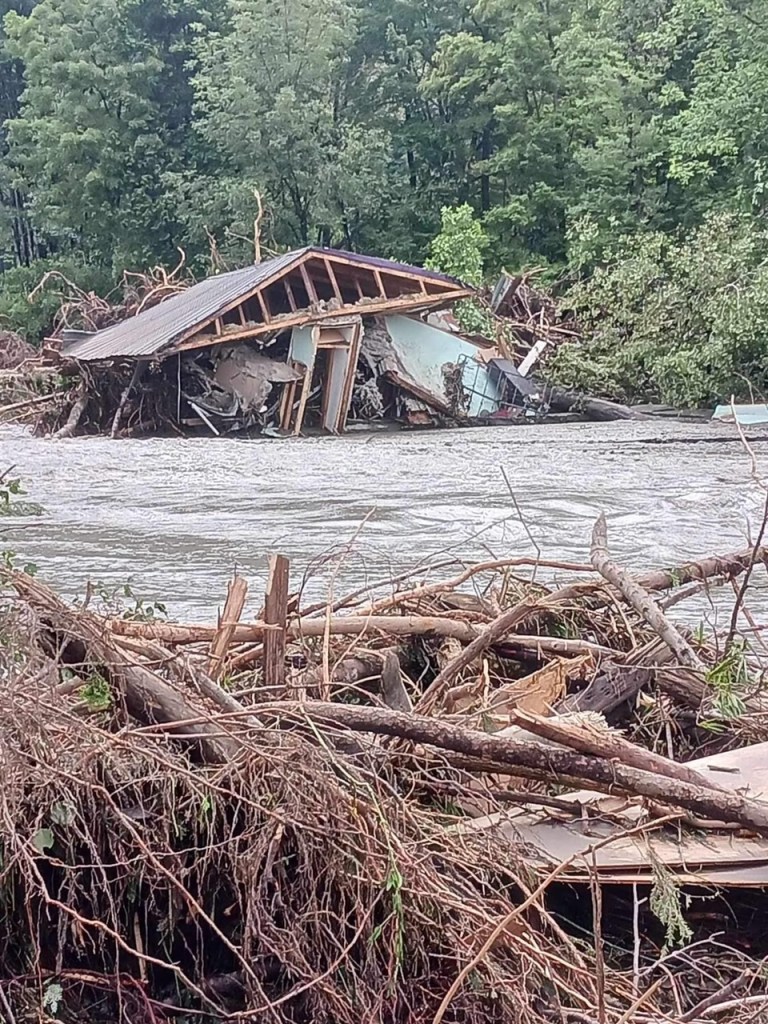
    Just beyond our town (photo posted to Facebook by local resident)

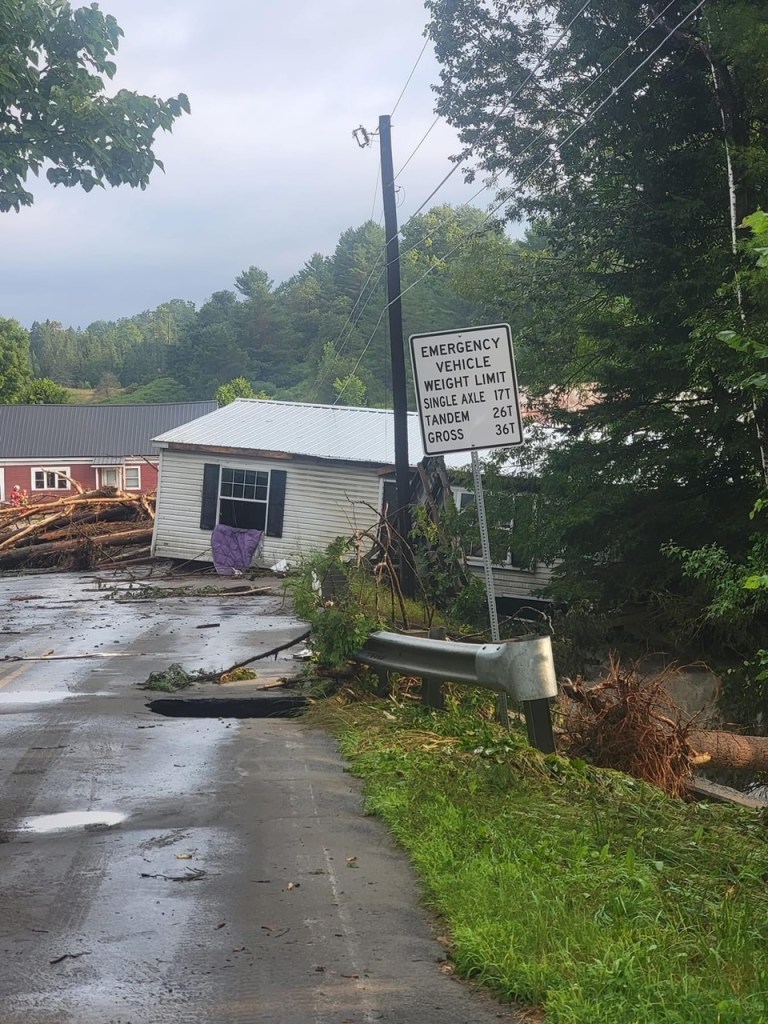
    Thankfully, this storm spared our town of Lyndonville from additional flooding, but the areas around us are devastated–high water, plus roads, vehicles, and houses washed away. Livestock lost, I’m sure.

    In Saint Johnsbury (photo posted to Facebook by local resident)

    A local weather report noted the total inches of rainfall set a record high for the entire state. It’s surreal, and it looks like this increase in rain might be our new normal. Again, I find myself wondering how people can question climate change…

    I also have to smile a little bitterly to myself. I was arrogant and naive in my assumption that moving here, to lovely, landlocked, cool-climate Vermont, would shelter us from the worst of the freak weather. How wrong I was.

    Just beyond our town, near Severance Hill (photo posted to Facebook by local resident)

    My heart is with our neighbors and fellow NEKers affected by this second awful storm. We will do whatever we can to help anyone in need.

    Moving on to writing… I realize how ridiculously lucky I am to be able to type that…

    Last week was the final week of the Writer’s Sanctuary’s Virtual Summer Writing Camp, and I had a great experience.

    Everyone in our cabin, Flower Power, got this badge

    As I mentioned before, camp was a month long, and it consisted of two meetings per week: one write-in where we all worked on our pieces during timed sprints and then debriefed about our progress, challenges, etc.; and one critique session, where we all got together to discuss the feedback we’d already typed in the margins of our cabin mates’ Google Docs. So, we met a total of eight times, and over that period I got to know my group members well. I also received essentially free developmental and line edits on my piece–mega hooray for that!–and I was so happy with the revisions that I’ve already submitted my story to one publisher for an anthology. I’ll keep you updated on that.

    I did, in fact, complete my goal for my work-in-progress: to edit for submission

    That first week of camp, though, after our initial meeting (a write-in), I was a tad concerned. It’d felt awkward among the four of us, and our cabin leader, talented writer and editor though she is, struck me as shy and hesitant. I’m not great on Zoom myself, so I don’t blame her. It always feels like there’s a split-second delay between what you say and what your fellow attendees hear, and I still never know quite where to look when joining a meeting or during the lags in conversation. Goodbyes can be uncomfortable, too. All of that was compounded by the fact that the four of us were basically strangers to each other.

    No one looked *quite* that uncomfortable, thankfully

    Our second meeting (our first critique session) was vastly better. I’d genuinely enjoyed reading my cabin mates’ 1 k samples and preparing my compliments and suggestions, and I was thrilled to hop onto Zoom and tell them all how much I enjoyed their work. Everyone agreed they’d loved reading all the samples, too, and thus we cracked the ice.

    It so happened that we all submitted pieces different in genre and style, and the variety was satisfying. One lady submitted a first chapter from her Young Adult fantasy featuring a bottled message from the main character’s deceased fiancee directing her to Neverland. Another lady submitted the first chapter of her contemporary romance (in that high-pathos Nicholas Sparks-style), the premise of which sucked me in. The third lady, our cabin leader and the most experienced one among us, submitted the first chapter of her spicy Bluebeard retelling. I was the only one who didn’t offer an excerpt from a novel. I submitted instead the first part of a character-driven ghost story I drafted last September, having decided it wasn’t terrible and might be worth something with a little bit of feedback.

    The critiques were my favorite part

    That first week–and over the course of the entire camp–everyone was kind and complimentary yet thoughtful and helpful in their suggestions. They raved over my descriptions and pacing, and my only critiques that first night were about a few awkward sentences and the murkiness of my story’s genre.

    I was pleased to discover after that first week, too, that I could hold my own in our group. I’d feared my piece would be amateurish compared to the others’ samples and that I would struggle to give helpful suggestions. That would not be the case, I realized, and I was relieved and enthusiastic for the remainder of camp.

    I felt, in short, like I truly belonged. Not just in my cabin but in the larger world of writing, and the feeling was validating.

    More specifically, our cabin meetings felt like the type of small writer’s group I’ve always wanted to be part of. Hearing people gush regularly about my work didn’t just bolster my confidence and renew my energy, it also reminded me again of how important consistent feedback is. We think we’ve translated clearly to the page exactly what’s in our mind only to discover we haven’t, and once someone points this out to us, it’s clear as day. There is a certain inevitable blindness that all writers experience, so we need this specific, regular, and reliable feedback. Certainly, writing to publish is not a solitary endeavor, and my cabin mates pointed out details and phrases I would never have realized on my own were confusing or underdeveloped, despite the fact I’d gone over my story several times even after spending ten months away from it.

    Has my self-editing made this better? Worse? Is the entire thing even decent?! I just can’t tell anymore.

    I took probably 95% of their suggestions, and the draft I ended with was definitely clearer and more powerful. It felt good to achieve this improvement, too, without paying an editor a ton of money.

    Taking turns critiquing also made the entire experience feel comfortably equitable, unlike the one-sided dynamic between a writer and her editor, where the writer can feel relatively inferior and powerless.

    Finally, the camp critiques reminded me that everyone’s early drafts need improvement–even the drafts of experienced authors who have published fifteen books. This reassured the novice in me.

    That last session, as the sun set metaphorically on our final meeting, I was genuinely sorry to say goodbye to Cait, Charity, and Colleen. We promised to keep in touch, however, and Cait has been kind enough to share more of her working chapters with us simply because we want to find out what happens next. If my little ghost story, “Hello, Dear,” gets accepted anywhere, the first thing I will do is message these ladies to say thank you.

    There’s an ache in my chest just thinking about this experience being over

    Have you ever been part of a small writer’s group? What was your experience like? What positives did you take away from it, and what negatives, if any, did you struggle with? I was lucky TWS placed me in such a good group, but I know that’s not always everyone’s experience, and I’m wondering what the drawbacks are and if even they can yield some kind of surprising benefit.

    Have a great end to your July, and I hope your summer sails smoothly into August.

    XOXO,
    Jenn

  • Mama Potty Melodrama

    Hi! I hope all’s well for you.

    I mentioned a while back that our autistic daughter’s had some recent toileting trouble. It’s not uncommon for her to have an occasional accident when her routine changes, and such was the case early this summer. Gone was her typical school day, after all, and despite the visual schedule I implemented, one day to another here at home has varied quite a bit.

    No biggie, really. Par for the course, I figured.

    Evening of July 4th, after she had an accident sitting in our neighbor’s camping chair

    However, about two weeks ago–the day we drove to Saratoga for our overnight trip–Daphne started having multiple accidents. Four a day on average, and there didn’t seem to be a clear pattern to them. She had them when she was fidgeting or dancing around, she had them when she was sitting still, she had them in bed. She had them if we were playing and talking to her and if she was momentarily alone.

    Oh, God… please don’t pee in that hotel bed!

    Suddenly, I was scared.

    Can she not feel it all the sudden? I thought. Has she suddenly lost control for some terrible physical reason? Is there something neurological going on?

    My fears weren’t helped by the fact that, a day after we were home from our quick trip, we took her to Get Air, a trampoline park in the Burlington area, and she only jumped for about an hour instead of her usual two. Toward the end of that hour, she took herself into a quiet spot and laid down, pointing to her head.

    “Does your head hurt?” I asked her.

    She signed “Yes.”

    And she’d been saying “Head hurt” on her talker for a while.

    I was sick to my stomach.

    Brain cancer floated through my mind. As did horrible scenes of hospital rooms and Daphne in bed sedated, pale, wasting away, her thick, beautiful blond hair gone. Giant Frankenstein stitches in her little skull.

    Every parent’s worst nightmare.

    I know this sounds ridiculous and melodramatic. But one of the hardest parts of her autism right now is our near inability to provide her basic medical and dental care.

    She resists doctors, dentists, nurses, and hygienists. I do what I can to prepare her for appointments by using social stories, books, and practice sessions playing dentist and doctor, and it helps, to a degree. I think she has a basic understanding of what goes on during these visits, and she’s good about allowing me to brush her teeth and pretend to listen to her heart with our play stethoscope. But the medical people aren’t me. The real setting always feels different, and she can’t help but be wary given her sensory sensitivities and slower pace in understanding how the world functions. So, though she’s not aggressive with anyone, she only allows the medical and dental staff to do a fraction of what they ought to. She’ll let the dentist get quick glimpses into her mouth; she’ll let the hygienists brush her teeth with a regular toothbrush; she’ll let nurses weigh her and measure her height; she’ll let the doctor listen briefly to her chest and back and maybe look into her eyes and throat. That’s about it.

    As a result, she hasn’t had a thorough medical checkup in years, not since she was a preschooler. She’s never had a full teeth cleaning.

    So, I’m never 100% sure she’s entirely healthy. Plus, she can’t tell us precisely if something hurts given that she’s nonspeaking. We go by the major signs, then–temperature, appetite, sleep habits, energy, mood, physical growth, and hair/skin quality. All fine, usually. But you can see how her sudden incontinence and odd behavior would worry me.

    Trying to play it cool… no worries here!

    I told myself, hang in there. Her Well Child checkup is in five days. Talk to her pediatrician and see what she says. Hopefully, Daph will get back on track before then.

    But she didn’t, and I agonized about what the doc would recommend. Were we going to have to submit Daphne to several tests? Even blood work would require either physical restraints or sedation. The idea has nauseated me ever since a nurse practitioner fretted about sending Daph on to the ER a year or so ago when she had a lingering fever.

    “How would they sedate her?” we’d asked.

    “Ugh, probably with ketamine?” replied the poor, harassed, overwhelmed woman, who was working the Urgent Care that Saturday all alone except for a nurse receptionist. “I don’t want to think about it. It’d be terrible, traumatizing.”

    Oh Jesus.

    I’ve had a fear of hospitals for Daphne ever since.

    So that was simmering into a brew of terror in my poor mind. Her dad’s too, I think, though he was trying to be rational and reassuring for me, insisting he really saw no indication there was anything serious going on that would warrant such tests.

    It’s all ok, honey

    I hoped he was right.

    My nerves were frayed by Thursday night, however, the evening before her 8 am checkup. I was so worked up that I lost it on my poor husband, who’d raised his voice to reprimand Daphne for stomping too hard on the floor. I yelled and cried, exclaiming that I couldn’t take all the unpleasantry anymore. We didn’t speak to each other the rest of that night.

    *Sigh*

    Luckily, this little tale has a hopeful ending.

    Daphne’s pediatrician, Dr. Reynolds, was wonderful, despite the fact that the entire hospital was freaking out Friday morning over Crowd Strike’s worldwide internet outage. She was sweet, warm, and listened carefully to my descriptions and speculations. She was quick to tell me everything I’d said sounded normal… I hadn’t heard such sweet words in a while.

    Long story short, the doctor agreed that the toileting regression was probably caused by a combination of things, both circumstantial and physical, the physical one being constipation since, if a child’s bowels are full, that can press on their bladder and cause accidents, this being especially true for a child already struggling with sensory challenges. She concluded this based on my report that Daphne had passed a large, painful stool the day her continence plummeted. The doc recommended prunes and pears and an over-the-counter laxative if those weren’t working, and for us to observe the quality of Daph’s excrement so we could tell if she was regulating or remaining constipated (apparently, a “soft, feathery log” is what we’re all aiming for, lol). She predicted Daphne would get back on track once her BMs were more regular and healthy. She was also able to tell me that Daphne’s growth over the past year has been fantastic, and she had no concerns at all in that area.

    A weight certainly lifted, and I’m sure my mood reflected that. The next day, the number of accidents went down, and Daph continues to do better. We’ve had a few days, including yesterday and so far today, where she hasn’t had a single accident, though we’ve gone back to setting timers and constantly reminding her to sit on the toilet the way we did when we potty trained her years ago. It’s tiring, but that’s ok. I’m feeling better about things, and so is Daph, I believe. She’s even eating the pears I bought her, bless her heart.

    See? Nothing to worry about, Mom

    So it goes as an autism family. Even the basic things feel incredibly difficult sometimes, but we forge ahead.

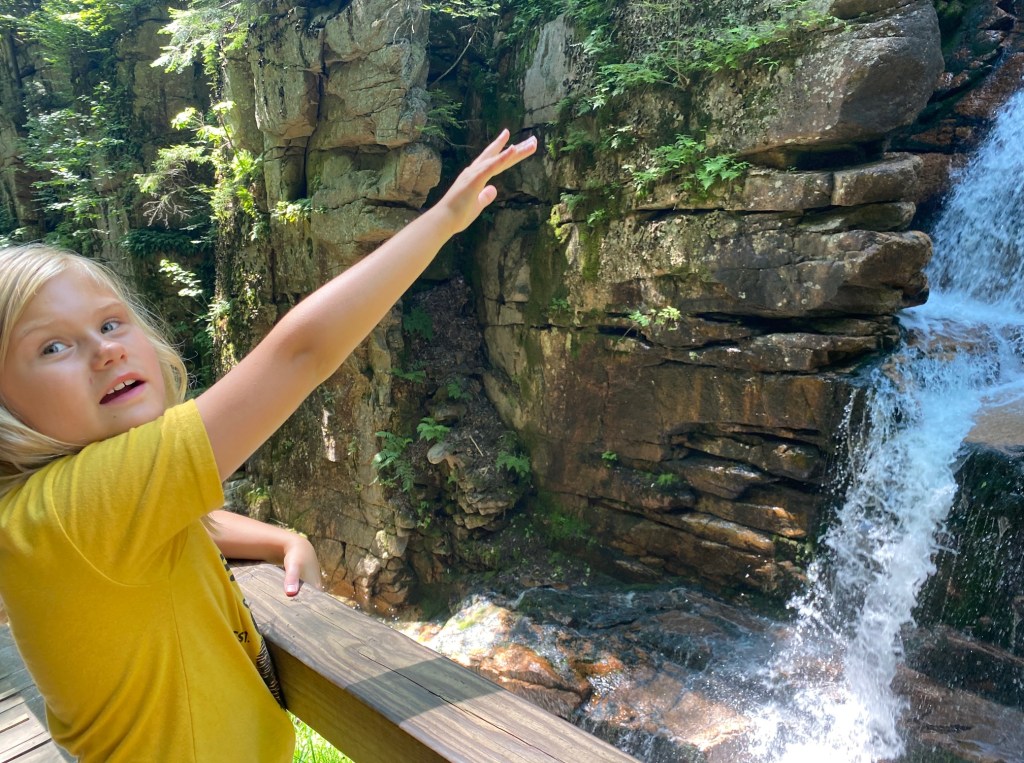
    As if it were a sign that things are looking up (at least for now), we had a fantastic family day on Saturday hiking a gorgeous waterfall trail, the Flume Gorge, in New Hampshire’s Franconia State Park. Daphne had a blast–she was fascinated by the main waterfall, and she loved climbing up and down the rocks all along the path. She was smiling and giggling the entire time, and she even found a stick that made her so excited she said “stick, stick, stick” over and over on her talker. She’s never been so happy and engaged on a hike, and it was beautiful and uplifting to see.

    This is so cool, Mom!

    And she didn’t have a single accident all day.

    It’s the little things that make us happy, isn’t it?

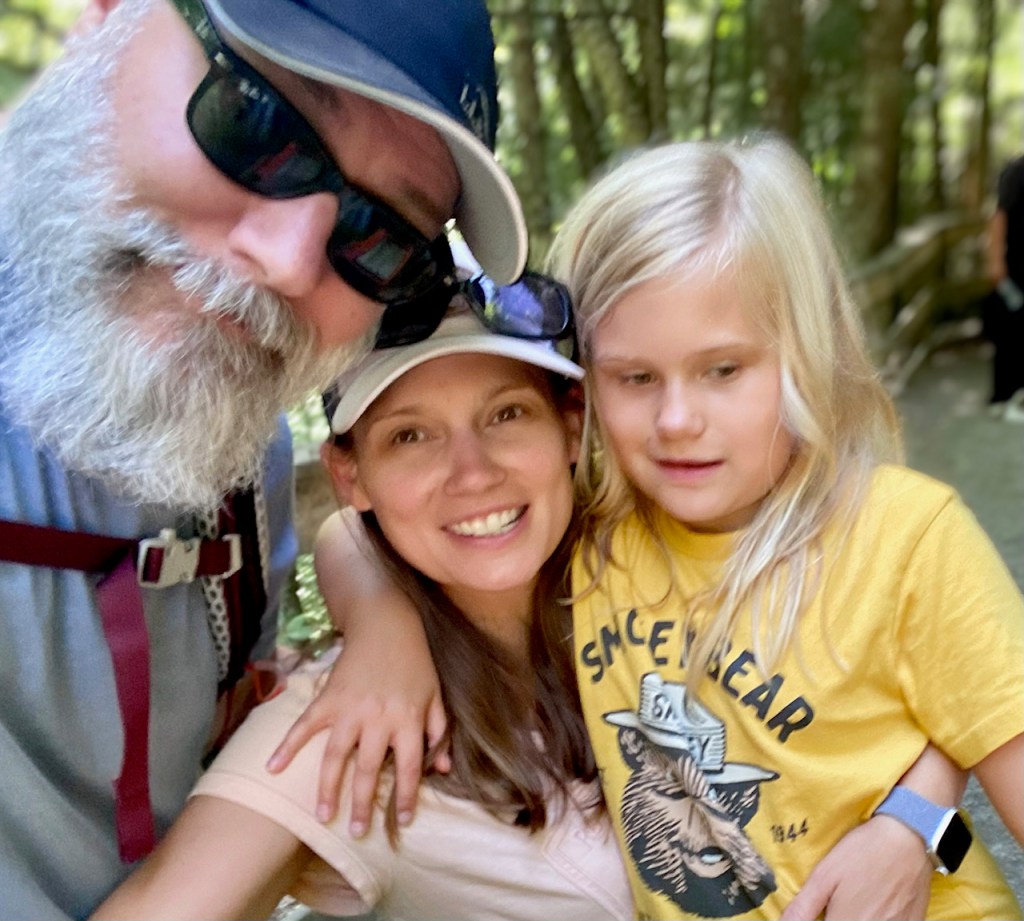
    A fantastic family day… we were due for one

    I’ll be back on Thursday for a writing update. I’ve decided to try something different–I’m planning to post twice a week (Tuesdays and Thursdays) in an effort to shorten my posts but still relay everything I want to share.

    So be on the lookout for writerly things in a couple days. Specifically, an update on my experience attending virtual writing camp (it’s been great!).

    For now, be well, and thank you for reading. As always, feel free to comment and share your similar experiences. If you’re a special needs parent–or even just a parent, period–I’m sure you can relate.

    Much love!

    XOXO,
    Jenn

  • Summerin’ Sour and Sweet

    Hi! Sorry this is late; the last week here has been cray-cray. So much for believing I’d have the benefit of a little more structure this month. Ha!

    You might have heard on the news how Hurricane Beryl barreled its way up the East Coast and poured down on Vermont. Well, our town, Lyndonville, was one of the places dumped on, and I woke up around 2, maybe 3 am that morning to the blare of the emergency broadcast on my phone and saw through bleary eyes the notification that we were experiencing severe flooding. The rain outside our old witch’s window didn’t seem that bad, however, so I rolled over and went back to sleep.

    Things didn’t seem too awful when we were all up around 8 that morning, though not surprisingly summer school was cancelled. It wasn’t until I put a grouchy Daph in the car, thinking we’d at least go for a drive and check things out, that I saw for myself how serious the flooding actually was. We were coming down Lynburke, our road into town, and at the foot of the hill the ground as far as I could see was underwater. Like, midway-up-the-buildings underwater. Like the type of flooding you see down South on the Gulf Coast where we’re from. It was surreal. I managed to turn the car around, and I pulled up my phone, thinking I could take a backway down hill, but Google maps showed multiple flooded intersections, and I realized we were marooned on Pudding Hill.

    Are we in Texas or Vermont?!

    So we headed home, and I was disturbed, to say the least. Daph went from surly to angry, and when we got out of the car, Jer met us on the porch. I was trying to tell him what I’d seen when, enraged that we weren’t going swimming and were back home so quickly (with Mom and Dad talking over her, to boot), Daphne bit down like a mad dog on the case of her new talker. Her latest iPad.

    And, guess what.

    Yep. She cracked the screen.

    Broke another one. A third one.

    Three iPads busted in a space of… three weeks?

    All hell broke loose.

    I won’t go into the details, but suffice it to say, it was a terrible day. My husband couldn’t help but smash the iPad down in his own rage, shattering a cracked screen into what looked like a demented spiderweb of mad parental fury, and all I could do was dissolve into tears as my daughter howled.

    Oh holy Jesus

    To top that off, we were soon seeing images from the Lyndonville Facebook group of the entirety of downtown underwater. All the businesses, some of which are owned by people we know, flooded. Merchandise floating around like nothing more than lake chaff. And these owners are good, honest people, and they include the man who sold us this property (it was his family’s old farmhouse) and the mother of the man whose lawn crew mows our acreage.

    It was heartbreaking, and it felt personal. Hurricane destruction rarely felt so personal back in Houston.

    My parents had been without power three full days down there, and my cousin ended up without power for six days. It blew my mind that this same storm making so many folks miserable in my native city continued its nasty trek all the way up to the Northeast Kingdom. Damn. What are the odds?!

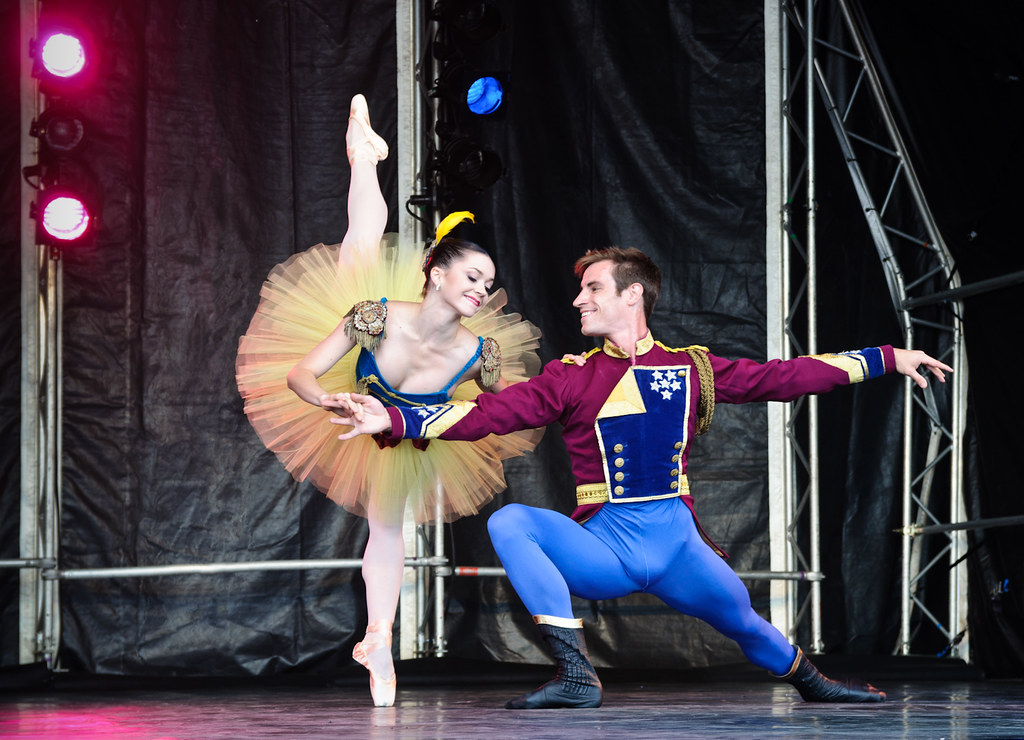
    Selfishly, I was also concerned we weren’t going to make it out of town the next day to Saratoga Springs, NY, where we were planning to attend a performance of the New York City Ballet on Friday evening. Even if we were flooded in, I knew I should be grateful–our house and property were fine while so many of our neighbors had lost so much. We were lucky and privileged, to say the least. Yet, if I couldn’t get this mini-vacay, I was going to lose my damn mind.

    Thankfully, the water receded quickly, and we were able to drive out of Lyndonville all the way to Saratoga on Friday midmorning, where my saint of a mother-in-law met us at the Gideon Putnam Hotel. She took charge of Daphne for the evening so Jer and I could attend the show and feel like cultured adults again, and it was fantastic.

    Being fancy with Grammy

    All of it was wonderful–the dancing and the date vibe!

    I danced seriously when I was younger and was even on a pre-professional track for a while, and I still love ballet. Seeing NYCB, a world-class company and arguably the best company in the United States, had always been on my bucket list, so this was an epic evening for me. I’d read as many NYCB ballerina autobiographies as possible, and in this way I’d learned the Balanchine and company lore, and I’d grown up idolizing Darci Kistler, their star ballerina in the 1990s. Nowadays, I follow some of the dancers on Instagram, so I’m familiar with their company members and was excited to see Mira Nadon, Miriam Miller, and Olivia MacKinnon perform. I also grew up watching tapes of the company’s performances and got to know the choreography by George Balanchine well, so I was thrilled to see Stars and Stripes live. The program consisted of the company’s single-act version of Swan Lake, plus The Steadfast Tin Soldier, excerpts from Coppelia, and Stars and Stripes, which I thought would be my favorite. S&S was wonderful, for sure–it’s energetic, playful, and ultimately an exuberant showstopper, and its patriotism has a sweet, vintage feel (sadly, it’s outdated in our current political shit-storm).

    However, I realized afterward that Swan Lake moved me most. I didn’t anticipate that. After all, I’ve seen the Houston Ballet dance it, plus countless other recordings of it, and it’s so iconic that it can feel worn out sometimes. But I was enthralled. So much so that I found myself in tears when the curtain went up on the classic scene and the music began. Maybe because it was the first piece on the program, and maybe because it’s been a long time since I’ve attended the ballet. But Isabella LaFreniere was a gorgeous Odile, the overall effect was breathtaking, and I never fail to feel the transcendent magic of live symphonic music, particularly Tchaikovsky (there’s nothing like it). All of that combined to sweep me away in a marvelous escape from what has felt like a crappy reality.

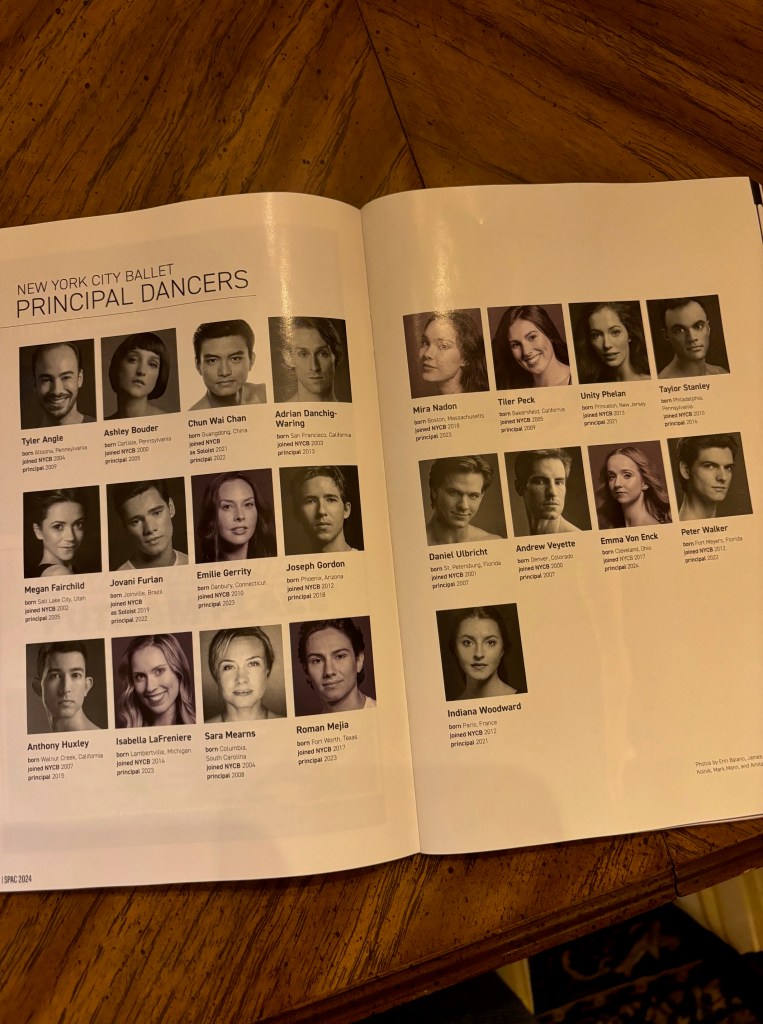
    I didn’t see Phelan and Gordon dance, but LaFreniere and Veyette were amazing!

    But even before that, I loved the quiet time with my husband.

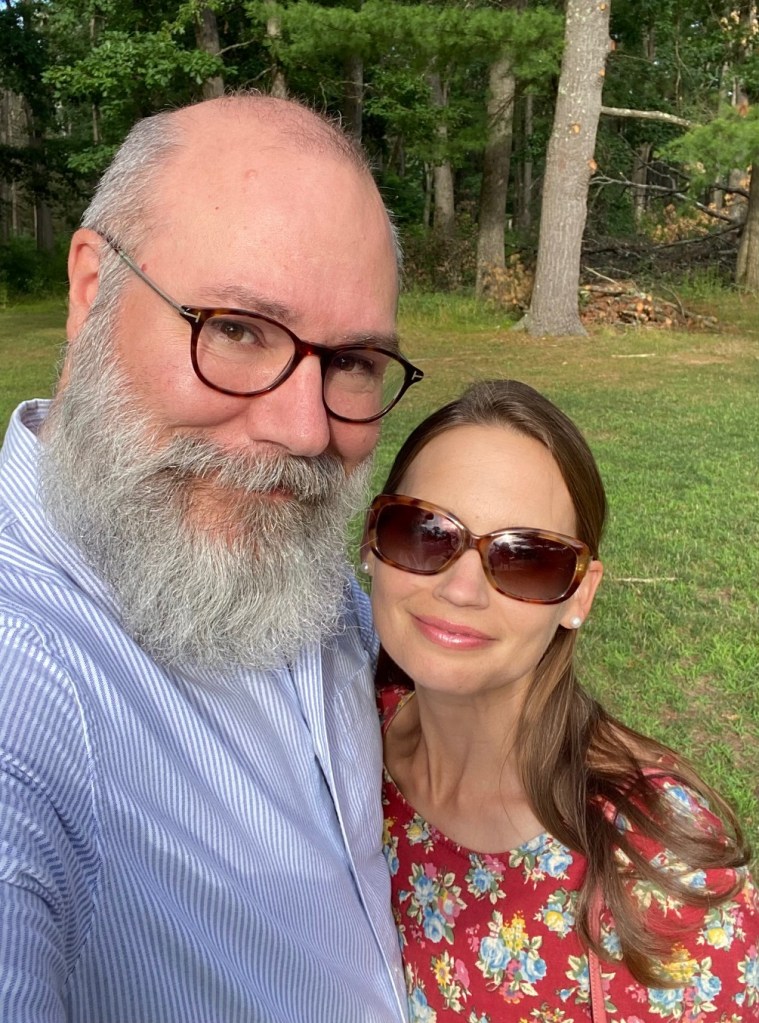
    Look at us on an actual date!

    We arrived at the Saratoga Performing Arts Center about 45 minutes before the show, so we bought two glasses of wine, perched on a little lean-to in the outdoor complex, and simply talked. I was wearing makeup, a new dress, and my Tiffany pearls, and I was excited, of course.

    Not a hot mess for once… but what is that strange dimple on my calf?!

    Jer was patient while I opened the program to the pages featuring headshots of all the principal dancers and spilled their tea.

    “This one and this one are my age so they’re old and neither ever really came back after quarantine, so they’re never around to actually perform… Do you think they earn as much as the younger women carrying the performance load?”

    “And this one… she has no business being so stunningly beautiful.”

    “And this one–see how she’s from Salt Lake? She’s LDS, and her brother was also a principal with the company for a while, and he was married to this one over here before he realized he was gay. Now, he dances elsewhere, a freelance performer I think, and he and his partner own a flower shop…”

    Stuff like that. All true, by the way.

    The Real Housewives have nothing on this group

    It was such a fabulous night. And though we were only gone a little over 24 hours, the trip was refreshing. Back home now, I’m feeling renewed. Thank god.

    Visiting Skidmore College, my mom’s alma mater, in Saratoga on Saturday morning

    On another note, I promised to share a writing update today, so here it goes.

    I’ve finished my developmental edits for my short story “We Were the House of Usher” and sent my updated draft back to the editors. I was pleased that my editor didn’t have too many suggestions, really. I did need to make sure my main character’s reactions were consistent throughout the story’s beginning, and I needed to clarify a few important plot points while making sure Madeline’s change in attitude wasn’t too easy and unearned. These were excellent suggestions; she was spot-on. The challenge was making those changes while trying to keep the story around 4,000 words. When I submitted it originally, it was just under 4k. After I made my revisions, it was sitting at almost 4.6k! EEK. So I spent most of my time in that week-window for dev edits whittling my revised draft back down. That was painful, and I finally made it to around 4.2k, which I think will be acceptable.

    Getting to 4225…ugh… and look at the dust on my keyboard!

    I want to give a shout-out here to my wonderful mom, who was my alpha reader for this story long before I ever submitted it, and who helped me get the story’s act together before it was ever given over to a professional editor. She also did me the huge favor of rereading the piece yet again (she’s read it dozens of times), after I’d made my developmental edits and word cuts. She said she felt like the story was strong, clearer in certain ways, and good to go, which gave me the courage to resubmit it.

    Thank you, Mumdi! You are, indeed, my favorite alpha reader! My story would have been in such worse shape had you not given me that April feedback!

    The uncomfortable truth, though, is that my story really wants to be longer. Like a thoroughbred race horse, it’s longing to burst forth and just keep going… and I’m the jockey struggling to reign it in and keep it under control (LOL forgive the bad racehorse analogy… it’s on my mind since Saratoga is known for its famous track, home to the Belmont Stakes). The version of “We Were the House of Usher” that exists now is… fine. I still like it, but it’s definitely imperfect. The pacing is lopsided. It has a well-done, captivating first third, but the last two thirds feel shorter, quicker, and, honestly, like things happen too quickly, and that was because I couldn’t spend too many words drawing those parts out. The scope of this story really doesn’t match the anthology’s 4k assignment, and that is my fault and mine alone. In hindsight, I should have chosen a narrower focus, one that I could develop slowly and thoroughly all the way through, a single-scene story, really, that was more like 3k to begin with, which would have left plenty of room for the inevitable edits.

    Oh well.

    *Sigh*

    I know this is part of learning the craft. And I have to be okay with some beginner’s imperfection if I ever want to start publishing. Otherwise, I’m afraid I’d never release anything because it would never be quite good enough for the world to see just yet. You can let that happen for the entirety of your writing life and wind up never sharing anything. I don’t want to make that mistake. Of the two, it’s ultimately the graver error.

    An image inspired by my story

    And there are lots of things I love about my story. I love my use of language and parallelism; I love my imagery and dialogue. I admire my determined but imperfect female main character, and I think I’ve made the antagonist, Roderick, effectively morally grey (I despise simple monster bad guys). I also like the backstory I’ve created for Roderick and Madeline.

    Young Madeline, from a flashback in my story

    I just wish I had more room.

    But like I said, that’s on me.

    If you’re a writer, tell me your newbie mistakes. What have you struggled with, and how have you lived with it while still allowing yourself to share imperfect work with the world?

    I could use your wisdom right now.

    Thanks so much. As always, I’d love to hear from you.

    Until next week, take care!

    XOXO,

    Jenn
  • Our Little Lady of the Lake

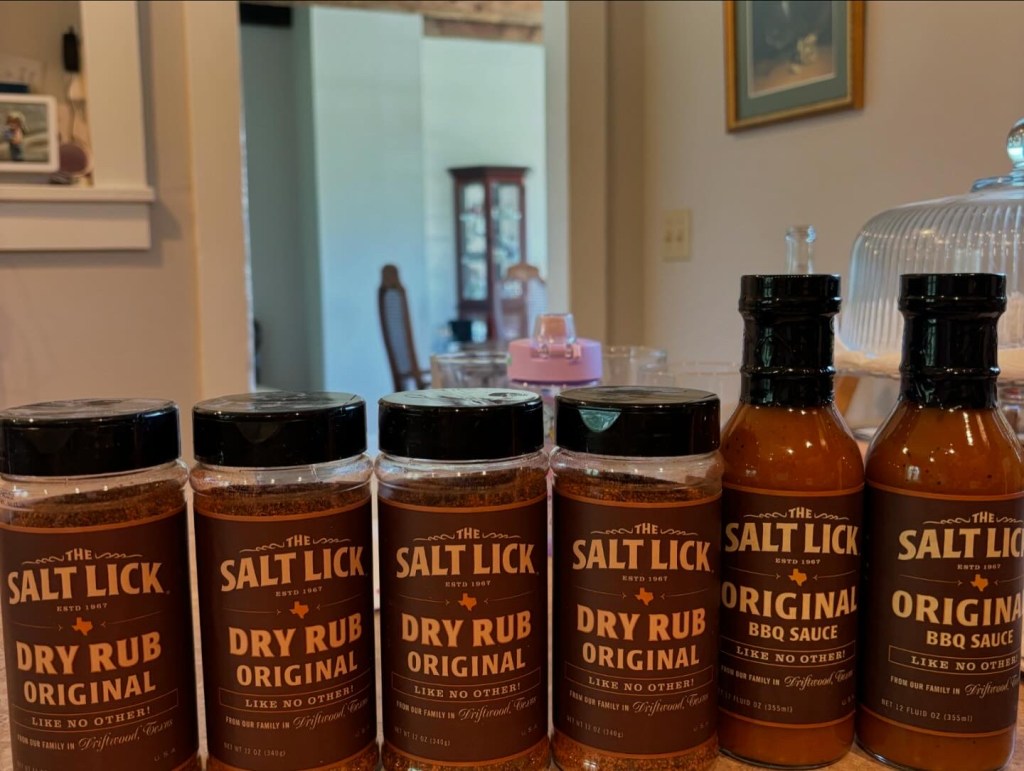
    Hello again! I hope you had a fun Fourth of July or a pleasant weekend, at least. Ours wasn’t perfect, but it was easier than the previous one. We had a casual evening on Thursday with our neighbors as we enjoyed some barbecued sausage shipped all the way from The Salt Lick in Driftwood, Texas.

    The. Best. Sausage. Period.

    There are many things I love about Vermont, but the food’s not one of them. It’s tough to beat Texas cuisine, and, on holidays, we like to have certain Lone Star foods shipped here–barbecue for Independence Day and tamales for Christmas.

    We won’t need my parents to ship us any rub for a while.

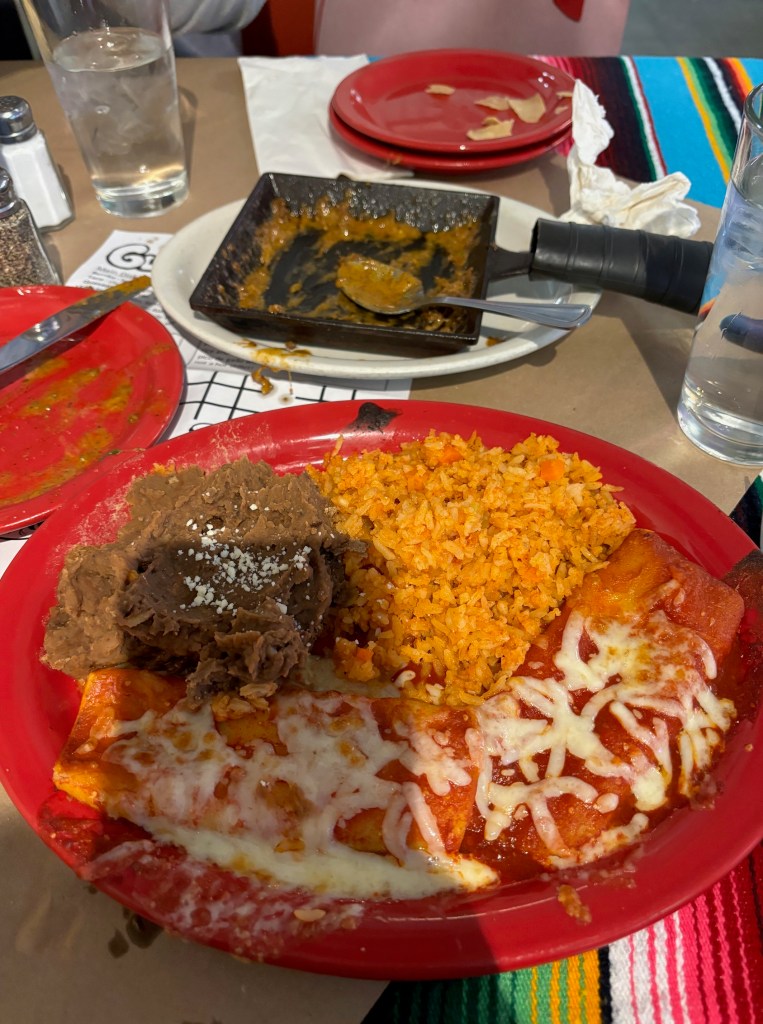
    Or, we’ll go out of our way up here to find the closest thing possible. Good barbecue is easier to procure–the meats can come frozen in the mail. Tex-Mex is a little harder, and for the first two years we lived here, my mouth watered for cheese enchiladas. Thankfully, we found a restaurant in Lebanon, Gusanoz, that’s pretty close to your family Tex-Mex fare back home. The ambience is right, and it’s nice to have the rice and beans with an enchilada that isn’t the tiny, tomatoey Green Mountain gringo’s sad version.

    God bless you, Gusanoz.

    One thing Vermont does do well is the maple creemee–which is basically a maple-flavored soft-serve ice cream cone. The best are made when someone hand-spins maple syrup into true vanilla ice cream, mixing it thoroughly and creating a flavor reminiscent of coffee but sharper and tastier. When the premade creemees come out of a machine, they’re a bit chemically and just aren’t as good. That being the case, my husband researched the top nine places to get the best maple creemees in the state, and on Saturday, we put Daphne in the car, intent to try number one on the list, Bragg Farm located in East Montpelier. But she wasn’t having it. After five minutes on the road, she started howling, and we gave up and turned around, conceding a simpler day at home. She perked up immediately once we were there.

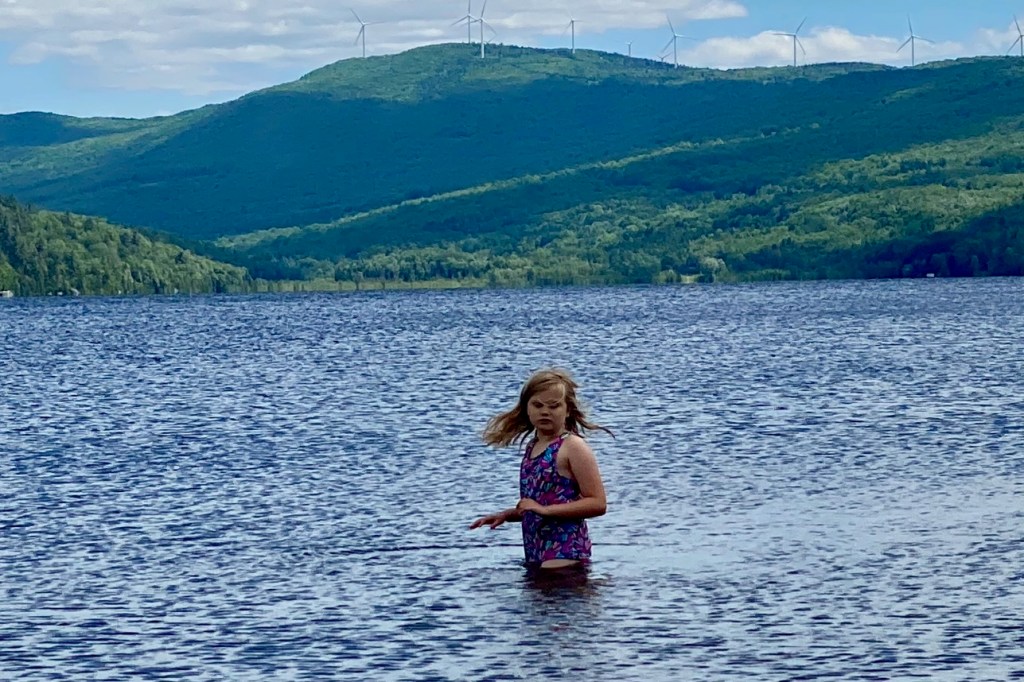
    Sunday, however, was better. Our neighbor invited us to join his family for swimming in Island Pond, a town about thirty minutes north of ours. I’m always eager to find new swim spots, so we got ready for a lake day and hopped in the car. After struggling to find the right spot–stopping first behind a retirement home at a tiny beach covered in goose shit–we made it to the right place, Brighton State Park, a lovely swim beach with soft, cleaner sand and hygienic restrooms. The view of the village’s buildings, including two white steeples, across the expansive water was gorgeous in a classic New England way, and the water was the warmest it’s been this summer. We all had a blast, and Jer got to see how well Daphne’s regained her float after going without swim lessons for the last four years.

    Island Pond–this view is so New England!

    Swimming. It’s incredibly important to our daughter. It’s her favorite thing to do, and I believe it regulates her senses better than anything else. When she swims, she feels the best she can.

    Sheer joy

    Her autism includes Sensory Processing Disorder (SPD), which basically means her neurodivergent brain does not process information from the world the same way neurotypical brains do. The information she takes in both externally (sight, sound, touch, taste, and smell) and internally (proprioception, interoception, etc.) gets scrambled–not unlike a radio receiver struggling to pick up a clear frequency. What she feels is often crackled, faint, or maybe too strong, which does not allow her to respond as easily and correctly to stimuli as most of us can. As a result, she might feel something too strongly, or she might feel it only dully or too faintly. This can result in her covering her ears because noises are too loud, for instance, or not wiping her mouth with her napkin because she can’t feel the food on her chin. It took us years to potty train her, probably because she didn’t recognize that internal need to urinate and defecate the way most kids do, so controlling where she did it was a longer, slower process. Her SPD also means motor planning and functioning are more challenging. For example, it took her a long time to learn how to jump up and down, and even now she can’t throw or catch a ball as smoothly as most of her peers can. She struggles with things like zippers and buttons, and she has nowhere near the coordination to play a sport, though I haven’t given up hope that she will one day.

    But swimming, well, she’s a pro at it. She’s fearless in the water, and at the height of her swim lessons when she was four years old, she could float on the surface like a little human raft. There’s something about the feel of the water on her body, and being underwater, and breaking the surface, that perfectly fine-tunes the reception of her senses. Suddenly, her experience of the world sharpens, comes into focus, and everything is clear and balanced.

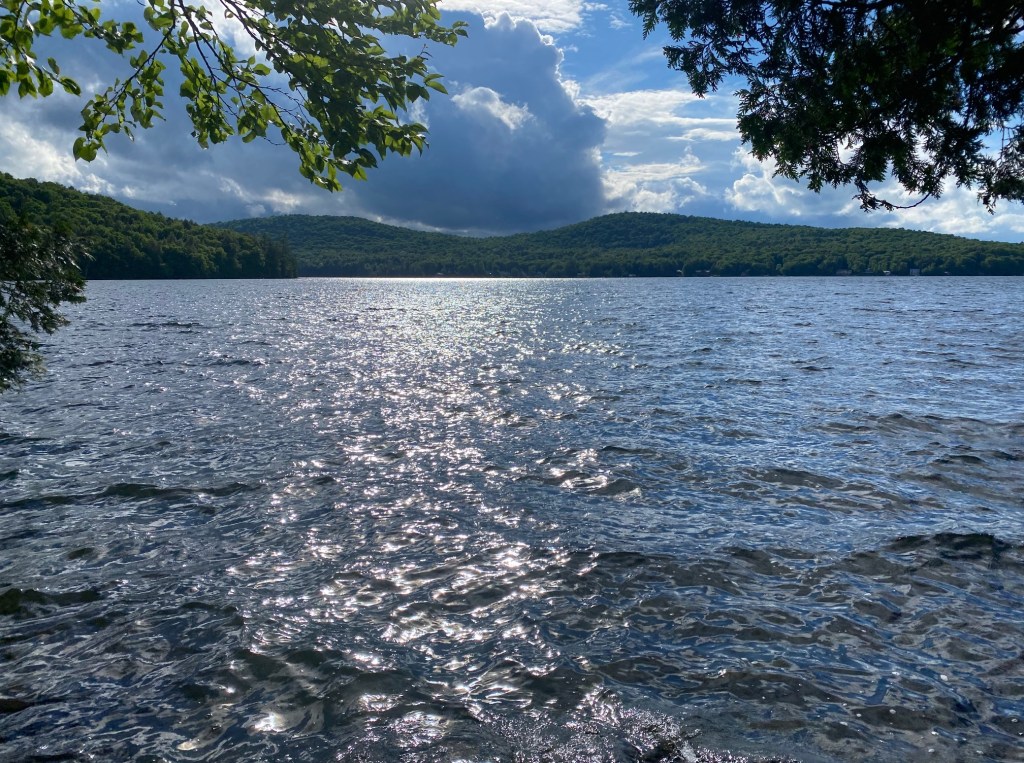
    North Beach on Lake Willoughby

    What a joy, then, for us to realize all the magnificent lake swimming Vermont offers. When I used to think about living here, I thought about snow sports and hiking. I never considered all the swimming but, hello! Where there are mountains, there are usually lakes. Plenty of them. And these are simply gorgeous.

    Two near us are Crystal Lake and Maidstone Lake, which are similar in that they’re surrounded by forested hills and have a soft, graceful look about them, though Crystal Lake is bigger. Maidstone is cozier and happens to contain the purest water in Vermont. Hmm, makes me wonder if that’s the reason for its name. Both are relatively close–Maidstone is about an hour north and Crystal about thirty minutes.

    Crystal Lake in Barton
    Maidstone Lake in the town of the same name

    Now, as mentioned, we have a new place to swim in Island Pond, which is rather large all the way around and features a forested island in the center. It has a sportier, more recreational New England feel, and speedboats love to race around the island.

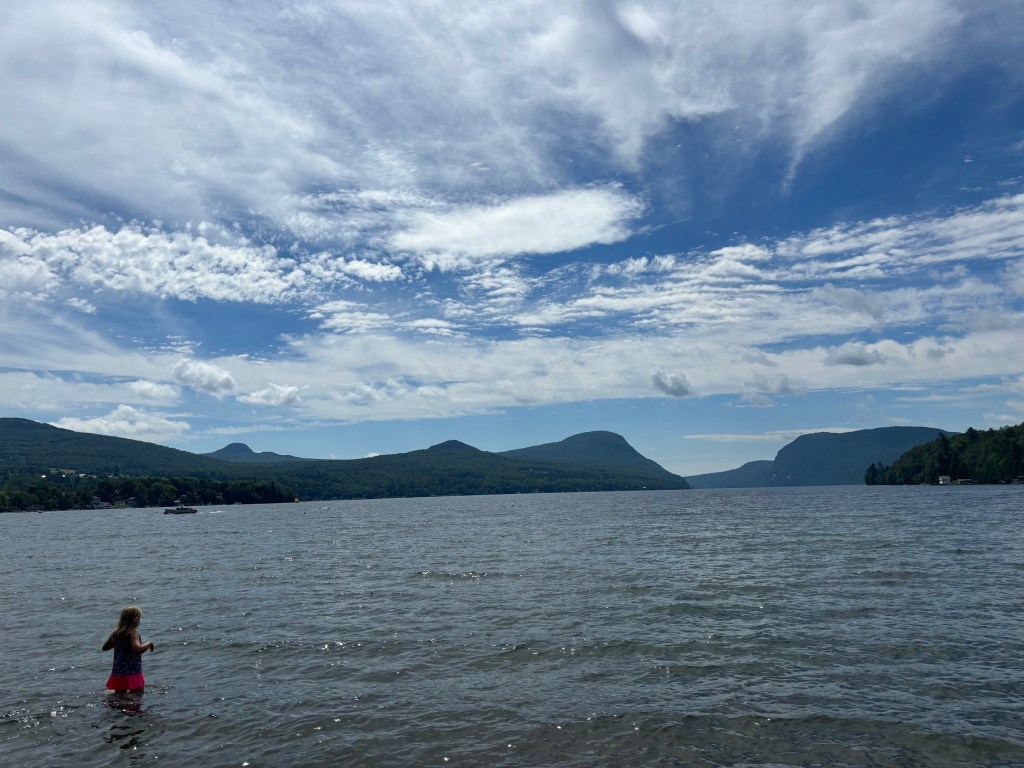
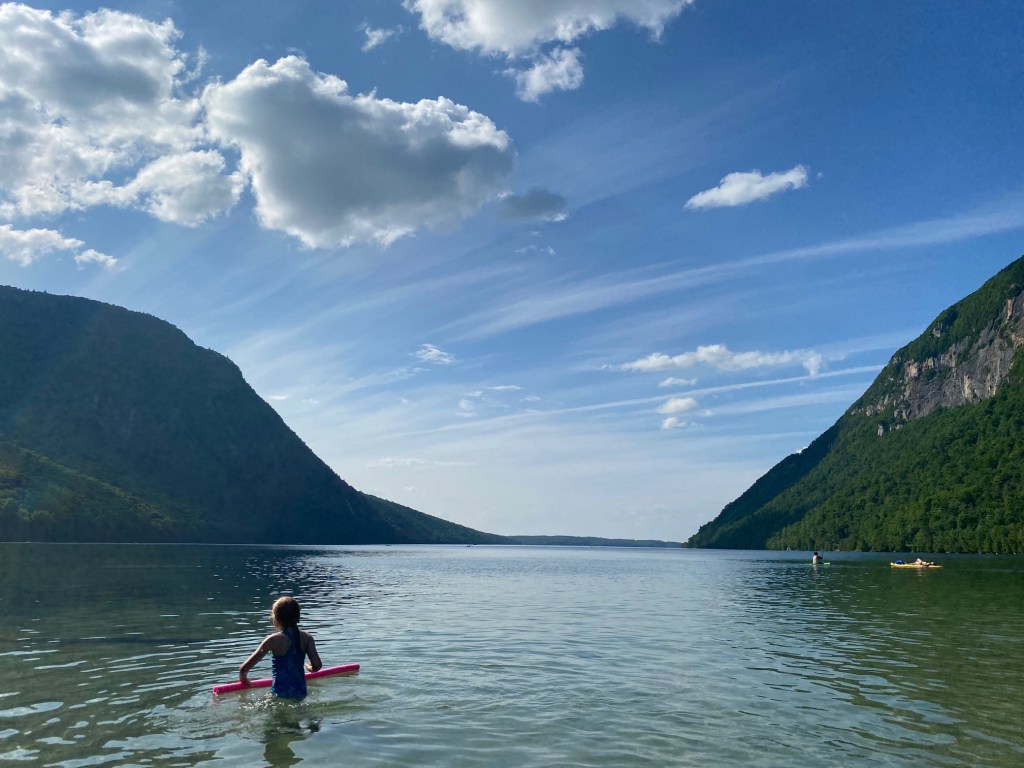
    My favorite lake, however, and the one closest to us at only twenty minutes away is stunning Lake Willoughby in Westmore. It is a fjord-style body of water that is long, narrow, and, on its south beach, bordered by sheer, rocky cliffsides that manage somehow to give it both a cozy and an epic feel. Its view from the south is one of the most photographed places in Vermont, and it reminds my husband of Hawaii while it reminds me of a Scottish loch. On a summer day when the golden sun dapples the water, the peace and beauty of it takes my breath away. It is truly one of those special places on earth, and Lake Willoughby has become my summer happy place.

    South Beach on Lake Willoughby

    We are so incredibly fortunate to have these wonderful bodies of water so close. I believe, too, that the total sensory experience of lake swimming trumps pool swimming for our daughter any day. She has around her verdant mountain countryside to admire, not to mention vast amounts of chlorine-free water, and there’s wildlife to observe. Early summer is the season of ducklings and goslings, and we’ve been watching a family of ducklings on Lake Willoughby grow up. They’re nearly teenagers now.

    They’re so orderly and well-behaved.

    Daph was so happy midswim at Island Pond that, at one point, she sat in the shallow water, stretched out her legs, then just lay down beneath the surface, totally submerged before popping back up. Jer made the joke that her little, lone arm might emerge holding a magical sword like Excalibur. A miniature Vivian, a little Lady of the Lake.

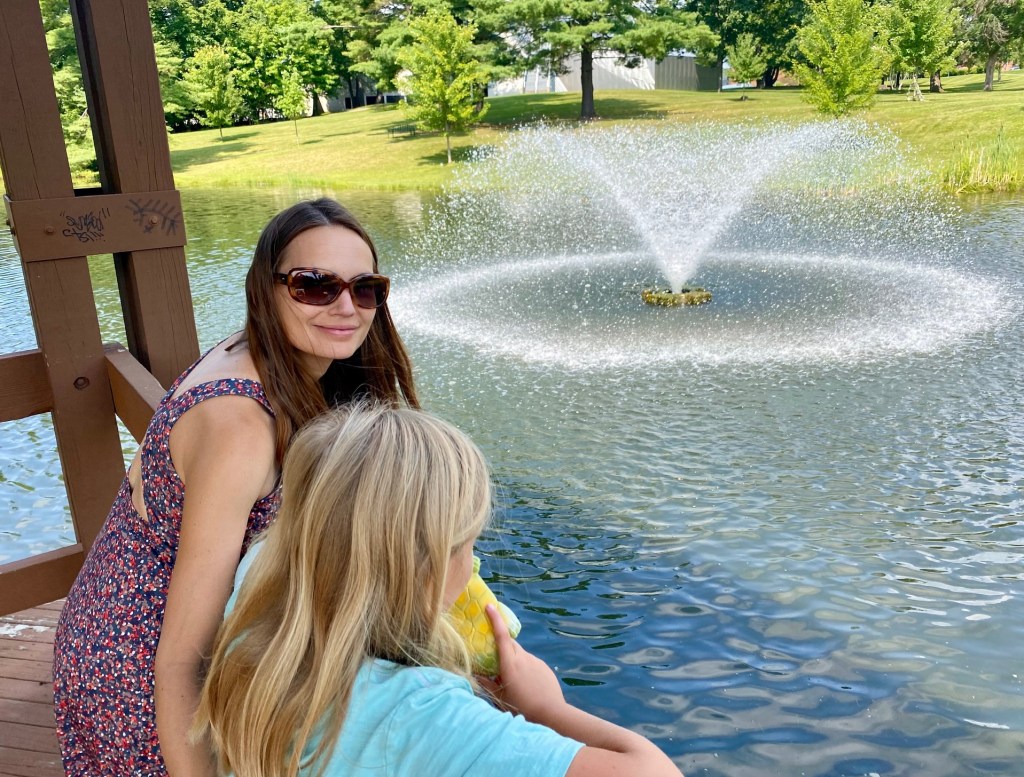
    Our little Lady of the Lake

    In this gorgeous countryside, it’s possible to imagine such a thing.

    I hope you’re also enjoying summer activities near and dear to your heart. Let me know what you’re up to; I’d love to hear it!

    I’ll be back next week with writing updates, but just so you know, things are trucking along just fine on that front–lots of great feedback and editing!

    Until next Tuesday!

    XOXO,
    Jenn
  • A Little More Structure

    Hi! Thanks for being here. I can’t believe it’s July; the warm months are flying by, though we’ve had a few long, difficult days in our summer household.

    Daphne’s visual schedule is still helping, but I admit that last week, I wasn’t as disciplined with it as I should have been. We used it daily, but I let it go a couple evenings there as the week waned. There was also a day–Thursday–when we didn’t do any academic or therapeutic activities. Instead, we played for a longer stretch outside before going to the Burke Mountain pool. Daph was also on YouTube Kids for longer periods than she was the week prior, and I didn’t sprint as often as I did last week, though I did accomplish a solid chunk of writing on Wednesday night. The cost of that? Some great plot development but Thursday fatigue, which only made the hours longer and all the chores harder.

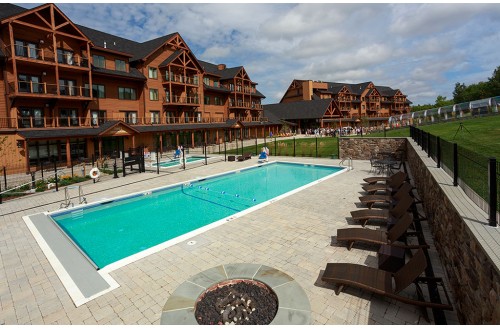
    The pool at our local ski resort, Burke Mountain. This summer, non-guests can pay $5 per person and swim all day. Brilliant.

    I’m drafting this post on Sunday, June 30th, and I’ll add that, on top of our imperfect week, our weekend with our daughter has been rough. On Saturday we took her to Jay Peak, a slightly larger, nicer ski complex about an hour away that also boasts an indoor water park. We wanted to see whether she might like swimming there–sometimes, indoor pools are hard on her ears, and I’m not always fond of their weird temperatures or echoey acoustics either. The facilities were all better than I expected, and Daph got excited seeing all the pools and water features. She didn’t quite understand, however, that we were only there to see if she liked it, not to swim. She struggled to transition out of the building and nearly had an awful meltdown, all of which happened after she had an accident sitting at the beverage bar overlooking the swim area. Her dad bought her some pants in the souvenir shop and I changed her in the ladies’ room before we dragged her out. She had two more accidents that night, one on the couch and one in her bed. I’m not sure why that’s happening except it just does, sometimes. Occasionally, we go through brief periods of potty regression, usually around the time our routines have changed or been disrupted.

    The Pump House water park at Jay Peak

    Today hasn’t been any easier. We went back to Lebanon to buy her some new clothes because she’s growing so fast, and in the Gap she was yelling and throwing things, so I took her outside to walk around while her dad finished shopping. When she told me on her AAC iPad she wanted to “drink water,” I replied that we would get some bottled water soon since I could see her dad at the register paying for everything. Well, she got even angrier and smashed that iPad (her talker) on the sidewalk, completely shattering the screen and rendering it useless.

    Damn. Just, damn.

    Luckily, we have a new, spare iPad already, but of course her dad and I were furious at her behavior. She’s been in on-again, off-again timeout here at home ever since.

    Her biggest challenge right now is anger management, an issue that has only developed within the last year. We always explain things to her, and I think she generally understands us, but sometimes she can’t control her swells of temper. So, being non-speaking, she throws things or, worse, hits or bites people. It’s her easiest, fastest way to communicate her feelings (and, as heart-breaking and upsetting as it is for us, I’m sure it’s even harder for her).

    Hence, smashing her iPad down on the unforgiving sidewalk. I’ll hand it to Apple–the iPads can usually take a rug or even a wood floor to the face. They can’t take the concrete, though.

    I’m not sure what we’re going to do about all of this, beyond modeling how to use her words to express her emotions on her talker. We’re also using natural consequences, an approach to discipline her diagnosing psychiatrist recommended years ago. Today, the natural consequence of her behavior was not having her talker iPad for the rest of the day. When she fussed for music, we reminded her repeatedly that she did not have her talker because she broke it, and this was the result. And, since that was such egregious behavior (we didn’t use that exact word, don’t worry), she’d lost her other screen privileges for the rest of the day, too.

    I’m not sure these things will be enough.

    We’ll see.

    *Sigh*

    It will help to start fresh tomorrow.

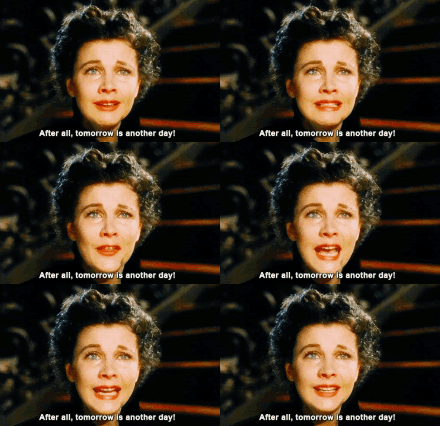
    I’m choosing to channel Scarlett O’Hara here:

    Preach, Sister

    On the bright side, we’re heading into a summer month with a little more prescribed structure. Daphne’s extended school year services (aka summer school) begin on Tuesday, and twice a week she will go to her elementary campus for math, reading, writing, speech, and occupational therapy. Her Sp-Ed teacher will be there working with her, and–best of all–she will attend from 8-11:30 am. Suddenly, this sounds like such a huge chunk of time! I’m salivating thinking of all the great reading and writing (and quiet) time I’ll have to myself.

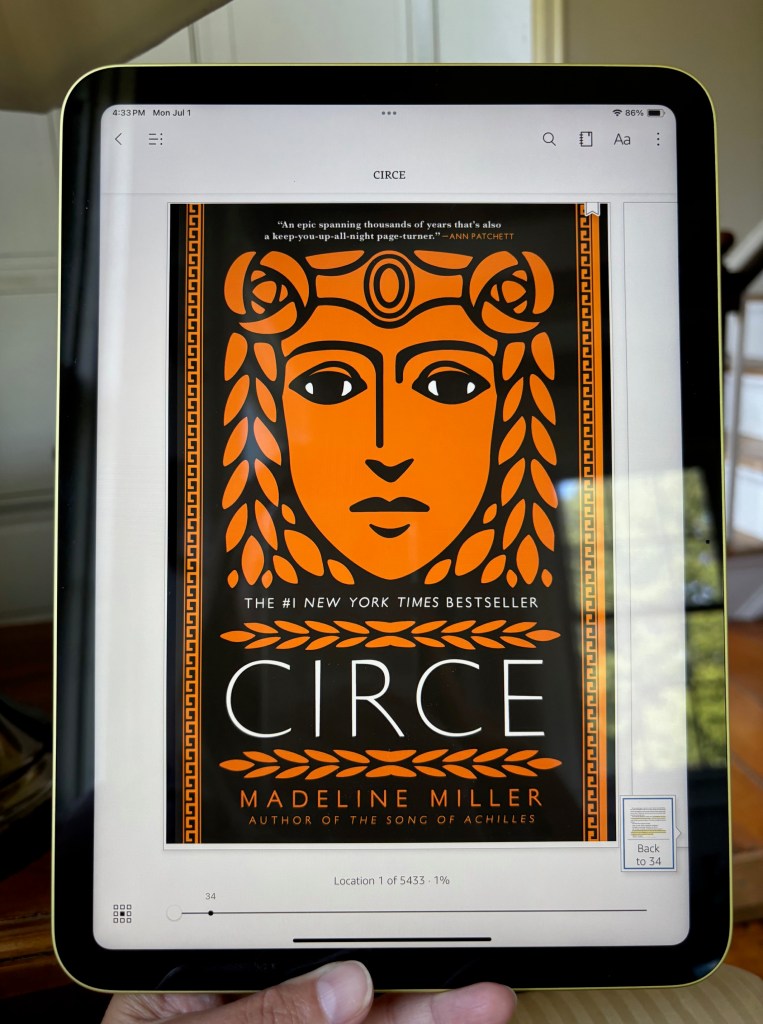
    Current read

    I think it will actually help Daph feel better, too. I know the days at home with just us can get boring no matter how much I try to fill her time. It will be good for her to be back with some of her school friends; Daph was quite popular among the second graders. The couple of times I was in her classroom for presentations or field trips, I saw how kind and supportive they were and how much some of them loved her.

    I will also have more structure for myself in the form of my virtual summer writing camp, which also begins this week.

    Yay!

    Our wonderful group The Writer’s Sanctuary is hosting their second virtual camp event, and we’ve been sorted into Zoom “cabins” where, all July, we’ll meet twice a week–once for a group writing sprint and once for a round robin of critiques. We were sorted according to our time zone availability, and I’m both excited and nervous to be the least experienced and least accomplished member in my group. The other three ladies in Flower Power, our cabin, are all self-published, and one is set to query literary agents in the traditional publishing world soon. I’m familiar with her writing–she’s talented, and I’ve silently admired her work ethic, her newsletter and author socials, her commercially-appealing plots, and her crisp prose for a while now, so I’m excited to get to know her better.

    Go, Blooms!

    I hope I can offer these lovely ladies some quality feedback, and I hope my writing doesn’t strike them as horribly thin or amateurish. I’m planning to share a ghost story I wrote back in September for my first critique, one that I’m considering submitting to a few genre magazines, and it definitely needs some development. This is the perfect opportunity to improve it, but it’s also not my best piece so part of me feels like I’m not putting my best foot forward. This is ridiculous, I know; it’s not a competition about who can make the best impression with the best writing. I’ll get the most out of this if I offer something that really needs the help, but I also don’t want these fellow writers to think negatively of my skill. These are all my own insecurities, and I’m working hard to counter them.

    Mindset. It’s so important to have the right mindset.

    I just happened to see a reel by Megan Fairchild on Instagram; she’s a principal dancer with the New York City Ballet (and a recovering perfectionist, she would tell you). She was describing how she’s cultivated a “my lane” attitude throughout her years in an excruciatingly tough, competitive art form. She’s learned to think of her dancing as if she were swimming laps–she has her own lane and is working only on her own artistry and timing, competing only with herself to be her best. What others do around her is not really her business, she says. Her message is nothing new, but today it was a good reminder as I felt butterflies at the thought of being so vulnerable during group critique. But, I have to embrace that vulnerability if I want to make the most of our sessions.

    I read Fairchild’s memoir/self-help book two summers ago. It was practical and uplifting–great life advice for all!

    The fact that I am the least experienced writer in my cabin is a good thing. I can soak up so much from these ladies… it’s like being the dumbest person in the room, really, and realizing all the things you’ll be able to learn because you have nothing to lose and everything to gain. Also, I’ve had nothing but good experiences receiving feedback from other members of The Red Herrings Society within the Writer’s Sanctuary. It’s all been kind and constructive and has truly helped me grow, so I have no reason to think this will be any different, despite the more formal context.

    And feedback is amazing. It’s opened my eyes to weaknesses or points of confusion in all the pieces I’ve shared that I never saw myself. It’s fascinating in that way and a powerful reminder that, at a certain point, there’s nothing else you can do on your own to improve your work. You need others’ eyes; writing to publish is truly a collaborative experience.

    I will let you know how writer’s camp goes. 🙂

    LOL. Hopefully my cabin mates won’t have to resort to this.

    To end on a final positive note–I received word on Friday the 21st that another literary magazine, Paper Cranes, has accepted another of my flash fiction pieces for publication in their debut issue! This was thrilling and felt like a true accomplishment because I know it’s one of my best pieces. I can’t wait to feel my own swell of pride when I see this piece, “In Dreams and After,” in print. Here’s what the editors said about it: “The story is beautiful and has a certain poignancy to it that we’re looking for… This will make a wonderful addition to this issue.”

    Yay! So, if all goes according to plan, I will have four little publications by the end of this year.

    And guess what? I was able to submit such a lyrical story because I received some gentle yet honest feedback from my sharp friend Gloria, a fellow writer in The Red Herrings Society.

    Yes. Feedback is indispensable. I don’t think Paper Cranes would have accepted my piece without her help.

    I’d love to hear your experience with critiques and feedback of all sorts. Have you received some invaluable advice on a piece you’ve written, something you’ve done, or just life in general? Please don’t hesitate to share.

    That’s all for now, and I hope you have a great start to this new month.

    Happy Fourth of July, too!

    Megan Fairchild in the Stars and Stripes pas de deux, choreographed by the great George Balanchine. I will see NYCB perform this ballet in about two weeks at SPAC in Saratoga Springs, NY!

    XOXO,

    Jenn
  • The Season for Time Management

    Hi! Thanks for being here. I mentioned I’d keep you updated on the use of our visual schedule with our autistic daughter, Daphne. I’m happy to report that, one week into her summer vacation, it’s helping. Showing her the expectations each day has made her more receptive to what’s coming, and as a result she hasn’t resisted too terribly when it’s been time to do activities or put away her YouTube iPad. It’s also kept us moving productively through the hours: last week we did two sets of academic/OT/speech activities per day (an AM session and a PM session), we limited our screen time, and we got out of the house every afternoon–Monday to the grocery store, Tuesday to the rail trail for a 2 mile walk, Wednesday to Crystal Lake, Thursday to the car for a joyride, and Friday to the playground AND Lake Willoughby. This might not sound like a big deal, but let me tell you, it’s good progress after all the miserable down time we suffered last summer. Daph did cry at some point each day, hard a couple times, but so far none of our days have been the all-out tantrum fests we had last summer, so I’m taking that to mean we’re off to an auspicious start. Thank you, visual schedule.

    Not a perfect schedule; it should include pictures. But I’m 99% sure Daphne knows these words. We model them on her talker (which has great visuals) all the time.

    Her dad and I were even good about keeping her active on Saturday. We drove to Williston and took her to Get Air!, a trampoline park. She enjoyed it as always, though on this trip she seemed more sensitive than usual to the cacophony of dance music/kids’ screams. After two hours jumping, we drove a little farther into the city proper (the only place that possibly qualifies as such here in Vermont), where Jer ordered beach fries for a famished Daph at Burlington Bay Market on Lake Champlain.

    Yummy

    While they were snacking, I shopped for dresses next door at April Cornell.

    Who doesn’t love a pretty boutique?

    I typically go for the simpler, sportier type of dress like the ones I adore from Prana (with their amazing built-in bras), but given that the long, flowy, flowery pioneer styles are fashionable right now, I figured I’d try to look somewhat trendy for the symphony and ballet performances coming up, so I was eager to check out the billowy, floral garments at this flagship boutique. I found two lovely discounted dresses in their basement section, one a sleeveless shift and the other a three quarter-sleeved short dress, and only paid $70 total–a brilliant win since I didn’t have to feel guilty about buying myself new clothes.

    Even the bag is pretty

    This past week was good for another reason, too. I figured out how to carve out some quality time for writing.

    I was concerned about this. I’d been on a roll for the entirety of Daph’s school year. While she was gone each weekday, I’d write for an hour or longer, and most days I’d work myself into an awesome flow state, which allowed me to produce a fair amount of work in those nine months. During that time, I wrote a 30,000 word novella, two poems, a short essay, and twenty short stories, which sounds like a ton but most of those short pieces were flash fiction drafts about 1,500 words or fewer, all composed during a February flash fiction challenge. I also wrote 50,000 words of a novel during National Novel Writing Month (NaNoWriMo) in November.

    The best part of all that was the daily writing habit I developed. It’s now so ingrained that it feels wrong if I go longer than two days without writing something, and I feared I’d lose this habit, this need to write, over the course of the eight week summer. It’s tough to work when Daphne’s home, after all. She needs me for all kinds of things, from help with meals to dressing and hygiene. Plus, she loves her mom, and I love her. Our quality time together is lovely, and she can get her feelings hurt or do something unsafe if she thinks I’m ignoring her for too long. My husband has to work; he can’t watch her for me as well (though he jumps in to help when he can).

    You might think, ok, write when she’s asleep. But she’s been waking up early, sometimes at 5 am, so getting up to write before her hasn’t felt like a great option. I’ve written a little at night after she’s gone to bed, but I’m not a night owl, and both times I nodded off over my laptop.

    Ugh… just can’t do it.

    On Wednesday, however, it occurred to me–duh!–that I could employ the daily time blocked out for YouTube on Daph’s visual schedule as writing time for me. If I’ve effectively limited her YouTube, then it absorbs all her attention when she does get it, and I realized I could use that 30-60 minutes as a writing sprint and know she was safe and sufficiently entertained.

    A writing sprint is just like it sounds: you set a timer for a short period, anywhere from fifteen minutes to an hour, and then you write nonstop until your timer goes off. At that point, you can give yourself permission to be done.

    This way, at least I could get a little more added to my novel, even if I didn’t have the luxury of slipping into flow and banging out several thousand words, which is how I prefer to write. I considered, too, that even if I produced nothing but garbage in that short time, I could always edit it later. Some is better than none, after all.

    It worked.

    It was hard at first because once my timer went off, I just wanted to keep going–I was about to hit flow and wanted to continue the scene, or I desperately wanted to revise what I’d just typed. But, I didn’t. I saved my draft, closed the laptop, and got back to my child, just in time to prevent tears as the dopamine waned (sadly, it entertains her for shorter periods these days). By Friday, once I’d sprinted three days in a row, it was easier to let the work go and just move on. I had the satisfaction, too, of knowing I’d written something and that it was staying active in my head, allowing me to think up new developments which I typed hastily into the Notes app on my phone. I also felt good knowing I was still giving my daughter the care and attention she needed without bothering my poor husband too much.

    Work-life balance. It’s definitely a thing.

    I used to think the term “work-life balance” was such a cliche, but it’s true. It’s a real thing, and it can be tough.

    The numerical result? Last week, I wrote a total of 2,726 words, a vast majority composed during these sprints! I can tell you this number because I’m tracking my progress via daily word counts on a Google sheet, which I started when I began my novel for NaNoWriMo and, finding it to be such a great accountability tool, I continued using it long after NaNoWriMo ended. My zero draft now sits at 97,292 words (which is ridiculous because I’m not even close to the end. The draft is a hot mess, but that’s another story for a later post), and I’m thrilled to know I can keep chipping away at it over the course of these hot, school-less months without losing sleep, my poor mind, or the feeling that I’m a decent mother.

    To wrap this all up, If you Google benefits of writing sprints, here’s the first answer you get. Sprinting “pushes you to write more words fast, by forcing you to start writing and ignore your inner editor” (from “Writing Sprints: A Simple Exercise That Benefits Every Writer” by Joe Bunting at thewritepractice.com). It also helps you gain regular practice while combatting procrastination and perfectionism. The result? Progress.

    And while you’re progressing, you’re finishing projects and likely getting better. After all, as Neil Gaiman says, you’ll learn more by finishing a failure than you ever will by finishing a success… and you’ll definitely learn more by finishing a failure than you ever will by starting something brilliant that you never complete. These seem like wise words, and I’m trying to write by them.

    The master knows

    But what they mean is, you HAVE to write. Which often means you HAVE to make the time to do so over the course of a busy day in a full life. And writing should support life, not the other way around (another Stephen King paraphrase).

    For me, these sprints plus the visual schedule are proving to be great time management and accountability tools. If you are a special needs parent or caregiver and you’re struggling to carve out time to work on something for yourself, I recommend both if you haven’t tried them. The visual schedule also benefits your child, of course, and the sprint can become a quick burst of energy for anything— studying, reading, crafting, building a business, etc. Again, some is better than none.

    I really think they’re going to be a game-changer for us this summer.

    As always, let me know your thoughts, and thanks for taking the time to read this.

    Happy working!

    XOXO,
    Jenn
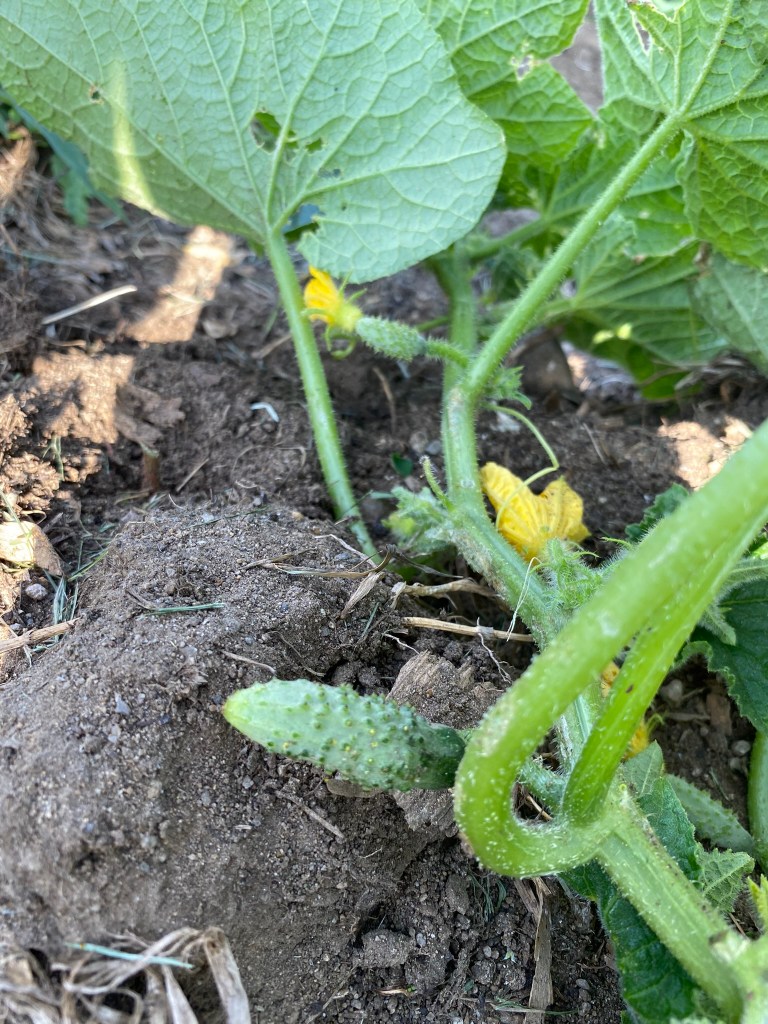
  • Author-Character-Reader

    Let me start by saying, I hope you had a nice Father’s Day. If you’re a guy and have your own child(ren) or precious pets, I hope someone made you feel loved and appreciated. Even better, I hope you were able to celebrate your own dad/father figure too. Dads are important. I dislike how even now in popular culture they get stereotyped as bumbling, immature fools or as cruel, controlling patriarchs. Most dads are better than that, especially nowadays, and we need to continue recognizing and encouraging their contributions and participation in all aspects of their children’s lives.
    Crystal Lake on 6/15

    On Saturday, Daphne and I enjoyed four hours in the cool weather on Crystal Lake with our favorite guy, and on Sunday morning we gave him his Father’s Day gift–a Battery Daddy– and triple chocolate cupcakes before heading out on a casual jaunt to our favorite suburb, Lebanon, NH (great place to visit but, being a suburb, we wouldn’t want to live there).

    Jer asking Daph if she wants to help him load his gift
    She was happy to and did a great job!

    In Lebanon, we bought $50 of random stuff at Target, walked through JoAnn’s Fabrics looking for potpourri, and had lunch at Wendy’s because Daph had been telling us on her AAC device (her “talker”) that she wanted French fries and chicken nuggets. Then we headed home to give our own dads a call. Later, Jer admitted he didn’t feel like firing up the grill as we’d planned, and I gladly told him no, relax instead. All in all, not the most exciting or novel Father’s Day weekend, but it was cheerful time spent together, and I think Jer just enjoyed being with his girls.

    This melts my heart

    I will say it again–I am so lucky. He is an amazing daddy. He’s always been a true partner in every aspect of parenting, right down to the physical care of our child. When we’re struggling through a rough patch of behavior or need to advocate for something in our daughter’s education, he’s there beside me to listen, provide respite and advice, and help me carry the emotional and decision-making loads for things like trips to the ER and sensitive school meetings.

    Thank you, babe. We love and adore you.

    On a writerly note, I also finished reading The Cruel Dark by Bea Northwick on Saturday morning. It was a great book, and Northwick is my new author hero. After years in the query trenches trying to publish traditionally, she finally chose to self-publish this novel, her debut, and it deservedly won this year’s Writer’s Digest Best Self-Published E-Book award. It is a horror love story with gorgeous Gothic elements, lovely language, a satisfying ending, and some great spice (“spicy Bronte” it’s been called, though it reminds me more of Rebecca with some old-school VC Andrews vibes). Though titillating, the sex scenes do not come at the expense of the story. Not at all. Yes, they are developed and vivid, but they’re also tasteful and function not just as a source of reader excitement but also as a way for the main character, Millie Foxboro, to physically ground herself as she battles what feels like increasing mental illness. Thus, the descriptions felt relevant, not gratuitous at all.

    Version 1.0.0

    Another reason I love this book is because it’s a successful example of a challenge I’ve become familiar with as a writer myself: that challenge, when composing a story, of keeping straight the character’s narration, the reader’s experience, and your own authorial intentions. This is a little abstract, so bear with me. Author-character-reader is the idea that there are three separate lines, or levels of consciousness, at work during the development of a story, and ultimately they connect to form the shape of a triangle (if you want to visualize it that way), with the author at the top followed by the narrator/main character on the bottom left and the reader on the bottom right (or so I see it).

    I sketched this last night while making dinner

    It is very easy, when you’re drafting, to confuse these lines, to tangle them or allow them to connect incorrectly, misshaping the story and confusing the reader in the process. Let me try to explain.

    The author begins with characters and struggles, which develop into a plot framed by settings. Ultimately topics and theme(s) emerge. All of this swirls in the author’s mind–there’s a plan, an intent with a message.

    Now, the author conveys the story via the main character, describing and narrating events and emotions as this character experiences them, and the reader’s experience is vicarious through the character’s eyes, especially if it’s a first person point of view. As this character becomes aware of certain facts at certain points in the plot, truth dawns on him/her and the story concludes. Perhaps before that, however, the author wants to foreshadow something, or maybe the author purposefully makes the narrator unreliable and wants the reader to sense there are other realities at work, which can heighten the mood, create interest or suspense, and add depth to the story. If this is the case, the author has to include (or perhaps omit) certain details and choose certain words to make a thoughtful reader pay attention, and when the character him/herself finally makes the discovery or realizes the truth, the reader experiences an exciting moment of satisfaction–the I Knew IT! moment. This takes skillful, conscious maneuvering on the part of the author, an ability to compose and revise effectively at those three different levels–the character’s, the reader’s, and finally, above it all, the author’s–without leaving something out or including something too early. No easy feat, especially in the hot mess of the early drafts when the elements are still rough and all kind of knotted up in the author’s imagination. Teasing it out effectively is more complex than a nonwriter might think. When it’s done well (after a lot of feedback and revision usually), it’s seamless and satisfying.

    This is another way in which Northwick succeeds with The Cruel Dark.

    WARNING: SPOILER AHEAD! STOP READING NOW IF YOU THINK YOU WANT TO READ THIS BOOK.

    In Northwick’s novel the main character, Millie, takes a new job as an assistant to a reclusive professor working from his creepy, abandoned mansion in the New England countryside. Millie has a difficult past–her mother was abusive, her father neglectful, and she woke up two years ago in a psychiatric ward, unable to remember anything in recent memory. Now, her special knowledge of Celtic mythology, plus the lure of an exorbitant paycheck, has her taking this position despite her trepidations. She learns right away that the professor’s wife went mad and committed suicide by throwing herself from a cliff. Hearing this, Millie thinks about her own former nickname, “Mad Millie,” and once she gets to the mansion, a maid screams when she sees her face, the housekeeper is ill at ease, and her new boss (tall, handsome man, of course, slightly dangerous) keeps his back to her, unwilling to look her in the eye upon introduction. When Millie and Callum, the professor, do come face to face in a dark corridor at night (as Millie follows strange sounds and visions), the professor suggests he finds her irresistible and that she ought not to tempt him toward lewd desires. All dark and romantic, yes, but not random. Not necessarily there for the sake of just genre and sex appeal. What all of that suggested to me, the reader, was that the main character, Millie, was in fact the professor’s wife (not actually dead), and that this situation was all somehow a way for him to get her back, though of course she herself, the narrator, has ZERO suspicions of such a thing. I also suspected, despite all the suggestions that Callum was malicious (from other characters, the dead wife’s diaries, and the MC herself), that he was in fact a good man in love with Millie and desperate to have her, his beloved wife, back.

    And, bingo.

    When I finished the book on Saturday morning, I learned I was right.

    I do believe Northwick wanted readers to make my same prediction. Therefore, she had to carefully craft details that could look logical one way to Millie the narrator but make perfect, ironic sense another way once they were reconsidered at the story’s end, all without Millie inadvertently thinking or saying anything she shouldn’t yet know. Again, no easy feat, and as a reader it worked for me. I was driven to solve the mystery of the details and confirm whether I’d been right, and I found it highly satisfying to see my prediction validated. I also loved the ironic characterization of the professor. It made for a tender, surprising love story, and one of redemption for Millie, who by the story’s end is a stronger person.

    In contrast, maybe an author doesn’t want to do that. Maybe s/he wants the reader to be surprised or to realize something new right along with the main character, so s/he has to be careful not to reveal too much too early in a particular word choice or detail. This can be tricky when one is getting everything out in an early draft, during that time when something (big picture in mind) can accidentally slip in–when the narrator accidentally describes something from the author’s level (momentarily becoming the author) and not as the character him/herself. It’s an error, a confusing mistake.

    It’s one I nearly made in an early draft of my own short story “We Were the House of Usher,” a retelling of Poe’s famous tale “The Fall of the House of Usher” from the doomed character Madeline’s perspective.

    The decrepit House of Usher

    I won’t reveal too much, but I realized in an early passage that I described Madeline wanting to escape the “deathly influence” of the Ushers’ castle. “Influence” was the problem here; I realized I was perhaps suggesting too much too early. I wanted, instead, for readers to realize the nature of the story’s magic alongside Madeline herself, which must come later in the tale. I wanted that part to be something of a surprise, so I didn’t want to give close readers anything, in that respect, to go on. I also realized it would be illogical for Madeline to think that way so early about her house–she would have no reason at that point to suspect it was having any kind of direct effect on events. Consequently, I changed the phrase to “deathly atmosphere,” a word much likelier to come to Madeline’s mind at the story’s beginning. I’m now eagerly awaiting more suggestions from a developmental editor; I’m sure she’ll have other corrections like this one, for there are certainly multiple lines of consciousness at work in my piece, and I’m sure I’ve confused them in other places too.

    I did, however, intend to suggest something early in my story about my Roderick Usher (much like Northwick does about Millie’s situation early in her book). I wanted to suggest an ambiguity in Roderick’s character, that perhaps he’s not exactly as his sister perceives him. Therefore, in the early dialogue, I intentionally have him respond to her angry fit in particular ways. I wanted to suggest that Madeline perhaps jumps to emotional conclusions about her “awful” brother. In so doing, I’m aiming to stir readers’ curiosity about what exactly happened the night of Madeline’s engagement supper, which, in turn, should make them want to keep reading. Hopefully, I succeeded.

    Ah, these two. My Roderick and Madeline

    We’ll see what my editor says.

    I love this cover art!

    If you’re interested, my story “We Were the House of Usher” will be out in the Red Herrings Society’s anthology All the Promises We Cannot Keep on November 18th of this year.

    Whew. This felt like a long one. Thanks for bearing with me; I hope it all makes sense. Again, I’d love to hear your thoughts on this author-character-reader concept, as a writer or a close reader yourself. What do you think? Any interesting endeavors or experiences you’d like to share? Any failures and takeaways from that?

    Until next time, enjoy your friends and family, and happy reading! I hope it’s thrilling.

    XOXO,

    Jenn